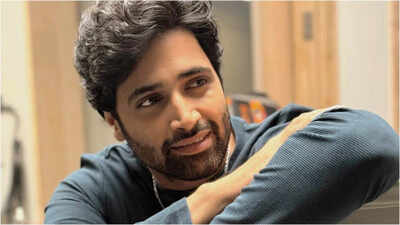
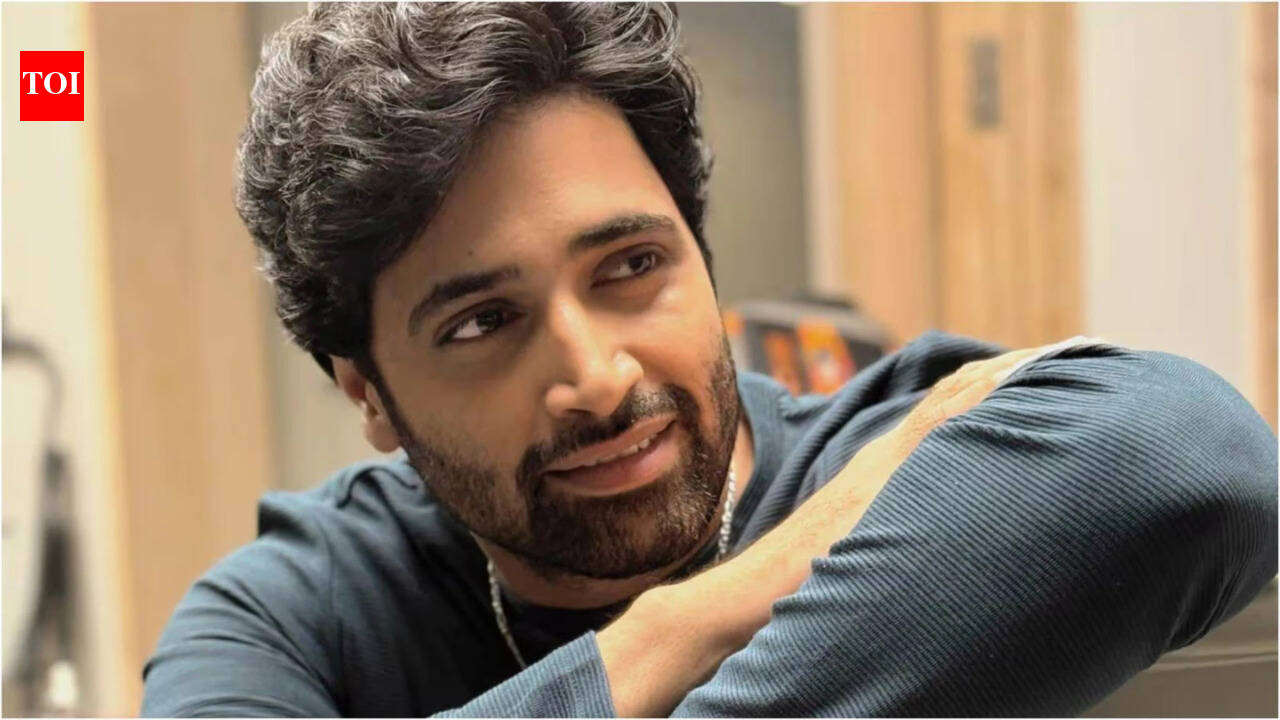
Adivasi Shesh’s emotional connect with fans: How ‘Dacoit’ inspired courage and humanity

'Dacait' star Adivi Shesh reveals the heartwarming story of the fan who found courage through his films: 'Major' gave him courage'
Actor-filmmaker Adivi Shesh celebrates the success of ‘Dacait’ and shares a fan’s emotional story of finding courage after a brutal attack, inspired by his film ‘Major’. This meeting strengthened Shesh’s belief in the humanitarian power of cinema beyond business. He also highlighted the film’s challenging shoot and its musical success, with all four songs trending.

actor-filmmaker tribal balance The co-star is enjoying the success of his latest release ‘Dacait’ Mrinal Thakur. To celebrate this, the team organized a successful meeting on Saturday. During the event, the actor shared a touching moment from his visit to Bengaluru.

Tribal Shesh tells emotional story of fans

During the program, Adivasi Shesh talked about meeting a lawyer. Tamil NaduAccording to a report in Cinema Express, who told him a very personal story during his ‘Dacait’ promotions in Bengaluru. Shesh said, “He said he was attacked by a group of people and was hospitalized for a long time. After that, he was afraid to step out. He told me that watching ‘Major’ gave him the courage to face life again.” He also said, “The first thing he did after coming out was watch this film (Dacait). He said that he liked it very much and that he has come especially to meet me.

Adivasi remains on the meaning of cinema

This moment forced the tribal Shesh to think deeply. He said, “At that moment, I realized that when we keep thinking about cinema and business, sometimes we forget humanity. He reminded me of that, and also why I make films.” He also talked about fans gifting him the Indian flag. He said that this love seems very true. He said, “Success comes only through hard work.” He told that he always wanted to make meaningful films and ‘Dacait’ gave him that happiness. Adivasi Shesh talked about the difficult conditions of the shooting. He said, “We shot in extremely harsh conditions, including the mountains, where the temperature reached 45 degrees. We faced risky situations, especially during the climax.” He said that the team has worked very hard to make the film look real. He also talked about music. He said, “Many people appreciated the climax background score. This is the first musical hit of my career and all four songs of the film are trending.”

About ‘Dacoit’

director Shanil Dev‘Dacait’ is co-written by him and Adivasi Shesh. The film stars Mrunal Thakur as Juliet, who betrays Adivasi Shesh’s character Hari, resulting in her being sent to jail. Later, Hari escapes from jail to confront him. These are also features in the film Anurag Kashyap, Prakash Raj and others in lead roles. After its release on April 10, the film crossed the Rs 50 crore mark.

Source link

UK universities: UK: England’s universities face £500,000 or 2% of income fine for free speech failings under new system | world News

UK: England's universities face £500,000 or 2% of income fine for free speech failings under new system
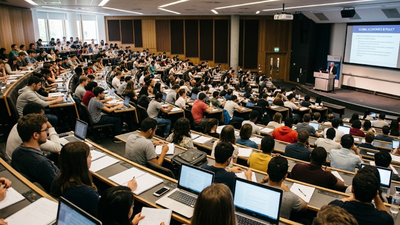
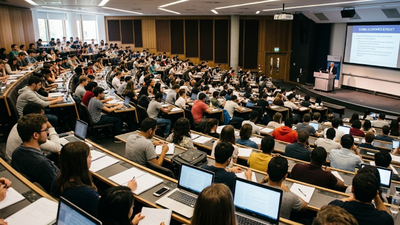
Universities in England will face fines of up to £500,000 or 2% of income for free speech failings under the new system.

Universities in England will face tougher scrutiny over free speech under a new complaints system that allows staff to take their concerns straight to the Office for Students (OfS), with them facing huge financial penalties if they fail to protect free speech, the BBC reports. From the next academic year, university staff will be able to bring complaints to the regulator, which can review cases, order changes and direct compensation. From April 2027, universities could be fined up to £500,000 or 2% of their income, raising the possibility of fines of several million pounds for larger institutions.“Freedom of expression is the foundation of the success of every university,” Education Secretary Bridget Phillipson was quoted as saying by the BBC. He said a number of incidents have created an “unacceptable culture of fear and stifling the pursuit of knowledge”. The system is based on free speech laws introduced in August 2025, although students will not be able to use the new route and will have to continue with existing complaint channels. An earlier proposal to allow individuals to take universities to civil courts has also been dropped. After many controversies, the pressure for reform has increased. The Free Speech Union said it has handled more than 5,700 cases over the past six years, in almost one in ten of which universities have failed to protect free speech. A previous fine of £585,000 imposed on the University of Sussex, which is now subject to legal challenge, has highlighted the scale of enforcement. Sector bodies have urged caution. Universities UK said the powers should be used “fairly, transparently and proportionately”. Malcolm Press said “complex and balanced decisions” are needed to prevent harassment, hate speech and radicalization, as well as protect free speech. Political reactions remain divided. Shadow Education Secretary Laura Trott said universities have been left subject to censorship with no clear routes to redress, adding that research has been silenced, controversial work stopped and institutions have been able to avoid accountability.

Source link

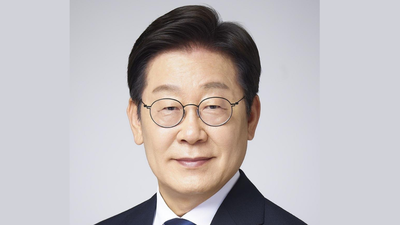
South Korea working with India to secure Hormuz, security of key maritime routes essential for survival of both nations: President Lee | India News

South Korea working with India to secure Hormuz, security of key maritime routes essential for survival of both nations: President Lee
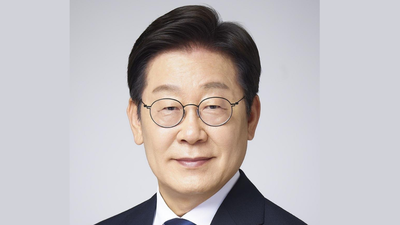
South Korean President Lee Jae Myung

Make in India, Together with Korea: Korean president backs Atmanirbhar BharatAs he arrived in India for a State visit, South Korean President Lee Jae Myung said Koreas and India must work closely as emerging global leaders amid heightened geopolitical uncertainty, and that the 2 countries can give a new direction to multilateralism when it’s faced with mounting challenges. In an exclusive interview to TOI, Lee said while Korea exemplified remarkable economic growth under the multilateral trading system, India stood well placed to shape new global rules with its economic scale and dynamism. On China’s dominance in critical minerals, Lee said that reducing excessive dependence on any single country had become a matter of survival, directly linked to the economic security of both India and South Korea.Speaking on the Hormuz crisis, the president said that ensuring the security of critical maritime routes is essential for the survival of both nations and Korea will work together to ensure freedom of navigation in the key energy waterway. With focus now on defence industrial collaboration, the president said Seoul will fully back India’s “independent production” of defence equipment, while exploring joint technology development and coproduction. In an exclusive interview to Sachin Parashar and Alpyu Singh, South Korean President Lee Jae Myung shared his vision for the special strategic partnership with India in key areas like trade, technology, critical minerals, defence and ship-building in which Seoul is a global leader.

Excerpts:

This is your first visit to India as president. How do you hope to further strengthen the special strategic partnership with India in the current circumstances, especially in key areas like trade, and critical and emerging technology? India – the world’s most populous country, the fourth-largest economy, and a leading voice of the Global South – is an ideal partner for the Republic of Korea. Our partnership rests not only on highly complementary economies, but also on shared core values of democracy and a market economy. At a time of heightened geopolitical uncertainty and mounting challenges to multilateralism, it is more imperative than ever that Korea and India work closely together as emerging global leaders. Building on our Special Strategic Partnership, we will deepen comprehensive ties of cooperation that drives mutual growth and innovation, while expanding our strategic horizons. A key priority is accelerating negotiations to upgrade the Comprehensive Economic Partnership Agreement (CEPA). Beyond traditional sectors such as electronics and automobiles, we will broaden cooperation into shipbuilding, finance, and the defense industry, bringing to life the vision of “Make in India, Together with Korea.” We will also step up collaboration in AI and digital technologies. Korea’s, world-class AI infrastructure and India’s vast pool of AI talent make us natural partners. Together, we will actively identify projects that generate meaningful synergy. At the same time, we will further expand cultural and people-to-people exchanges, the enduring foundation of our relationship. By bringing together India’s rich cultural assets, exemplified by Bollywood, and Korea’s globally influential K-Culture, we aim to create even greater synergy. Since my first meeting with PM Modi in Canada in June last year, I have felt a genuine warmth and familiarity, as if reconnecting with an old friend. I believe in our shared commitment to people-centered politics, holding on to hope even in times of adversity. It’s therefore especially meaningful, and a great pleasure, for me to visit India and meet PM Modi again. I am confident that this visit will mark an important milestone in further strengthening the friendship and trust between our two nations. Like India, South Korea is heavily dependent on safe passage of ships through the Strait of Hormuz for its energy needs. How can both countries work together to aid efforts to keep the key energy route open and minimise the impact of the West Asia crisis on global economy and energy security, as well as to de-risk supply chains globally? Both the Republic of Korea and India depend on the Middle East for a significant share of their energy supplies, including crude oil and natural gas. Accordingly, ensuring the security of critical maritime routes is essential to the safety of our peoples and the very survival of our nations.Korea will maintain close communication with India to ensure that all vessels can navigate the Strait of Hormuz safely and freely. We will also continue to work together in relevant international forums to uphold this shared commitment. Another task that our two countries must undertake together is diversifying energy supply chains. Amid growing uncertainties in the global economy, I am confident that forward-looking and strategic cooperation between Korea and India can substantially further our shared national interests.The strategic defence partnership has been strengthened by the co-production of K9 Vajra howitzers. How do you propose to take this partnership forward, especially in terms of technology-sharing that could boost India’s Atmanirbhar Bharat initiative? The Republic of Korea fully supports India’s Atmanirbhar Bharat initiative. It is a plan of significant industrial and economic potential, and I am confident that it will certainly be realized thanks to PM Modi’s steadfast commitment. However, self-reliance is difficult to achieve entirely on one’s own. Korea’s rapid industrial development and economic growth were made possible through considerable support and assistance from partner countries.In this regard, Korea seeks to serve as India’s key partner in advancing the Atmanirbhar Bharat initiative. In particular, the K9 Vajra howitzer project stands as an exemplary case of our bilateral defense and defense industry cooperation. The contract for the second phase of the K9 Vajra project, signed in April last year, provides for more than 60 percent of the manufacturing process to be carried out in India. It is currently being implemented smoothly, as planned. Building on such examples of cooperation, Korea will continue to provide full support for India’s independent production and operation of defense equipment. Moreover, we will discuss various avenues of cooperation in joint technology development and coproduction as well as operations and maintenance, so that both countries’ defense industry ecosystems can advance together. Both countries are exploring opportunities for cooperation in critical energy transition minerals – amid global efforts for resource diversification to avoid reliance on China – and also in areas like the maritime sector and shipbuilding in which South Korea is a global leader. Is there any roadmap that you have in mind for a more result-oriented partnership in these areas? With global supply chains undergoing reconfiguration, reducing excessive dependence on any single country has become a matter of survival, directly linked to the economic security of both nations. In particular, securing critical minerals, which are essential for cutting-edge industries, and stabilizing the maritime logistics networks for those resources will be key factors in national competitiveness going forward.India possesses critical minerals, while Korea has the capabilities to manufacture them into rechargeable batteries, electric vehicles and other advanced products. This makes our two countries ideal partners for generating synergy. By moving beyond the traditional model of importing raw material and combining Korea’s technology with India’s mining and refining industries, we can work together to establish stable critical-mineral supply chains. There is also boundless potential for bilateral cooperation in the shipping and shipbuilding sectors. For India to emerge as a global logistics and manufacturing hub, securing shipbuilding and maritime transport capabilities is essential.With world-class expertise in shipbuilding and shipping, as well as extensive experience in overseas port projects, Korea is well positioned to become India’s foremost partner. I understand that relevant MOUs are expected to be signed during the upcoming visit. I look forward to the day when vessels jointly built by our two countries sail across the world’s oceans. Now that there are question marks about the US commitment to the Indo-Pacific under President Trump – and with Washington’s focus shifting also to West Asia – how do you propose to work with like-minded countries to ensure a free and open Indo-Pacific? The world today faces complex and multi-layered crises. We are in a time of profound upheaval, as rising protectionism and the restructuring of global supply chains unsettle the foundation of the existing international order.The war in the Middle East has underscored the strategic reality that the Indian and Pacific Oceans form a single, interconnected maritime space – one whose stability no country can secure alone. Despite its intense dynamism and vast potential, the Indo-Pacific, has long remained more a beneficiary than a shaper of the international order, constrained by geopolitical tensions and the lack of institutional frameworks,Today, however, regional countries, including Korea, have the capacity to lead in strengthening multilateralism and advancing a rules-based order. At this critical juncture, Korea will work closely with regional partners, playing a bridging role to foster deeper cooperation and help anchor a more resilient regional order.As strategic coordination and unity across the Indo-Pacific have become ever more vital, my government will continue to expand cooperation with regional partners, including India. In this spirit, we participated this year in the International Fleet Review and the multilateral exercise MILAN hosted by India. We intend to join the India-led Indo-Pacific Oceans Initiative. Peace and prosperity are essential to realizing a free and open Indo-Pacific. To that end, we will deepen cooperation with key partners, including India, in strategic sectors such as shipbuilding, finance, AI, and the defense industry.Both India and South Korea have been at the receiving end of the US tariff policy. While Seoul has signed a trade deal under which it will invest $350 billion in US industries, India’s efforts for a bilateral trade agreement with Washington is still a work in progress. What’s the advice you can offer to New Delhi on managing the trade relationship with the US? Also, how can India and South Korea help in keeping the global trade framework multilateral, rules-based and inclusive?Korea and the US were able to reach a successful trade agreement last year because both sides pursued creative, pragmatic solutions.A key elementof the agreement – “strategic investment in the United States” –was based on a shared understanding that Korea’s manufacturing sector can contribute to the revitalization of U.S. manufacturing. This enabled both countries to address pending tariff issues in an amicable manner, ultimately laying the groundwork for advancing industrial and supply chain cooperation.India possesses vast market potential as well as the geopolitical advantage of being a main pillar of the Indo-Pacific region. Accordingly, I believe that, rather than simply weighing the costs and benefits of opening the market, a more effective strategy would be highlighting India’s pivotal role in global trade. There is no denying that, even as it faces significant challenges today, the multilateral trading system has long stood as a central pillar of the international order, driving shared growth over the past several decades. Going forward, one of our most important tasks will be to safeguard the inclusivity of this system by establishing new rules that reflect the realities of a changing world. In this respect, India and Korea can play especially significant roles. Korea stands as a prime example of a country that achieved remarkable economic growth under the multilateral trading system, while India – with its vast economic scale and dynamism – is well positioned to help shape the new rules. Together, our two countries can take multilateralism in a new direction.The Korean Wave has a growing fan base in India. How can both countries leverage this cultural connect to deepen people-to-people ties through tourism, culture, cinema, music, education and collaborations between more creative industries? Recently, Made in Korea, a Korea–India coproduction set in Korea, topped Netflix India’s weekly film chart, gaining enormous popularity. Beyond just being a successful film, Made in Koreastands as a prime example of our two nations’boundless potential for cultural exchanges.India is emerging as a new hub of the global cultural industry, driven by its young and dynamic demographic structure, abundant creativity and advanced technological capabilities. Last year, HYBE – the agency behind BTS – established a subsidiary in Mumbai, a clear testament to the growing importance of the Indian market for Korea’s cultural industry.Our cultural exchange must now evolve into an era of co-creation. With both countries possessingcompelling cultural assets, technological expertise and outstanding talent, opportunities for cooperation – from content coproductionto talent development –are virtually boundless.There is also considerable potential in cultural heritage. Cooperation between National Museum of Korea and India’s planned Yuge Yugeen Bharat National Museum – envisioned as the largest of its kind in the world – could create a new model for sharing our heritage with future generations.Korea–India cultural cooperation and co-creation are ultimately about building new value together while respecting each other’s stories. At its core are people. Through deeper and broader collaboration across culture, tourism, education and the creative industries, I aim to bring our peoples closertogetherand build a shared future of growth.There is a rising interest among Indians in learning the Korean language. What steps is South Korea taking to support language learning and youth engagement to strengthen long-term cultural connections?Recently, interest in the Koreanlanguage and culture has been growing rapidly in India. A survey conducted last year revealed that approximately 83.8 percent of Indians expressed favorable views toward Korean cultural content. Thisdeepening interest and affection will form the strongest possible foundation for exchanges and cooperation between our two nations. Of great importance is the virtuous cycle that occurswhen learning language enhances cultural understanding, and cultural exchanges go on toincrease interest in the language. Currently, over 5,000 Indian students are studying Korean at the seven Sejong Institutes run by the Korean government and in Korean language classes at 43 primary and secondary schools across India. The Korean government is assisting with dispatchingteachers and distributing textbooks to enable more Indian citizens to learn Korean. Going forward, we plan to helpprovide Indians with Korean language education training. Moreover, we will implement more cultural experience programs at the Sejong Institutes to create synergy between cultural exchanges and language learning. Mutual interest between our younger generations, which stems from an understanding of language and culture, will further enrich our countries’futures. Both countries have strong capabilities in AI, semiconductors and emerging technologies. Are there plans for joint innovation hubs or co-development initiatives to strengthen global competitiveness? What do you see as the biggest challenges hindering deeper India–Korea cooperation today and what structural reforms are needed to boost investor confidence and sustain long-term engagement? We are living in an era of “global technological hegemony,” where national power hinges on cutting-edge technologies like artificial intelligence and semiconductors. In this time of crisis, I am confident that both our countries’national interests will be greatly served if Korea’s world-class, state-of-the-art manufacturing capabilities are combinedwith India’s software and talented individuals. Mahatma Gandhi, the great soul of India, once identified“science without humanity” asone of the “seven social sins.” His words, which resonate today inthe notion of “AI without humanity,” speak to the depth of India’s potential in AI and other advanced technological fields. On the occasion of the upcoming visit, a Korea–India Industrial Cooperation Committee is set to be newly established between Korea’s Ministry of Trade, Industry and Resources and India’s Ministry of Commerce and Industry to discuss ways to enhance bilateral cooperation. In addition, an MOU will be signed between Korea’s Ministry of Science and ICT and India’s Ministry of Electronics and Information Technology to promote policy exchanges and joint research and development in the digital domain. I hope these initiatives will serve as a catalyst for broadening the scope of cooperation between our two countries. There are still severaltasks aheadto deliver tangible results. Most of all, it is essential to streamline complex administrative procedures and regulations centered onthe domestic market to create a free, predictable and transparent business environment. Such structural reforms will help our two countries earn trust from global investors and capital providersand emerge as true technology hubs.

Source link

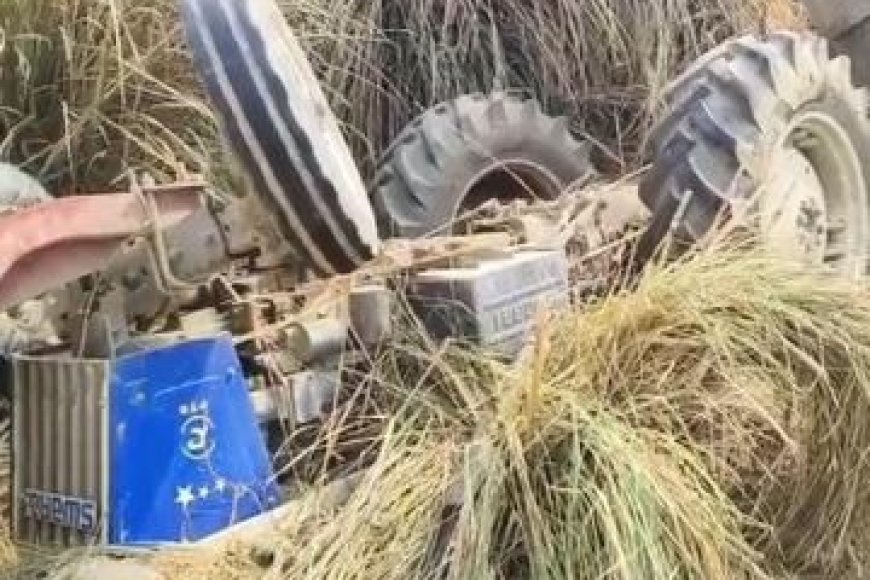
कौशांबी में सड़क हादसा, ट्रैक्टर की टक्कर से चपरासी की मौत

कौशांबी जिले में सोमवार सुबह एक दर्दनाक सड़क हादसा हुआ, जिससे पूरा इलाका दहल गया। सैनी कोतवाली क्षेत्र में तेज रफ्तार ट्रैक्टर ने बाइक सवार युवक को टक्कर मार दी, जिससे उसकी मौके पर ही मौत हो गई। मृतक एक स्कूल में चपरासी के पद पर कार्यरत था और रोजाना की तरह अपनी ड्यूटी पर जा रहा था. इस घटना के बाद परिवार में कोहराम मच गया है, वहीं पुलिस ने शव को अपने कब्जे में लेकर पोस्टमार्टम के लिए भेज दिया है.

कैसे हुआ हादसा?
यह घटना सैनी कोतवाली क्षेत्र के श्री का पुरवा गांव के पास की है. जानकारी के मुताबिक कखराली पर धुमाई गांव निवासी 35 वर्षीय हीरा लाल सोमवार सुबह करीब 10 बजे अपनी बाइक से स्कूल जा रहे थे। इसी दौरान तेज रफ्तार ट्रैक्टर ने उसे जोरदार टक्कर मार दी। टक्कर इतनी जोरदार थी कि हीरा लाल गंभीर रूप से घायल हो गया।

अस्पताल ले जाते समय मौत हो गई
घटना के बाद मौके पर मौजूद स्थानीय लोगों ने घायलों को तुरंत एंबुलेंस की मदद से जिला अस्पताल भेजा. लेकिन रास्ते में ही हीरा लाल की मौत हो गई. बताया जा रहा है कि वह राजकीय बालिका इंटर कॉलेज में चपरासी के पद पर तैनात था और रोजाना की तरह ड्यूटी पर जा रहा था.

परिवार में मचा हाहाकार
हीरा लाल की मौत की खबर मिलते ही उनके घर में मातम छा गया. उनकी पत्नी प्रीति, बेटे आदित्य व आर्यन और बेटी मधु का रो-रोकर बुरा हाल है। अचानक हुई इस घटना से पूरे गांव में मातम का माहौल है और लोग परिवार को सांत्वना देने आ रहे हैं.

पुलिस ने जांच शुरू की
सूचना मिलने पर पुलिस मौके पर पहुंची और शव को कब्जे में लेकर आवश्यक कागजी कार्रवाई पूरी की। इसके बाद शव को पोस्टमार्टम के लिए भेज दिया गया है. पुलिस मामले की जांच कर रही है और हादसे की वजह का पता लगाने की कोशिश कर रही है.

(रिपोर्ट: राम किशन, कौशांबी)

Source link

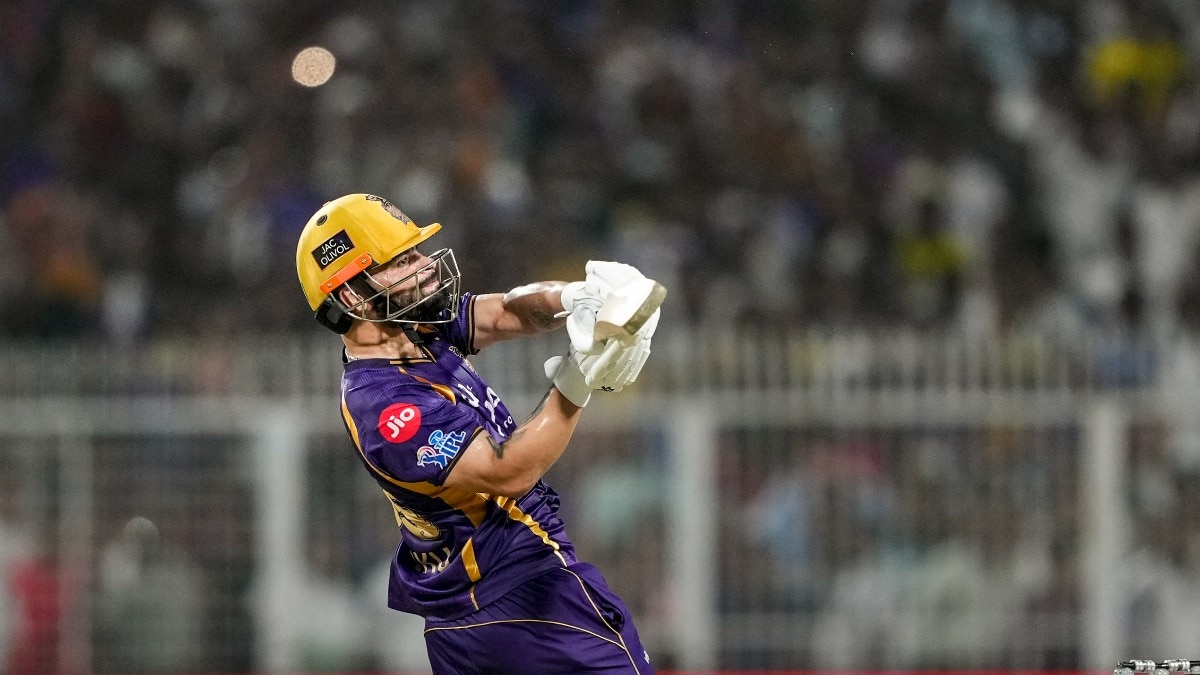
IPL 2026, KKR vs RR: Aakash Chopra says people used to talk nonsense and say Rinku Singh was good when he was poor

Former India opener and former Kolkata Knight Riders batsman Aakash Chopra came up with a strong defense of Rinku Singh on social media against trolls who criticized him during his poor spell in T20 cricket. On Sunday night at the Eden Gardens, Rinku smashed an unbeaten 53 off 34 balls to lead Kolkata Knight Riders to a thrilling win against Rajasthan Royals and turn the narrative from failure to finisher. KKR vs RR: highlight | Achievement:

Aakash Chopra expressed happiness for Rinku Singh, who played a key role in Kolkata Knight Riders’ first win of the season. The 28 year old was lucky When Rajasthan Royals dismissed him for 8 runsAnd they took advantage of this and saved KKR from 84 runs for 6 wickets while chasing the target of 156 runs.

The veteran commentator pointed to a troubling sentiment that has emerged during the southpaw’s recent decline in form: a classist nostalgia that suggests Rinku was a better cricketer when he was a disadvantaged underdog.

Chopra said in her YouTube show, “I feel very good for Rinku because she was being trolled a lot. What nonsense people say.” KKR won by four wickets.

“I have heard many people say that ‘Rinku was good when he was poor.’ Aren’t you ashamed to say this? How would you feel if someone said the same thing about you?”

This criticism highlights a deeper issue in the Indian sporting world – the tendency to romanticise a player’s struggles, but as their performance declines, their success is weaponized against them. Rinku’s difficulties were evident in the first five games of the 2026 season, yet Chopra was quick to remind critics of the player’s pedigree. A few months ago, Rinku suffered a personal defeat during India’s T20 World Cup campaign. To dismiss such a player as useless after a few matches is, in Chopra’s view, a collective failure of memory.

Chopra said, “People said he was a useless player. People forgot he was a world champion.” “He gets fewer chances. At the numbers he bats at, you can’t bat that well and this team hasn’t used him well. Everyone can go through bad form. Rinku was trolled as if he had murdered someone.”

The role of finisher is arguably the most volatile in T20 cricket. Coming in at number five or six, often with only a dozen balls remaining, there is little margin for error.

Chopra pointed out that inconsistency in KKR’s use of the middle order early this season compounded Rinku’s struggles, yet fans chose to take aim at the personal rather than the tactical setup.

How did Rinku deal with the noise?

While the noise on social media reached its peak, Rinku remained notably silent. His response came not through a tweet but through a thoughtful, cool innings in the light of Eden. Chasing a difficult target of 156 runs on a slow pitch, Rinku took charge of the game withstood the pressure under which some of the big names of the team including Ajinkya Rahane and Cameron Green crumbled.

Rinku and another lower-order all-rounder Anukul Roy added 76 runs for the seventh wicket to take KKR to the finishing line. As Rinku scored the winning runs to secure KKR’s first points of the season, familiar chants of his name began to echo through the stands, replacing the negative chatter.

Captain Rahane was also happy for Rinku Singh and Anukul Roy, admitting that Rinku has gone through a lot recently.

“Rinku Singh again, he was going through a tough phase mentally. Really happy to see him finish the game. And Anukul Roy, he had a great domestic season, he was a very confident guy. We wanted to give him that chance. Today, he couldn’t bowl because of the left-hand-right-hand combination. But it was really heartening to see how those two built a partnership for us,” Rahane said.

Rinku Singh lost her father during India’s T20 World Cup campaign. However, the Uttar Pradesh cricketer decided to return to attend his funeral and join the team that eventually won the trophy.

Rinku and KKR will be hoping that the crucial match-winning innings in Kolkata will be the beginning of a turnaround for the left-handed batsman. Having not scored more than 200 runs since the 2023 season, the finishers will be keen to maintain the momentum they found against the Royals.

ipl 2026 | ipl schedule | ipl points table | ipl player stats | purple cap | orange cap | ipl video | cricket news | live score

– ends

published by:

Akshay Ramesh

Published on:

April 20, 2026 14:16 IST

Source link

7.4 magnitude earthquake: Tsunami seen off Japan coast; Bullet train operations stopped

7.4 magnitude earthquake: Tsunami seen off Japan coast; Bullet train operations stopped

a huge Earthquake A 7.4 magnitude typhoon struck the northeast coast of Japan on Monday. According to the Japan Meteorological Agency, a tsunami warning has been issued after the earthquake.The earthquake struck at 4.53 pm local time (0753 GMT) in the Pacific Ocean near northern Iwate Prefecture at a depth of 10 km. The tremors were so powerful that buildings as far away as Tokyo, several hundreds of kilometers from the epicenter, shook.According to Reuters quoting Japan media NHK, powerful seismic activity caused a tsunami on the coast.It issued warnings of tsunami waves up to 3 meters (10 ft) high in Iwate Prefecture and parts of Hokkaido. Additionally, according to Kyodo, operations on the Tokyo-Aomori Bullet Train Line were halted following the strong earthquake that struck Japan.The weather agency warned that tsunami waves could reach the northern coast almost immediately. “Immediately evacuate coastal areas and riverside areas to a safe place such as higher ground or an evacuation building,” it said. It has been warned that there is a possibility of damage due to tsunami waves. It says, “There is a possibility of repeated tsunami waves. Do not leave the safe place until the warning is lifted.”

Source link

10 tallest waterfalls in the world: From Angel Falls in Venezuela to Olo’upena Falls in the US world News

10 tallest waterfalls in the world: From Angel Falls in Venezuela to Olo'upena Falls in the US

Waterfalls remain attractive sites around the world and attract tourists not only because of their natural beauty but also because of their height. While some may be wide, other waterfalls are narrow and flow from great heights. In fact, height becomes the primary aspect of comparison between different waterfalls of the world. They can be found in a wide variety of habitats, from rainforests to mountainous areas. There are notable waterfalls around the world that have gained popularity due to their extraordinary height.The top 10 tallest waterfalls in the world, according to World Atlas and WorldStats, are listed below in order of height.

list of highest waterfalls in this world

Post
name of waterfall
Country
height feet)
1 Angel Falls Venezuela 3,212
2 Tugela Falls South Africa 3,110
3 Tres Hermanas Falls peru 2,999
4 Olo’upena Falls United States of America 2,953
5 Yumbila Falls peru 2,940
6 vinfosen norway 2,822
7 Balåifossen norway 2,789
8 Pu’uka’oku Falls United States of America 2,756
9 James Bruce Falls Canada 2,756
10 Brown Falls new zealand 2,743

Highest waterfalls in the world: Angel FallsTugela Falls, Olo’upena Falls and more

Angel Falls

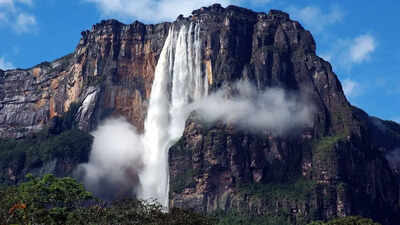
Angel Falls remains the tallest waterfall in the world with a total height of 3,212 feet and is also recognized by the Guinness World Records. It falls from Auyan-Tepui, one of many flat-topped mountains in the region. The height is so high that water does not always fall as a continuous stream. The waterfall falls into the Carao River below. Its location inside the Canaima National Park makes it relatively remote, usually requiring river travel or small aircraft to reach.

Tugela Falls

Tugela Falls is the second tallest waterfall globally, reaching a height of approximately 3,110 feet. It is located in the Royal Natal National Park, part of the larger Drakensberg mountain range. Unlike Angel Falls, Tugela Falls does not have a single vertical drop. It is formed by a series of waterfalls that descend from the mountain. The Tugela River supplies its flow, and the amount can vary depending on rainfall patterns and seasonal changes.

tres hermanas

Tres Hermanus Falls is in third place, with a height of about 2,999 feet. It is located within the Otishi National Park. The waterfall descends in several steps amidst dense vegetation, giving it a fragmented appearance.

Olo’upena Falls

Olo’Upena Falls, located on the island of Molokai in Hawaii, ranks fourth in the world. Its length is approximately 2,953 feet. The waterfall is largely inaccessible from land, limiting direct observation.

Yumbila Falls

Yumbila Falls ranks fifth globally. Its height is approximately 2,940 feet and it is formed by the Utubamba River. The structure is tiered, with several visible drops that together make up its total height.

vinfosen

Vinnufossen is the tallest waterfall in Europe, reaching a height of approximately 2,822 feet. It is located in a valley where water flow largely depends on snow melting. This water flows into the Vinnu River, descending for about 990 meters before spilling over the banks. It eventually joins the Dryava River below.

Balåifossen

Balåifossen descends from a height of 2,789 feet. The waterfalls are influenced by the region’s cool climate and mountainous terrain, which maintain flow during the warmer months when the snow begins to melt.

Pu’uka’oku Falls

Pu’u’uka’oku Falls in the United States shares a similar environment, falling along steep coastal cliffs with a drop of 2,756 feet. Pu’u’uka’oku Falls falls from one of the world’s tallest sea cliffs, contributing to its total height.

James Bruce Falls

James Bruce Falls, in Canada, is the tallest waterfall in North America. It originates in an ice field and flows into Princess Louisa Inlet, maintaining a strong seasonal flow.

Brown Falls

Brown Falls is at number ten on the list. It has a height of 2,743 feet and is located in the Fiordland National Park on the South Island of New Zealand. The waterfall originates from a glacial lake and descends into Doubtful Sound. The surrounding area is covered with dense rainforest, which contributes to a stable water supply throughout the year.

Source link

‘Rs 37 lakh cash, gold, silver coins seized’: CBI arrests DGCA Deputy Director General in bribery case. india news

'Rs 37 lakh cash, gold, silver coins seized': CBI arrests DGCA Deputy Director General in bribery case

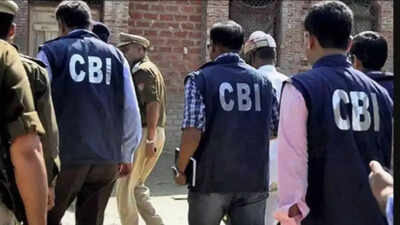
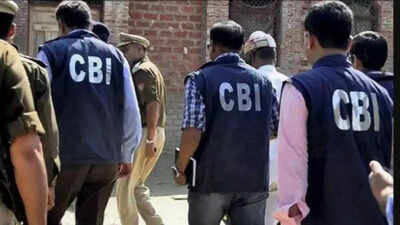
New Delhi: The Central Bureau of Investigation on Sunday arrested a senior DGCA official and a representative of a private company in a bribery case worth Rs 2.5 lakh.According to an official statement, the officer was the Deputy Director General in the Directorate of Airworthiness at the Directorate General of Civil Aviation headquarters in New Delhi.“The CBI has registered an instant case on 18.04.2026 against an officer of the Directorate General of Civil Aviation (DGCA) as well as a representative of a private company based in New Delhi alleging that the accused public servant of the DGCA had demanded undue favors from private persons in return for clearance of applications and issuance of permissions pending with the DGCA,” the investigating agency said.Later, the central agency also searched premises belonging to the accused and other private persons at four locations.

voting

According to you, what is the main way to reduce corruption in government departments?

“Consequently, searches were conducted by CBI at the premises of the accused public servant and other private persons at 04 locations in Delhi, resulting in seizure of cash, gold and silver coins and several digital devices worth Rs 37 lakh,” the statement said.According to the statement, the searches resulted in the seizure of Rs 37 lakh in cash, gold and silver coins and several digital devices.

Source link

भीमताल: समुदाय विशेष के युवक ने नाम बदलकर किया लड़कियों का शोषण, भाजपाइयों ने बाजार बंद कर थाने का किया घेराव – भीमताल में समुदाय विशेष के युवक ने नाम बदलकर किया लड़कियों का शोषण

भीमताल में समुदाय विशेष के युवक पर नाम बदलकर धोखाधड़ी करने और लड़कियों के शोषण के आरोप को लेकर भाजपा नेताओं और व्यापारियों ने बाजार बंद कर दिया और थाने का घेराव किया।


भीमताल में एक समुदाय विशेष के युवक ने नाम बदलकर लड़कियों का शोषण किया

विरोध प्रदर्शन करते भाजपा नेता और व्यापारी।
– फोटो : संवाद


विस्तार

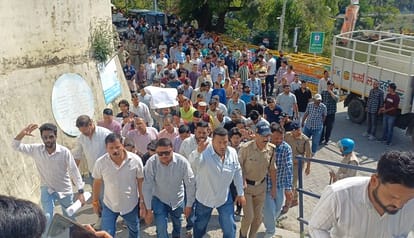
भीमताल में समुदाय विशेष के युवक पर लड़कियों का शारीरिक शोषण करने, आर्थिक शोषण करने और नाम बदलकर धोखाधड़ी करने का आरोप लगाते हुए भाजपा नेताओं और व्यापारियों ने भीमताल बाजार बंद कर थाने का घेराव कर प्रदर्शन किया।


Source link

मर जाऊंगा तो बेटियों को भी ले जाऊंगा…कानपुर घटना से पहले हत्यारे पिता ने क्या कहा? एक खौफनाक कहानी सामने आई

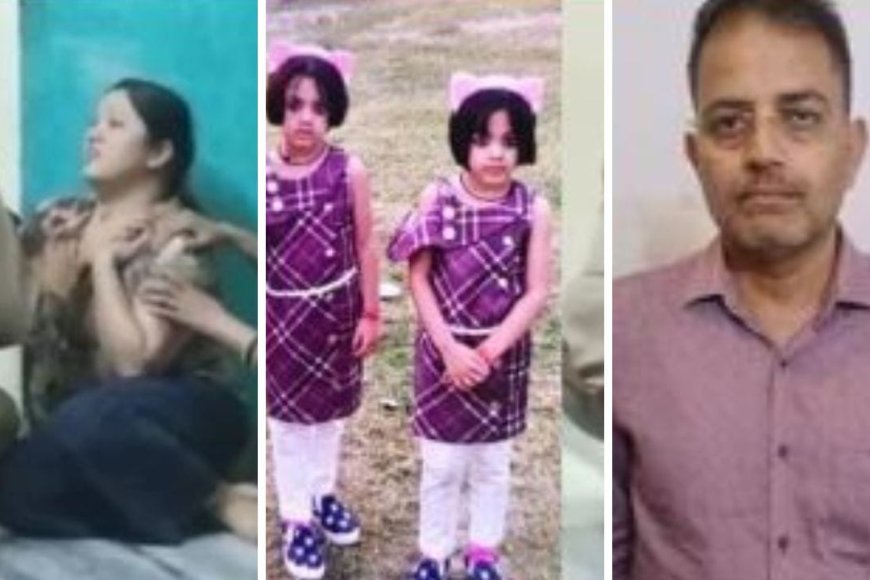
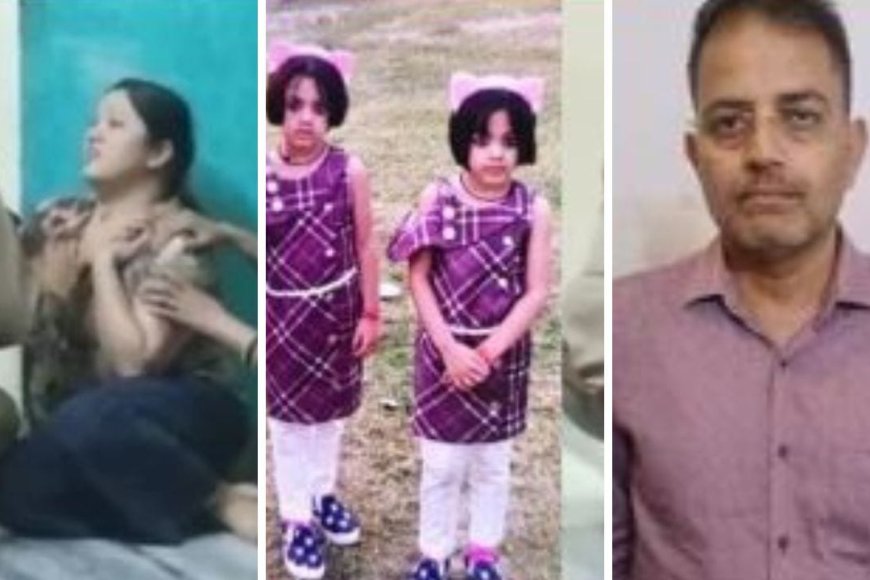
कानपुर समाचार: उत्तर प्रदेश के कानपुर से एक दिल दहला देने वाला मामला सामने आया है, जहां एक पिता की क्रूरता ने पूरे इलाके को झकझोर कर रख दिया. आरोपी शशि रंजन मिश्रा ने अपनी 11 साल की जुड़वां बेटियों की बेरहमी से हत्या कर दी. यह घटना तब सामने आई जब आरोपी ने खुद पुलिस को फोन कर अपने अपराध की जानकारी दी. जब पुलिस मौके पर पहुंची तो कमरे का नजारा देखकर सभी दंग रह गए। शुरुआती जांच में पता चला है कि आरोपी काफी समय से मानसिक तनाव और आर्थिक तंगी से जूझ रहा था, जिसके चलते इस खौफनाक वारदात को अंजाम दिया गया.

हत्या की योजना पहले से बनाई गई थी
पुलिस पूछताछ में आरोपी ने बताया कि उसने 18 अप्रैल को ही अपनी बेटियों की हत्या करने की योजना बना ली थी. इसके लिए उसने काकादेव इलाके से 500 रुपये में धारदार चापड़ खरीदा। घटना की रात उसने अपनी बेटियों के खाने में नशीली गोलियां मिला दीं। जब दोनों लड़कियां बेहोश हो गईं तो उसने पहले उनका गला दबाया और फिर चप्पल से उनका गला रेत दिया.

आर्थिक तंगी और डिप्रेशन से परेशान थे
शशि रंजन मिश्रा पहले मेडिकल रिप्रेजेंटेटिव के रूप में काम करते थे, लेकिन नौकरी छूटने के बाद बेरोजगार हो गए। आर्थिक तंगी और डिप्रेशन के कारण वह शराब और ड्रग्स के आदी हो गए। उसने पुलिस को बताया कि वह अपनी बेटियों से बहुत प्यार करता था और उनके भविष्य को लेकर चिंतित था. इसी डर के चलते उसने यह खौफनाक कदम उठाया।

घर में लगे सीसीटीवी और संदेह का माहौल
आरोपी की पत्नी रेशमा के मुताबिक, उनकी शादीशुदा जिंदगी काफी तनावपूर्ण थी. शशि को अक्सर उस पर शक था और उसने उस पर नजर रखने के लिए घर में सीसीटीवी कैमरे लगा रखे थे। घटना की रात रेशमा अपने 6 साल के बेटे के साथ अलग कमरे में सो रही थी, जबकि शशि अपनी बेटियों के साथ दूसरे कमरे में थी. रात करीब 2.30 बजे तक लड़कियां जिंदा थीं, इसका सबूत सीसीटीवी फुटेज में मिला है.

खुद पुलिस को सूचना दी, तब खुलासा हुआ
बेटियों की हत्या के बाद शशि ने खुद भी आत्महत्या करने की कोशिश की, लेकिन हिम्मत नहीं जुटा सका. सुबह करीब साढ़े चार बजे उन्होंने पुलिस को फोन कर घटना की जानकारी दी. पुलिस के पहुंचने तक मां को इस घटना की जानकारी तक नहीं थी. जब सच्चाई सामने आई तो पूरा परिवार हैरान रह गया।

पुलिस ने मामला दर्ज कर लिया है, जांच जारी है
डीसीपी साउथ दीपेंद्र चौधरी के मुताबिक, पत्नी रेशमा की शिकायत पर नौबस्ता थाने में आरोपी के खिलाफ एफआईआर दर्ज कर ली गई है. पुलिस की जांच में आर्थिक तंगी, डिप्रेशन और पारिवारिक विवाद जैसे कई कारण सामने आए हैं. फिलहाल आरोपी पुलिस की हिरासत में है और मामले में आगे की कानूनी कार्रवाई चल रही है.

Source link