Class 12 results: Science pass rate rises to 89.79%; Arts, Commerce Dip | guwahati news

Class 12 results: Science pass rate rises to 89.79%; Arts, Commerce Dip

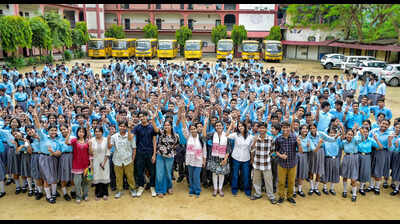
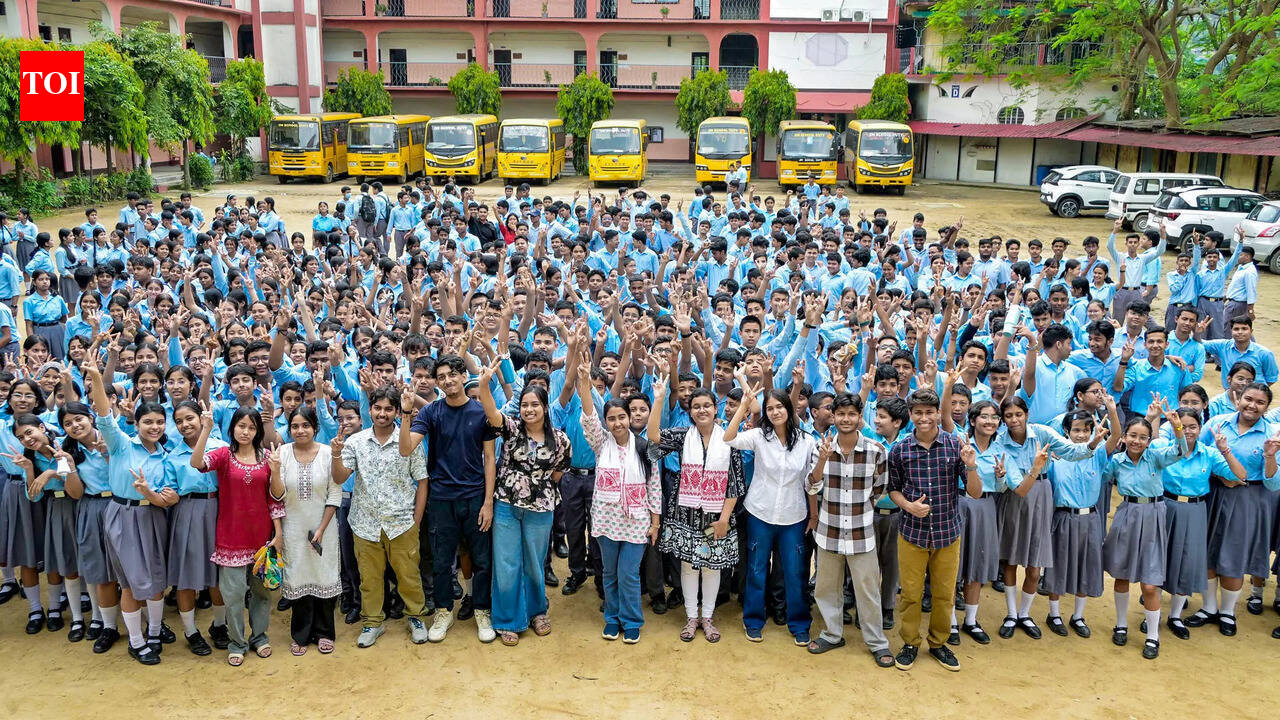
Guwahati: The Assam Class 12 Board results declared on Tuesday saw a five percentage point increase in the science pass rate, while a slight decline was recorded in arts and commerce.Science increased to 89.79% from 84.88% last year. Commerce fell from 82.18% to 81.13% in 2025, and Arts fell from 81.03% to 79.54%. 74.19% students passed in the vocational stream.Assam State School Education Board did not release the list of rank holders. The passing out students celebrated on school campuses, distributing sweets and bursting crackers with teachers and friends.Arts was the top choice among girls, while most boys preferred commerce, science and professional streams. The passing percentage of girls was higher than that of boys in all four streams.The gender gap was highest in Arts and Vocational: in Arts 81.96% girls passed compared to 76.10% boys, and in Vocational 76.74% girls passed compared to 72.42% boys. In Science, the passing rate of girls was 90.80% while the passing rate of boys was 89%. In Commerce, 82.67% girls passed compared to 80.45% boys.Over 3.3 lakh candidates—the highest number ever in the Class 12 history of Assam State Board—appeared for the examination. Officials said the overall performance was satisfactory, especially in science.CM Himanta Biswa Sarma wrote in a social media post: “But remember, this is a step towards a very bright and dynamic future for all of you, as India and Assam offer great opportunities in every field to fulfill your dreams today.”Last year, the pass percentage in all three major streams had declined by 5%-7%, and officials and academicians were closely watching this year’s results after the implementation of NEP.Education Minister Ranoj Pegu said the overall pass percentage rate has increased by 2% and attributed this to the Chief Minister Nijut Moina (MMNM) scheme launched two years ago to promote higher education among girls and curb child marriage. Under the scheme, the state government provides monthly financial incentives to girl students from class 11 to postgraduate level.In Arts, the highest number of 2,41,124 candidates voted – 1,41,534 girls and 99,589 boys. There were 19,469 candidates in Commerce – 5,945 girls and 13,524 boys. There were 60,667 candidates in Science – 26,474 girls and 34,193 boys. There were 602 girls and 863 boys in vocational.

Source link

FIFA World Cup 2026: Major yellow card rule changes explained as new system affects every country | international sports news

FIFA World Cup 2026: Major yellow card rule changes explained as new system affects every country
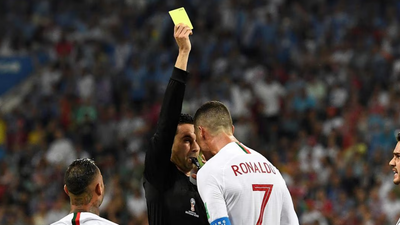
Mexican referee Cesar Ramos (C) shows a yellow card to Portugal forward Cristiano Ronaldo/ Source: AFP

A rule that decides who plays and who doesn’t play in the biggest matches is set to change in the FIFA World Cup 2026, and it will apply to all 48 teams in the expanded tournament.Spanning the United States, Canada and Mexico, the competition is larger than any held before the World Cup. It is no longer a 32-team tournament that moves quickly from the group stage to a compact knockout bracket, but a 48-team tournament with more matches, more rounds and a longer path to the final.This expanded structure is the reason why FIFA is rethinking how yellow cards are taken and removed once the tournament begins.

How the 2026 Format Really Works, Step by Step

The tournament begins with the 48 teams divided into twelve groups, Group A to Group L, each consisting of four teams. Each team plays three matches in this stage, facing the other teams in its group once each. From there, qualification into the knockouts takes place at two levels. The first part is simple: the first and second placed teams advance automatically in each group, which consists of 24 teams. The second part is where this format differs from earlier World Cups. All twelve third-place teams are placed in the same table and ranked using their results, first points, then goal difference, then goals scored, and the best eight of those twelve also advance. This gives you 32 teams, this is where the knockout stage begins. This is a straight elimination bracket. The Round of 32 is effectively the first knockout round, where those 32 teams are paired and half of them are eliminated in one match. The 16 winners move on to the Round of 16, which works in the same way, reducing the field to eight teams for the quarter-finals. From there, the tournament narrows down to four teams in the semifinals, and finally two teams compete in the finals.

fifa world cup 2026

fifa world cup 2026 groups/fifa

Because of that additional round of 32, the teams that reach the final now play eight matches instead of seven, and the entire tournament stretches to 104 games. That extra match before the quarter-finals is a small structural change that has forced FIFA to rethink the way it deals with yellow cards.

What does a yellow card actually do, and what does “wipe” mean?

A yellow card is a formal warning given by the referee for foul or misconduct. A yellow card does not in itself suspend a player, but it remains on their record for the duration of the tournament. If a player accumulates two yellow cards in different matches, he is suspended for the next game. The phrase “wiping” or “wiping” yellow cards simply means that prior cautions are erased from the player’s total. Once a wipe occurs, the player effectively starts over with a clean slate, and any previous yellow cards no longer count toward the suspension. Without that reset, yellow cards will continue to stack over multiple rounds, making it easier for a player to reach that two-card limit over a longer period of matches.Must read: Everything needs to go right for Messi and Ronaldo to meet for the last time in the World Cup

what happened in the last world cup

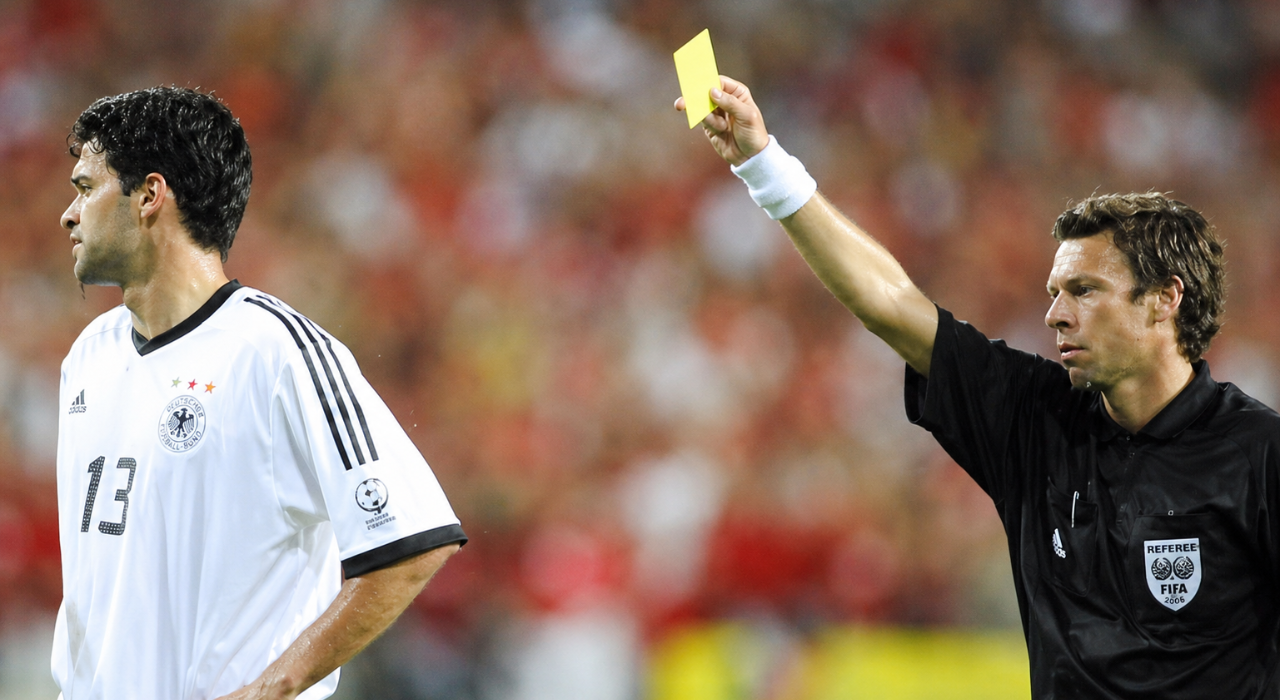
In earlier editions of the World Cup, before 2010, yellow cards were reset after the group stage rather than the knockout round. This means that any booking made after the Round of 16 will continue for the rest of the tournament, increasing the risk of suspension in the knockout stage.Under those rules, a player who received two yellow cards in the round of 16, quarter-finals and semi-finals would face a one-match suspension, even if it meant missing the final. There was no late-stage reset to protect the players, so a single caution in the semi-final could prove decisive if it followed an earlier booking.That system has led to some of the most painful moments in World Cup history. In the 2002 tournament, Michael Ballack had already been booked in the knockout stage, receiving his first yellow card in the round of 16 against Paraguay. When he drew another caution for a tactical foul on Lee Chun-soo in Germany’s semi-final against South Korea, the automatic suspension was triggered.

Michael Ballack

Swiss referee Urs Meier (right) gives a yellow card to Germany’s Michael Ballack (left) in the World Cup semi-final match against South Korea in Seoul on 25 June 2002. Ballack will miss the World Cup final due to suspension after picking up two yellow cards. Germany won 1–0 and will play in the World Cup final on June 30.

Germany lost 2–0 to Brazil in the final and Ballack, arguably their most influential midfielder, could only watch from the sidelines. His absence became one of the defining examples of how the old system could affect the biggest match, and it later contributed to FIFA making rule changes from 2010, when yellow cards began to be sanctioned after the quarter-finals to prevent similar situations. It’s the kind of scenario the system has always risked: a player missing the biggest match because of two warnings in different rounds.

Why doesn’t the old system fit into the new format?

The expansion to 48 teams introduces an additional knockout round, meaning more matches will be played before reaching the quarter-finals. Under the old rules, a player could now pick up two yellow cards in five matches, three in the group stage, again in the Round of 32 and the Round of 16, and be suspended before the tournament even reached the final stage. FIFA’s concerns, as reported athletic And bbc sportThis means that many players will book during the competition and miss out on key knockout matches as the accumulation window has become longer.

What changes in 2026, and how it works in practice

According to reports, to deal with this, FIFA is planning to introduce a second reset point. Yellow cards will now be erased at the end of the group stage and again after the quarter-finals. In simple words, the tournament has been divided into two different blocks for disciplinary purposes. Three group-stage matches form a block. If a player is booked twice within those three games, they will be suspended, but after the group stage ends, those yellow cards will be completely cleared. The knockout rounds from the round of 32 to the quarter-finals form the second block. A player who picks up two yellow cards in that sequence will also be suspended, but those bookings will be wiped out again after the quarter-finals. This shortens the window in which yellow cards can accumulate. Bookings in the group stage no longer take a player to the knockouts, and bookings at the start of the knockout stage no longer take a player to the semi-finals.

Why does FIFA believe this is more appropriate?

The principle has not changed, two yellow cards still lead to a suspension, but the context for counting those cards has been tightened to match the longer format. Instead of penalizing a player for cautions spread across an entire tournament, the system now focuses on smaller, more immediate sequences of matches. This reduces the chances of key players missing out on decisive knockout games while maintaining a clear disciplinary line. In a tournament that has grown in size, length and complexity, it is a small rule change, but it is designed to put the biggest matches on the pitch rather than being decided by players out of caution weeks in advance.

Source link

आर्ट ऑफ लिविंग का 45वां स्थापना वर्ष:राज्यपाल गुरमीत सिंह बेंगलुरु पहुंचे; श्री श्री रविशंकर से मुलाकात – आर्ट ऑफ लिविंग की 45वीं स्थापना वर्षगांठ पर उत्तराखंड के राज्यपाल ने बेंगलुरु में श्री श्री रविशंकर से मुलाकात की

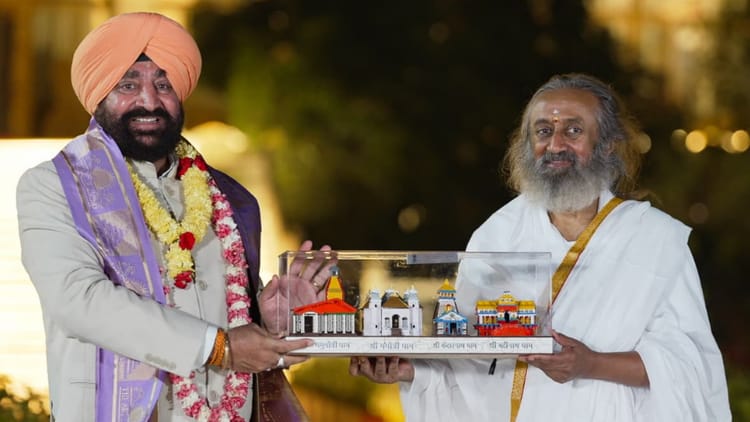
गवर्नर लेफ्टिनेंट जनरल गुरमीत सिंह (सेवानिवृत्त) ने हाल ही में आर्ट ऑफ लिविंग फाउंडेशन के इंटरनेशनल सेंटर में आध्यात्मिक नेता श्री श्री रविशंकर से मुलाकात की। ये मौका खास था, क्योंकि संस्था अपनी स्थापना के 45वें साल में प्रवेश कर रही है.

आश्रम परिसर में राज्यपाल का जोरदार स्वागत किया गया. इसके बाद उन्होंने प्रतिष्ठित एम्फीथिएटर में आयोजित विशेष सत्संग में हिस्सा लिया, जहां बड़ी संख्या में साधक मौजूद थे. अपने प्रवास के दौरान उन्होंने परिसर का दौरा किया और अत्याधुनिक गौशाला का भी दौरा किया, जो देशी नस्लों के संरक्षण और टिकाऊ जीवन शैली के लिए जाना जाता है।

राज्यपाल ने संस्कृत और कंप्यूटर विज्ञान के बीच समानताएं बताईं और कृत्रिम बुद्धिमत्ता के भविष्य को “सर्वोच्च बुद्धिमत्ता” और “ब्रह्मांडीय बुद्धिमत्ता” की ओर विकसित होने वाला बताया। वैश्विक शांति की आवश्यकता पर बल देते हुए उन्होंने कहा कि दुनिया को और अधिक शांतिपूर्ण बनने की दिशा में सामूहिक प्रयास करने होंगे। उन्होंने शांति के मंत्र के साथ अपने विचारों का समापन किया।

उत्तराखंड: विस के विशेष सत्र में शिक्षा मंत्री का ऐलान, छात्र संघ चुनाव में छात्राओं को 50% प्रतिनिधित्व

आपको बता दें कि साल 1981 में स्थापित आर्ट ऑफ लिविंग फाउंडेशन आज 182 देशों में सक्रिय है। ध्यान, शिक्षा, पर्यावरण संरक्षण और आपदा राहत जैसे कार्यों के माध्यम से यह करोड़ों लोगों तक पहुंचा है।

उत्तराखंड में संगठन ने 2013 की आपदा और 2025 में उत्तरकाशी और धराली में आई आपदा के दौरान राहत कार्यों में महत्वपूर्ण योगदान दिया। इसके अलावा प्राकृतिक खेती, महिला सशक्तिकरण और ग्रामीण विकास के क्षेत्र में भी उल्लेखनीय कार्य किया जा रहा है।

Source link

Second phase of trust vote in West Bengal: Who will win the Matua vote? | india news

Second phase of trust vote in West Bengal: Who will win the Matua vote?

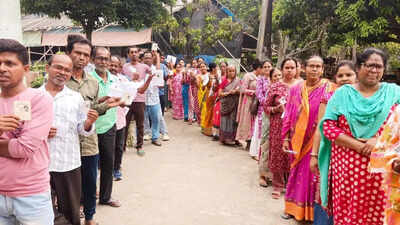
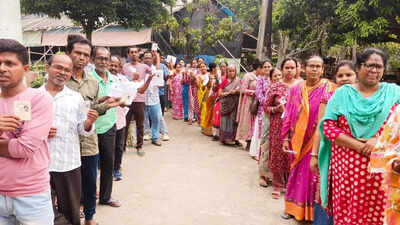
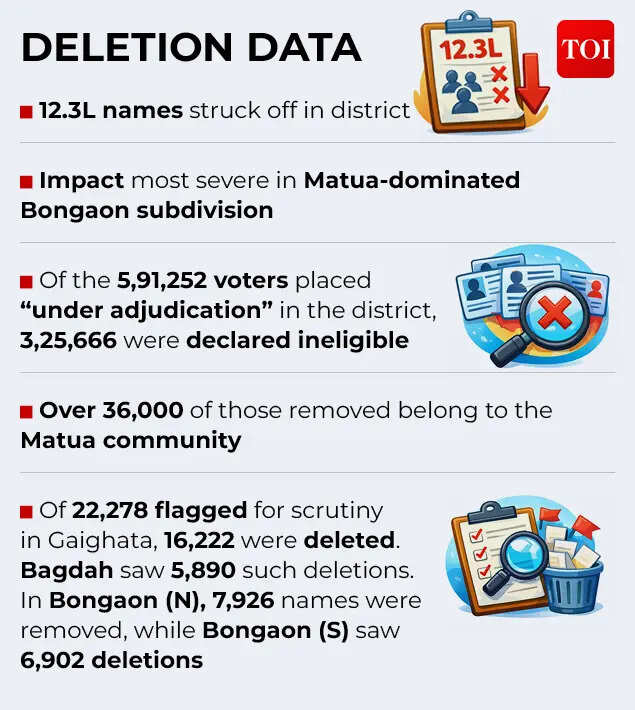
New Delhi: As West Bengal goes to vote for Phase 2 on Wednesday, the Matua community could emerge as kingmakers in this high-stakes election.In Phase 2, the Motua-dominated belt of North 24 Parganas and Nadia could be the deciding factor in the big battle of TMC versus BJP. However, ahead of voting, a large section of voters are unsure whether they will be able to vote.The uncertainty has arisen from the Special Intensive Revision (SIR) of electoral rolls, which has led to significant deletions in Matua-heavy constituencies. In North 24 Parganas alone, around 3.25 lakh names have been removed from the voter list. Data from the main Matua pocket, Bongaon subdivision, shows that the deletion rate among those placed under the decision ranges between 67 per cent and 88 per cent.

Watch

Who are Matua-Namasudras? Citizenship, SIR and their role in West Bengal elections

In Gaighata, 16,222 out of 22,278 marked voters were deleted, while in Baghdadh more than 15,000 deletions were recorded. Similar patterns have been reported in Bongaon North and South.In Nadia constituencies like Krishnanagar North, Krishnanagar South and Ranaghat areas, more than 90 per cent of the people who came under scrutiny did not make it to the final list. Administrative estimates show that a large proportion of the affected people are from the Matua Namasudra community.The scale of the extinction comes at a time when the community is in the midst of a long-delayed citizenship process.

worrying overlap

Of the nearly 1.12 lakh applications filed across West Bengal after the Citizenship Amendment Act (CAA) rules were notified in March 2024, only 15,000 have been approved so far. Of these, more than 50,000 applications are from North 24 Parganas and Nadia, the same districts now witnessing large-scale voter boycott.This overlap has raised concerns at the ground level. In many localities, residents who have been living and voting in these areas for decades say their names have been marked as “pending” or removed altogether.

deletion data

sir data

“We were promised citizenship but never got it. Now we are helpless,” Sukhomoy Halder, a resident of Gaighata, told TOI.Ramesh Gayen of Baghdad, who applied for citizenship months ago, said delays in the process mean he won’t be able to vote in this election. Yogesh Biswas from the same area said he had earlier refrained from applying in the hope of clarity, but now he too was at risk of being excluded.

politics on purification

The political reaction has been sharp and contradictory. The Trinamool Congress (TMC) has alleged that the SIR exercise is designed to disenfranchise Matua voters, while local BJP leaders and workers in some constituencies have also criticized the scale of deletion.In Baghdad and Gaighata, protests and defection have been reported, with some party workers openly protesting the selection of candidates and linking their anger to being excluded from the voter list. However, at the national level, the Prime Minister Narendra Modi Tried to reassure the community. Addressing rallies in Bengal, he said the Matua and Namasudra families would get citizenship and “all the benefits that an Indian citizen is entitled to” under the Citizenship Amendment Act (CAA). PM Modi also offered prayers at the Matua Thakur temple in North 24 Parganas and reiterated his government’s resolve to rapidly provide Indian citizenship to its members at a public meeting.While the PM in his rally on Sunday asked Matua and other Hindu refugees from Bangladesh not to pay heed to TMC’s claims, Home Minister Amit Shah and other BJP campaigners have been emphatic in underlining the party’s commitment to their welfare.The assurance comes as the Bharatiya Janata Party (BJP) is attempting to retain support in the region that significantly contributed to its rise from 2 Lok Sabha seats in 2014 to 18 in 2019. Yet, at the ground level, the immediate concern is not long-term policy but current entitlements. In North 24 Parganas, where the Matuas constitute almost 30 per cent of the population and affect 33 assembly seats, many voters are grappling with the question of whether their names will be restored on time or whether applying for citizenship will affect their status and whether they will be able to participate in the April 29 voting process.

Can the group swing Bengal?

The risk of this uncertainty is very high due to the electoral weight of the community. The population of Matua Namasudra is estimated to be about 17 to 18 percent of the population of West Bengal, with a higher concentration in the border districts. Their presence extends to North and South 24 Parganas, Nadia, Howrah, Cooch Behar and parts of North Bengal.Election analysts estimate that Matua voters influence the results on 60 to 65 assembly seats. In the second phase alone, they are a significant factor in 21 constituencies. In hotly contested elections, this scale of influence gives the community an advantage that political parties cannot ignore.This is clear from recent election trends. In 2019, the BJP made big gains in Bengal, winning 18 Lok Sabha seats, driven by support in Matua dominated areas like Bongaon and Ranaghat. In the 2021 assembly elections, it won 9 out of the 21 seats where Matua voters are the deciding factor. Even in 2024, when its numbers declined, it still retained the lead in many of these segments. The TMC, which had earlier built strong support through welfare measures and refugee resettlement, has been seeing the community at the center of its election strategy. The result is fierce competition for a vote bank that is both large and increasingly vocal.

From caste margin to political center

The political importance of the Matua Namasudra community lies in its history. The Namasudras were once among the most marginalized caste groups in East Bengal, occupying the lowest rung of the social hierarchy. Their claim began in the nineteenth century under the leadership of Harichand Thakur, who founded the Matua movement as a rejection of caste discrimination and a call for respect and equality.His son Guruchand Thakur expanded the movement by promoting education and political awareness. Matua identity became a religious and social force, offering an alternative to both caste oppression and religious conversion pressures.Partition disrupted this trajectory. Over several decades, especially during the riots of the 1950s and the war of 1971, large numbers of Namasudras migrated to East Pakistan and later Bangladesh. They arrived in West Bengal as refugees, often settling in colonies with limited infrastructure and economic opportunities.Thakurnagar in North 24 Parganas emerged as the center of the Matua movement in India, which weaves together faith, memory and identity. Over time, this shared experience of displacement transformed into political consciousness.

an unfulfilled promise

For decades, the question of citizenship remained unresolved for many in the community. The CAA was seen as a turning point, providing a path to formal recognition for non-Muslim refugees from neighboring countries.This was not just a legal provision for the Matuas. It was linked to their history of displacement and their search for belonging. The promise of citizenship holds both practical and symbolic significance.In districts like North 24 Parganas and Nadia, where over 50,000 applications have been submitted, many applicants are still waiting just as 15,000 out of 1.12 lakh have been approved across Bengal.This gap between promise and promise has created disappointment. The SIR exercise has heightened that frustration by bringing questions of documentation and eligibility into sharp focus.

sir purification

Special Intensive Review (SIR) has turned into a flashpoint in Matua dominated areas. Although officially an administrative process, its impact has been deeply political and social.In many constituencies, entire groups of voters have been marked as “under trial” and subsequently removed. Residents say the process has been difficult to navigate, with limited clarity on documentation requirements and timelines.“My parents and grandmother have been voting since 2002. I was born and educated here, yet our name has been removed,” a resident of the area told TOI.For many, the concerns go beyond voting. Electoral identity is linked to access to welfare schemes and state recognition. Losing a place in the voter list creates the fear of losing other rights as well.Another resident said, “I get old age pension and fear I may lose it if I am no longer an enrolled voter.”These fears reflect deep insecurities. For a community shaped by migration and delayed recognition, verification processes are not considered routine. They are experienced as a test of belonging.

an internal partition

The response to SIR has exposed divisions not only between parties but also within them. TMC has accused BJP of using this exercise to weaken its key voter base. While defending this process at the central level, the BJP has faced criticism from a section of its own local leadership.There have been reports of protests and defection in constituencies like Bagdah and Gaighata. Some leaders have contested the elections as independents, citing dissatisfaction over both candidate selection and voter deletion.The Thakur family, which holds symbolic power within the Matua community, is itself divided on political lines. Different members are associated with different parties, reflecting widespread fragmentation within the community.This division has an impact on voting patterns. The Matua vote, once considered capable of uniting behind a single political force, now appears more fluid.

beyond arithmetic

Despite these divisions, the Matua Namasudra community remains one of the most politically aware groups in the state. Its voting behavior is shaped not just by immediate benefits but by a strong sense of history and identity.This identity includes memories of caste discrimination, the reformist movement led by Harichand and Guruchand Thakur, and the experience of displacement after Partition. It also involves attempting to rebuild life in a new state while seeking recognition and respect.These factors influence how the community responds to political messages. Citizenship promises are effective because they address a long-standing issue. Also, administrative actions such as SIRs are closely scrutinized because they affect immediate rights.

A question behind the vote

As West Bengal goes through its election cycle, the Matua belt is coming to the fore not only for its electoral significance but also for the questions it raises.The competition in these constituencies is not only between political parties. It is also between promise and process. Between long-term assurance and immediate experience.For many voters, the choice is no longer just which party to support. It’s about whether they will be able to participate in the first place.The Matua Namasudra community has come a long way from caste marginalization in East Bengal to becoming a decisive force in the politics of West Bengal. Its journey reflects resilience and adaptation.This election reflects that journey at a moment of tension. A moment where citizenship remains incomplete and electoral participation itself has come under question.As April 29 approaches, the mood in the Matua bastion is defined less by campaign rhetoric and more by a simple, unresolved worry about whether they will be counted.Read this also In search of Indian ‘Porichoy’: Will Matua-Namasudra rewrite ‘Poriborton’ in Bengal elections?

Source link

हाथ-पैर तोड़ देते लेकिन जान नहीं लेते…वाराणसी में कारोबारी की पीट-पीटकर हत्या, पत्नी का बुरा हाल, पुलिस ने बंधक बनाया

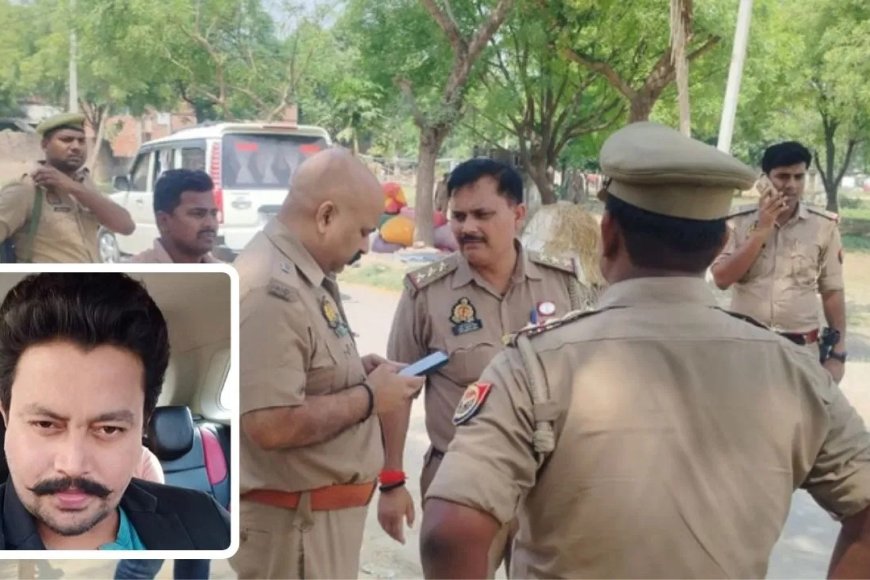
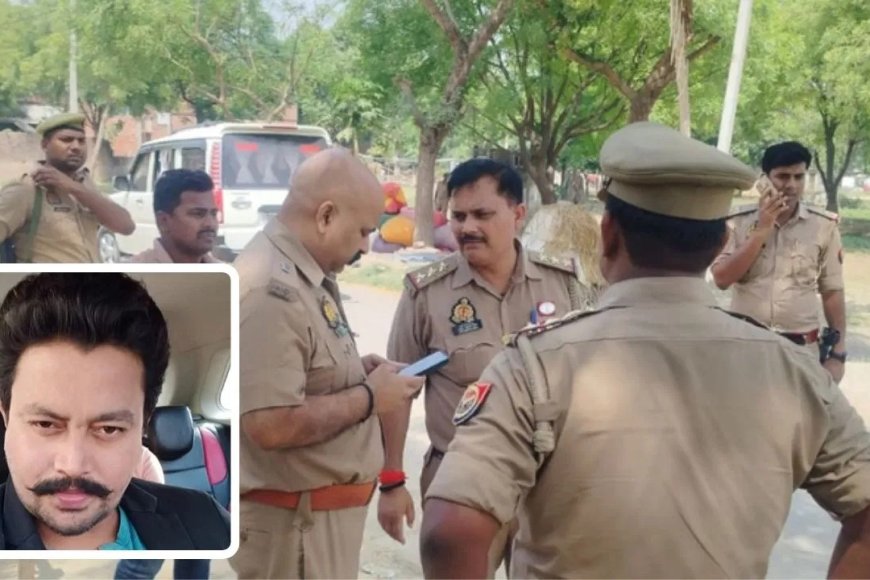
वाराणसी समाचार: उत्तर प्रदेश के वाराणसी जिले में एक दिल दहला देने वाली घटना सामने आई है, जहां युवा कारोबारी मनीष सिंह की पीट-पीटकर हत्या कर दी गई. इस घटना के बाद पूरे इलाके में तनाव का माहौल है और प्रशासन पूरी तरह सक्रिय हो गया है. फूलपुर थाना क्षेत्र के भरथरा (घमहापुर) गांव में हुई इस घटना ने सभी को झकझोर कर रख दिया है. घटना के बाद मृतक की पत्नी अंकिता सिंह का एक वीडियो सामने आया है, जिसमें वह अपने बच्चों का दर्द बयां करती नजर आ रही हैं. पुलिस ने कई आरोपियों के खिलाफ मामला दर्ज कर जांच तेज कर दी है.

पत्नी की दर्द भरी चीख ने सभी को भावुक कर दिया
घटना के बाद प्रशासनिक अधिकारी गांव पहुंचे और परिजनों को सांत्वना दी. इस दौरान डीसीपी गोमती जोन नीतू कादयान और एसडीएम पिंडरा प्रतिभा मिश्रा ने अंकिता सिंह को ढांढस बंधाया। अंकिता सिंह ने रोते हुए कहा कि अब वह अपने तीन छोटे बच्चों, जिनमें से एक अभी छह महीने का है, को लेकर कहां जाएगी. उसने कहा कि अगर उसके हाथ-पैर टूट जाते तो भी वह सहन कर लेती, लेकिन उसने अपनी जान क्यों ली? उनके दर्द भरे शब्दों ने वहां मौजूद सभी लोगों को भावुक कर दिया.

8 नामजद और 7 अज्ञात के खिलाफ केस दर्ज किया गया है
पुलिस ने इस मामले में 8 नामजद और 7 अज्ञात लोगों के खिलाफ मामला दर्ज किया है. नामजद आरोपियों में आशीष राजभर, मनीष राजभर, नागेंद्र प्रजापति, दीपक राजभर, मनोज प्रजापति, हरिश्चंद्र राजभर, योगेन्द्र प्रजापति और गोविंद राजभर शामिल हैं. अब तक दो आरोपियों को गिरफ्तार किया जा चुका है, जबकि बाकी की तलाश जारी है.

पुलिस टीम पर हमला
आरोपियों की गिरफ्तारी के लिए क्राइम ब्रांच और एसओजी टीम ने खालिसपुर बस्ती में छापेमारी की. लेकिन वहां करीब 150 लोगों की भीड़ ने पुलिस टीम पर हमला कर दिया और उन्हें बंधक बना लिया. इस दौरान एक सिपाही की पिस्टल भी छीन ली गई। बाद में भारी पुलिस बल पहुंचने पर टीम को बचाया गया, लेकिन आरोपी मौके से भाग गए। इस मामले में 60 अज्ञात लोगों के खिलाफ भी मामला दर्ज किया गया है.

कैसे हुई मनीष सिंह की हत्या?
रविवार को 40 वर्षीय मनीष सिंह अपनी फैक्ट्री से घर लौट रहे थे. इसी दौरान एक महिला की कार का एक्सीडेंट हो गया. मनीष ने खुद लोगों से महिला को अस्पताल ले जाने की अपील की, लेकिन भीड़ ने उन पर हमला कर दिया. करीब 15 लोगों ने उसे 20 मिनट तक बेरहमी से पीटा, जिससे उसकी मौके पर ही मौत हो गई.

इलाके में तनाव
घटना के बाद गांव में भारी पुलिस बल तैनात है और माहौल तनावपूर्ण बना हुआ है. पुलिस अधिकारियों का कहना है कि जल्द ही सभी आरोपियों को गिरफ्तार कर कड़ी कार्रवाई की जाएगी. इस घटना से कानून व्यवस्था पर भी सवाल उठ रहे हैं और लोगों में डर का माहौल है.

Source link

Tamil Nadu Assembly elections: Accept election defeat gracefully, former judge tells youth. chennai news

Tamil Nadu Assembly Elections: Former judge tells youth to accept election defeat gracefully

Chennai: Not everyone who contests elections wins, says former judge… Madras High Court Justice N Kirubakaran warned that political parties, especially children and young followers of actor Vijay’s TVK, should develop the mental maturity to accept defeat if the results are not in their favour.He suggested that before the counting of votes begins, all political leaders, including actor Vijay, should issue statements urging children and youth to accept both victory and defeat gracefully. Expressing concern over ‘shocking social media posts made by supporters of some political parties’, the former judge said, “The high turnout in the 17th Legislative Assembly elections was encouraging.”

Watch

Increase in number of first time voters in Tamil Nadu elections, youth cast record vote

Justice Kirubakaran pointed out that not all parties can win the elections, yet some people remain under the illusion that their party will definitely win. Children and youth often strongly believe that the party and leader they are associated with must win. He said that if the results are not in their favour, they should develop the mental maturity to accept defeat.Pointing out that leaders like Indira Gandhi, CN Annadurai and J Jayalalitha had also faced electoral defeats several times, Justice Kirubakaran suggested that before the counting of votes, all political leaders, as well as actors, should issue statements asking children and youth to accept both victory and defeat gracefully.She said families should keep an eye on how their children and youth members respond. “If your leaders win, celebrate; if not, prepare for the next election,” he said. He said youth have responsibilities towards their families, including taking care of their parents.

Source link

NFL Draft ban: YouTuber Fred Baer storms NFL Draft forum and gets major ban due to fake pick stunt

YouTuber Fred Baer storms NFL Draft stage and gets major ban for fake pick stunt
Fred Baer (Image via Getty)

Fred Bear caused chaos at the NFL Draft after coming on stage and trying to announce a fake pick for the Pittsburgh Steelers. The 24-year-old YouTuber later shared the entire prank in a behind-the-scenes vlog, showing how he used fake credentials to enter a restricted area inside the Acrisure Stadium.The stunt immediately turned serious. Security barred him from the stage, police officers escorted him out, and the NFL banned him indefinitely from all league events. The letter made it clear that if he tried to attend an NFL game or event again, law enforcement would be called. Even with serious warnings, that strange night ended with two police officers asking her for photos.

Fred Baer stormed the NFL Draft stage and announced his fake Pittsburgh Steelers pick before being removed by security

In his YouTube vlog, Baer explained how he planned everything leading up to the draft. They printed fake media credentials and used them to gain access to a special backstage area where only authorized people were allowed.At one point between official draft selections, he calmly walked onto the stage with a microphone. He started off by saying he was announcing the “67th pick” for the Steelers. Before he could finish speaking properly, the production staff immediately cut off his microphone.This did not stop him. Standing at the front of the stage, he loudly shouted that the Steelers had selected “Luke Maxer”, which appeared to be a joke related to the popular “lookmaxing” phrase of the dominant clavicle.Security personnel immediately arrived and pulled him away from the stage. He was then taken aside, where an event official interrogated him directly.“Why did you think you could go there?” the officer asked. “Because I wanted Luke Maxer to be drafted by the Steelers,” Beare replied. The officer replied, “No, it doesn’t work.”Their fake certificates were taken away and police officers were called to handle the situation. Before he was given an official NFL letter regarding his punishment, two officials escorted him from the venue.“The ban is league-wide and will be strictly enforced,” the letter said. “If you are found at an NFL game or event, law enforcement will be called and you will be arrested.We sincerely hope that you will use this opportunity to reflect on your actions.” Despite the ban, the moment ended in an unexpected way. After escorting him outside, the two police officers asked Baer if they could take a photo with him, making the already strange night even more unforgettable.

Source link

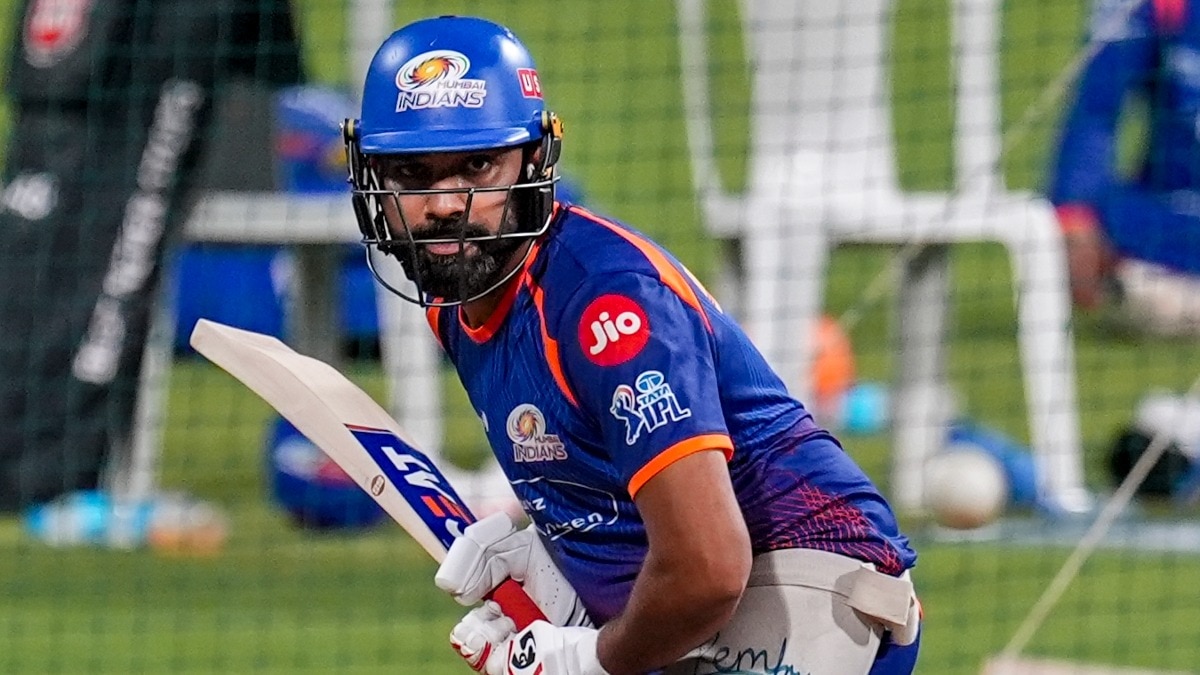
IPL 2026: Will Rohit Sharma play MI vs SRH? Big update gives fans hope for injury comeback

Rohit Sharma’s return remains a topic of great discussion before Mumbai Indians’ match against Sunrisers Hyderabad. With MI struggling to settle their top order in his absence, fans are still waiting for clarity on whether the former skipper will take the field or not.

However, the franchise has not closed the door on his return. As per the latest update, the final decision on Rohit’s availability will be taken at the time of toss on the match day itself.

“He is making steady progress. Any decision on his availability (in the match against SRH) will be taken at the time of the toss tomorrow,” an MI spokesperson said.

Rohit’s absence is being felt for the last few matches. MI has tried many combinations at the top, but none have been quite successful, leaving a glaring gap in both consistency and intent.

Why is Rohit Sharma not playing?

Rohit has been out of action after suffering a hamstring injury during MI’s home loss against Royal Challengers Bangalore on April 12.

Since then, MI have struggled to find an established opening pair. Options like Quinton de Kock, Ryan Rickelton and Danish Malevar have been rotated, but the results have not been consistent.

Notably, Malevar has struggled registering scores of 2 and 0 in his last two matches. The lack of stability at the top has affected MI’s starts, putting pressure on the middle order.

Despite missing the last three matches, Rohit remains MI’s fourth-highest run-scorer this season, with 137 runs at an average of 45.66 and a strike rate of 165, underscoring his importance to the team.

Will Rohit Sharma play in MI VS SRH?

As things stand, Rohit’s participation is still uncertain and will depend on his fitness assessment closer to the match.

The MI camp remains cautiously optimistic, indicating it is making good progress but not yet committing to a definite comeback. The final decision will be taken at the time of the toss, keeping fans guessing till the last moment.

With Mitchell Santner already out due to injury and Keshav Maharaj replacing him, MI are already dealing with selection challenges. There is also uncertainty over Will Jacks’ place in the eleven despite his strong record in similar conditions.

ipl 2026 | ipl schedule | ipl points table | ipl player stats | purple cap | orange cap | ipl video | cricket news | live score

– ends

published by:

Debodinna Chakraborty

Published on:

April 28, 2026 21:31 IST

Source link

Matua: ‘When you clean your house, some glasses break’: SIR rescue of Subrata Thakur in Matua bastion | india news

'जब आप अपना घर साफ करते हैं, तो कुछ शीशे टूट जाते हैं': मटुआ गढ़ में सुब्रत ठाकुर का एसआईआर बचावSubrata, grandson of PR Thakur and Matua matriarch Baroma Binapani Devi, explains how his family prioritized not only social dignity but also education and employment to ensure the upliftment of the community. Incidentally, PR Thakur was the first barrister from the deprived Namasudra community. TOI met Subrata at the sprawling Thakurbari complex in Thakurnagar, Gaighata, North 24 Parganas, where he is the sitting MLA and BJP Candidates for the April 29 election.But this election is more complicated than before for him and other BJP leaders from the Matua belt. Along with the scorching heat of April, they are facing political heat from the massive voter-list deletion under SIR.Subrata does not deny the restlessness. But he emphasizes that these are not actual exclusions, saying most of the cases relate to the earlier SIR in 2002. According to him, the problem was caused by glitches, missing uploads and political sabotage. He says that BJP is helping people to fill Form 6 and get their names restored.His message to the community is simple, don’t panic, you are safe in India, CAA is there, and BJP will take back your names. Then comes the line that could define the BJP’s defense in the region. “When you clean your house, sometimes some glass gets broken,” he says. Subrata explains how Partition, migration, refugee life and the long struggle for documents shaped the community. Even after seven decades of independence, that struggle has not ended completely.The numbers show why the concern is real. Of the 142 assembly seats that went to polls in the second phase, 12,87,622 voters were removed during the judicial decision. In North 24 Parganas, the district with the highest Matua population, 5,91,252 voters were held under adjudication and 3,25,666 were disqualified.In the Bongaon belt, the damage is more acute politically. In Gaighata, the second phase count put the number of post-judicial deletions at 19,638. Of the 13,459 cases identified in Baghdad, 5,890 were quarantined, with 15,303 people quarantined out of a total of 263,142 voters in the constituency. TOI has earlier reported that 36,000 of those removed in four Matua-heavy constituencies belong to the community. In Nadia, Matua dominated Ranaghat North East and Ranaghat South saw 20,796 and 17,411 deletions, respectively.The CAA, often touted as a lifeline, is more complex at the ground level. The help center located in Thakurbari complex looked deserted. Some locals say that the applications have hit a bottleneck. Others say that many Matuas have not applied because doing so would be an admission that they are not already citizens of India. Asked about the delay, Subrata says the Union Home Ministry is doing detailed cross-checking.This is now BJP’s big pitch in Matua belt. Both Narendra Modi and Amit Shah have returned to the Matua question in recent times, promising citizenship, documents and protection to Hindu families of refugee origin. PM Modi mentioned his visit to Orakandi, the birthplace of Harichand Thakur in Bangladesh, and promised citizenship for Matua and Namasudra families. Amit Shah has held Mamata Banerjee responsible for the removal of Matua name and accused TMC of spreading fear.TMC has turned the same issue into an allegation of betrayal. In Haringhata, Abhishek Banerjee accused the BJP of humiliating and depriving the Matuas after promising them citizenship and jobs. He said the BJP is shedding “crocodile tears” for the community and claimed that the TMC stands with the voters removed from the SIR form-fill-up kiosks to the Supreme Court.Mamata Banerjee has framed SIR as a big identity fight. During the campaign in Chakdah, Bongaon and Habra, he called the practice the “got-up game” and compared it to Chaitra sales, saying that some members of a family were involved while others were not. In Kolkata, concluding his campaign, he asked voters to “once again stand in line” and use the ballot to teach the BJP a lesson.Subrata rejected the allegation. He says the fear is being created by TMC, which is telling people that those whose names are missing will be chased away. He also accused the Mamata Banerjee government of helping Bangladeshis through fake documents.After this he returns to Matua history. He talks of a time when the Matuas were denied respect, treated as Chandalas, pushed to the margins of villages and denied the right to worship with respect. Invoking Harichand Thakur and Guruchand Thakur, he said that this movement was built not only around faith but also around education, work and self-respect.That history is at the center of politics here. The Matuas, who came primarily from the Namasudra caste and whose roots are in present-day Bangladesh, found both a spiritual center and a political base in Thakurnagar. Subrata says his grandfather PR Thakur, while part of the Congress, ensured major improvements in infrastructure and education in the region. But he blames the non-extension of the Nehru-Liaquat Pact for leaving those who came later struggling for citizenship.In the last few elections, the BJP has taken advantage of this insecurity through the promise of CAA. The result was clear. In 2021, BJP won four Matua-heavy assembly seats in Bongaon subdivision, which are Gaighata, Bagdah, Bongaon North and Bongaon South. She remained ahead among the four in the 2024 Lok Sabha elections also. It also performed strongly in the Matua-dominated areas of Nadia.The Matuas, the second largest Scheduled Caste group in Bengal, are estimated to influence 50 to 70 assembly seats. But this time, BJP is defending that base under pressure. Subrata underestimates Mamata’s reach to the community. She says she came to Baroma before 2011 because she needed Matua votes, but after Muslim support became stronger, the Matuas became indispensable to her.The atmosphere on the ground is mixed. Some voters say their names are intact and the BJP will be fine. Others say that one member of the family has been removed while the rest remain. Some people still trust BJP to solve the problem. Others say many of those affected were BJP supporters, and anger over being removed may now push a section towards TMC. The atmosphere in Thakurnagar, just outside the campus, was also gloomy.There is also Thakurbari partition there.Subrata Thakur is contesting from BJP in Gaighata. In nearby Bagdah, the BJP has fielded Soma Thakur, wife of Union minister Shantanu Thakur, against Madhuparna Thakur, daughter of Rajya Sabha MP Mamata Bala Thakur and sitting TMC MLA. Shantanu is the younger brother of Subrata. The once undivided Matua federation is now divided into factions, and Mamata Bala’s faction has not supported the CAA for its followers.So it is not just BJP vs TMC. It is also a fight within the most influential Matua family of Bengal. In Thakurnagar, the question is not just whether the names come back. The point is whether the trust returns with them or not. For years, the BJP told the Matuas that this would end their uncertainty. SIR has brought that uncertainty back into the campaign.Therefore Subrata’s line may stretch long. “When you clean your house, sometimes some glass gets broken.” Broken glass always leaves a mark. Whether this will leave any stain on BJP’s fortunes or not, the answer will be known on May 4.

Source link

उत्तराखंड: विधानसभा के विशेष सत्र में शिक्षा मंत्री का ऐलान, छात्र संघ चुनाव में लड़कियों को 50 फीसदी प्रतिनिधित्व – उत्तराखंड विधानसभा महिला आरक्षण पर विशेष सत्र: शिक्षा मंत्री का बड़ा ऐलान

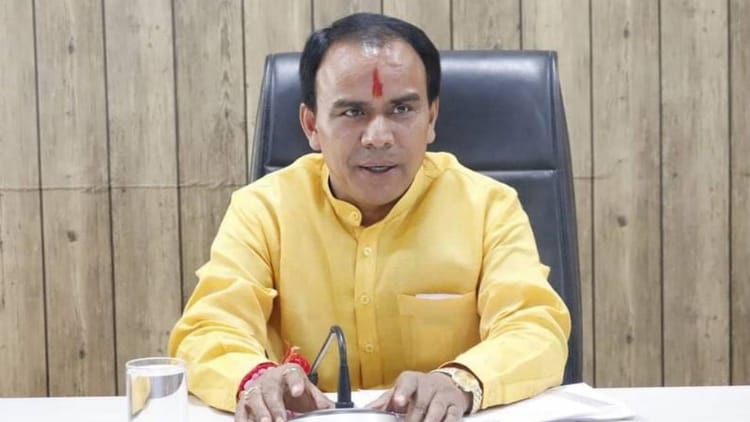
शिक्षा मंत्री डॉ. धन सिंह रावत ने कहा कि छात्र संघ चुनाव में छात्राओं को 50 प्रतिशत प्रतिनिधित्व दिया जायेगा। उन्होंने यह बात राज्य विधानसभा में नारी शक्ति वंदन कानून को लेकर आयोजित विशेष सत्र में कही.

शिक्षा मंत्री ने कहा, अगर महिलाओं को अवसर दिया जाए तो वे नेतृत्व में उत्कृष्टता हासिल करती हैं। राज्य सरकार का संकल्प है कि नारी शक्ति वंदन कानून के माध्यम से आधी आबादी को उनका वाजिब हक मिले। राज्य सरकार ने सहकारिता से लेकर शिक्षा क्षेत्र तक महिलाओं के लिए कई योजनाएं लागू कीं, जिसका परिणाम है कि सहकारी समितियों के चुनावों में महिलाओं की भागीदारी काफी बढ़ी है।

उन्होंने कहा कि सहकारी समितियों के चुनाव में 33 प्रतिशत प्रतिनिधित्व देकर कुल 6486 निर्वाचित निदेशकों में से लगभग 39 प्रतिशत यानि 2517 महिलाएँ विजेता रहीं, जबकि 668 समितियों में से 281 की कमान महिलाओं के हाथ में है। प्रदेश में बालिकाओं को निःशुल्क एवं अनिवार्य शिक्षा, निःशुल्क पाठ्य पुस्तकें एवं ड्रेस उपलब्ध करायी जा रही है। सभी स्कूल-कॉलेजों में बालिका शौचालय निर्माण का लक्ष्य पूरा कर लिया गया है.

विशेष सत्र: सीएम धामी बोले- नारी शक्ति के हित में फैसले लेते रहेंगे, जब तक अधिकार नहीं मिल जाता, चैन से नहीं बैठेंगे

Source link