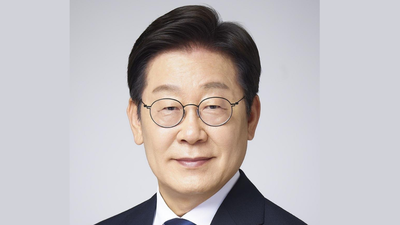
‘More than Rs 100 crore not disclosed’: Madras High Court flags ‘irregularities’ in Vijay’s election affidavit. india news

'More than Rs 100 crore not disclosed': Madras High Court flags 'irregularities' in Vijay's election affidavit

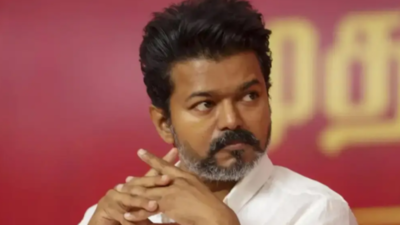
New Delhi: A blow to actor-turned-politician Vijay, who is leading TVK’s political debut in the Tamil Nadu elections. Madras High Court On Monday, a petition seeking an income tax probe into his asset declarations was accepted.While hearing the case, the court found irregularities of more than Rs 100 crore in the oral affidavit and issued a notice in the case.“This is an irregularity. More than Rs 100 crore has not been disclosed,” the court orally remarked, according to Live Law.A division bench of Chief Justice SA Dharmadhikari and Justice G Arul Murugan issued notice to Vijay along with the Director General of Income Tax (Investigation). Election Commission of India (ECI), and Returning Officer for Perambur and Tiruchirappalli (East) constituencies.The petitioner has alleged that the disappearance of high value assets is a clear case of suppression of property, which raises serious concerns with regard to beneficial ownership, routing of funds and concealment of material details. It is further argued that such discrepancy between the declarations cannot be attributed to clerical error or guesswork. According to the petition, the only reasonable conclusion is that either one of the affidavits is false or the related corporate filings are false, requiring a thorough investigation in either scenario.If such irregularities are ultimately established, the consequences could be serious. Any proven concealment or false declaration in the election affidavit may invite criminal proceedings under applicable laws, potentially leading to fine or imprisonment, and may result in disqualification from contesting elections under the Representation of the People Act, 1951. Additionally, discrepancies involving undeclared assets can trigger action by income tax authorities, including fines and possible prosecution for tax violations.

Source link

पैन कार्ड मामले में आजम खान और अब्दुल्ला आजम को झटका…सेशन कोर्ट ने खारिज की अपील

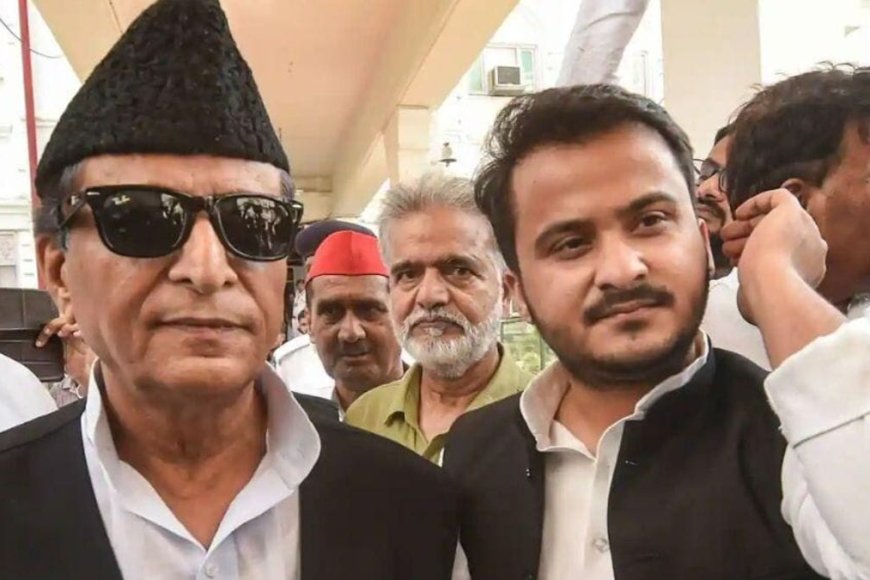
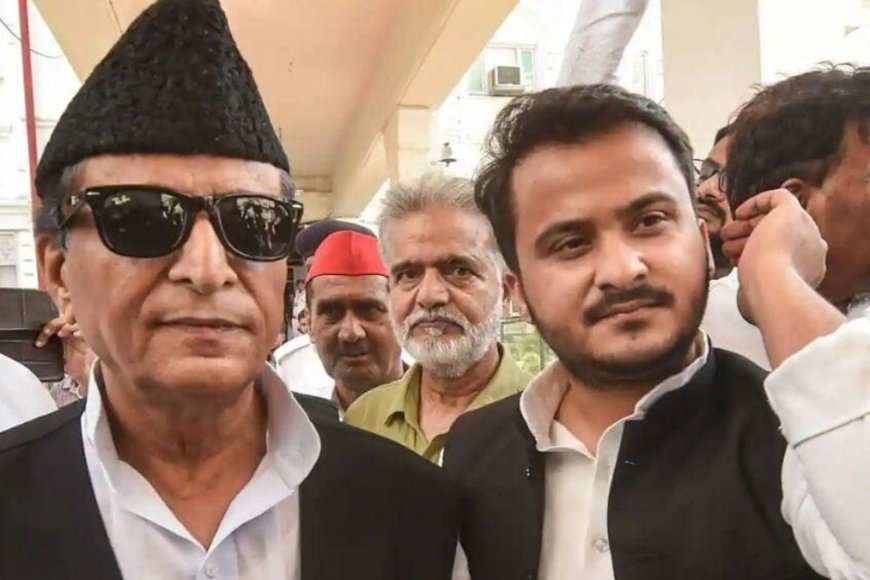
समाजवादी पार्टी के वरिष्ठ नेता आजम खान और उनके बेटे अब्दुल्ला आजम खान को दो पैन कार्ड मामले में बड़ा झटका लगा है. सेशन कोर्ट ने उनकी अपील खारिज कर दी है. इससे पहले निचली अदालत ने दोनों को दोषी पाया था और सजा सुनाई थी. इस फैसले के बाद उनकी कानूनी मुश्किलें और बढ़ गई हैं. कोर्ट का यह फैसला राज्य की राजनीति में भी अहम माना जा रहा है.

निचली अदालत की सज़ा बरकरार है
जानकारी के मुताबिक निचली अदालत ने इस मामले में आजम खान और उनके बेटे को दोषी करार देते हुए 7-7 साल की सजा सुनाई थी. साथ ही दोनों पर 50-50 हजार रुपये का जुर्माना भी लगाया गया. इस फैसले को चुनौती देते हुए दोनों ने सेशन कोर्ट में अपील दायर की थी, लेकिन अब कोर्ट ने उनकी याचिका खारिज कर दी है.

दो पैन कार्ड मामलों में दोषी ठहराया गया
यह मामला दो पैन कार्ड बनाने से जुड़ा है, जिसमें आरोप लगाया गया था कि नियमों का उल्लंघन कर अलग-अलग दस्तावेजों के आधार पर पैन कार्ड बनाए गए. इसी आधार पर कोर्ट ने दोनों को दोषी पाया था. इस मामले की सुनवाई के बाद कोर्ट ने सख्त फैसला सुनाया.

अपील खारिज होने से बढ़ी मुश्किलें
सेशन कोर्ट से अपील खारिज होने के बाद दोनों की सजा बरकरार रहेगी. इससे उनके सामने कानूनी चुनौतियां और बढ़ गई हैं. हालाँकि, आगे की कानूनी प्रक्रिया के तहत उच्च न्यायालय जाने का विकल्प अभी भी खुला है।

राजनीतिक असर भी संभव
इस फैसले का राजनीतिक असर भी देखने को मिल सकता है. आजम खान की गिनती उत्तर प्रदेश की राजनीति के बड़े नेताओं में होती है. ऐसे में उनके और उनके बेटे के खिलाफ यह फैसला भविष्य में राजनीतिक समीकरणों पर असर डाल सकता है. फिलहाल इस मामले को लेकर राजनीतिक गलियारों में चर्चा तेज हो गई है.

Source link

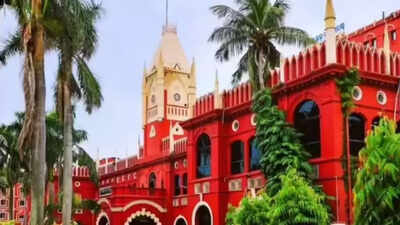
Orissa High Court: Orissa High Court raises security concerns over British era school building in Cuttack

Orissa High Court raises security concerns over British-era school building in Cuttack

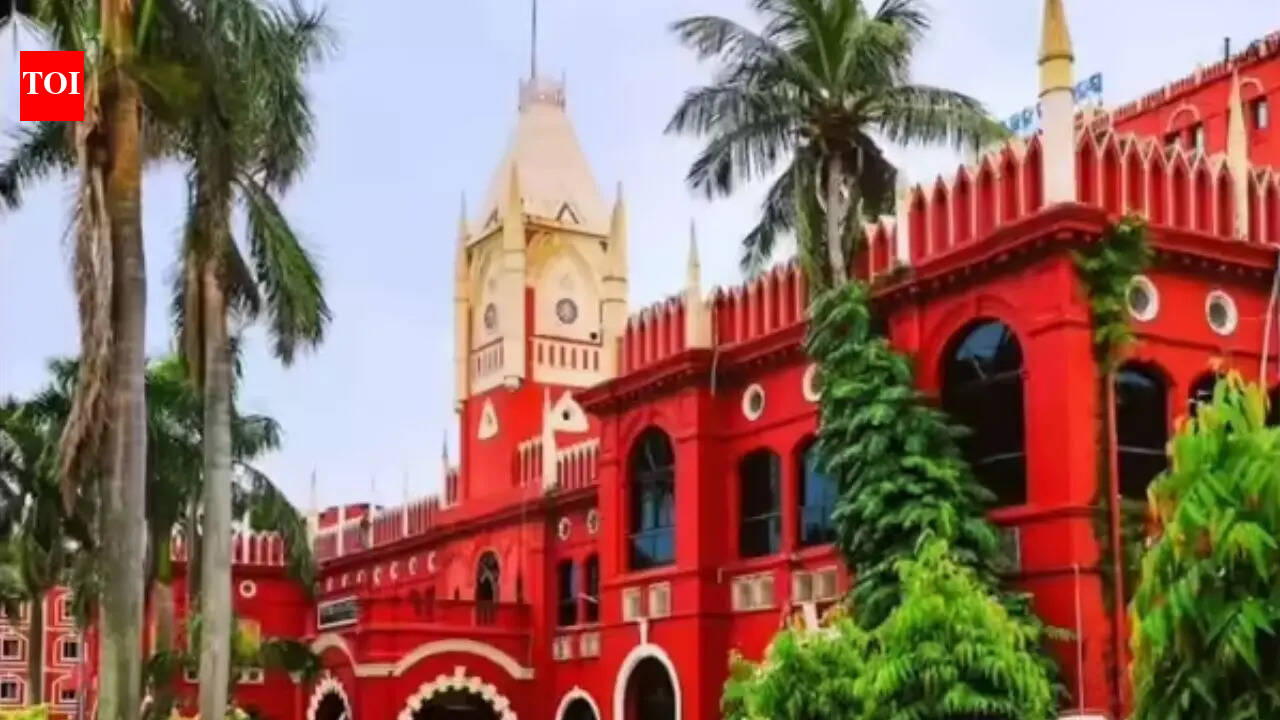
Cuttack: The Orissa High Court has expressed serious concern over the condition of a British-era building in Mission Road, Cuttack, which currently houses St. Xavier’s School since January this year.A division bench of Justices KR Mohapatra and V. Narasimha took up the issue after examining a report submitted by the Cuttack district administration on April 16 following earlier directions to inspect the safety conditions of all schools in the city.“The report reveals a shocking situation,” the bench said. Considering that till now 48 schools have been inspected. This especially marked the position of St. Xavier School at Mission Road, Buxi Bazaar said the institution was functioning in an “almost dilapidated building” without a structural stability report.The court recorded the assurance of Additional District Magistrate Kamaljeet Dash that necessary steps would be taken to ensure the safety of students, teaching and non-teaching staff. “If necessary, alternative arrangements will be made in consultation with the school management,” the ADM assured. Taking note of this, the bench directed the authorities to submit the action taken report by May 4. The next hearing of the case will be on May 7.The building, a 143-year-old structure and an example of Indo-European architecture, has been a subject of concern for a long time. Built as a residence by Civil Surgeon Dr. WD Stewart in 1883, the building was later donated to the Baptist Mission in 1887 for educational purposes and became Christ Collegiate School in 1950.Official records show that as early as 20 February 2016, the Public Works Department warned that the structure was in a dangerously dilapidated condition and could collapse at any time. The school was later shifted to a nearby facility in 2019.Despite this, the building was reopened after reported repairs and St. Xavier’s School started functioning there from January 23, 2026.The issue of conservation versus security has also been in focus. In 2019, a PIL filed by lawyer Shivshankar Mohanty sought to declare the structure a heritage building under the Orissa Municipal Corporation Act, citing its architectural and historical importance. The High Court had then directed the civic body to take action on the petition.

Source link

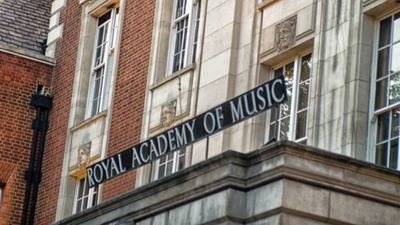
Royal Academy of Music: UK: Royal Academy of Music faces backlash over new plan to ban private school students World News

UK: Royal Academy of Music faces criticism over new plan to ban private school students
Private school students are not included in the UK Royal Academy scheme, which provides funded training to five state-educated musicians/Image: Getty Images

The UK-based Royal Academy of Music has sparked debate after introducing a scheme that limits access to state-educated students, raising concerns that some less affluent private school pupils are being left out, according to The Times (UK).The Academy, established in 1822, is offering a fully funded foundation year for musicians aged 18 to 20. The course is aimed at those who are seen as under-represented, particularly students who have missed out on music training due to the long-term decline in provision in state schools.Only five students will be selected each year, with the program starting in July. Those selected will receive personal tuition, academic guidance, group training and assistance with university applications.The eligibility rule has been questioned by school leaders, who say background cannot be assessed solely by what type of school a student attends. Philip Britton said, “There are a lot of less affluent people in independent schools and a lot of privileged people in government schools.” He pointed out that some schools, including Bolton School, provide full fee support to families earning less than £20,000.Richard Jones, head of Bryanston School in Dorset, described the approach as “naïve” and said it risked reinforcing perceptions about private education. He said many independent schools have students on scholarships and said applications must be assessed individually.The academy has defended its position. Its principal, Jonathan Freeman-Attwood, said the focus is on students who “desperately need and deserve” support, particularly those who do not have adequate access to training but show strong potential.Funding for the first three years comes from the Clore Duffield Foundation. Its president, Vivian Duffield, said the program aims to give talented young musicians the time, training and guidance they need to move forward.The academy said students from independent schools are already more likely to have access to structured music education. It also highlighted its extensive work, supporting over 500 young people each year and providing £5.8 million of financial support to students last year.

Source link

The myth of love jihad that ignores Muslim women. india news

The myth of love jihad that ignores Muslim women

We’re in Prithviraj Market, Delhi, visiting Mirajuddin, the best mutton shop I’ve ever seen. I proceed to place the order. The young man sitting at the counter outside the shop says, “Rajdeep Bhai has not come?” I say he is coming. The owner, wiping his cutting board, asks, “And where is Bhaijaan?” I reply, I am coming. Then he comes and says greetings to everyone. They all welcome him and begin animated conversations. This process is repeated outside the store with other employees and known patrons. He goes there often and everyone knows him. This is the same man who didn’t know how to say ‘Salaam’ when we got married 14 years ago. He is now “closer, closer Muslim”, as our Mirajuddin friend praises him.The ‘Love Jihad’ propaganda that keeps appearing in news cycles says that Hindu women are lured away by scheming Muslim men. They forget Muslim women. Maybe they are also doing love jihad? I can give many examples where Muslim women have inspired their husbands and families towards Islamic traditions while adopting Hindu customs as part of shared family life.My Afghan friend is married to a Sharma from Delhi. They met in Berlin and returned to India. Together they run an Afghan Center at the university, which provides a space for the Afghan people to showcase their talents, food and culture. When his son’s school did not grant holiday on Eid, the father told the principal, “My son is half Muslim. He will stay at home and celebrate the festival with the family.”An Indonesian friend is married to a Tamil Brahmin colleague. She fasts the entire month of Ramzan and people come to her house for Iftar. She once went home with her 13-year-old son during the fasting month. There on the first morning he realized that everyone was up for Sehri and he started his fast early in the morning. No one woke him up because they thought he was not used to it. He became upset and asked, “Why? Am I not part of this family?” He did not eat or drink anything and broke his fast in the evening along with everyone else. After this, he fasted during his stay in Jakarta. Another notable friend, who married his Assamese Muslim girlfriend, named their daughter Inara, which means shine in Arabic. She bears her father’s as well as her mother’s surname and is called ‘Inara Syed Mahapatra’. Finally, my beautiful colleague Nikhat recently had her Nikah and destination wedding in Türkiye. Her Greek partner has learned namaz, kalma and suras to win the hearts of his family in Lucknow.The patriarchal mindset believes that the man’s side is the winning side and that women will lose their identity, religion and customs in interfaith marriages. But when I see interfaith couples around me, this is not true. Women shape their families in decisive ways and have created a blend of Indo-Islamic-Hindu home cultures.They did this by accommodating the belief systems of both their religions. My in-laws do puja for housewarming, put lemon on the car and look for auspicious dates for the journey. To me, this is superstition; This is normal for them. Yet both parties accept each other, enjoying family gatherings and children’s play.My Indonesian friend makes sambar and payasam for her vegetarian husband. The Ganesh idol which his mother-in-law used to worship in Tamil Nadu is now in his house. My Afghani friend along with her husband abstains from meat on Hindu festivals and participates in all family rituals. She also celebrates Eid with all of them. The colleague from Lucknow has merged with her Greek family. She visits them every summer and appreciates their food, customs and culture. As far as baby Inara is concerned, she is going to learn Karl Marx and Foucault before she even hears about Hinduism or Islam.Love never gets old. Every generation sees it afresh and lives it openly. At a time of worldwide war, this is the only solace. Some scared groups may try to harm our lifestyle by calling it love jihad etc. But we are not the aberration that society tolerates, nor are we the exotic, strange species that others find unique. We are the dream of the India that our ancestors saw on the midnight of August 15, 1947. We are the family that Mahatma Phule envisioned in his poem “Christ, Mohammed, Mang, Brahmnaasi, Dharave Potasi, Bandhu Pari” (Translation: Whether they are followers of Jesus Christ or Mohammed, or belong to the Mang or Brahmin community – one should embrace them all with one’s heart like a brother.) As humanity expands, our tribe will grow.Samina Dalwai is a law professor. The name of her upcoming book is ‘Love Jihad: A Feminist Retelling’.

Source link

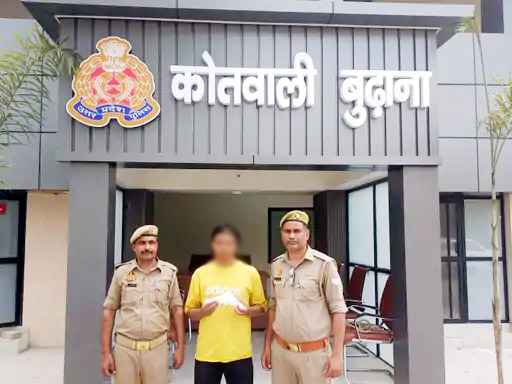
बुढ़ाना/मुजफ्फरनगर: सोशल मीडिया पर पिस्टल लहराने वाला युवक गिरफ्तार, मेरठ से खरीदा था अवैध हथियार

मुजफ्फरनगर जिले के बुढ़ाना कस्बे में पिस्तौल लहराते हुए वीडियो बनाकर सोशल मीडिया पर वायरल करने वाले युवक को पुलिस ने गिरफ्तार कर लिया है. अभियुक्त के कब्जे से एक अवैध पिस्तौल 315 बोर व एक जिन्दा कारतूस बरामद किया गया है। पुलिस की इस कार्रवाई को जिले में अपराधियों के खिलाफ चलाये जा रहे विशेष अभियान का हिस्सा बताया गया है.

वरिष्ठ पुलिस अधीक्षक के निर्देश पर चल रहे धरपकड़ अभियान के तहत बुढ़ाना थाना पुलिस लगातार संदिग्ध गतिविधियों पर नजर रख रही थी। इसी बीच वायरल वीडियो का संज्ञान लेते हुए पुलिस टीम सक्रिय हो गई और आरोपी तक पहुंचने में सफलता मिल गई.


सूचना के आधार पर एचपी गैस गोदाम के पीछे ट्यूबवेल के पास घेराबंदी की गयी.

पुलिस को सूचना मिली थी कि बुढ़ाना-कांधला मार्ग पर विज्ञाना जाने वाली सड़क के पास स्थित एचपी गैस गोदाम के पीछे ट्यूबवेल के पास एक युवक अवैध हथियार के साथ मौजूद है। सूचना को गंभीरता से लेते हुए मिशन शक्ति टीम तत्काल मौके पर पहुंची और घेराबंदी कर दी।

पुलिस टीम की सतर्कता के चलते युवक को मौके से हिरासत में ले लिया गया। तलाशी के दौरान उसके पास से अवैध पिस्तौल और कारतूस बरामद हुए।


तलाशी के दौरान 315 बोर का पिस्तौल और जिंदा कारतूस बरामद हुआ

पूछताछ में आरोपी ने खुद को बुढ़ाना कस्बे के चंदेडी रोड का निवासी बताया। तलाशी के दौरान पुलिस को उसके कब्जे से एक 315 बोर का देशी कट्टा और एक जिंदा कारतूस बरामद हुआ.

बरामदगी के बाद आरोपी के खिलाफ संबंधित धाराओं में मामला दर्ज कर आगे की कानूनी कार्रवाई शुरू कर दी गई.


मेरठ से खरीदा अवैध हथियार, लोगों में डर फैलाने के लिए बनाया वीडियो

प्रारंभिक पूछताछ में आरोपी ने पुलिस को बताया कि उसने यह पिस्तौल मेरठ से एक अज्ञात व्यक्ति से खरीदी थी. उसका मकसद सोशल मीडिया पर हथियारों के साथ वीडियो पोस्ट कर लोगों में डर और प्रभाव पैदा करना था.

जांच अधिकारियों के मुताबिक, सोशल मीडिया पर ऐसे वीडियो न सिर्फ कानून-व्यवस्था के लिए चुनौती बनते हैं बल्कि युवाओं के बीच गलत संदेश भी भेजते हैं.


पुलिस ने वायरल वीडियो का संज्ञान लेते हुए तुरंत कार्रवाई की

थाना प्रभारी सुभाष बाबू अत्री ने बताया कि आरोपी ने तमंचे के साथ बनाया वीडियो सोशल मीडिया प्लेटफार्म पर अपलोड किया था। वीडियो सामने आने के बाद पुलिस ने तुरंत संज्ञान लेते हुए आरोपी की पहचान की और उसे गिरफ्तार कर लिया.

पुलिस अधिकारियों का कहना है कि भविष्य में भी ऐसी गतिविधियों के खिलाफ सख्त कार्रवाई जारी रहेगी।


जिले में अवैध हथियारों के खिलाफ अभियान तेज हो गया है

जिला स्तर पर पुलिस प्रशासन लगातार अवैध हथियार रखने वालों और सोशल मीडिया पर आपत्तिजनक सामग्री फैलाने वालों के खिलाफ अभियान चला रहा है. इसी क्रम में संवेदनशील इलाकों में विशेष निगरानी रखी जा रही है.

अधिकारियों के मुताबिक ऐसी घटनाओं पर प्रभावी नियंत्रण के लिए पुलिस टीमों को नियमित रूप से सक्रिय रखा गया है.


सोशल मीडिया पर हथियारों का प्रदर्शन चिंता का विषय बन जाता है

हाल के दिनों में सोशल मीडिया प्लेटफॉर्म पर हथियारों के साथ फोटो और वीडियो शेयर करने का चलन तेजी से बढ़ा है. पुलिस का मानना ​​है कि ऐसी गतिविधियां कानून व्यवस्था के लिए खतरा बन सकती हैं.

इसलिए ऐसे मामलों में तुरंत कार्रवाई की जा रही है और आरोपियों के खिलाफ सख्त कदम उठाए जा रहे हैं, ताकि समाज में भय का माहौल पैदा करने की कोशिशों को रोका जा सके.


Source link

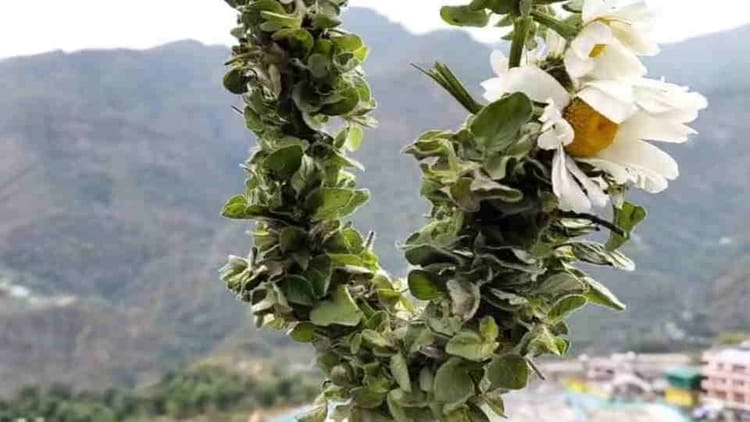
उत्तराखंड: पहली बार होगी बद्री तुलसी की व्यावसायिक खेती, भगवान बद्री विशाल की पूजा में होता है इसका उपयोग – उत्तराखंड में शुरू होगी बद्री तुलसी की व्यावसायिक खेती, पहली बार तैयार हो रही नर्सरी

बद्रीनाथ धाम के आसपास के क्षेत्रों में प्राकृतिक रूप से उगने वाली बद्री तुलसी की पहली बार व्यावसायिक खेती की जाएगी। इसके लिए सगंध पौधा केंद्र सेलाकुई तुलसी की नर्सरी तैयार कर रहा है। तुलसी के पत्तों से अर्क बनाने की भी योजना है.

बद्री तुलसी एक औषधीय पौधा है, जो बद्रीनाथ क्षेत्र में पाया जाता है। बद्री तुलसी का विशेष धार्मिक महत्व है। इसे भगवान विष्णु का स्वरूप माना जाता है। बद्रीनाथ मंदिर में पूजा और प्रसाद के रूप में तुलसी की माला चढ़ाई जाती है। अभी तक बद्री तुलसी प्राकृतिक रूप से उगती है, लेकिन अब सगंध पौधा केंद्र सेलाकुई इसकी व्यावसायिक खेती पर काम कर रहा है।

सेलाकुई स्थित एरोमा सेंटर में पहली बार बद्री तुलसी की नर्सरी स्थापित की गई है। बद्री तुलसी के पौधे तैयार कर स्थानीय लोगों को खेती के लिए दिये जायेंगे। बद्री तुलसी में एंटीबायोटिक तत्व पाए जाते हैं, जिसके कारण इसका उपयोग मलेरिया, पाचन संबंधी समस्याओं, रोग प्रतिरोधक क्षमता बढ़ाने, तनाव कम करने, त्वचा में सुधार, सर्दी-खांसी में किया जाता है।

चारधाम यात्रा की शुरुआत: जयकारों के साथ खुले गंगोत्री-यमुनोत्री मंदिर के कपाट, पीएम मोदी के नाम से हुई पहली पूजा

Source link

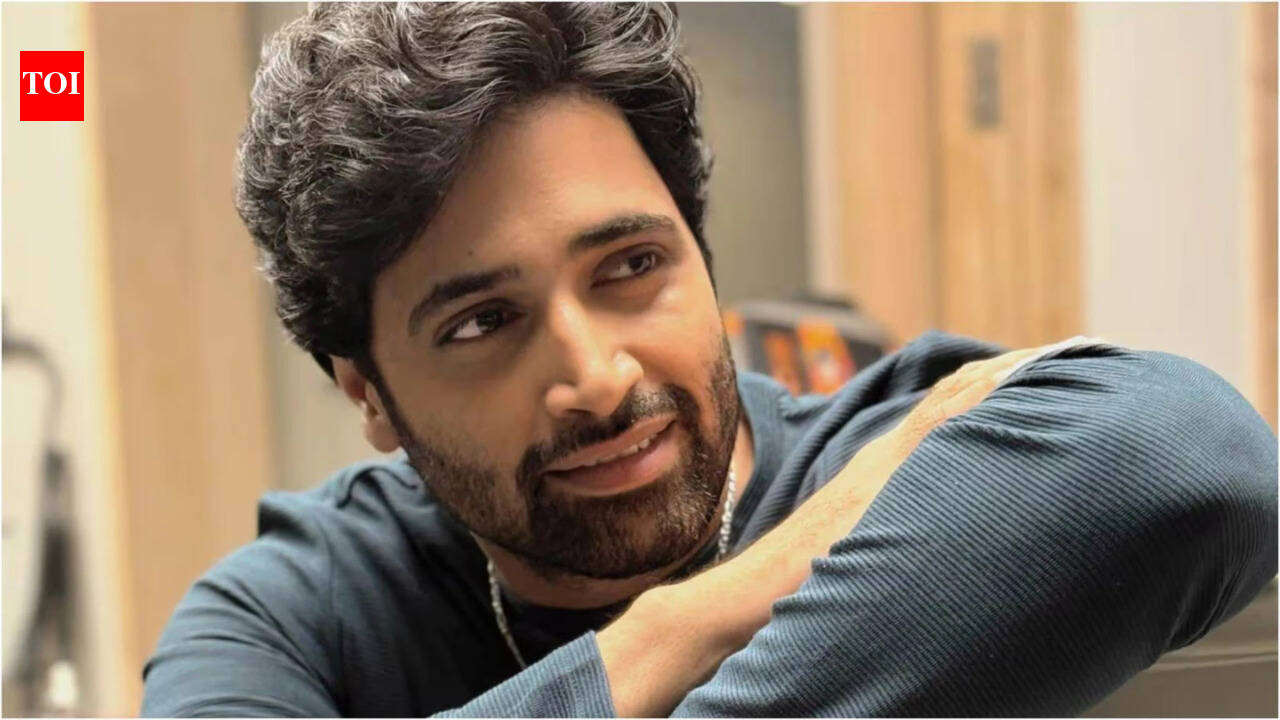
Adivasi Shesh’s emotional connect with fans: How ‘Dacoit’ inspired courage and humanity

'Dacait' star Adivi Shesh reveals the heartwarming story of the fan who found courage through his films: 'Major' gave him courage'
Actor-filmmaker Adivi Shesh celebrates the success of ‘Dacait’ and shares a fan’s emotional story of finding courage after a brutal attack, inspired by his film ‘Major’. This meeting strengthened Shesh’s belief in the humanitarian power of cinema beyond business. He also highlighted the film’s challenging shoot and its musical success, with all four songs trending.

actor-filmmaker tribal balance The co-star is enjoying the success of his latest release ‘Dacait’ Mrinal Thakur. To celebrate this, the team organized a successful meeting on Saturday. During the event, the actor shared a touching moment from his visit to Bengaluru.

Tribal Shesh tells emotional story of fans

During the program, Adivasi Shesh talked about meeting a lawyer. Tamil NaduAccording to a report in Cinema Express, who told him a very personal story during his ‘Dacait’ promotions in Bengaluru. Shesh said, “He said he was attacked by a group of people and was hospitalized for a long time. After that, he was afraid to step out. He told me that watching ‘Major’ gave him the courage to face life again.” He also said, “The first thing he did after coming out was watch this film (Dacait). He said that he liked it very much and that he has come especially to meet me.

Adivasi remains on the meaning of cinema

This moment forced the tribal Shesh to think deeply. He said, “At that moment, I realized that when we keep thinking about cinema and business, sometimes we forget humanity. He reminded me of that, and also why I make films.” He also talked about fans gifting him the Indian flag. He said that this love seems very true. He said, “Success comes only through hard work.” He told that he always wanted to make meaningful films and ‘Dacait’ gave him that happiness. Adivasi Shesh talked about the difficult conditions of the shooting. He said, “We shot in extremely harsh conditions, including the mountains, where the temperature reached 45 degrees. We faced risky situations, especially during the climax.” He said that the team has worked very hard to make the film look real. He also talked about music. He said, “Many people appreciated the climax background score. This is the first musical hit of my career and all four songs of the film are trending.”

About ‘Dacoit’

director Shanil Dev‘Dacait’ is co-written by him and Adivasi Shesh. The film stars Mrunal Thakur as Juliet, who betrays Adivasi Shesh’s character Hari, resulting in her being sent to jail. Later, Hari escapes from jail to confront him. These are also features in the film Anurag Kashyap, Prakash Raj and others in lead roles. After its release on April 10, the film crossed the Rs 50 crore mark.

Source link

UK universities: UK: England’s universities face £500,000 or 2% of income fine for free speech failings under new system | world News

UK: England's universities face £500,000 or 2% of income fine for free speech failings under new system
Universities in England will face fines of up to £500,000 or 2% of income for free speech failings under the new system.

Universities in England will face tougher scrutiny over free speech under a new complaints system that allows staff to take their concerns straight to the Office for Students (OfS), with them facing huge financial penalties if they fail to protect free speech, the BBC reports. From the next academic year, university staff will be able to bring complaints to the regulator, which can review cases, order changes and direct compensation. From April 2027, universities could be fined up to £500,000 or 2% of their income, raising the possibility of fines of several million pounds for larger institutions.“Freedom of expression is the foundation of the success of every university,” Education Secretary Bridget Phillipson was quoted as saying by the BBC. He said a number of incidents have created an “unacceptable culture of fear and stifling the pursuit of knowledge”. The system is based on free speech laws introduced in August 2025, although students will not be able to use the new route and will have to continue with existing complaint channels. An earlier proposal to allow individuals to take universities to civil courts has also been dropped. After many controversies, the pressure for reform has increased. The Free Speech Union said it has handled more than 5,700 cases over the past six years, in almost one in ten of which universities have failed to protect free speech. A previous fine of £585,000 imposed on the University of Sussex, which is now subject to legal challenge, has highlighted the scale of enforcement. Sector bodies have urged caution. Universities UK said the powers should be used “fairly, transparently and proportionately”. Malcolm Press said “complex and balanced decisions” are needed to prevent harassment, hate speech and radicalization, as well as protect free speech. Political reactions remain divided. Shadow Education Secretary Laura Trott said universities have been left subject to censorship with no clear routes to redress, adding that research has been silenced, controversial work stopped and institutions have been able to avoid accountability.

Source link

South Korea working with India to secure Hormuz, security of key maritime routes essential for survival of both nations: President Lee | India News

South Korea working with India to secure Hormuz, security of key maritime routes essential for survival of both nations: President Lee
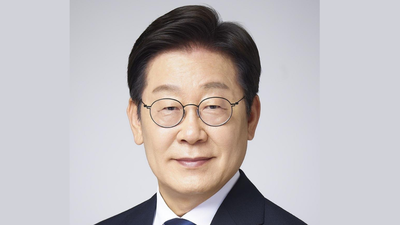
South Korean President Lee Jae Myung

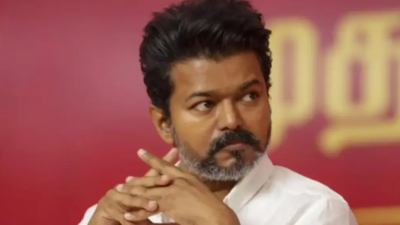
Make in India, Together with Korea: Korean president backs Atmanirbhar BharatAs he arrived in India for a State visit, South Korean President Lee Jae Myung said Koreas and India must work closely as emerging global leaders amid heightened geopolitical uncertainty, and that the 2 countries can give a new direction to multilateralism when it’s faced with mounting challenges. In an exclusive interview to TOI, Lee said while Korea exemplified remarkable economic growth under the multilateral trading system, India stood well placed to shape new global rules with its economic scale and dynamism. On China’s dominance in critical minerals, Lee said that reducing excessive dependence on any single country had become a matter of survival, directly linked to the economic security of both India and South Korea.Speaking on the Hormuz crisis, the president said that ensuring the security of critical maritime routes is essential for the survival of both nations and Korea will work together to ensure freedom of navigation in the key energy waterway. With focus now on defence industrial collaboration, the president said Seoul will fully back India’s “independent production” of defence equipment, while exploring joint technology development and coproduction. In an exclusive interview to Sachin Parashar and Alpyu Singh, South Korean President Lee Jae Myung shared his vision for the special strategic partnership with India in key areas like trade, technology, critical minerals, defence and ship-building in which Seoul is a global leader.

Excerpts:

This is your first visit to India as president. How do you hope to further strengthen the special strategic partnership with India in the current circumstances, especially in key areas like trade, and critical and emerging technology? India – the world’s most populous country, the fourth-largest economy, and a leading voice of the Global South – is an ideal partner for the Republic of Korea. Our partnership rests not only on highly complementary economies, but also on shared core values of democracy and a market economy. At a time of heightened geopolitical uncertainty and mounting challenges to multilateralism, it is more imperative than ever that Korea and India work closely together as emerging global leaders. Building on our Special Strategic Partnership, we will deepen comprehensive ties of cooperation that drives mutual growth and innovation, while expanding our strategic horizons. A key priority is accelerating negotiations to upgrade the Comprehensive Economic Partnership Agreement (CEPA). Beyond traditional sectors such as electronics and automobiles, we will broaden cooperation into shipbuilding, finance, and the defense industry, bringing to life the vision of “Make in India, Together with Korea.” We will also step up collaboration in AI and digital technologies. Korea’s, world-class AI infrastructure and India’s vast pool of AI talent make us natural partners. Together, we will actively identify projects that generate meaningful synergy. At the same time, we will further expand cultural and people-to-people exchanges, the enduring foundation of our relationship. By bringing together India’s rich cultural assets, exemplified by Bollywood, and Korea’s globally influential K-Culture, we aim to create even greater synergy. Since my first meeting with PM Modi in Canada in June last year, I have felt a genuine warmth and familiarity, as if reconnecting with an old friend. I believe in our shared commitment to people-centered politics, holding on to hope even in times of adversity. It’s therefore especially meaningful, and a great pleasure, for me to visit India and meet PM Modi again. I am confident that this visit will mark an important milestone in further strengthening the friendship and trust between our two nations. Like India, South Korea is heavily dependent on safe passage of ships through the Strait of Hormuz for its energy needs. How can both countries work together to aid efforts to keep the key energy route open and minimise the impact of the West Asia crisis on global economy and energy security, as well as to de-risk supply chains globally? Both the Republic of Korea and India depend on the Middle East for a significant share of their energy supplies, including crude oil and natural gas. Accordingly, ensuring the security of critical maritime routes is essential to the safety of our peoples and the very survival of our nations.Korea will maintain close communication with India to ensure that all vessels can navigate the Strait of Hormuz safely and freely. We will also continue to work together in relevant international forums to uphold this shared commitment. Another task that our two countries must undertake together is diversifying energy supply chains. Amid growing uncertainties in the global economy, I am confident that forward-looking and strategic cooperation between Korea and India can substantially further our shared national interests.The strategic defence partnership has been strengthened by the co-production of K9 Vajra howitzers. How do you propose to take this partnership forward, especially in terms of technology-sharing that could boost India’s Atmanirbhar Bharat initiative? The Republic of Korea fully supports India’s Atmanirbhar Bharat initiative. It is a plan of significant industrial and economic potential, and I am confident that it will certainly be realized thanks to PM Modi’s steadfast commitment. However, self-reliance is difficult to achieve entirely on one’s own. Korea’s rapid industrial development and economic growth were made possible through considerable support and assistance from partner countries.In this regard, Korea seeks to serve as India’s key partner in advancing the Atmanirbhar Bharat initiative. In particular, the K9 Vajra howitzer project stands as an exemplary case of our bilateral defense and defense industry cooperation. The contract for the second phase of the K9 Vajra project, signed in April last year, provides for more than 60 percent of the manufacturing process to be carried out in India. It is currently being implemented smoothly, as planned. Building on such examples of cooperation, Korea will continue to provide full support for India’s independent production and operation of defense equipment. Moreover, we will discuss various avenues of cooperation in joint technology development and coproduction as well as operations and maintenance, so that both countries’ defense industry ecosystems can advance together. Both countries are exploring opportunities for cooperation in critical energy transition minerals – amid global efforts for resource diversification to avoid reliance on China – and also in areas like the maritime sector and shipbuilding in which South Korea is a global leader. Is there any roadmap that you have in mind for a more result-oriented partnership in these areas? With global supply chains undergoing reconfiguration, reducing excessive dependence on any single country has become a matter of survival, directly linked to the economic security of both nations. In particular, securing critical minerals, which are essential for cutting-edge industries, and stabilizing the maritime logistics networks for those resources will be key factors in national competitiveness going forward.India possesses critical minerals, while Korea has the capabilities to manufacture them into rechargeable batteries, electric vehicles and other advanced products. This makes our two countries ideal partners for generating synergy. By moving beyond the traditional model of importing raw material and combining Korea’s technology with India’s mining and refining industries, we can work together to establish stable critical-mineral supply chains. There is also boundless potential for bilateral cooperation in the shipping and shipbuilding sectors. For India to emerge as a global logistics and manufacturing hub, securing shipbuilding and maritime transport capabilities is essential.With world-class expertise in shipbuilding and shipping, as well as extensive experience in overseas port projects, Korea is well positioned to become India’s foremost partner. I understand that relevant MOUs are expected to be signed during the upcoming visit. I look forward to the day when vessels jointly built by our two countries sail across the world’s oceans. Now that there are question marks about the US commitment to the Indo-Pacific under President Trump – and with Washington’s focus shifting also to West Asia – how do you propose to work with like-minded countries to ensure a free and open Indo-Pacific? The world today faces complex and multi-layered crises. We are in a time of profound upheaval, as rising protectionism and the restructuring of global supply chains unsettle the foundation of the existing international order.The war in the Middle East has underscored the strategic reality that the Indian and Pacific Oceans form a single, interconnected maritime space – one whose stability no country can secure alone. Despite its intense dynamism and vast potential, the Indo-Pacific, has long remained more a beneficiary than a shaper of the international order, constrained by geopolitical tensions and the lack of institutional frameworks,Today, however, regional countries, including Korea, have the capacity to lead in strengthening multilateralism and advancing a rules-based order. At this critical juncture, Korea will work closely with regional partners, playing a bridging role to foster deeper cooperation and help anchor a more resilient regional order.As strategic coordination and unity across the Indo-Pacific have become ever more vital, my government will continue to expand cooperation with regional partners, including India. In this spirit, we participated this year in the International Fleet Review and the multilateral exercise MILAN hosted by India. We intend to join the India-led Indo-Pacific Oceans Initiative. Peace and prosperity are essential to realizing a free and open Indo-Pacific. To that end, we will deepen cooperation with key partners, including India, in strategic sectors such as shipbuilding, finance, AI, and the defense industry.Both India and South Korea have been at the receiving end of the US tariff policy. While Seoul has signed a trade deal under which it will invest $350 billion in US industries, India’s efforts for a bilateral trade agreement with Washington is still a work in progress. What’s the advice you can offer to New Delhi on managing the trade relationship with the US? Also, how can India and South Korea help in keeping the global trade framework multilateral, rules-based and inclusive?Korea and the US were able to reach a successful trade agreement last year because both sides pursued creative, pragmatic solutions.A key elementof the agreement – “strategic investment in the United States” –was based on a shared understanding that Korea’s manufacturing sector can contribute to the revitalization of U.S. manufacturing. This enabled both countries to address pending tariff issues in an amicable manner, ultimately laying the groundwork for advancing industrial and supply chain cooperation.India possesses vast market potential as well as the geopolitical advantage of being a main pillar of the Indo-Pacific region. Accordingly, I believe that, rather than simply weighing the costs and benefits of opening the market, a more effective strategy would be highlighting India’s pivotal role in global trade. There is no denying that, even as it faces significant challenges today, the multilateral trading system has long stood as a central pillar of the international order, driving shared growth over the past several decades. Going forward, one of our most important tasks will be to safeguard the inclusivity of this system by establishing new rules that reflect the realities of a changing world. In this respect, India and Korea can play especially significant roles. Korea stands as a prime example of a country that achieved remarkable economic growth under the multilateral trading system, while India – with its vast economic scale and dynamism – is well positioned to help shape the new rules. Together, our two countries can take multilateralism in a new direction.The Korean Wave has a growing fan base in India. How can both countries leverage this cultural connect to deepen people-to-people ties through tourism, culture, cinema, music, education and collaborations between more creative industries? Recently, Made in Korea, a Korea–India coproduction set in Korea, topped Netflix India’s weekly film chart, gaining enormous popularity. Beyond just being a successful film, Made in Koreastands as a prime example of our two nations’boundless potential for cultural exchanges.India is emerging as a new hub of the global cultural industry, driven by its young and dynamic demographic structure, abundant creativity and advanced technological capabilities. Last year, HYBE – the agency behind BTS – established a subsidiary in Mumbai, a clear testament to the growing importance of the Indian market for Korea’s cultural industry.Our cultural exchange must now evolve into an era of co-creation. With both countries possessingcompelling cultural assets, technological expertise and outstanding talent, opportunities for cooperation – from content coproductionto talent development –are virtually boundless.There is also considerable potential in cultural heritage. Cooperation between National Museum of Korea and India’s planned Yuge Yugeen Bharat National Museum – envisioned as the largest of its kind in the world – could create a new model for sharing our heritage with future generations.Korea–India cultural cooperation and co-creation are ultimately about building new value together while respecting each other’s stories. At its core are people. Through deeper and broader collaboration across culture, tourism, education and the creative industries, I aim to bring our peoples closertogetherand build a shared future of growth.There is a rising interest among Indians in learning the Korean language. What steps is South Korea taking to support language learning and youth engagement to strengthen long-term cultural connections?Recently, interest in the Koreanlanguage and culture has been growing rapidly in India. A survey conducted last year revealed that approximately 83.8 percent of Indians expressed favorable views toward Korean cultural content. Thisdeepening interest and affection will form the strongest possible foundation for exchanges and cooperation between our two nations. Of great importance is the virtuous cycle that occurswhen learning language enhances cultural understanding, and cultural exchanges go on toincrease interest in the language. Currently, over 5,000 Indian students are studying Korean at the seven Sejong Institutes run by the Korean government and in Korean language classes at 43 primary and secondary schools across India. The Korean government is assisting with dispatchingteachers and distributing textbooks to enable more Indian citizens to learn Korean. Going forward, we plan to helpprovide Indians with Korean language education training. Moreover, we will implement more cultural experience programs at the Sejong Institutes to create synergy between cultural exchanges and language learning. Mutual interest between our younger generations, which stems from an understanding of language and culture, will further enrich our countries’futures. Both countries have strong capabilities in AI, semiconductors and emerging technologies. Are there plans for joint innovation hubs or co-development initiatives to strengthen global competitiveness? What do you see as the biggest challenges hindering deeper India–Korea cooperation today and what structural reforms are needed to boost investor confidence and sustain long-term engagement? We are living in an era of “global technological hegemony,” where national power hinges on cutting-edge technologies like artificial intelligence and semiconductors. In this time of crisis, I am confident that both our countries’national interests will be greatly served if Korea’s world-class, state-of-the-art manufacturing capabilities are combinedwith India’s software and talented individuals. Mahatma Gandhi, the great soul of India, once identified“science without humanity” asone of the “seven social sins.” His words, which resonate today inthe notion of “AI without humanity,” speak to the depth of India’s potential in AI and other advanced technological fields. On the occasion of the upcoming visit, a Korea–India Industrial Cooperation Committee is set to be newly established between Korea’s Ministry of Trade, Industry and Resources and India’s Ministry of Commerce and Industry to discuss ways to enhance bilateral cooperation. In addition, an MOU will be signed between Korea’s Ministry of Science and ICT and India’s Ministry of Electronics and Information Technology to promote policy exchanges and joint research and development in the digital domain. I hope these initiatives will serve as a catalyst for broadening the scope of cooperation between our two countries. There are still severaltasks aheadto deliver tangible results. Most of all, it is essential to streamline complex administrative procedures and regulations centered onthe domestic market to create a free, predictable and transparent business environment. Such structural reforms will help our two countries earn trust from global investors and capital providersand emerge as true technology hubs.

Source link