Stayed at the Hilton, no metal detector: How suspect bypassed security, opened fire at WH correspondents’ dinner

New video of Trump attacker: Gunman attacks security checkpoint, opens fire on personnel | dramatic scene

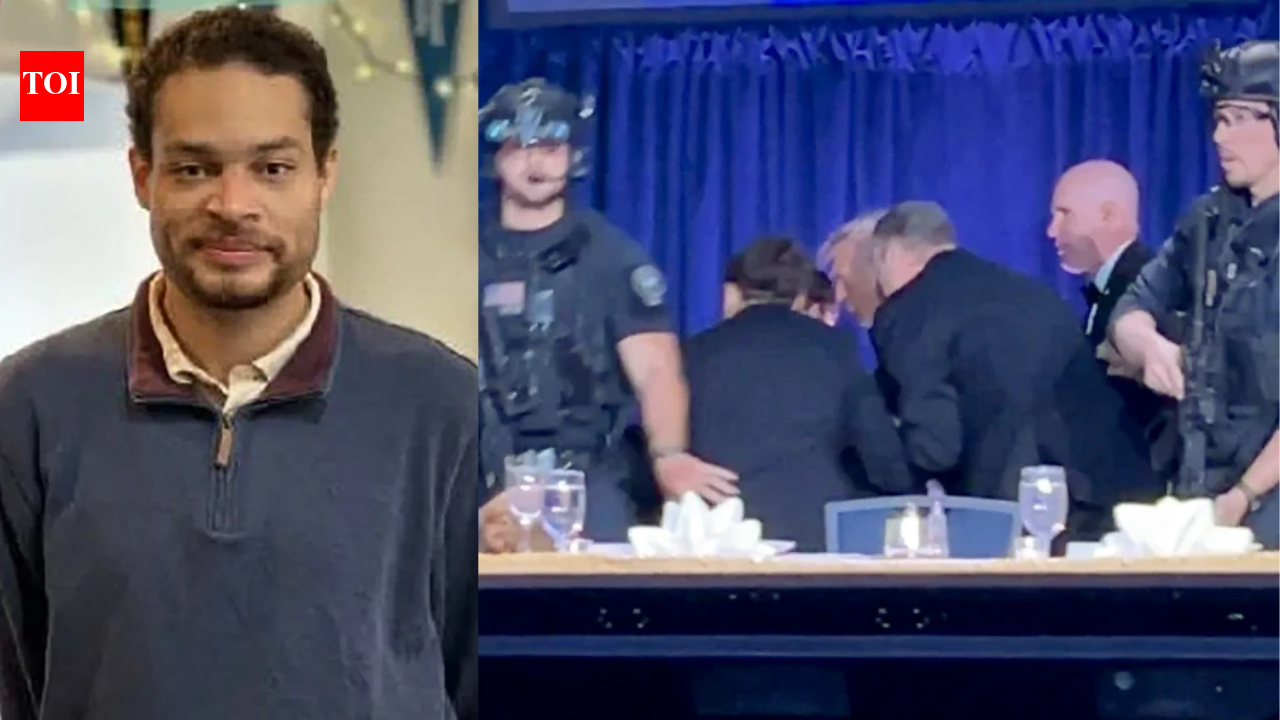
The suspect was identified as Cole Thomas Allen.

A White House Correspondents’ Association dinner celebrating freedom of the press erupted Saturday evening when an armed man breached security at the Washington Hilton and exchanged gunfire with law enforcement officers before being taken into custody.Investigators believe the suspect was able to get close to the incident due to gaps in the outer layers of security. Officials said he was staying at the hotel, which allowed him to enter as a guest and undergo external screening.

Watch

New video of Trump attacker: Gunman attacks security checkpoint, opens fire on personnel | dramatic scene

After the hotel was closed to the public from 2 p.m. until the 8 p.m. dinner, entry was restricted to hotel guests, ticket holders, invited attendees, and those with official documentation from the White House Correspondents’ Association.Officials also said that there were no metal detectors at the hotel entrances, with a secure perimeter established only close to the ballroom where the event was being held.A volunteer described how the suspect used an unsecured area inside the hotel to prepare the attack. Helen Mabus, quoted by the New York Post, said he was in a “temporary room” near the roof level entrance where bar carts were stored and that “there was no security” at the time. “He was in that room […] He took it out of a bag or something,” she said, adding that the weapon “was long” and “didn’t look like a normal gun.”He said he partially took the safety off while handling the weapon and then put it together […] Ran towards the stairs to go to the ballroom.Jeff Carroll of the Metropolitan Police Department said the suspect “attacked a U.S. Secret Service checkpoint” while carrying a shotgun, a handgun and several knives. He was pinned to the ground and handcuffed and it appeared that he was a “lone” gunman.According to the Associated Press, the suspect was identified as Cole Thomas Allen, 31, of Torrance, California. The U.S. attorney for the District of Columbia said he has been charged with aggravated firearms and assault.Security for the annual event is usually tight when the President attends. Inside the ballroom, additional measures were taken, including the Secret Service maintaining another perimeter around the President that included a buffer separating him and others seated at the main table from the rest of the attendees. Agents were stationed at the front of the stage and in its wings with heavily armed counter-attack teams ready to respond.Law enforcement officials said their “multi-layered security” worked as designed, even as the incident highlighted how the suspect was able to pass through less secure areas before reaching the interior checkpoint.Trump said the incident underscores why he wants to build a $400 million ballroom equipped with the latest security features on the White House grounds, a project that is currently subject to litigation.

Source link

Lights, camera…gone? The slow pace of India’s OG photo studio india news

Lights, camera...gone? India's OG photo studio slowing down

Sit straight! Chin up, look a little to the left… and just right!Do you remember those classic studio photos you grew up with? Deep velvet curtains, a plastic vase or a carved chair placed on the edge, and that soft glow on every face. Maybe it’s a passport photo, a neatly dressed family portrait, or that slightly tough photo from school, but you’ve surely seen at least one such image in an old album, hidden away among documents, or hung in a frame on the walls of your living room.But that era of ‘OG’ images is now long behind us. Those neighborhood photo studios, once bustling with people chasing the perfect frame, are now struggling to survive. That curious trip to the nearby ‘Suresh Photo Studio’ has been quietly replaced by the search for that perfect filter.It all started when cameras moved beyond the studios and into everyday homes. While photography had existed in India since the 1840s, it became truly common at the household level in the late 1990s and early 2000s, when digital cameras began to replace film.Before then, most families depended on film cameras from brands like KODAK and Agfa, or visited local studios for important pictures, as film rolls were limited and developing them cost money.

a gradual change

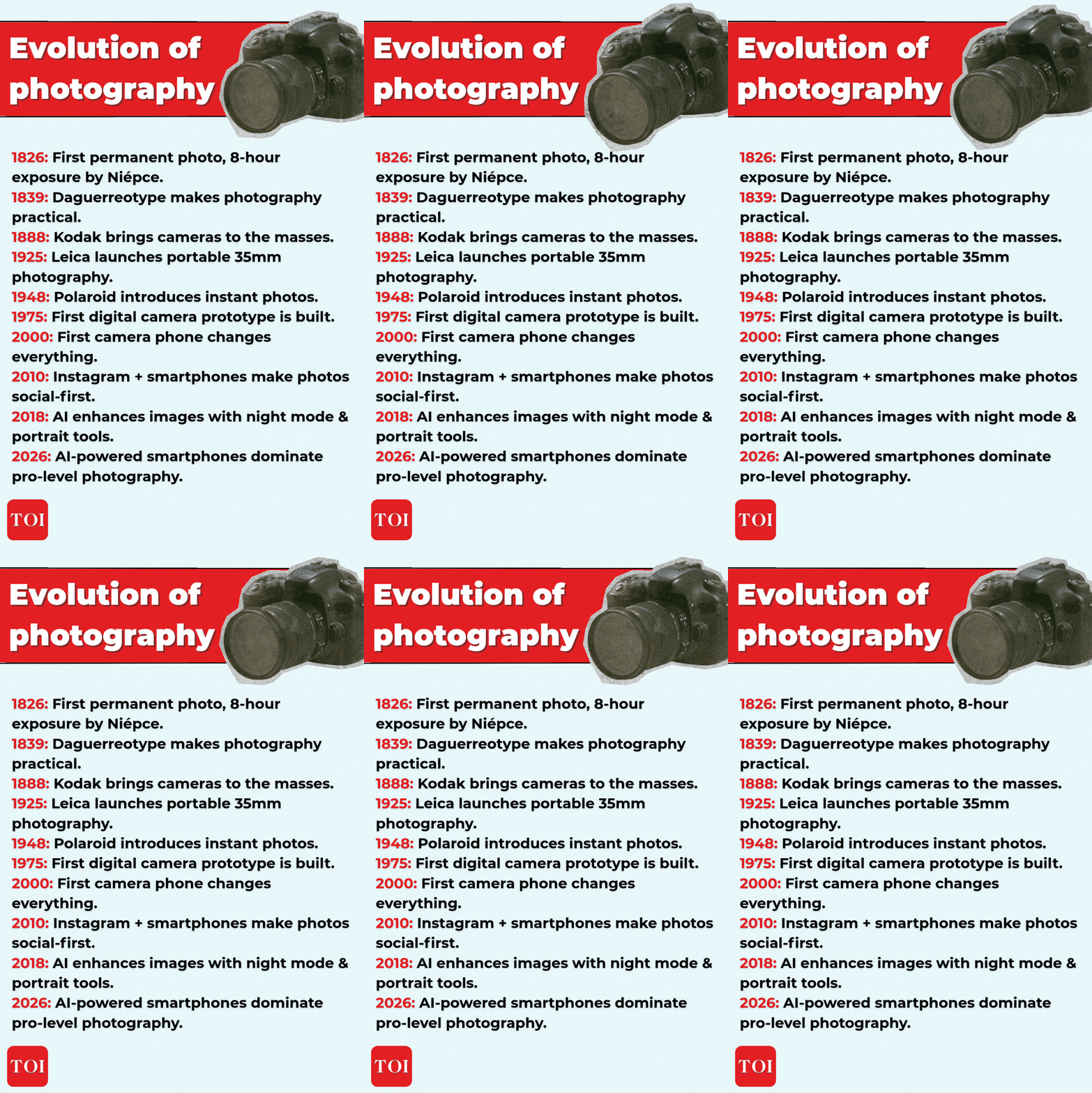
This change came with affordable digital cameras from companies like Sony, Canon, and Nikon, which made photography instant and limitless. By the 2010s, smartphones from Samsung and Apple made it universal, turning photography into an everyday habit rather than a planned event, and, looking back, made those old studio portraits even more special.

development of photography

Ironically, even a giant photo company like Kodak, which invented the digital camera through Steve Sasson in 1975, failed to benefit from this change and ultimately collapsed. Despite knowing that digital would replace film, it stuck to its traditional business, making poor strategic and leadership choices. By the time it tried to adapt, competitors had already taken over, making Kodak a classic example of losing the revolution it helped create.But Kodak wasn’t the only one that suffered losses. Its impact was equally keenly felt on the neighboring photo studio, which once thrived at the center of it all.

From long queues to silence

Those small shops where people used to wait patiently for their turn to get a good photo are now silent. Over time, the need to possess everything began to fade away as what was once an occasion turned into a habit. Now studios are wondering where they’ll fit.For many photographers, this change has been hard to ignore. Navneet Kumar Sharma, a generational photographer with 35 years of experience, recalls how things were different in the 1990s. “When I first entered the business, I used to work for 16 to 20 hours a day and even then, the work never ended. There was always something pending,” he told TOI. “At that time, the studios were almost always full, hardly stopping for a moment.”Today that crowd has almost disappeared. The Jaipur-based photographer says the rise of smartphones and easy access to cameras has clearly impacted his business, with bookings almost drying up. “We hardly get any appointments now, even during festivals, which used to keep our register full,” he says. “Occasions like Gangaur, Diwali or even birthdays used to be a steady source of income two decades ago, but now they have almost disappeared. Now customers come only for passport-sized photos.”

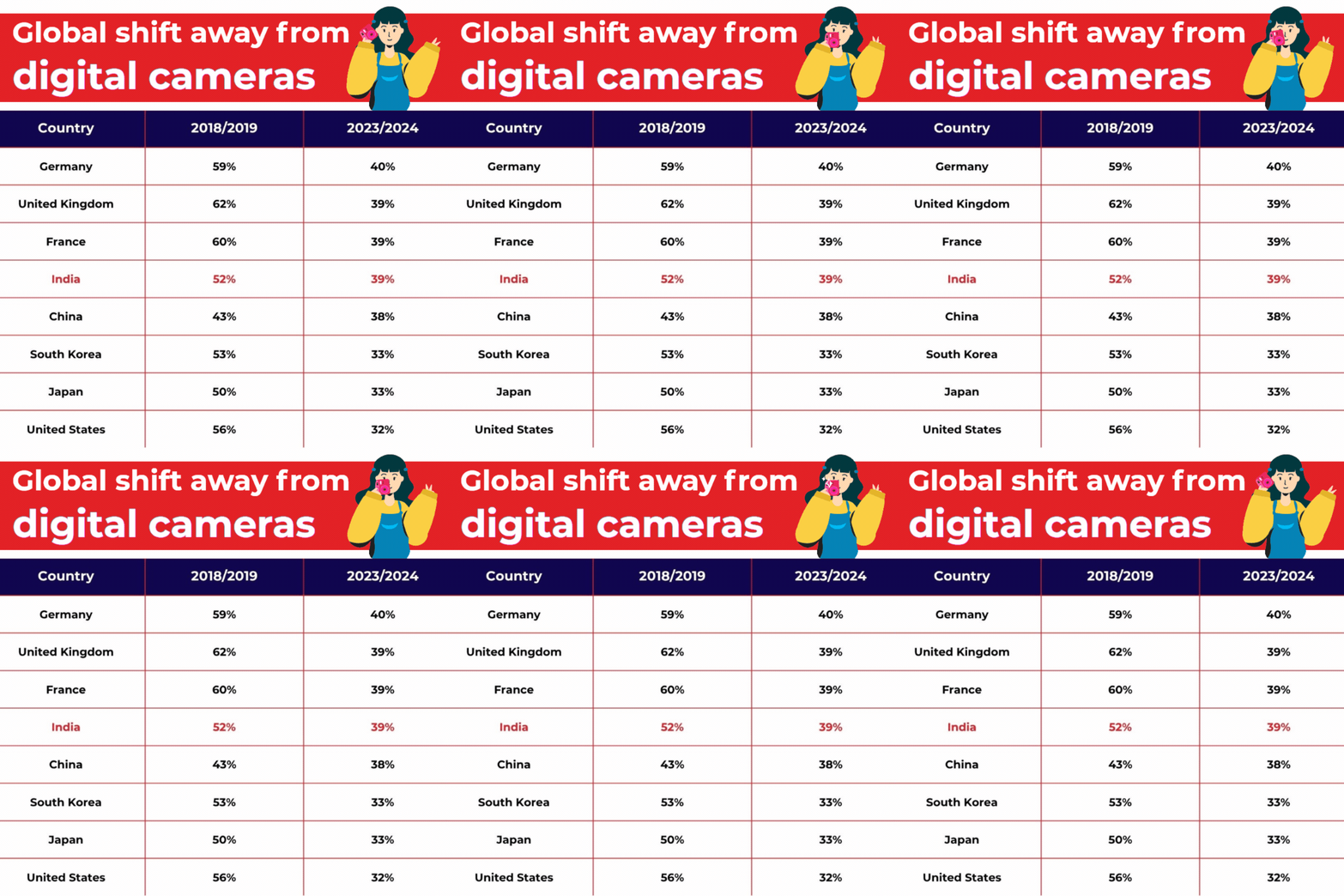
Info Credit: Statista

Info Credit: Statista

Romi, a middle-aged photographer, also describes the same situation. “We used to think photography was a safe profession because people would always want to have their photos taken, that’s how the memories stay alive,” he says. “But the change has been both sudden and gradual at the same time. The smartphone was basically the AI ​​of that era, taking over jobs here and there.”And for some, adaptation wasn’t enough. Girdhar, another photographer, says this change forced him out of his family’s studio and into a different job altogether. “I still work with cameras because it’s all I knew growing up. I watched my dad do it, and it became my world too. I’ve been passionate about this profession ever since.”He added, “The thought of learning something else never really crossed my mind.”

Then vs. Now – What does a day in your life look like?

From busy studios to silent waiting rooms“To sum it up in one word, every day feels like a struggle now,” Sharma said, reflecting on how much his work life has changed over the years. “It’s almost the same every day – opening the gates in the morning and then sitting and waiting for customers to arrive,” he added.He told how the nature of customers has also changed. “The number of visitors has already reduced, and those who come mostly come here only for passport-sized photographs. The whole job is over in five minutes,” he said.When the photo session became a five-minute taskReminiscing about the old days, Sharma talked about a very different atmosphere inside the studio. He said, “Earlier, people would come for proper photo sessions. They would pose, we would adjust the lights, adjust the curtains, change props here and there, it seemed like the whole setup was done. There was a kind of liveliness in the studio all the time.” “Now, it’s just the hope of getting a new order, a birthday, a wedding, a corporate event, anything that brings in some work.”

Photo Making - Process

Digital disruption and other challengesSharma also explained how the entire profession has changed with technology. He said, “The photography of yesteryear and the photography of today are like day and night, there is a huge difference.” “At that time, there was a standard rate and a standard way of doing things. But now, with digital, there are no reel costs, no cassette costs, everything has become smart and digital, stored on cards. Because of this, it is very difficult for photographers to stick to a fixed rate. One person works for Rs 1000, another does the same work for Rs 500, someone even does it for Rs 700.”He said the transition was not easy even for those already in the field. “When technology changed and new systems came in, we older photographers also had to adapt. The younger generation joined in later. Earlier, people would learn the job directly on the job. Now, there are colleges that also offer degrees in photography, with students studying it formally,” he said.“It has become very common now,” Romi said with a sense of resignation. “When I first entered this field, days felt like moments because there was so much happening. Now, it’s much slower. The wait feels longer than the work.”Sharma also highlighted how the entire medium has moved away from the studios. He said, “Earlier photography was done on cellulose tape and videos were recorded on VHS tapes, but now everything is digital.” “Most of the work that still exists has moved beyond the studio, it’s happening outside, on location.”He also explained how smartphones have changed customer expectations. “Customers often tell us that their smartphones take better photos than ours and they also question our pricing,” he said.

Many times I feel that I should leave this field. Because during the off-season, there is no work in the studio, no outdoor events. Very little work happens after April or May. And after May-June the wedding season also ends completely. In such a situation, it becomes very difficult to survive for four-five months. At that time I feel that I should leave it and do something else. There is so much family pressure and so many responsibilities that it becomes difficult to handle them. But what can I do? I never learned any other job, I never went anywhere else. That’s why it becomes very difficult. If I go, where should I go?

Navneet Kumar Sharma

A profession in transitionGirdhar also reflected on the fact that studio life had almost faded away. “A day of my life has never been the same,” he said. Like many in business, he eventually had to change careers due to declining business. “Now I have a job. When I realized that earnings were falling rapidly, I joined a local news channel as a camera person. It’s not the same, but I still have what I know best, camera skills. Thankfully, I can still work with the camera.”

a ray of hope

All is not lost for these photographers, they have slowly adapted to the changing times, even if the change has not been easy.Sharma reflects on how change was inevitable, but the older generation also learned to accept it. “Yes, when technology changed and new equipment came out, we were among the first to adapt.” Still the struggle for stable work continues. For Sharma, outdoor events are now the main source of livelihood. “Without weddings and functions, there is hardly any work… most days seem empty,” he quietly admits. The wedding season offers a sense of respite, he says. “Haldi, mehendi, pre-wedding shoots, these keep things going for a while. But once the season is over, everything goes quiet again. Then it’s just waiting… waiting for the next big moment,” he says, capturing the long stretches of uncertainty that now define his working life.Romi, who is working on regional film projects, said it has now become a major source of income. He said, “It is not just studio photography anymore. Work now comes from different places, sometimes a film shoot, sometimes an event. You have to keep moving forward with the work, otherwise you will be left behind.”Girdhar still occasionally does outdoor photography. “Studio work has reduced a lot, but outdoor shoots still happen, which brings in a little extra income,” he says.

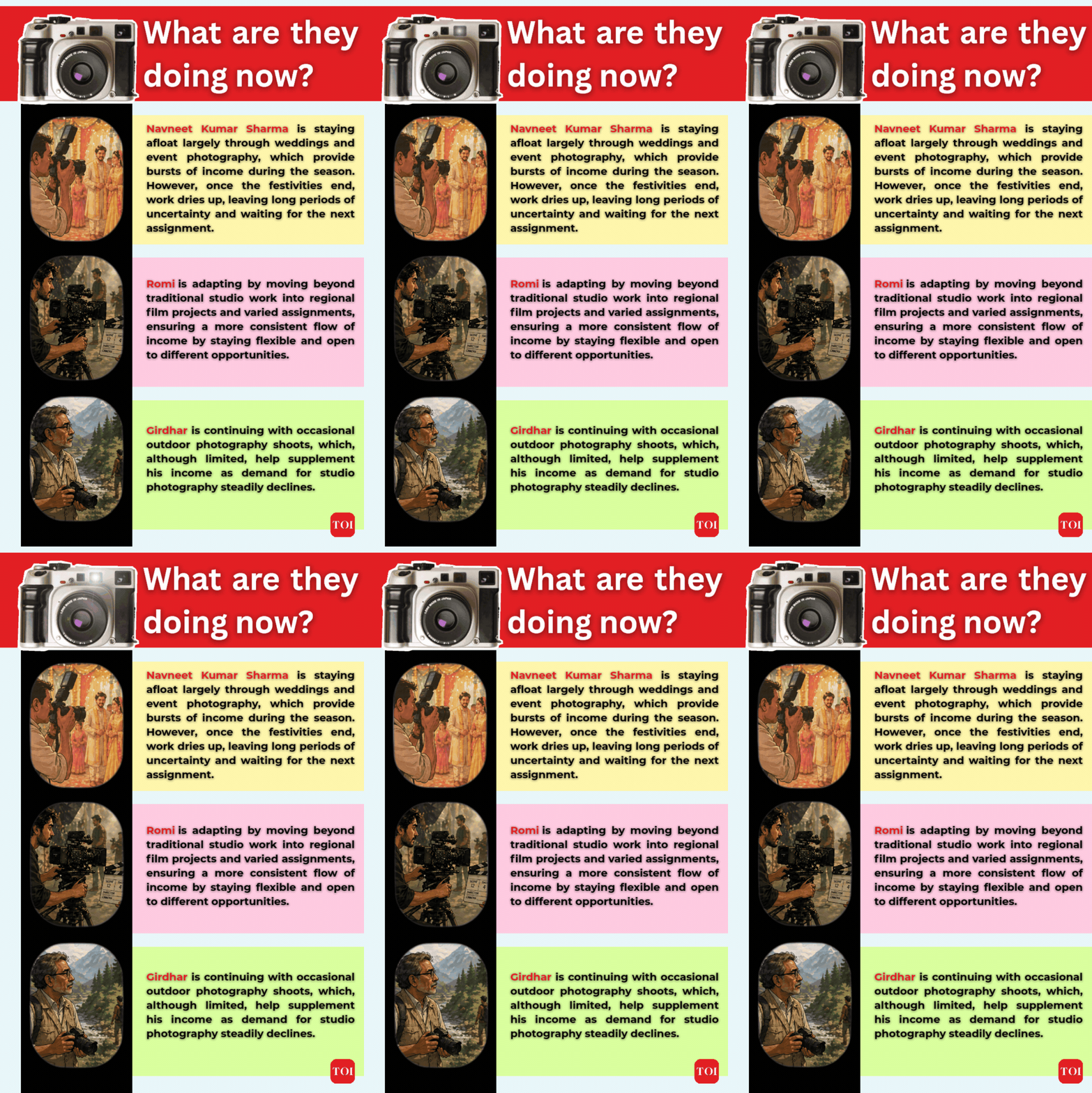
What are they doing now?

bottom line

Ultimately, the decline of the neighborhood photo studio reflects a larger shift in the way society creates and consumes memories. What was once a skilled, time-consuming art built around patience, composition and personal interaction has been replaced by instant, self-paced photography on smartphones.For many studio photographers, change means declining income, irregular work, and constant pressure to adapt or exit the profession altogether. Yet, even as the business has faded, their role in shaping visual memory remains vital, capturing moments that once required intention and effort. Sharma suggests that some form of government support, such as minimum wage protection or skill-based support, could help stabilize incomes and give the sector a fair chance of survival amid rapid technological change.These studios now exist on the margins, no longer the first choice, but still a cool reminder of a time when every picture had weight, preparation and permanence.

Source link

उत्तराखंड: चिपको आंदोलन की नेता बचनी देवी का 100 साल की उम्र में निधन, आडवाणी के जंगलों को बचाया था – उत्तराखंड चिपको आंदोलन की नेता बचनी देवी का लंबी बीमारी के बाद 100 साल की उम्र में निधन

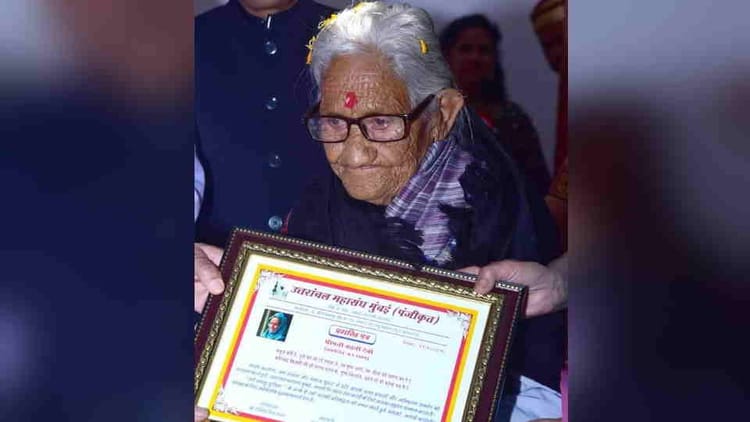
हेनवाल घाटी के चिपको आंदोलन की नायिका बचनी देवी का 100 वर्ष की आयु में निधन हो गया। उनका अंतिम संस्कार पैतृक घाट शिवपुरी में किया गया। उनके निधन पर चिपको आंदोलन से जुड़े लोगों और सामाजिक संगठनों ने शोक व्यक्त किया है.

नरेंद्रनगर विकासखंड के अदवाणी गांव निवासी चिपको नेत्री बचनी देवी का शनिवार को देहरादून स्थित आवास पर निधन हो गया। उनका अंतिम संस्कार रविवार को उनके गांव शिवपुरी के पैतृक घाट पर किया गया।

आपको बता दें कि 1977 में जब सरकार ने हेंवल घाटी के अडवाणी क्षेत्र में जंगलों की व्यावसायिक कटाई की इजाजत दी तो कटान का विरोध करने वाले आंदोलन के शीर्ष नेताओं धूम सिंह नेगी, विजय जड़धारी, सुदेशा बहन के साथ बचनी देवी भी खड़ी हो गईं, खास बात यह है कि उस समय गांव के प्रधान उनके पति थे, जो वन ठेकेदार भी थे. लेकिन जंगलों को बचाने के लिए उन्होंने अपने पति और परिवार से विद्रोह कर दिया।

उन्होंने कहा कि पहले परिवार और पहले जंगल को बचाना है. उन्होंने क्षेत्र की महिलाओं को आंदोलन में संगठित करने का भी काम किया। कई दिनों तक अपने परिवार के विरोध का सामना करने के बावजूद वह आंदोलन में सक्रिय रूप से भाग लेती रहीं।

उत्तराखंड: 28 नवंबर को मनाया जाएगा आपदा प्रबंधन दिवस, इसी दिन पूरा हुआ था सिल्क्यारा टनल का रेस्क्यू ऑपरेशन.

Source link

IPL 2026: MS Dhoni’s record broken; Sanju Samson overtakes CSK legend. cricket news

IPL 2026: MS Dhoni's record broken; Sanju Samson overtakes CSK legend
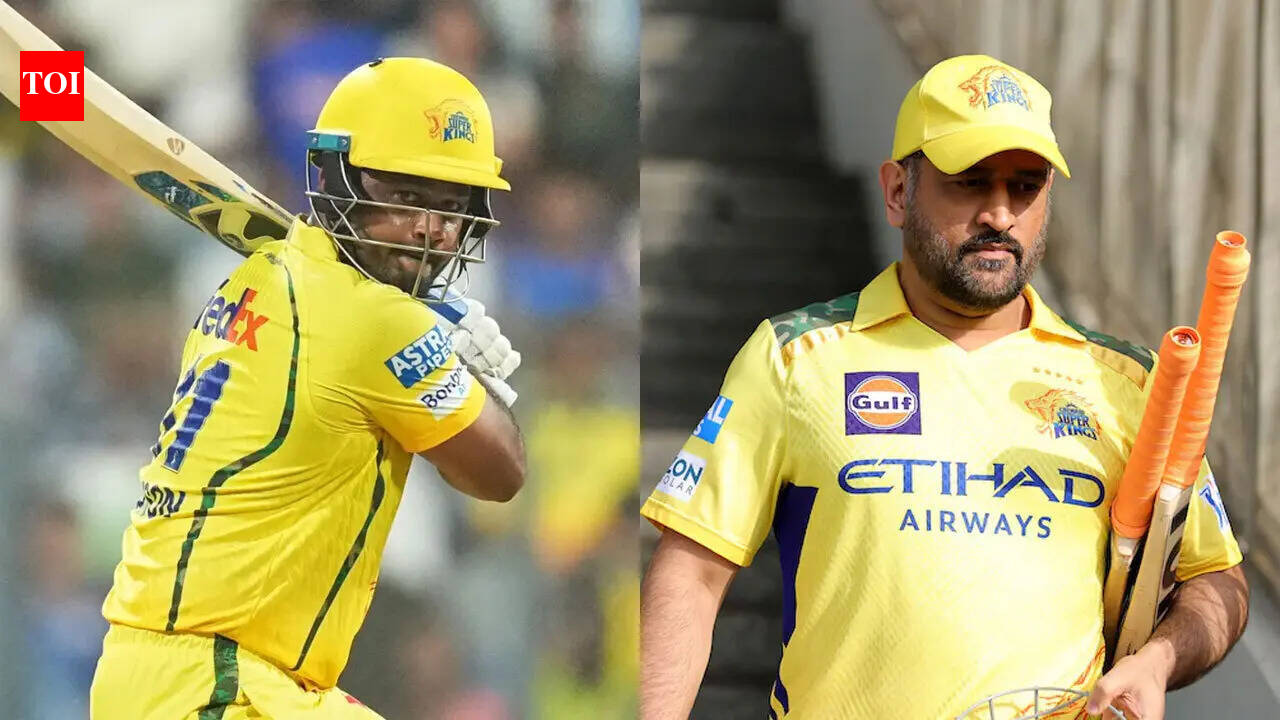
Sanju Samson and MS Dhoni (Image Credit: BCCI/IPL)

New Delhi: sanju samson Chennai Super Kings continued their excellent form in IPL 2026 against Gujarat Titans at the MA Chidambaram Stadium in Chennai on Sunday. The right-handed batsman once again showed his simple yet effective approach – watch the ball closely, and when in rhythm, send it across the boundary.Samson started his innings cautiously and faced the opening over of Mohammed Siraj, where he could score just one run. But he quickly changed gears in the next over and targeted Gujarat Titans fast bowler Kagiso Rabada. He hit a neat four off Rabada and in the process achieved a major milestone – 5000 runs in the Indian Premier League.

Watch

Bombay Sports Exchange: Gautam Gambhir, Munaf Patel on Virat vs Bumrah and Indian bowling.

This achievement put him among the elite, but what was more important was the speed with which he reached this milestone. Samson became one of the fastest batsmen to score 5000 runs in IPL history, leaving behind many big names in the format.The list of fastest players to 5000 IPL runs highlights his rapid rise among the great players.Fewest balls for 5000 IPL runs

  • 3288 AB de Villiers
  • 3554 d warner
  • 3555 S Samson*
  • 3620 s raina
  • 3688 KL Rahul
  • 3691 ms dhoni

AB de Villiers tops the charts after reaching this figure in 3288 balls, followed by David Warner in 3554 balls. Samson has now joined this elite group, leaving behind Suresh Raina (3620 balls), KL Rahul (3688 balls) and MS Dhoni (3691 balls), which underlines his consistency and strike rate in the league.

Most runs in Indian Premier League

player mat it goes HS avenue BF sr 100 50
Virat Kohli (Royal Challengers Bangalore) 274 8989 113* 39.95 6720 133.76 8 66
Rohit Sharma (Deccan Chargers/Mumbai Indians) 276 7183 109* 29.92 5417 132.60 2 48
Shikhar Dhawan (Delhi Capitals/Deccan Chargers/Mumbai Indians/Punjab Kings/Sunrisers Hyderabad) 222 6769 106* 35.25 5324 127.14 2 51
David Warner (Delhi Capitals/Sunrisers Hyderabad) 184 6565 126 40.52 4697 139.77 4 62
KL Rahul (Delhi Capitals/Kings XI Punjab/Lucknow Super Giants/Punjab Kings/Royal Challengers Bangalore/Sunrisers Hyderabad) 152 5579 152* 46.88 4029 138.47 6 42
Suresh Raina (Chennai Super Kings/Gujarat Lions) 205 5528 100* 32.51 4043 136.73 1 39
MS Dhoni (Chennai Super Kings/Rising Pune Supergiant) 278 5439 84* 38.30 3957 137.45 0 24
Ajinkya Rahane (Chennai Super Kings/Delhi Capitals/Kolkata Knight Riders/Mumbai Indians/Rising Pune Supergiant/Rajasthan Royals) 205 5184 105* 30.31 4130 125.52 2 34
AB de Villiers (Delhi Capitals/Royal Challengers Bangalore) 184 5162 133* 39.70 3403 151.68 3 40
Sanju Samson (Chennai Super Kings/Delhi Capitals/Rajasthan Royals) 185 5008 119 31.69 3562 140.59 5 26
Chris Gayle (Kolkata Knight Riders/Kings XI Punjab/Punjab Kings/Royal Challengers Bangalore) 142 4965 175* 39.72 3333 148.96 6 31

Meanwhile, Gujarat Titans captain Shubman Gill won the toss and elected to bowl first, hoping that the early conditions will help his attack. GT finished seventh in the points table with six points from three wins from seven matches, while CSK finished fifth with the same points but a better net run rate.Both teams made one change for this crucial mid-table clash. GT included Arshad Khan to strengthen their bowling options, while CSK added Urvil Patel to the playing eleven to add more balance to their lineup.Teams:Gujarat Titans: Shubman Gill (captain), Sai Sudarshan, Jos Buttler (wicketkeeper), Shahrukh Khan, Washington Sundar, Jason Holder, Rashid Khan, Arshad Khan, Kagiso Rabada, Mohammed Siraj, Manav Suthar.Chennai Super Kings: Sanju Samson (wk), Ruturaj Gaikwad (captain), Urvil Patel, Dewald Brevis, Shivam Dubey, Karthik Sharma, Jamie Overton, Akeal Hosein, Noor Ahmed, Anshul Kamboj, Gurjapaneet Singh.

Source link

‘Put it together, ran to the ballroom’: Volunteer remembers WH gunman gathering ‘long weapon’ in ‘makeshift room’

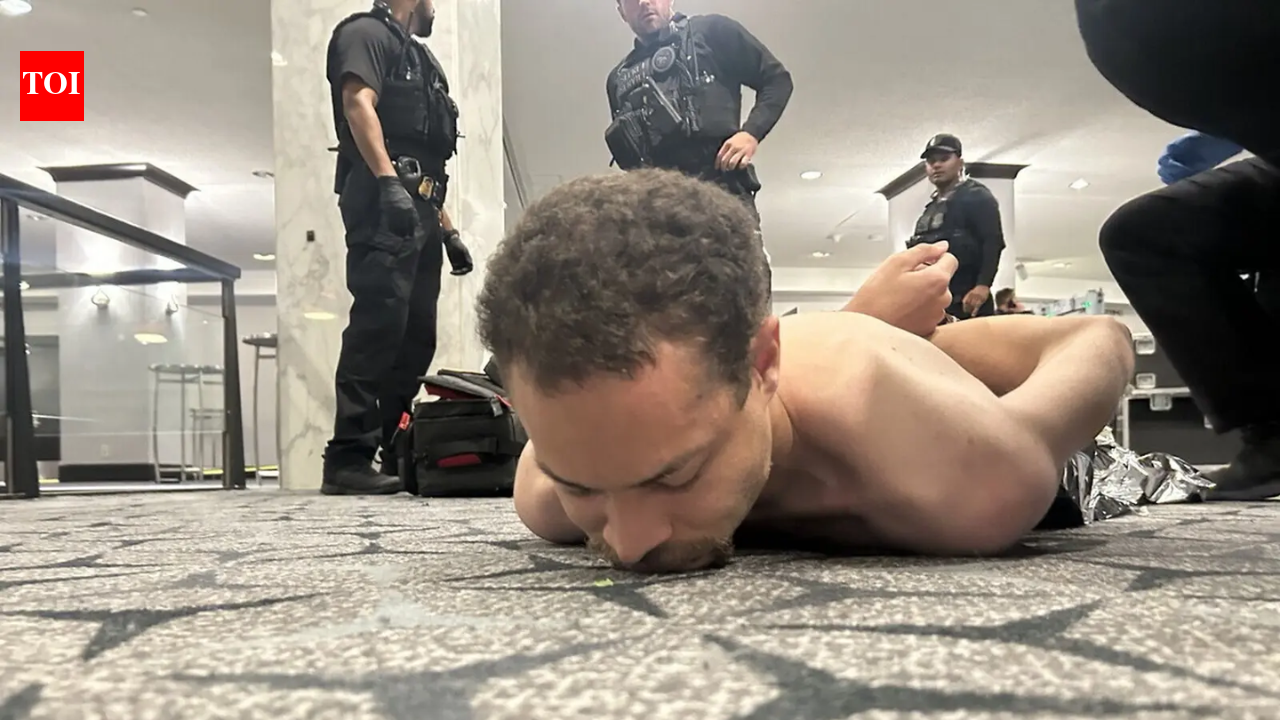
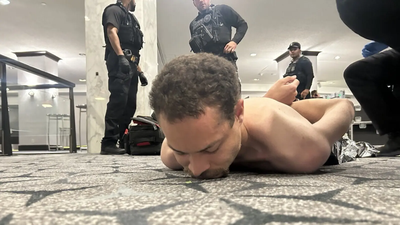
Trump reveals shooter's face; Thomas Allen was thrown to the ground without a shirt and with his hands tied. Watch

Cole Allen identified as suspect in White House correspondents’ dinner shooting incident (ANI)

A White House correspondents’ dinner volunteer said the suspected gunman was able to assemble a “long weapon” inside an unsecured, lightly monitored area near a roof-level entrance near the ballroom before the attack.The witness, Helen Mabus, a volunteer working at the event, described a “temporary room” near the entrance where bar carts were being kept and where “there was no security” at the time.

Watch

Trump reveals shooter’s face; Thomas Allen was thrown to the ground without a shirt and with his hands tied. Watch

“He was in that room […] He took it out of a bag or something,” Mabus said, adding that the weapon “was long” and “didn’t look like a normal gun,” Mabus said, as quoted by the New York Post.Mabus said the suspect was partially out of sight as he handled the weapon inside the room before heading toward the main venue. “He put it together and […] “Ran for the stairs to go to the ballroom,” she said.The gunman then began firing in multiple directions as guests and staff tried to flee.“It seemed like he was shooting everywhere,” Mabus said, estimating that he heard “at least 10 shots.”He said the firing caused immediate panic, with people screaming and running as armed personnel responded. Mabus said she ran in the opposite direction and did not see the suspect being held.The gunman, identified as Cole Allen of Torrance, California, was arrested after reportedly entering the Washington Hilton hotel and heading toward the ballroom, where President Trump and about 2,500 guests had gathered.Trump described him as potentially a “lone wolf guy” who “looked very bad.”The shooting began near the indoor security screening area after 8.30 pm, when salads were being served to guests. The Secret Service escorted Trump from the room, while members of his Cabinet hid under tables before being escorted out.A law enforcement officer was shot, with the bullet hitting his bulletproof vest. “When he ran into that checkpoint he had a shotgun, a handgun and several knives,” said D.C. Police Chief Jeffrey Carroll.“At this point it appears he is a lone actor, a lone gunman,” Carroll said. “There does not appear to be any risk to the public.”Jeanine Pirro, the U.S. attorney for the District of Columbia, said Saturday that Allen was charged with using a firearm during a crime of violence and assaulting a federal officer.Dramatic video posted by Trump on social media shows Allen opening fire and running toward the ballroom.A LinkedIn profile matching his name and photo describes him as a teacher at C2 Education, a tutoring and test preparation company. According to social media posts, the company honored him with “Teacher of the Month” in December 2024.

Source link

West Bengal Elections: PM Modi promises to give citizenship to Matua Namasudras under CAA. india news

West Bengal Elections: PM Modi promises to give citizenship to Matua Namasudras under CAA

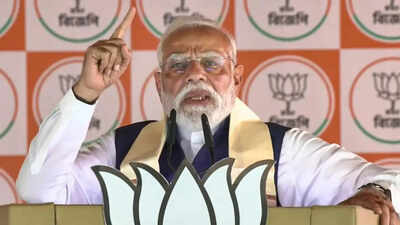
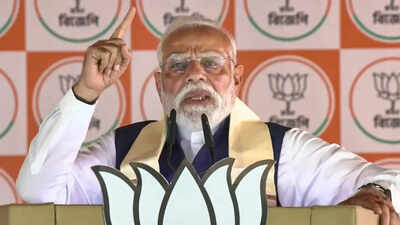
New Delhi: Prime Minister Narendra Modi on Sunday pledged to the Matua Namasudra community that they will get citizenship. Citizenship Amendment Act (CAA).“I pledge to the members of the Matua Namasudra community that they will get citizenship through CAA.” PM Modi Said at an election rally in Bongaon, BengalIn poll-bound West Bengal, the second phase of voting is taking place on April 29 in the Matua-dominated belt of North 24 Parganas and Nadia, with an unusual complication. A large section of voters are unsure whether they will be able to vote or not.The uncertainty has arisen from the Special Intensive Revision (SIR) of electoral rolls, which has led to significant deletions in Matua-heavy constituencies. In North 24 Parganas alone, around 3.25 lakh names have been removed from the voter list. Data from the main Matua pocket, Bongaon subdivision, shows that the deletion rate among those placed under the decision ranges between 67 per cent and 88 per cent. In Gaighata, 16,222 out of 22,278 marked voters were deleted, while in Baghdadh more than 15,000 deletions were recorded. Similar patterns have been reported in Bongaon North and South.In Nadia constituencies like Krishnanagar North, Krishnanagar South and Ranaghat areas, more than 90 per cent of the people who came under scrutiny did not make it to the final list. Administrative estimates show that a large proportion of the affected people are from the Matua Namasudra community.PM Modi also offered prayers at Thakurbari, the main temple of the Matua federation in Thakurnagar in West Bengal’s North 24 Parganas district, ahead of his election rally in the area.His visit to the community’s headquarters, which houses the temples of sect founders Hari Chand and Guru Chand Thakur, is seen as an outreach to Matua voters, who directly influence at least 34 assembly seats and another two dozen on the Bangladesh border.His support was instrumental in the BJP’s strong performance in the 2021 assembly elections.Founded by Hari Chand Thakur in the 19th century, the Matua Mahasangh is a socio-religious movement that has historically worked for the upliftment of the Namasudra community through education and social reform.Modi had visited the Thakurnagar temple in 2019 and also paid homage in Orakandi, Bangladesh in 2021.

Source link

बारात में इज्जत चाहिए… बस और शादी अखाड़ा बन गई, दुल्हन के भाइयों ने दूल्हे को पीट दिया.

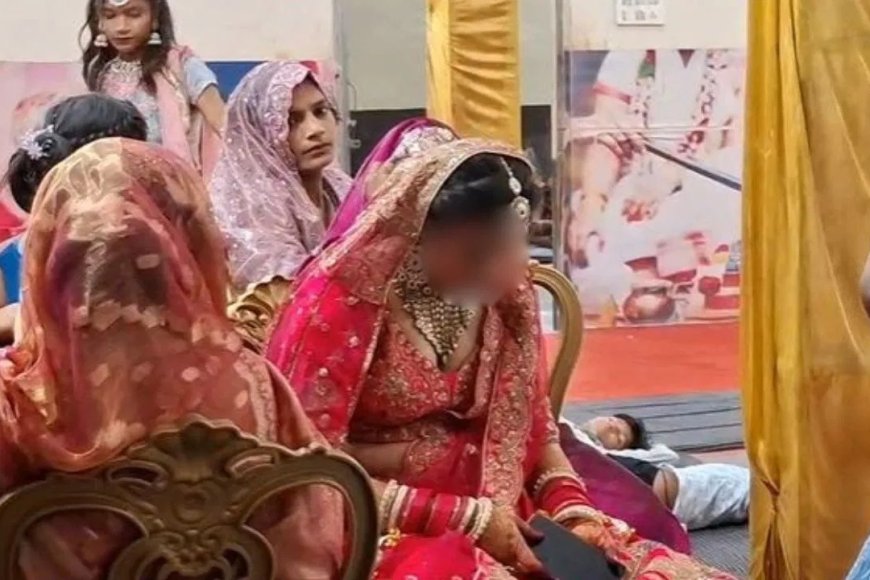
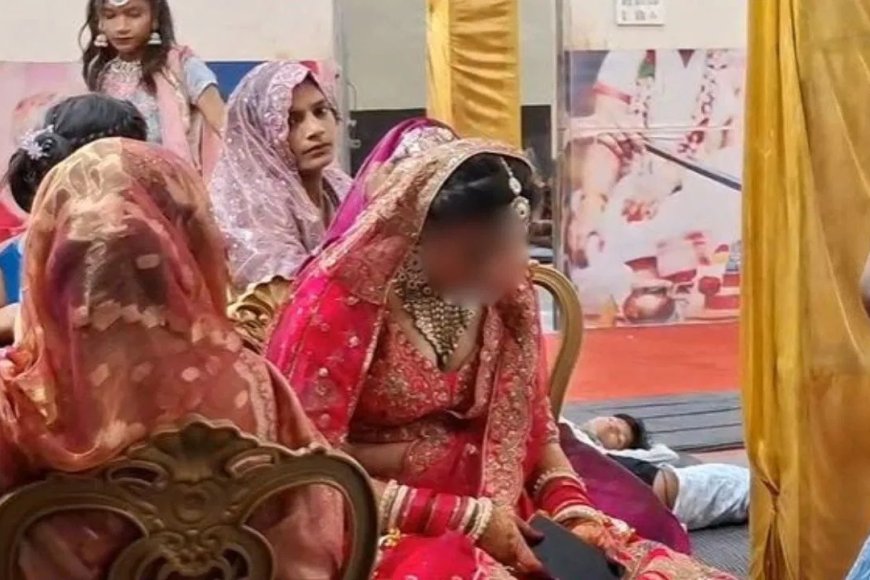
जालौन समाचार: उत्तर प्रदेश के उरई शहर में एक शादी समारोह उस वक्त हिंसा में बदल गया जब द्वारचार की रस्म के दौरान दूल्हे पक्ष पर अचानक हमला हो गया. करमेर रोड स्थित अष्टिका गेस्ट हाउस में चल रही इस शादी में खुशी का माहौल पल भर में दहशत में बदल गया. हमले में दूल्हा, उसके पिता और भाई समेत कई बाराती घायल हो गए। घटना के बाद पूरे समारोह में अफरा-तफरी मच गई और शादी की सभी रस्में रुक गईं। दुल्हन मंडप में बैठी अपनी शादी का इंतजार करती रही, जबकि दूल्हा पक्ष इलाज और कार्रवाई की मांग करने लगा।

द्वारचार के दौरान अचानक हमला
मिली जानकारी के अनुसार तिरही निवासी प्रदीप कुमार पाल ने बताया कि उनके भाई की शादी अष्टिका गेस्ट हाउस में हो रही थी. शादी दुल्हन के पिता अखिलेश सिंह पाल की बेटी से तय हुई थी, जो पथरेटा के रहने वाले हैं और उरई के राजेंद्र नगर में रहते हैं. रात में द्वारचार की तैयारी चल रही थी, तभी अचानक 10 से 20 युवक वहां पहुंचे और बिना किसी स्पष्ट कारण के दूल्हे पक्ष पर हमला कर दिया।

दूल्हे और उसके परिवार को निशाना बनाया गया
प्रदीप कुमार पाल के मुताबिक हमलावरों ने पहले उनके पिता और दूल्हे के भाई को पकड़ लिया और पीटना शुरू कर दिया. इसके बाद उन्हें भी निशाना बनाया गया. अन्य बारातियों को भी बेरहमी से पीटा गया. इस हमले में दूल्हे पक्ष के चार से पांच लोग घायल हो गए, जिससे मौके पर हड़कंप मच गया.

हमलावर दुल्हन पक्ष के रिश्तेदार
प्रदीप का आरोप है कि हमलावर दुल्हन की बुआ के बेटे थे। उन्होंने कुछ आरोपियों के नाम भी बताए, जिनमें अवधेश, मलखान, संतोष, संदीप, काशीराम, लालू और मुन्ना शामिल हैं. बताया गया कि उसके पिता मूलचंद दादरी थाना आटा क्षेत्र के रहने वाले हैं।

छोटी सी बात पर बड़ा विवाद
प्रदीप के मुताबिक, पहले जब दुल्हन पक्ष तिलक लेकर उनके गांव आया था तो यही कहा गया था कि बारात में भी इसी तरह का सम्मान और व्यवस्था होनी चाहिए. बाद में इसी छोटी सी बात पर इतना बड़ा विवाद खड़ा हो गया और मारपीट की घटना हो गई.

पुलिस पहुंची, जांच शुरू हुई
घटना के बाद मौके पर दहशत फैल गई, जिस पर स्थानीय लोगों ने किसी तरह काबू पाया. सूचना मिलने पर पुलिस पहुंची और घायलों को अस्पताल भेजा गया। उरई कोतवाली प्रभारी निरीक्षक आनंद कुमार सिंह ने बताया कि शिकायत मिली है और मामले की जांच के आधार पर आरोपियों के खिलाफ सख्त कार्रवाई की जाएगी.

Source link

IPL 2026: Why are teams giving up so many catches this season?

A virus is spreading in the Indian Premier League. This is a kind of virus which you do not catch, but leave. take him? No? Ok. We are talking about the catch-drop virus, which has taken over the 2026 season of the Indian Premier League. Big chances are falling short in every single match, effectively changing the fortunes of the game.

The latest example of the spread of the virus is Delhi Capitals’ match against Punjab Kings. Playing at the Arun Jaitley Stadium, the hosts scored a total of 264 runs, one of the highest ever scores in the history of the Indian Premier League.

dc vs pbks, IPL 2026: highlighted | Achievement:

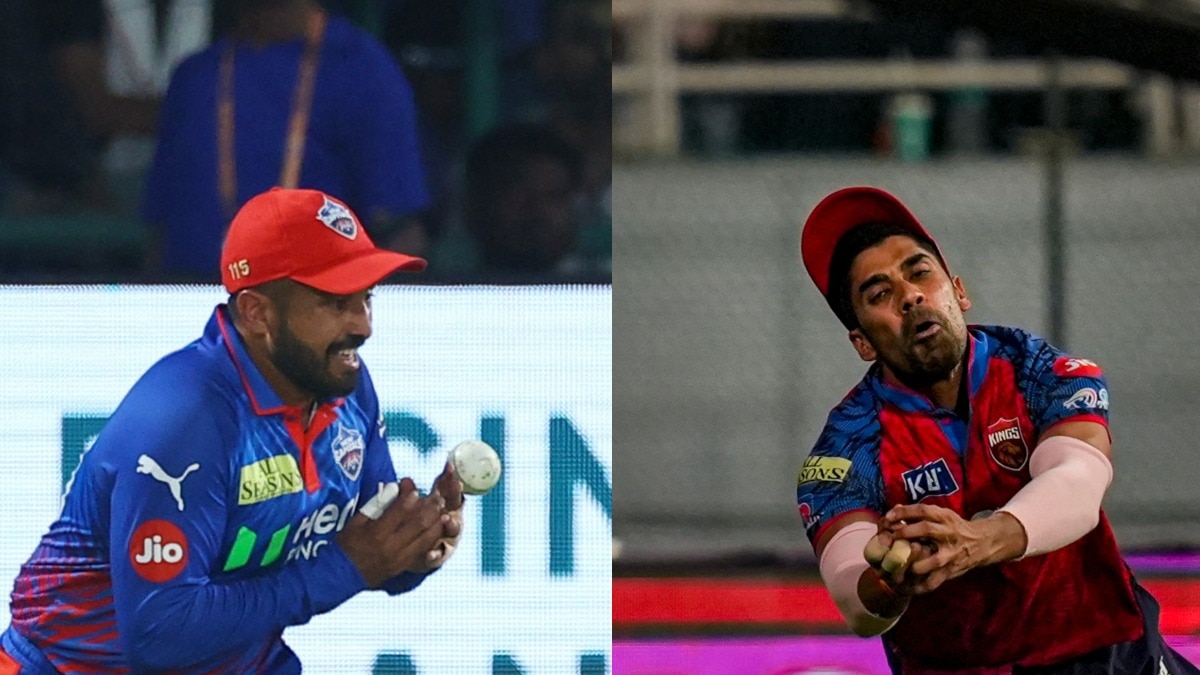
Delhi were helped by a crucial chance dropped by KL Rahul in the third over of the game. Shashank Singh, posted on the leg side boundary, failed to catch a direct chanceThe ball fell from his hand.

Rahul punished Punjab hard by scoring 152 runs, which is the highest score by an Indian in the history of the tournament.

But once Shashank sneezed, sorry, the catch was missed, the virus spread. Delhi Capitals dropped six catches on the field That same evening.

One of them came from the bat of Shreyas Iyer in the 15th over. Iyer, who has a sensational record of remaining unbeaten while chasing big scores, got a lifeline from Karun Nair at long-off and moved forward. Guide your team to achieve the highest ever T20 target in the history of the tournament.

Delhi vs Punjab was not the only example. A total of 17 catches fell between the 2 matches played on 25 April. Later the same evening in the Rajasthan vs Hyderabad game, Jaipur missed several chances as SRH chased down 229 with ease.

It needs to be pointed out that the culprits in question – Karun Nair, Shashank Singh, or, for that matter, Lungi Ngidi, who stumbled badly while trying to take the catchNot a bad fielder. In fact, fielding is one of their most defining characteristics, and they are regularly placed in areas of high activity, also known as hotspots.

But somehow they continue to drop catches.

Continuous decline in catching efficiency since 2020

At this point, it should be pointed out that this catch-drop virus is not new. Since 2020, there has been a steady decline in catching efficiency in the Indian Premier League.

In 2020, 85 out of every 100 catches were being taken. IPL. This number had fallen to 76 out of 100 midway through IPL 2025. This year, it is likely to be even lower.

This means the problem isn’t just a few bad nights under the lights. This has turned into a pattern.

In an era where players are faster, fitter and more athletic than ever before, it seems strange that something as basic as catching has become such a recurring problem. But perhaps that is exactly the point. Catching up is not glamorous. It is repetition, sharpness, awareness and concentration. And when fatigue sets in, it’s often the first thing to disappear.

Why are so many catches decreasing?

Interestingly, Yuzvendra Chahal, one of the frequent patients of this catch-drop virus, had said at the beginning of the season that no one comes into the game thinking that they will drop a catch. They happen, and they’re just a part of the game.

Now check out this attempted catch by Chahal in Punjab’s match against Mumbai earlier this season.

Yes, brother Yuzi, no one wants to leave them. But of course closing your eyes before the ball arrives doesn’t help.

Shashank Singh, one of Punjab’s best fielders, has missed four of his last five chances. An opportunity he didn’t miss, he didn’t even try. He stood on the boundary and watched the ball cross the rope, despite the ball not being very far from his reach.

Is it a lack of awareness of the game?

India Today spoke to former IPL player Shrivatsa Goswami on this issue. Goswami, who was a sensational wicketkeeper during his playing days, was himself largely immune to the virus. Reacting to the number of catches dropped, the former Bengal star believed that it was down to one thing: awareness of the game.

When those players were on the field they were not switched on.

While this may explain the fielding efforts of players like Yuzvendra Chahal, whom teams often hide in easy positions, it does not explain this particular chance dropped by Washington Sundar.

While fielding at short midwicket, Washington dropped a dolly on the ball of Virat Kohli.

outcome? you guessed it.

Chasing the target of 206 runs, Kohli guided RCB with a stormy innings of 81 runs, which helped the team achieve the target in just 18.5 overs.

Sometimes, awareness is the answer. Sometimes, it’s just fatigue.

unforgiving schedule

Since Covid-19, cricketers have been stuck in an unimaginable calendar. At least one ICC event every year, multiple franchise tournaments around the world and a stressful bilateral schedule have forced players to live in a constant state of frenzy.

In 2024, players got barely a week’s break between the IPL and the T20 World Cup. The story was almost the same in 2026 also. The World Cup ended on March 8, and players reported to IPL camps just a week and a half later.

Too much cricket is real. Fans feel it all the time. Probably it has affected the players also.

The IPL schedule itself is unforgivable. Delhi Capitals lost a heartbreaking match on Saturday. They will have to overcome the physical and mental fatigue from that defeat and prepare for the second match on Monday.

In such scheduling nightmares, teams often ask their first XI players to prioritize recovery. This means pool sessions, massages, muscle recovery, and just mentally switching off. This also means less fielding practice and less catching sessions.

And ultimately this is reflected in the game.

Mohammad Kaif, one of India’s best fielders, said that there is no doubt about it. If players do not practice their fielding skills will not improve. However, the bigger question is when exactly they should get the time.

Kaif said on his YouTube channel, “Fielding is like a hasty meal, it’s like breakfast. Constant traveling over a period of a month makes players tired. They use the breaks to massage, to recover. It means you are reducing your fielding load in training over time, and you concentrate on your specialist job, batting or bowling. You will see in every single IPL that as the tournament progresses, more and more catches are dropped. Are.”

This year, especially, there has been no respite from the heat waves across the country. In Delhi, the sun was so bright that you could hardly catch the ball if it went up in the air. The heat physically exhausted the players, causing them to suffer severe fatigue, dehydration and cramps.

Although dropping catches is no excuse, it would be unfair to solely blame the players without taking into account external factors.

Yes, the implementation is at fault. But so are the calendars, the heat, and the frustrating travel schedules.

Then again, the catch-drop virus isn’t really a secret. This is characteristic of a game that rarely stops, with players who are constantly traveling, constantly recovering, and constantly preparing for the next game before the previous one is completely over.

No one comes to a match with the desire to remove a sitter. No one is planning to become the next viral clip on social media. But in a relentless tournament like the IPL, sometimes the easiest chances turn out to be the hardest to retain.

ipl 2026 | ipl schedule | ipl points table | ipl player stats | purple cap | orange cap | ipl video | cricket news | live score

– ends

published by:

Debodinna Chakraborty

Published on:

April 26, 2026 14:44 IST

tune in



Source link

Tamil Nadu Elections: All credit not to SIR, more than 24 thousand people voted. chennai news

Tamil Nadu Elections: All credit not to Sir, more than 24 thousand people voted

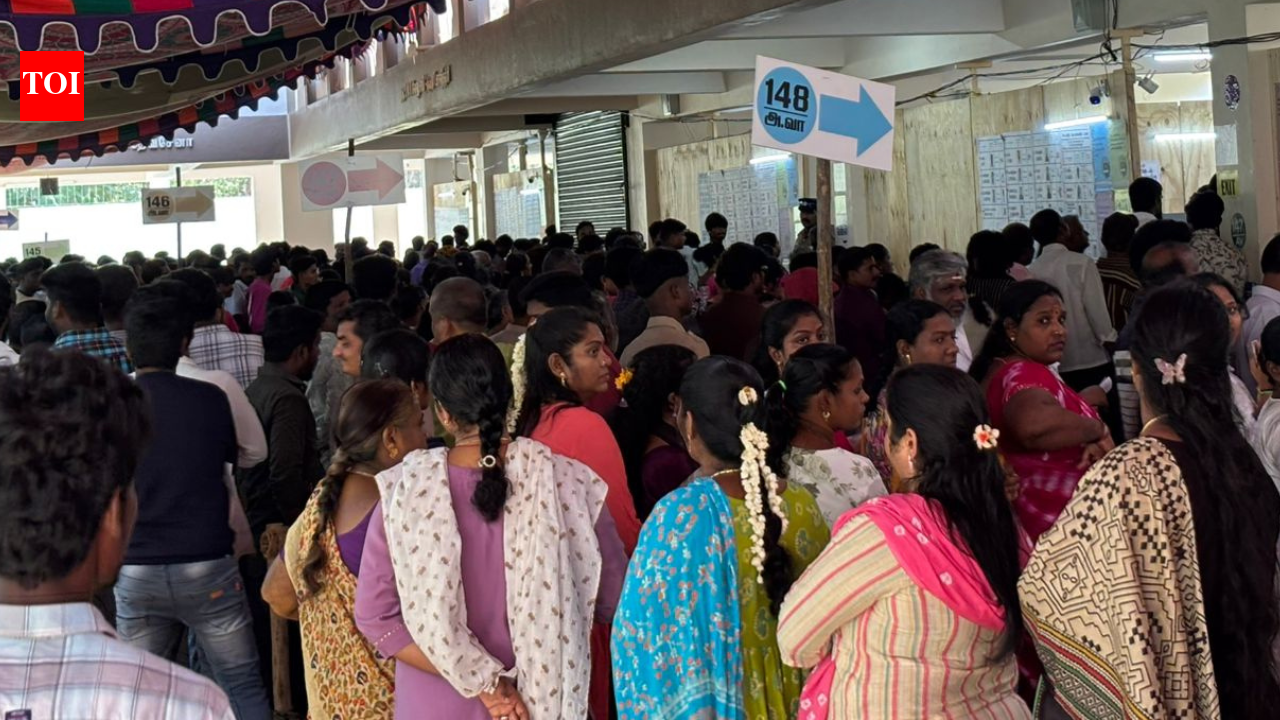
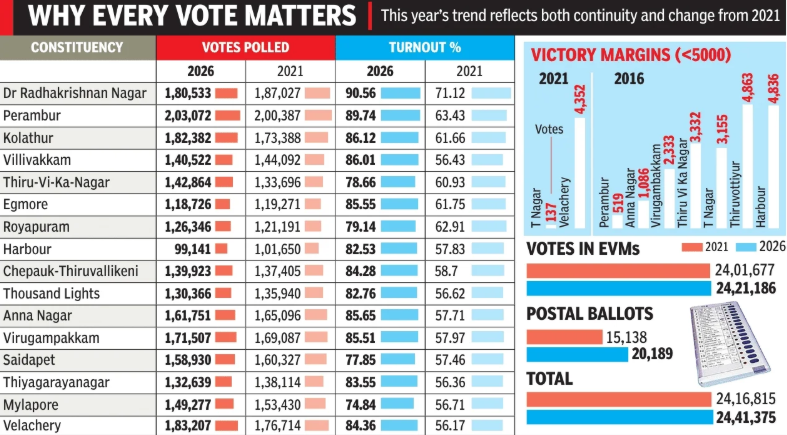
Chennai: Nearly 20,000 more voters turned up at polling stations in 16 constituencies on April 23 compared to the 2021 assembly elections, at the peak of the second wave of Covid-19.On Saturday, after re-verifying polling booth data and adding postal ballots, the ECI put the total votes cast in Chennai at 24.41 lakh. Postal ballots – which include votes cast by the elderly at home, people on essential duty, election staff and police personnel – yielded 20,189 votes.With postal ballots, the increase in 2026 reaches 24,560 votes compared to 2021. The increase in voting percentage is not only because of SIR (Special Intensive Revision), which has reduced the city’s roll from 48 lakh to 28.3 lakh, but also because more people have come to vote in eight of the 16 constituencies.

-

This year’s trends show both continuity and change from 2021. Voting percentage was high in RK Nagar (90.56) and Perambur (89.74). But, while Perambur – where TVK leader Vijay is contesting – got 3,662 more votes than last time, RK Nagar polled 6,103 fewer votes. With 2.03 lakh votes, Perambur recorded the highest number of votes in the city, followed by Velachery with 1.83 lakh, a constituency that recorded the lowest turnout in 2021. Chief Minister MK Stalin’s Kolathur recorded 1.82 lakh votes. Apart from the third highest number of votes, Kolathur also recorded the biggest increase between the two elections, adding 10,726 votes. Election experts say these additions could prove crucial in a city where many constituencies have historically been decided by narrow margins. “This time we have a third player and the margins may narrow. This is a seat-by-seat election and who splits whose votes – and who manages to retain their base – will decide the outcome,” said Arun Krishnamurthy, election analyst at Krish Info Media.In 2021, DMK won T Nagar by just 137 votes; In 2016, Perambur was decided by a margin of 519 votes. In at least six constituencies – including Anna Nagar, Virugambakkam, Thiru-Vee-Ka Nagar, T Nagar, Harbor and Thiruvottiyur – the victory margin in 2016 was less than 5,000 votes. Yet, the civic engagement gap in the city remains glaring. This year too, 4.7 lakh people did not vote, which is slightly more than the number of voters in Madhavaram.GCC Commissioner J Kumaragurubaran said, “Sir, this is the best sweep program done by GCC. If we had worked hard with awareness, we could have reached 90%.”

Source link

मुजफ्फरनगर/जानसठ: चित्रकला, गणित प्रश्नोत्तरी व खो-खो में छात्र-छात्राओं ने दिखाई प्रतिभा, कावेरी व गंगा हाउस रहे प्रथम।

मुजफ्फरनगरज्ञानस्थली पब्लिक स्कूल, जानसठ में आयोजित अंतरसदनीय प्रतियोगिताओं ने विद्यालय परिसर को उत्साह एवं ऊर्जा से भर दिया। विभिन्न कक्षाओं के विद्यार्थियों के लिए आयोजित इन प्रतियोगिताओं में बच्चों ने चित्रकला, गणित प्रश्नोत्तरी और खो-खो जैसी गतिविधियों के माध्यम से अपनी प्रतिभा का प्रभावशाली प्रदर्शन किया। प्रतियोगिताओं का उद्देश्य विद्यार्थियों के बौद्धिक, रचनात्मक एवं शारीरिक विकास को प्रोत्साहित करना था।

स्कूल प्रबंधन के मुताबिक ऐसी गतिविधियों से न सिर्फ विद्यार्थियों में आत्मविश्वास बढ़ता है बल्कि टीम भावना और नेतृत्व क्षमता का भी विकास होता है।


चित्रकला प्रतियोगिता में युवा कलाकारों ने दिखाई कल्पना की झलक

कक्षा 3 से 5 तक के विद्यार्थियों के लिए आयोजित चित्रकला प्रतियोगिता में छोटे बच्चों की रचनात्मकता विशेष रूप से दिखाई दी। रंगों के माध्यम से विद्यार्थियों ने अपने विचारों को आकर्षक चित्रों के रूप में प्रस्तुत किया, जिससे प्रतियोगिता का माहौल सजीव हो गया।

कक्षा 3 से अदीना, सिमरत, माही, मोहम्मद रजा, याशिका, अगम खुराना और उत्कर्ष ने उत्कृष्ट प्रदर्शन किया और प्रथम स्थान पर रहे। कक्षा 4 से यशस्वी, ओजस्वी, आशवी कंबोज, तापसी तंवर, लवी और अरहान खान ने अपनी कला का प्रभावशाली प्रदर्शन किया।

कक्षा 5 के छात्र अवनि, हरमन, अनंत राज कौशिक, अपार सिंह, युसरा बतूल और सदफ़ ने अपनी रचनात्मकता से निर्णायकों को प्रभावित किया और प्रथम स्थान प्राप्त किया।


गणित प्रश्नोत्तरी में दिखाई गई तीव्र सोच और तार्किक क्षमता

कक्षा 6 से 8 तक के छात्रों के लिए आयोजित गणित प्रश्नोत्तरी प्रतियोगिता में चार सदनों – गंगा, यमुना, कृष्णा और कावेरी के बीच दिलचस्प प्रतिस्पर्धा देखी गई। प्रतियोगिता के दौरान विद्यार्थियों की त्वरित सोच और गणितीय समझ ने सभी को प्रभावित किया।

कड़ी प्रतिस्पर्धा के बाद कावेरी सदन ने शानदार प्रदर्शन करते हुए यमुना सदन को 10 अंकों से हराकर प्रथम स्थान प्राप्त किया। प्रतियोगिता के दौरान छात्रों का आत्मविश्वास और टीम वर्क विशेष रूप से सराहनीय था।


खो-खो प्रतियोगिता में रणनीति और गति का अद्भुत संगम देखने को मिला.

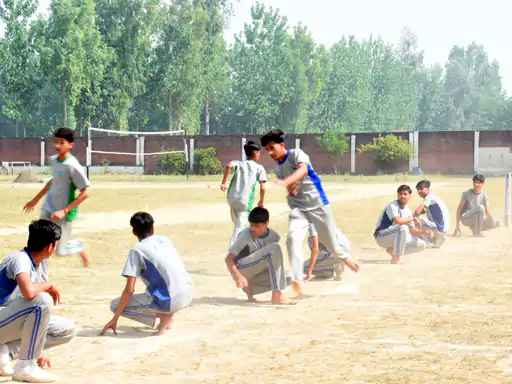
कक्षा 9 से 12 तक के विद्यार्थियों के लिए आयोजित खो-खो प्रतियोगिता ने पूरे कार्यक्रम को रोमांचक बना दिया। तेज गति और रणनीतिक खेल के कारण प्रतिभागियों के बीच कड़ी प्रतिस्पर्धा थी।

बालक वर्ग में गंगा सदन ने कावेरी सदन को मात्र एक अंक से हराकर प्रथम स्थान प्राप्त किया। वहीं बालिका वर्ग में यमुना सदन ने उत्कृष्ट प्रदर्शन करते हुए गंगा सदन को एक अंक से हराकर जीत हासिल की।

इस प्रतियोगिता ने छात्रों में खेल भावना और प्रतिस्पर्धी ऊर्जा को और मजबूत किया।


ऑपरेशन में विद्यार्थियों ने भी सक्रिय भूमिका निभाई

कार्यक्रम का प्रभावी संचालन कनिक, विदिशा एवं आरोही ने किया। कार्यक्रम को व्यवस्थित एवं आकर्षक बनाये रखने में उनकी प्रस्तुति ने अहम भूमिका निभायी.

स्कूल प्रशासन ने छात्रों की इस भागीदारी की सराहना की और इसे नेतृत्व कौशल विकसित करने का एक महत्वपूर्ण अवसर बताया।


प्राचार्य ने विद्यार्थियों को सर्वांगीण विकास का संदेश दिया

विद्यालय प्राचार्य दीपक कुमार धीमान उन्होंने छात्रों को प्रोत्साहित करते हुए कहा कि शिक्षा केवल पाठ्यपुस्तकों तक ही सीमित नहीं होनी चाहिए, बल्कि खेल और सह-पाठ्यचर्या संबंधी गतिविधियों में भाग लेना भी उतना ही महत्वपूर्ण है।

उन्होंने कहा कि ऐसी प्रतियोगिताओं से विद्यार्थियों में आत्मविश्वास, अनुशासन और सहयोग की भावना विकसित होती है, जो उनके भविष्य निर्माण में अहम भूमिका निभाती है।


शिक्षकों के सहयोग से आयोजन सफल रहा

कार्यक्रम को सफल बनाने में विद्यालय के शिक्षकों का विशेष योगदान रहा. कार्यक्रम को सुचारु रूप से संचालित करने में ज्योति, विपिन कुमार, कुमुद शर्मा, हैप्पी चौहान, साहिल, सुगंध व अंकित सक्सेना व अन्य शिक्षकों ने सक्रिय भूमिका निभाई।

स्कूल प्रबंधन ने भाग लेने वाले सभी विद्यार्थियों की सराहना की और भविष्य में भी ऐसे आयोजन जारी रखने का वादा किया।


Source link