


54-year-old imam who claimed to have ‘jinn powers’ jailed for life for abuse crimes against women and girls

London imam, 54, jailed for life for abuse against women and girls / Image: File
A former east London imam who used claims of “supernatural powers” to molest and sexually abuse women and children has been jailed for life in one of Britain’s most disturbing abuse cases in recent years.Abdul Halim Khan, 54, was sentenced at Snaresbrook Crown Court after pleading guilty to 21 sexual offences, including multiple counts of rape and child rape committed over almost a decade. Prosecutors said the attacks occurred between 2004 and 2015 and involved seven victims, some of whom were as young as 12 years old.The former imam, who lives in Bethnal Green, abused his position as a trusted religious figure within the Muslim community to target vulnerable women and girls. Investigators said he convinced some victims that he had supernatural powers and claimed he could be disguised as a “jinn”, a spirit referred to in Islamic tradition, during the attacks.Judge Leslie Cuthbert sentenced Khan to life imprisonment with a minimum of 20 years for what he described as a “monstrous” abuse of trust. At sentencing, the judge said that Khan “behaved as if you were untouchable” while exploiting victims who had trusted him because of their religious status.
How do the Imams claim to control the victims?
The case shocked prosecutors because of the manner in which Khan allegedly molested the victims.According to the Crown Prosecution Service and the Metropolitan Police, Khan persuaded the women and children to meet him alone in flats, isolated areas and secluded locations. Once there, he sexually assaulted or raped them, claiming supernatural forces were involved.Some victims were reportedly told that they could be harmed through “black magic” if they spoke publicly about the abuse. Others feared that if they came forward they would face social stigma or that their families would be harmed within the community. Prosecutors said those fears allowed Khan to continue crimes for years without being detected.Police described the former imam as a “violent criminal” who deliberately used religion, fear and emotional control to silence his victims.During the trial, jurors heard how Khan systematically targeted women and girls who trusted him as a faith leader. Prosecutors argued that his respected public image allowed him to operate without suspicion for years.The crimes include:
- nine cases of rape
- Five cases of rape of a girl below 13 years of age
- Two cases of sexual assault of a child under 13 years of age
- Four cases of sexual harassment
- one count of assault by penetration
Police laud victims for breaking silence
Investigators said the case depended largely on the courage of the victims, who finally decided to talk to police after years of trauma and silence.The Metropolitan Police said that many victims had suffered the emotional effects of abuse for years before being able to report what happened. Detectives praised him for helping to ensure a conviction despite the difficulty of reliving deeply traumatic experiences.The case has once again reignited a wider conversation in Britain about abuses by authorities and the dangers of unchecked power within religious or community institutions.Child protection experts say perpetrators in positions of authority often rely on fear, shame and community pressure to prevent victims from speaking out. The Khan case has also reignited discussion over how allegations of abuse are handled within close-knit communities and whether victims receive adequate protection and support when they come forward.Online reactions following the sentencing showed widespread anger, with many social media users expressing surprise at the scale of the abuse and the length of time it allegedly continued unchecked.
Trust, Power and Community Safety
Abdul Halim Khan’s sentencing is likely to be one of Britain’s most high-profile abuse cases involving a religious figure this year.For many observers, the case goes beyond an individual conviction. It has become part of a broader national debate about safeguarding failures, abuses of authority and the barriers victims still face when reporting sexual violence.Across the UK, several landmark abuse scandals over the past two decades have exposed how predators exploit positions of trust, including religious authority, education, community leadership and care systems, to manipulate vulnerable victims while avoiding investigation, sometimes for years.In Khan’s case, prosecutors said the abuse continued for years as victims were left feeling isolated, frightened and powerless.The life sentence handed down at Snaresbrook Crown Court brings criminal proceedings to a close, but for survivors, the emotional impact of the abuse is likely to last.

After NEET UG paper leak, Education Minister Dharmendra Pradhan announces computer-based exam from next year

Dharmendra Pradhan (PTI file photo)
New Delhi: Union Education Minister Dharmendra Pradhan announced on Friday that NEET UG exams will be computer-based from next year, while clarifying on alleged irregularities in the exam, saying the government has “zero tolerance towards malpractices.“His announcement came days after the huge uproar following the NEET UG 2026 exam paper leak.Dharmendra Pradhan said, “The root cause of this was OMR and hence, from next year the exam will be conducted in Computer-Based Test (CBT) mode.”Pradhan said National Testing Agency A complaint was received soon after the exam and an investigation was immediately initiated.He said, “The new dates for re-examination have been announced as June 21… The exam was held on May 3 and on May 7, NTA received a complaint that the guess paper contained some questions which were present in the question paper this time. The Higher Education Department immediately initiated an investigation and handed it over to the government agency… They contacted the state agencies and by May 12, we had confirmation that, under the guise of a guess paper, the actual exam questions had indeed been leaked…”Explaining the logic behind the decision, he said, “We did not want any deserving student to be deprived of his or her rights due to conspiracies by fake candidates or conspiracies of the education mafia… This decision has given rise to two different opinions across the country – especially within the student community. We accept and respect both these viewpoints. We consider it our responsibility to find a solution to this situation.”..”Pradhan said, “We have zero tolerance towards malpractices and this is a long battle against the exam mafia… Various social media handles are trying to spread misinformation, the system is being challenged and in view of this, the investigation has been handed over to the CBI, which has initiated immediate action. It will go to the depth of the violations…”
Should the government take strict action against exam irregularities?
He said, “We will not allow any malpractice this time… We are very sad and concerned about all the candidates, but in the national interest we had to take this difficult decision…”Meanwhile, NTA announced earlier in the day that the NEET UG re-exam will now be held on Sunday, June 21. The decision comes amid widespread criticism and backlash over alleged flaws in the conduct of the exam and handling of the complaint process.

8 charts that tell the 3-year story behind PM Modi’s austerity appeal

The reason for India’s dollar drought – most visible in the weakening value of the rupee – does not lie in the events of the past few months. This has been going on for about three years, and has now been pushed to crisis point due to the Iran conflict and changes in US trade policies.
For decades, the value of the rupee (called the exchange rate) was a simple tug of war between the products we imported (oil/gold) and the products we exported. This is called trade balance. But, in India’s case, it meant ‘trade deficit’ as we imported more than we exported. However, since the 1990s, and especially in the last two decades, the mathematics has become more complex.
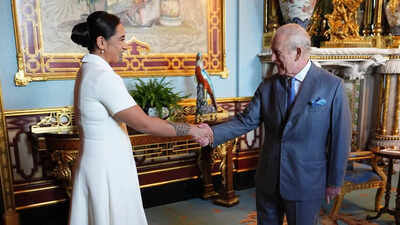
Buckingham Palace hosts historic meeting between King Charles and New Zealand’s Maori Queen
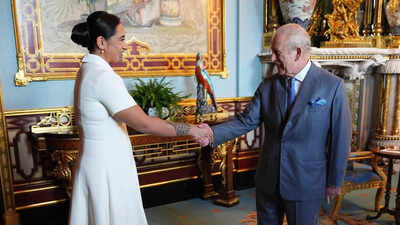
The world watches the Māori Queen meet King Charles during a historic visit to London / Image: @TheRoyalFamily
Buckingham Palace witnessed an extraordinary royal moment this week when New Zealand’s Maori Queen, Ngā Wai Hono i Te Puu, met King Charles III during a historic visit to London that is now capturing the attention of the entire Commonwealth.The audience marked the first official Buckingham Palace meeting between the British monarch and the young Māori queen since she ascended the Kingitanga throne in 2024 following the death of her father, King Tuhetia. At just 29 years old, she has quickly become one of the world’s most-watched indigenous leaders, and her appearance with King Charles has sparked huge interest in both New Zealand and the UK.Photos released from the palace showed the two leaders chatting warmly during a week packed with royal events in London. Although formal on the surface, for many watching closely this meeting holds a much deeper significance.For Māori communities, it represents a continuation of a centuries-old relationship between indigenous leaders and the British Crown. For royal audiences in Britain, it offered a brilliant glimpse of how the modern monarchy is increasingly engaging with Indigenous voices, youth leadership and environmental issues.The meeting comes at a time when discussions over colonial history, treaty rights and representation have become more prominent in the Commonwealth.
Why does the Maori Queen’s visit matter?
The Māori Queen’s visit was not just about royal tradition or formal photographs.Behind the palace walls, discussions reportedly focused on issues shaping the future of younger generations, including climate challenges, indigenous leadership, economic opportunities and youth empowerment.According to representatives of the Kingitanga movement, Ngā wai Hono i Te Po used the visit to highlight how indigenous knowledge and modern global leadership can work together in tackling major world issues.This message appears to closely match King Charles’s long-term interests. Long before he became monarch, Charles spent decades advocating for environmental protection, sustainability, and interreligious dialogue. Palace observers noted the apparent overlap between the king’s priorities and the Māori queen’s growing international platform.The time of the meeting is also important.New Zealand is approaching the 200th anniversary of Te Tiriti o Waitangi in 2040, the treaty signed between Māori chiefs and representatives of the British Crown that still shapes political and social debate today. Questions of indigenous rights, treaty obligations and national identity continue to dominate public conversation in New Zealand, giving the Buckingham Palace meeting additional symbolic importance.
Prince William meets young Maori entrepreneurs
The Māori Queen also chatted with Prince William at Windsor Castle in another historic moment during her UK visit, before meeting King Charles.Their discussions reportedly focused on young people, environmental action and indigenous-led initiatives, topics that were becoming central to the younger generation of royal diplomacy.Four Māori young entrepreneurs were invited to Britain along with the Queen to events involving The King’s Trust, the charity founded by King Charles almost 50 years ago. Using the opportunity to showcase Māori innovation and community-driven businesses, the group attended high-profile events at Buckingham Palace and the Royal Albert Hall.The presence of young Māori business leaders added a modern edge to the royal visit and reflected the Māori Queen’s broader focus on creating opportunities for younger generations rather than relying solely on formal tradition.The generational shift is one reason the Queen has attracted global attention since taking over the throne last year. In contrast to older royalists primarily concerned with protocol, Ngā wai Hono i Te Po represents a youthful leadership style that blends indigenous tradition with modern activism, diplomacy and global outreach.
future commonwealth relations
Many people in Britain found the photographs of Buckingham Palace different from those of ordinary royal visitors.There was history in the room, but there was also a sense of change.The meeting reflected how relations between the Crown and Indigenous communities are evolving in the modern era. In countries belonging to the Commonwealth, debates over colonial history, reparations, cultural recognition and indigenous representation continue to rage. Against that backdrop, the sight of King Charles welcoming the Māori Queen had both symbolic and political significance.This moment also highlighted the changing face of imperial diplomacy.Rather than focusing solely on kingship and ceremony, modern royal engagements are increasingly centered around social impact, climate issues, youth opportunities, and cultural identity. The Māori Queen’s visit to London brought all those themes together in one of Britain’s most historic royal settings.For Buckingham Palace, it was another reminder that the monarchy’s global relevance depends on how it engages with the rapidly changing Commonwealth.For the Māori Queen, it was a defining international moment, placing her firmly on the world stage.
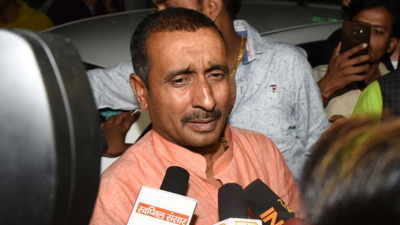
Supreme Court sets aside Delhi HC order suspending life sentence of Kuldeep Singh Sengar
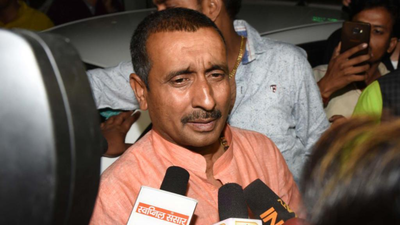 Supreme Court on Friday set aside the Delhi High Court order suspending the life sentence of former BJP MLA Kuldeep Singh Sengar in the 2017 Unnao rape case and directed the high court to hear the case afresh.A bench of Chief Justice of India Surya Kant and Justice Joymalya Bagchi asked the high court to try to decide within two months Sengar’s appeal against his conviction and life imprisonment, PTI reported.The bench said if the high court is unable to decide the main appeal expeditiously, it should pass an order on the petition seeking suspension of Sengar’s sentence before the commencement of summer vacation.The Supreme Court clarified that it was not expressing any opinion on the merits of the case and said that the High Court was free to consider the matter afresh.The CJI also asked the high court to reconsider the issues of whether an MLA can be treated as a public servant for prosecution under the Protection of Children from Sexual Offenses (POCSO) Act.On December 29 last year, the apex court had banned Delhi High Court Ordered suspension of Sengar’s sentence and directed that he shall not be released from custody.Earlier, the Supreme Court had postponed the hearing on CBI’s petition challenging the suspension of Sengar’s life sentence to the first week of May.In its order dated December 23, 2025, the Delhi High Court had said that Sengar was convicted under Section 5(c) of the POCSO Act, which deals with aggravated sexual harassment by a public servant, but observed that an elected representative does not fall within the definition of “public servant” under Section 21 of the Indian Penal Code.The High Court had suspended Sengar’s jail sentence pending his appeal, noting that he had already spent seven years and five months in jail.The order was criticized by various sections of the society, while the victim, her family and activists also protested against the relief given to Sengar.
‘Doesn’t look like an interesting actor’

saif ali khan Has said that it took him a long time to make his mark as an actor. Things started to change when he played the character of Sameer in the 2001 film ‘Dil Chahta Hai’ directed by Farhan Akhtar. After that, he became known as the stylish, modern man of Bollywood. But ten years ago, a very different kind of film showed a tougher and more serious side of him, which he later took forward in ‘Laal Kaptaan’ (2019), ‘Sacred Games’ and his new film ‘Kartavya’.
Saif Ali Khan looks back at the key achievements of his career
In an interview with Screen, Saif said, “When you look at his career, not everything is highlights. There are some highlights, and that’s quite good. Omkara is definitely something I’m proud of. Sacred Games in a way even more so. I don’t think there’s any connection between the two, but when you look back at some of the work that comes out in glitter letters, they stand out.”
The wake up call that changed Saif Ali Khan
The actor did not find this side of himself. It features a direct conversation with his mother, the veteran actor sharmila tagoreTo open his eyes. Saif recalls, “There was a time when he told me that you don’t look like a very interesting actor. You have to balance your choices and think more creatively. That was when I started taking things a little more lightly.” He doesn’t remember exactly when it happened, “It took a while, and there were a few phases”, but he has previously shared that it started when he told his mother he was excited to shoot a movie in France. He did not share his enthusiasm. Sharmila asked, “When will you tell me that you are playing an interesting role?” Saif takes it in good spirit and understands where she was coming from. “He saw more potential,” admits Saif with a smile. So, she was signaling me to wake up.”Saif argues, “I don’t know whether this should be seen as a relief or not.” He adds, “There have always been all kinds of filmmakers. There are some commercial people who have an eye on the Friday numbers, which means it requires a certain kind of energy, whatever it is, I don’t know. But then there are filmmakers with a more artistic scope, who had no option but to release their films that way.”
Why Saif Ali Khan thinks streaming is a game changer?
Saif believes that streaming has given filmmakers a new way to tell stories. He calls it “an important, alternative expression” given to some of these filmmakers. For them, it opens the door to stories that may never make it to the big screen. He further added, “There are some movies I would love to work on that people wouldn’t give a chance to release in theaters. But I think Netflix and other streaming platforms also want you to be entertained, so it’s ultimately competitive.”
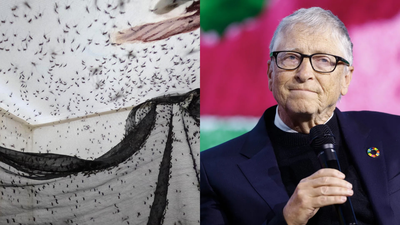
Why does a Bill Gates-backed insect factory release 30 million mosquitoes every week?
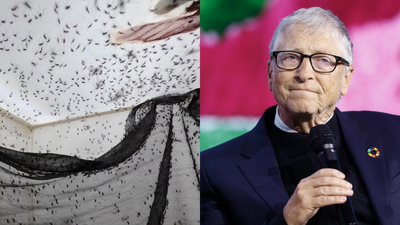
Inside Medellín, Colombia, scientists are breeding millions of mosquitoes every week and then deliberately releasing them into the environment. At first, this may seem strange, especially since mosquitoes are known to spread dangerous diseases. But researchers say these insects are actually being used to prevent the spread of diseases like dengue, Zika, chikungunya and yellow fever. The project, partially supported by the Bill & Melinda Gates Foundation and supported by the World Mosquito Programme, produces approximately 30 million mosquitoes every week. These mosquitoes carry a harmless bacteria called Wolbachia, which makes it very difficult for the virus to spread from mosquitoes to humans.
Inside the world’s largest mosquito factory backed by Bill Gates
The Medellin facility is one of the largest mosquito breeding centers in the world, producing millions of mosquitoes every week as part of an unusual public health mission. Scientists there mainly breed the Aedes aegypti species, which is known to spread diseases like dengue, Zika and chikungunya. Inside temperature-controlled laboratories, researchers carefully monitor every stage of the insects’ life cycle, from eggs and larvae to adult mosquitoes, before preparing the insects for release into nearby communities.What makes these mosquitoes different is a naturally occurring bacteria called Wolbachia. Scientists found that when Aedes aegypti mosquitoes carry Wolbachia, they are much less likely to spread the dangerous virus to humans. Mosquitoes are not genetically modified. Instead, researchers introduce the bacteria into mosquito eggs under laboratory conditions and then breed future generations with the same traits.Once released into the wild, these mosquitoes begin to mate with local mosquito populations, allowing the Wolbachia bacteria to spread naturally over time. As more mosquitoes carry the bacteria in an area, fewer are able to spread viruses like dengue. Researchers say the goal is not to eliminate mosquitoes completely, but to gradually replace populations of more dangerous mosquitoes with less harmful ones. That’s why scientists consider this program different from traditional pesticide spraying, which focuses on killing insects directly.Mosquitoes are released using several methods. In some neighborhoods, residents find small containers filled with naturally occurring mosquito eggs. In other areas, adult mosquitoes are released from vehicles or special containers. The local community is also extensively involved in the program, with residents helping scientists monitor mosquito populations and installing mosquito nets around their neighbourhoods.The project gained worldwide attention after Bill Gates visited the facility and later described it as one of the most promising new approaches to fighting mosquito-borne diseases. Today, the Medellín mosquito factory has become a symbol of how scientists are trying to fight global disease outbreaks by using biology rather than relying solely on chemicals and pesticides.Researchers say the goal is not to increase mosquito populations forever, but to gradually replace disease-carrying mosquitoes with less harmful ones.
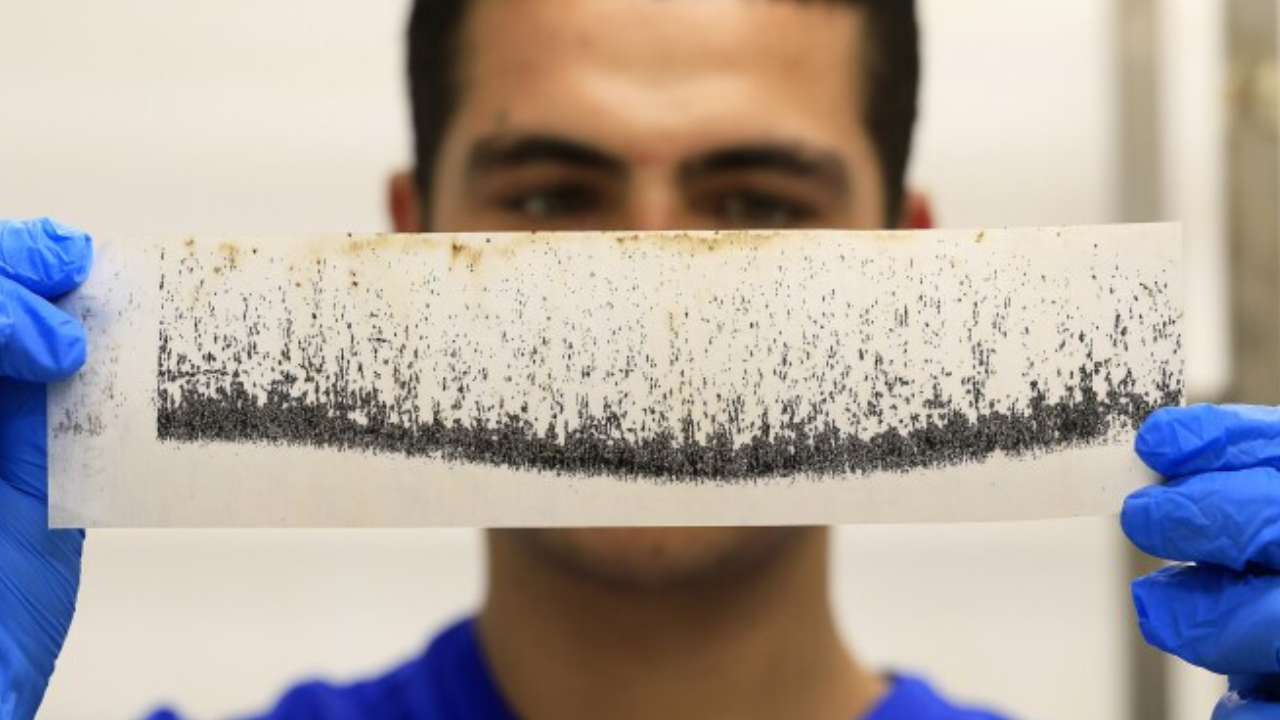
The project has shown promising results
Studies from different countries have revealed encouraging results. In Indonesia, areas where Wolbachia mosquitoes were released showed a large reduction in dengue infections and hospital visits.Researchers in Colombia have also noted a sharp decline in dengue cases since the program began in Medellín in 2015.Scientists believe this method could become an important tool for countries where mosquito-borne diseases affect millions of people every year.
Conspiracy theories surrounding the Mosquito Project
The mosquito release program has also become the subject of online conspiracy theories, with viral social media posts claiming that the insects are “mutant mosquitoes”, part of secret experiments, or linked to population control efforts. After video and photos from the Colombian facility circulated online, some posts also suggested that the mosquitoes were deliberately genetically engineered to spread diseases.Scientists and health organizations involved in the program reject those claims. Researchers say the mosquitoes are not genetically modified and instead carry Wolbachia, a naturally occurring bacteria that is already found in many insect species. Experts say that this project is designed to reduce the spread of diseases like dengue and Zika.
A hope for global disease control
Mosquito-borne diseases infect millions of people every year, especially in tropical countries. Traditional methods such as chemical spraying and fumigation have struggled to completely stop outbreaks.Researchers believe that Wolbachia-based mosquito control could offer a safe and long-lasting solution. Rather than eliminating mosquito populations entirely, this method aims to make them less dangerous to humans.That’s why the Medellín mosquito factory has become an important symbol of a new approach to public health, where scientists are using biology to fight some of the world’s fastest-spreading diseases.

Congress criticizes PM Modi after reports of India demanding US exemption on Russian oil
 According to reports, the existing US authorization allowing India to import Russian crude oil is set to expire on May 16. The waiver was first approved in March and later expanded to help stabilize global oil markets by allowing additional crude supplies.India has reportedly approached Washington seeking an extension as the disruption in the Strait of Hormuz continues to put pressure on global energy supplies. Indian officials have also told the US that ensuring stable energy supplies remains a priority and warned that prolonged instability in oil markets could have macroeconomic consequences.Read this also India seeks waiver from US on Russian oil as energy supplies disrupted due to Iran war: ReportReacting to the development, Congress accused the Modi government of compromising India’s sovereignty and energy security.“The Modi government’s capitulation to the US on the country’s energy security is a price the entire country is paying due to the acute shortage of petrol, diesel and gas. First, the Modi government stopped buying cheap oil from Russia at the behest of the US. Then, in the midst of the war, the US gave India a ‘concession’ to buy oil from Russia, which is ending on May 16.”“Now, once again, instead of taking decisions in the national interest, the Modi government is begging Trump for permission to buy oil from Russia,” it said.While Russian oil is not subject to blanket sanctions, the United States has repeatedly urged India to reduce concessional purchases from Moscow as part of its efforts linked to the Ukraine war, Bloomberg reports.Russian crude imports into India continued to remain high as refiners stepped up purchases ahead of the rebate deadline. Inflows reached 2.3 million barrels per day in May, according to Kpler data, supported by provisions allowing already loaded cargo to continue arriving. Kpler estimates monthly flows could still average 1.9 million barrels per day.In April, the US Treasury Department extended sanctions waivers on Russian oil, allowing the purchase of Russian crude oil and petroleum products that had already been loaded onto ships by that date. The discount will be valid until 12:01am (0401 GMT) on May 16, replacing the previous discount that expired on April 11.Meanwhile, Reuters reported that India rejected Russia’s offer to supply liquefied natural gas (LNG) cargoes that fall under US sanctions despite rising energy pressure linked to tensions in the Middle East. The decision has reportedly left at least one Russian-bound LNG shipment stuck near Singapore while negotiations over permitted supplies continue.
Kieron Pollard fined 15% of match fee after Mumbai’s win against Punjab
 The offense falls under Article 2.3 of the IPL Code of Conduct for players and team officials, which deals with “use of audible obscenity during a match”. The incident occurred during the 19th over of the second innings when Pollard allegedly abused the fourth umpire.The IPL released a statement on Friday which read, “Kieron Pollardbatting coach, Mumbai IndiansHe has been fined 15% of the applicable match fee and earned one demerit point for breaching Level 1 of the IPL Code of Conduct for Players and Team Officials. Pollard was found guilty of violating Article 2.3 of the IPL Code of Conduct, which deals with ‘use of audible obscenity during a match’.“The incident occurred in the 19th over of the second innings when Pollard used abusive language towards the fourth umpire. Pollard pleaded guilty to the offense and accepted the punishment imposed by the match referee, Pankaj Dharmani.”In a thrilling IPL 2026 match at the HPCA Stadium in Dharamshala, Mumbai Indians (MI) defeated Punjab Kings (PBKS) by 6 wickets with just 1 ball remaining. Chasing a strong target of 201, MI scored 205/4 in 19.5 overs thanks to Tilak Verma’s explosive unbeaten 75 runs. The defeat is the fifth consecutive defeat for Shreyas Iyer-led Punjab Kings, dealing a serious blow to their playoff qualification hopes.Despite a middle-order collapse led by Shardul Thakur’s brilliant 4/39 for Mumbai Indians, Punjab Kings posted a strong score of 200 following explosive innings from Prabhsimran Singh (57 off 32) and late fireworks from Azmatullah Umarzai (38 off 17).In reply, Ryan Rickelton’s blistering 48 off 23 balls gave MI a good start, before Tilak Verma played a composed match-winning innings under pressure. With a quickfire cameo from Will Jacques, Tilak guided MI through a tense finish, and sealed a thrilling win with a six off the final ball of the match.
Mastermind who contested assembly elections arrested

Panchkula: Gopal Sukhomajri, who had unsuccessfully contested the last assembly elections as an independent from Kalka, has been arrested in the murder of Kabaddi player Sonu Nolta.According to Panchkula police, Gopal, the alleged mastermind, was absconding after the murder that took place in Amravati area last year. With his arrest, the total number of accused held in the case has reached 12.The resident of Sukhomajri village in Pinjore area was arrested on May 12 and produced in court the next day, where police obtained a one-day remand for questioning. After interrogation, he was taken into judicial custody on Thursday and admitted to Ambala jail.Police said Gopal played a key role in planning and executing the murder. During remand, investigators seized his mobile phone and gathered vital clues. Further investigation is underway to uncover the wider conspiracy and identify other accomplices.On June 5, 2025, Sonu Nolta was shot dead by armed assailants outside a mall in Amravati area of Panchkula, after which investigation is going on by multiple teams.The investigation revealed that Gopal allegedly assisted the main shooters – identified as Piyush Piplani and Ankush Solanki – in evading arrest after the murder. They are also accused of conducting reconnaissance, arranging weapons, sharing the victim’s location and facilitating the overall conspiracy.Police said the accused had a long criminal record and was active in local politics. More than a dozen cases were registered against him between 2012 and 2022 in Panchkula, Ambala and parts of Himachal Pradesh, including attempts to murder, assault, charges under the Arms Act, Mining Act, NDPS Act and Prison Act.In the October 2024 assembly elections, he emerged as a surprise contender by securing 31,688 votes (21.71%) and stood third in the Kalka constituency after the BJP and Congress candidates.