Center tightens control on pregabalin amid rising abuse among youth. india news

Center tightens control on pregabalin amid rising abuse among youth

New Delhi: Amid growing reports of young people abusing pregabalin due to its sedative, euphoric and dissociative effects, the Center has brought the widely prescribed pain and nerve drug under the strict Schedule H1 category, tightening rules on its sale and prescription.The Union Health Ministry amended the Drugs Rules, 1945 through the Drugs (Second Amendment) Rules, 2026 to include pregabalin under Schedule H1. The final notification was issued on 13 May and published in the Gazette of India on 20 May.The ministry said the decision was taken following the seizure of illegally stockpiled and unauthorized sold supplies in some parts of the country, as well as reports from several states about the misuse of pregabalin.Pregabalin is prescribed for chronic pain, nerve disorders, fibromyalgia, and certain neurological conditions. However, authorities said recreational abuse of the drug is on the rise due to its sedative and “high”-inducing effects.Dr Rajesh Sagar, department of psychiatry, AIIMS, said abuse of pregabalin is emerging as a serious public health concern, especially among young people, as many users wrongly view it as a safe drug rather than an abuse-prone substance.She said families should keep an eye out for warning signs such as unusual sleepiness, slurred speech, dizziness, changes in behavior, decline in academic or work performance and mixing the drug with alcohol or other sedatives. Dr Sagar said bringing pregabalin under Schedule H1 will help strengthen prescription control and monitoring, but regulation alone will not be enough to prevent abuse.The revised classification means that the drug can now be sold only on a valid prescription issued by a registered medical practitioner. Pharmacies will also have to maintain a separate register to record prescriptions and sales details.The ministry said the move is aimed at preventing unauthorized access, strengthening prescription monitoring and curbing illicit trafficking.This amendment was made after consultation with the Drug Technical Advisory Board (DTAB). Under the amended rules, Pregabalin has been inserted as serial number 51 under Schedule H1 of the Drugs Rules, 1945, and the amended rules will come into force 180 days after its publication in the Official Gazette.

Source link

Opposition parties criticize TVK government over murder of 10-year-old girl near Coimbatore. chennai news

Opposition parties criticize TVK government over murder of 10-year-old girl near Coimbatore

Chennai: Opposition parties including DMK, AIADMK and PMK came down heavily on the TVK government over the kidnapping, alleged sexual assault and murder of a 10-year-old girl in Sulur in Coimbatore district.leader of the opposition Udayanidhi Stalin He said that within 12 days of the TVK government assuming power, more than 30 major crimes have taken place in the state. He urged Chief Minister C Joseph Vijay to give top priority to law and order to ensure that such incidents do not happen again. He said incidents of sexual harassment, ganja smuggling, kidnapping and murder, attacks by miscreants and alleged excesses by ruling party officials have raised serious questions on the law and order situation in the state.Referring to the incident in Coimbatore that had sparked outrage across the country, Udhayanidhi said the “brutal crime had sent shock waves across India” and residents of the city protested overnight demanding justice for the victim. “The call for justice is echoing from all sides. The people of Coimbatore are protesting throughout the night condemning this cruel act,” he said. Demanding immediate action against the accused, Udhayanidhi said the “real culprits” behind the murder should be given stringent punishment at the earliest.Expressing grief, AIADMK General Secretary said Edappadi K Palaniswami Said that it is sad to see that the TVK government has failed miserably to stop such a terrible crime. “Instead of being a reels government, it should be a real government,” he wrote on Twitter, demanding strict action against criminals. He said reports of the girl being sexually assaulted before being murdered had created widespread fear and anger among the public. He stressed that “the lack of immediate, decisive action exposes serious shortcomings in the law and order machinery of the state”.Former AIADMK minister and Thondamuthur MLA SP Velumani, who is co-leading a rebel AIADMK faction, said on Twitter, “I urge the government to pay special attention to the safety of women and children and take appropriate steps to ensure that such incidents, which happened during the previous DMK regime, do not happen.”While PMK president Anbumani Ramadoss demanded speedy justice, AMMK general secretary TTV Dhinakaran said the rising wave of crimes against women and children in the state has raised serious questions on the current law and order situation as well as the foundation of social humanity.

Source link

‘A perfectly normal Friday for an Iranian’: US founder says her wedding in Turkiye was canceled

'A perfectly normal Friday for an Iranian': US founder says her wedding in Turkiye was canceled
Iranian-born founder Kiana Ehsani reacts to the new green card rule.

Iranian-American founder Kiana Ehsani reacted to the new green card rules and shared a heartbreaking update on her life. Although she is not a green card applicant, and is already a green card holder, Ehsani said the situation is no better for her. Ehsani said, “Today I had to go to Turkey for my wedding.” He said that his wedding had to be canceled because all flights to and from Iran have been canceled and his family cannot leave Iran.Ehsani said they chose Turkiye for the wedding because it is close to Iran. She was to get married on a boat in the Mediterranean Sea at sunset, accompanied by close family members from both sides.Instead of going to Turkey, he said, he learned of new green card rules that require applicants to return to their home countries to apply. He wrote, “This means that every Iranian friend of mine who is here on a visa will have to go back home (on what flight?) to get a green card??? As if it’s that simple? We all know it is a huge challenge for Iranians to go back to the US (waiting months and months for a visa, with the possibility of never coming back).”Ehsani said he has been in the United States for 11 years and has been a green card holder for five years, which makes him eligible to apply for citizenship. But it doesn’t matter because Iranians are no longer allowed any kind of immigration due to the US-Iran war.“And it’s a typical Friday for an Iranian. These days, when people ask how I’m doing and handling everything, I just say: It’s fine, it’s fine. Someday it’ll be fine. But the reality is: Nothing is fine. I’m in constant pain. I haven’t seen my family and loved ones for years, I barely hear about their well-being, and I’m constantly worried about them. I just lose myself in work. Because it’s the only distraction that bothers me.” Can keep me from losing my mind. I am not well. None of us are okay. We’re barely keeping it together…” she wrote.Ehsani, a PhD in computer science from the University of Washington, was a co-founder of Vercept, which has now been acquired by Anthropic.

Source link

SC takes suo motu cognizance of Twisha Sharma death case; The CJI-led bench will hear the case on Monday. india news

SC takes suo motu cognizance of Twisha Sharma death case; CJI-led bench will hear the case on Monday

New Delhi: The Supreme Court took suo motu cognizance of Twisha Sharma death case on Saturday. News agency ANI reported that a bench headed by Chief Justice of India Surya Kant is likely to consider the matter on Monday.The case included allegations of dowry harassment and abetment of suicide against Tvisha’s husband and in-laws, including a retired district judge. Also read: Twisha Sharma case timelineNoida-based model-turned-actress Tvisha Sharma married lawyer Samarth Singh, son of retired District Judge Giribala Singh, in December 2025 and moved to Katara Hills area of ​​Bhopal.On May 12, Twisha was found dead at her in-laws’ house in Katara Hills. Her family later accused her husband and in-laws of dowry harassment and abetting her suicide.The police had registered an FIR on May 15 against the retired judge and his lawyer son in the alleged dowry death case. The next day, the police formed a six-member SIT to investigate the case.As public attention on the case grew, Twisha’s family staged a brief protest outside the Chief Minister’s official residence on 17 May after not being able to meet him.On May 18, a sessions court in Bhopal had rejected the bail plea of ​​Samarth Singh. Bhopal Police also announced a reward of Rs 10,000 for information leading to his arrest.Tvisha’s family demanded an independent investigation into the case on 19 May, questioning the police investigation and alleging a “posthumous character test” of the deceased by the accused party while speaking to the media.A day later, the family met the Chief Minister, who assured them that he would demand a CBI inquiry into the case. The same day, a Bhopal court rejected a petition seeking a second post-mortem investigation, while the police increased the reward for the arrest of Samarth Singh to Rs 30,000.Police later issued a third and final notice to Giribala Singh to record his statement, while Samarth Singh filed a fresh bail plea before the court.According to his lawyer, on May 22, Jabalpur police took Samarth Singh into custody from the district court premises when he had reached there to surrender.

Source link

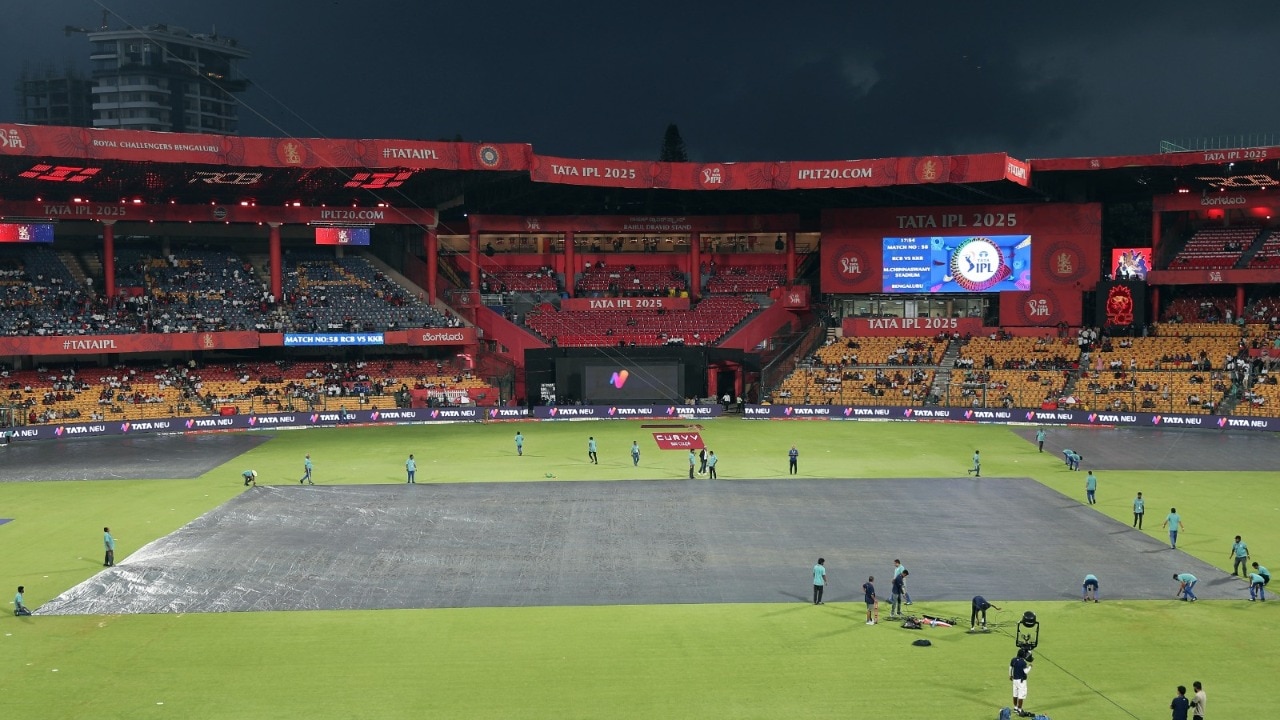
After IPL final loss, Karnataka announces new 80,000-seat stadium near Bengaluru

Just days after Bengaluru lost the right to host the IPL 2026 final, Karnataka has announced plans for a massive new international cricket stadium that could become India’s second largest cricket venue. The move comes amid growing controversy over the limitations of the M Chinnaswamy Stadium, particularly its comparatively low seating capacity.

Karnataka Chief Minister Siddaramaiah on Saturday laid the foundation stone of the proposed stadium in Suryanagar Phase 4 in Anekal taluk near Bengaluru. The new venue is planned with a seating capacity of 80,000 and will be part of a larger sports complex being developed by the Housing Department and the Karnataka Housing Board.

The timing of the announcement has immediately attracted attention as it comes just days after the BCCI shifted the IPL 2026 final from Bengaluru to the Narendra Modi Stadium in Ahmedabad.

KSCA president and former India fast bowler Venkatesh Prasad had earlier admitted this The limited capacity of Chinnaswamy Stadium may have played a role in the decision.

“One reason for shifting the final from this venue is probably the capacity of the stadium,” Prasad had said during an event in Bengaluru.

The IPL had originally allotted the May 31 final to Bengaluru before handing over the summit clash to Ahmedabad. Officially, the BCCI cited “certain requirements from the local association and officials which were beyond the scope of BCCI’s established guidelines and protocols.”

However, reports of logistical concerns, crowd management issues and political disputes over ticket allocation emerged rapidly during the season around the Bengaluru venue.

Why does Karnataka want a big cricket stadium?

The proposed stadium project appears to directly address many of the issues that have recently surfaced around the M Chinnaswamy Stadium.

Speaking during the foundation stone laying ceremony, Siddaramaiah highlighted the need for a larger and more modern sports venue in Karnataka, especially after the crowd chaos during RCB’s IPL win celebrations earlier this season.

The Chief Minister said that about 4,000 acres of land has been acquired for the overall development project, of which about 75 acres has been specifically allotted for the stadium. The remaining land will reportedly be used for housing layouts and plots for farmers and applicants.

The new stadium is expected to be developed with international-standard infrastructure that will be able to handle much larger crowds than the Chinnaswamy Stadium, which currently holds around 35,000 spectators.

If completed as planned, the venue will become India’s second largest cricket stadium after the Narendra Modi Stadium in Ahmedabad, which currently has a seating capacity of over 1.3 lakh.

The project also reflects the growing trend among Indian states to build mega cricket venues capable of hosting major ICC events, IPL finals and global tournaments.

Just last month, Maharashtra announces plans for proposed 1 lakh capacity stadium In Mumbai Metropolitan Region in collaboration with CIDCO and Mumbai Cricket Association.

The project is expected to eventually shift focus away from the iconic Wankhede Stadium, just as Karnataka’s new stadium could gradually reduce the reliance on Chinnaswamy for major matches in the future.

Chinnaswamy redevelopment is also underway

Interestingly, Karnataka’s push for a new mega venue coincides with the ongoing redevelopment plan for the M Chinnaswamy Stadium.

Venkatesh Prasad had recently revealed that the redesign process for Chinnaswamy had started even before the IPL final venue was shifted.

According to him, around 28 internationally experienced architects had shown interest in the redevelopment project, with KSCA now shortlisting the firms for conceptual design.

Redevelopment discussions have focused on improving crowd movement, security infrastructure, fan experience and stadium operations after criticism emerged over crowding and ticketing management during IPL 2026.

However, despite the enthusiasm over the new stadium project, it has already faced opposition from some environmental groups and local farmers due to its proximity to the Karadikkall-Mahadeshwar Wildlife Corridor.

In modern Indian cricket, the strength of the host team matters as much as success on the field. And after losing the IPL 2026 final to Ahmedabad, Karnataka is now determined to ensure that Bengaluru remains firmly in the spotlight for the country’s biggest cricket events in the future.

ipl 2026 | ipl schedule | ipl points table | ipl player stats | purple cap | orange cap | ipl video | cricket news | live score

– ends

published by:

Debodinna Chakraborty

Published on:

May 23, 2026 22:35 IST

Source link

With rising temperatures, Jaipur is struggling with water shortage. jaipur news

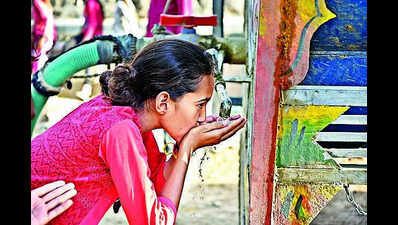
With rising temperatures, Jaipur faces water shortage

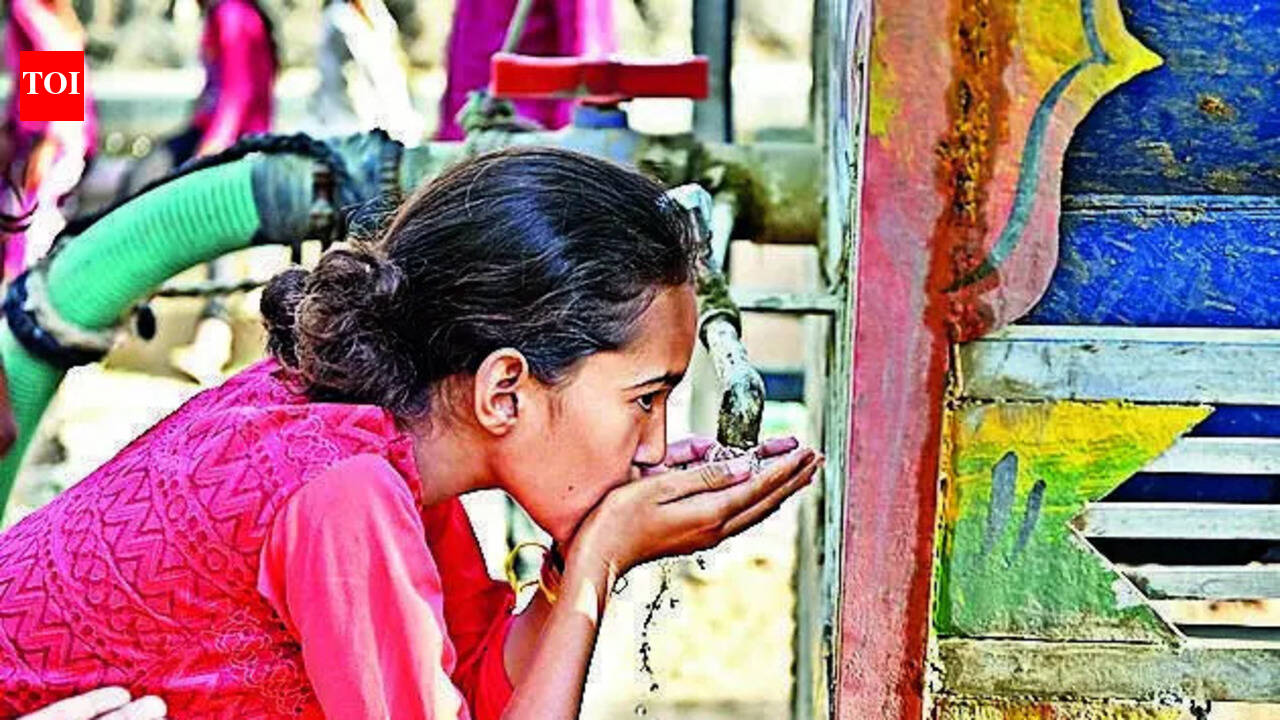
Jaipur: The city is grappling with a severe water crisis as temperatures soar above 40 degrees Celsius, with the last mile areas being hit the most. Due to irregular municipal supply in many areas, dependence on private tankers has increased and prices have also increased. Residents of some neighborhoods say they are paying almost double the normal rates to meet basic daily needs.In SiddharthnagarMalviya Nagar, Locals report that supplies have been short for the last four to five days. “Private tankers are charging double the normal rate,” said resident Dhruv Agarwal, reflecting the growing frustration in the affected areas.Public Health Engineering Department (PHED) officials say they are responding by increasing Bisalpur water supply to Jaipur in phases. According to PHED, the city is already receiving rainfall close to the maximum possible amount, with plans to increase the supply further from Monday as the weather department predicts higher temperatures in the coming days.The stress is especially visible in tall buildings and large residential complexes. Many such societies are heavily dependent on groundwater extraction or private tankers, and increasing domestic demand is making regular management difficult. “We need about four tanks of water a day. It costs us about Rs 800 per tanker. Now some suppliers are not charging less than Rs 1,200 to Rs 1,500,” said Amit Kumar, president of Residents Welfare Association.According to an official estimate, Jaipur’s private tanker fleet consists of about 2,000 vehicles, typically with a 4,000-litre capacity. While a tanker typically serves 10 to 12 homes per day, operators are now receiving orders for more than 20 per day, increasing competition and driving up prices.

Source link

‘Don’t mind being called a tyrannical dictator, but don’t want to be called dumb either’: Donald Trump

'Don't mind being called a tyrannical dictator, but don't want to be called dumb either': Donald Trump

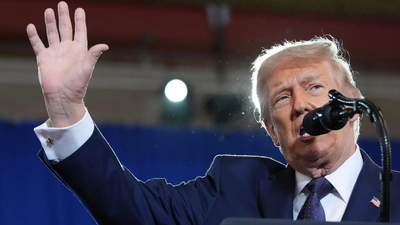
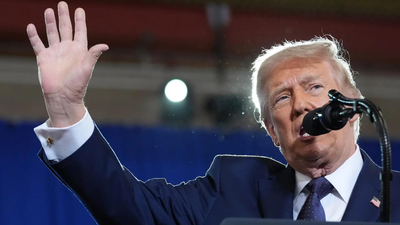
US President Donald Trump on Friday shrugged off criticism from his opponents as he boasted about his cognitive abilities and intelligence during a rally in New York, saying he doesn’t mind being called a “tyrant” or a “dictator”, but he strongly objects to being called “dumb”. “I don’t mind being called a brilliant absolute dictator,” Trump told supporters, “but I don’t want to be called an idiot.” The comments came during a campaign-style appearance in New York’s Hudson Valley with Republican Congressman Mike Lawler, where Trump repeatedly strayed from the economic message and launched into a lengthy defense of his intelligence and mental intensity. At one point, Trump said that criticism surrounding his cognitive fitness prompted him to take a cognitive assessment, which he claimed to have successfully passed. He later told the audience, “I’m the smartest person you’ve ever met.” The nearly 90-minute speech switched rapidly between topics including inflation, crime, immigration, voter ID laws, transgender athletes and a dig at his predecessor Joe Biden. Trump repeatedly mocked Democrats during the event, referring to them as “Democrats”, a term he has used frequently in recent days, while urging supporters to stay politically engaged ahead of the congressional elections. “You have to go vote,” he said, “otherwise this is a rigged election.” The rally was held in support of Lawler, one of the few House Republicans representing a district won by Democrat Kamala Harris in the 2024 presidential election. New York’s 17th Congressional District is expected to be one of the most competitive House races in the country and could play a key role in deciding control of Congress. The event also focused on last year’s expansion of the federal deduction for state and local taxes, commonly known as SALT, an issue of major importance in high-tax states like New York. Trump praised Lawler for aggressively pushing the measure through Congress and joked, “I call him Mr. Salt.” Lawler later thanked Trump for supporting the expansion and said the measure provided significant tax relief to residents of his district. Wearing a red “Mr. Salt” hat, the congressman said that more than 90 percent of families in the district are now able to completely deduct their state and local taxes. During the speech, Trump also defended his macroeconomic agenda. “I’ve cut your taxes, cut taxes on workers, families, small businesses, who are the soul of this state,” he said. “These are all Republican tax cuts. The Democrats voted against every single one of these tax cuts.” The appearance comes as the White House seeks to refocus Trump’s economic record amid declining approval ratings linked to inflation concerns and rising fuel prices following the Iran conflict.

Source link

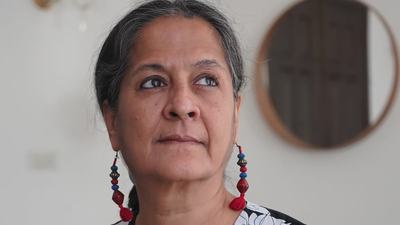
‘There is no place for genital mutilation in modern society, and this is not just a Bohra issue’ india news

'There is no place for genital mutilation in modern society, and this is not just a Bohra issue'

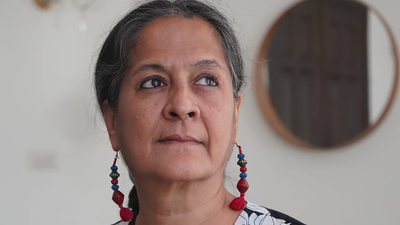
More than a decade ago, when Masooma Ranalvi First to speak publicly about being subjected to circumcision (the local term for female genital mutilation) fgm) at the age of seven, he helped bring the practice within the Dawoodi Bohra community in India into the national spotlight. As the Supreme Court resumes hearing in the long-pending case in which he is a petitioner, fresh evidence from Kerala is also widening the debate beyond the Bohra community. Ranalvi, founder of WeSpeakOut, spoke Mahua Das On why she believes the fight in India could enter a new phaseHas there been any change in the way the court views FGM?It felt different. Even before this, a three-judge bench – Justices Dipak Misra, Chandrachud and Khanwilkar – had made very positive comments. Before the issue moved into religious territory, he raised questions about bodily integrity and talked about child rights. This time, the main issue before the nine-judge bench is the conflict between Articles 25 and 26 of the Constitution – religious freedom of the individual versus the right of a sect to manage its own religious practices. We submitted that when a child is subjected to physical alteration and mental suffering in the name of religious observance, it enters into constitutional and criminal scrutiny. On this, Justice Bagchi commented that as far as FGM is concerned, the words ‘health’ and ‘public health’ may suffice. What we are expecting is a recognition from the court that this is a child rights violation, a criminal act, and something that affects physical integrity. If this happens, it will create pressure within the community and on the government to change policy, run awareness campaigns, educate doctors, support survivors and spread awareness about the harms of FGM. It also gives courage to those in the community who are still struggling.The FGM petition has now taken years to wrangle between constitutional benches and questions related to religious practices. What does this lengthy legal bind mean for survivors and activists on the ground?This is an excellent question because no one cared what happened in the intervening seven years. We were really disappointed. More importantly, the practice continued and many girls suffered something that probably could have been avoided had the case been heard earlier. Nobody really sees the urgency of the issue. This is irreparable damage to a child’s body. There should be no room for something like this in a modern society that claims to care about the rights of women and children. Also, the delay forced us to regroup and rethink our strategies. We realized that this is an uphill battle because we are up against a very powerful religious hierarchy, politically and economically. They have made every effort to stop progress on this issue. So, we began to look outward, learn from global movements, and build coalitions. FGM exists in 94 countries and there is conflict everywhere. In Africa, 29 countries have laws against FGM. Last year, WHO released updated guidelines for health workers after almost a decade. Type III infibulation (the most severe type of FGM) receives the most attention, but there are other forms, including notching and pricking.How are Indian groups connecting with the growing Asian network you have created around FGM?Over the past five years, we have been building alliances and learning from each other. An important aspect of this network is that it is telling the world that FGM is not just an African issue. It is also present in many parts of Asia. But in most places, religion is used as justification for maintaining this practice.For years, FGM was seen solely as a Dawoodi Bohra issue. What prompted WeSpeakOut to look into reports of FGM emerging from Sunni communities in Kerala?There were whispers about this practice in Kerala and parts of Tamil NaduBut there was no direct evidence or survivor testimony. Then, around 2017, there came a story about the Kozhikode clinic and a survivor who talked about it. There was a huge reaction against him. After this the matter cooled down again. But we decided to explore it further. Evidence is almost impossible to obtain. In the Bohra community, some of us came forward and gave interviews, so the conversation started. However, our yet-to-be-released exploratory study provides enough evidence to show that more research, data collection, and intervention strategies are needed.What differences did you notice in Kerala compared to the Bohra context?The biggest difference is age. In the Bohra community the age limit is around seven years. In Kerala, FGM is performed around the 40th day after birth. At that age, the area involved is so small that even skilled surgeons will struggle. The possibility of damage to the clitoris is very high. The other difference is who does it. In Kerala, it is the ‘Osathi’ community, women from the barber community traditionally do this work. There are also clinics in some places which points to increasing medicalization. Women survivors talked about difficult sexual experiences, but they did not necessarily connect them to the FGM they had undergone. This understanding comes much later when you begin to understand the function of the clitoris.After working on this issue for over a decade, do you see more Bohra parents choosing not to subject their daughters to circumcision, even if they don’t say so publicly?Absolutely. Wherever we have been able to reach out to women through talks, literature, campaigns or media coverage, it has had a positive impact. But there are still many women who have not heard or engaged in these debates, especially in small towns and rural areas of Maharashtra, Gujarat, Rajasthan and Madhya Pradesh where many Bohras live. There is also another section which openly says that this is their belief and their right, and they want this practice to continue. That’s why outreach matters. The more conversations there are, the more likely it is that this practice will decrease over time.

Source link

UK pension company sells Israeli bonds after pressure from pro-Palestinian campaigners: report

UK pension company sells Israeli bonds after pressure from pro-Palestinian campaigners: report

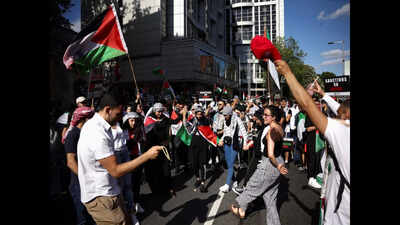
Britain’s largest public sector pension investment pool quietly sold millions of dollars worth of Israeli government bonds after months of pressure from pro-Palestinian campaigners, according to a report by Middle East Eye.Border to Coast Pension Partnership, which manages approximately £120 billion of assets on behalf of approximately two million local government employees, had purchased approximately $29.2 million worth of Israeli government bonds due between 2024 and 2025.The investments were subsequently sold within months, although the organization did not publicly announce the divestment or provide detailed information at the time.According to Middle East Eye, campaigners associated with local government pension schemes discovered the investments while investigating how pension funds were being managed during the Gaza War.Activists from groups including the South Yorkshire Pension Divest for Palestine campaign said they were concerned that pension money was invested in Israeli government bonds, while Israel faced allegations of war crimes and genocide in Gaza.Campaigners organized protests, petitions and pressure campaigns throughout 2025 targeting local pensions authorities and from border to coast.The Israeli bond purchases were made through Pimco, a US-based asset management firm and one of the world’s largest bond managers, the report said.Border to Coast later confirmed that the bonds were sold, but declined to say whether campaign pressure had directly influenced the decision.A spokesperson for the pension partnership said the organization continues to monitor the impact of the Israel-Gaza conflict on investments “in line with our views on ESG issues and our responsible investment policies”.The issue also highlighted wider tensions within UK pension funds over investments linked to the Gaza conflict and the lack of direct guidance from the British government.The planning advisory board for the Local Government Pension Scheme reportedly sought clarification from ministers regarding potential legal liabilities linked to Gaza-related investments.Local Government Minister Alison McGovern later said that foreign policy decisions, including sanctions and divestment policies, were a matter for central government, rather than local authorities.However, he said pension funds may still change investment strategies for financial or fiduciary reasons.The report said Border to Coast still retained investments in several companies listed on the UN database of businesses operating in illegal Israeli settlements, including Airbnb, Booking.com and Bank Leumi.Campaigners have continued to urge further divestment from Israeli settlements and companies linked to the Gaza conflict.

Source link

Indian-origin cancer specialist banned from practicing in Britain says, ‘I will never work in that country again’

Indian-origin cancer specialist banned from practicing in Britain says, 'I will never work in that country again'
Shamir Chandran was accused of coercive behavior and was wanted by the police

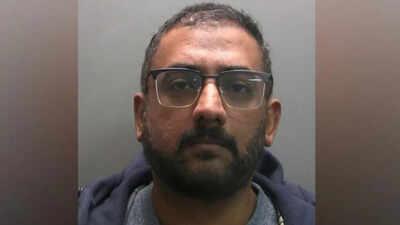
An Indian-origin cancer specialist has been struck off the UK medical register after a tribunal ruled his criminal conviction made him a risk to the public, meaning he can no longer practice medicine in the UK, a more serious sanction than being fired from his job.Shameer Chandran, an oncologist who previously worked at Newcastle Hospital, was sentenced to four years in prison in November after pleading guilty to two counts of controlling and coercive behavior and one count of cruelty to a person under 16.According to the BBC, the Medical Practitioners Tribunal Service (MPTS) has now ordered that his name be struck from the medical register.According to the BBC, Chandran did not attend his criminal trial or disciplinary proceedings at Carlisle Crown Court. Reports say he has fled the UK and there is an outstanding warrant for his arrest. Cumbria Police confirmed he was wanted.The tribunal described the crimes as serious and said the behavior involved repeated actions against vulnerable individuals.“It was directed at people who were vulnerable and contained elements of premeditation – seeking to obtain financial benefit from [his victim] Through intimidation,” the report said.The MPTS also found that Chandran had shown no understanding of the seriousness of his actions or their impact: “The tribunal considered that there was a real risk of him causing harm to someone in the future.”The tribunal said that allowing him to continue practicing medicine would seriously damage public confidence in the profession.Emails included in tribunal documents show Chandran criticized his treatment in Britain and said his medical career had been ruined.“I no longer care about the proceedings, as my career has already been destroyed,” he wrote to the General Medical Council (GMC).“I am completely disappointed with the way I was treated in the UK and I will never work in that country again. They treated me like a common criminal without caring about what I had to say and the impact of what they were doing.”Tribunal documents also revealed that Chandran had resigned from his NHS role and left the UK following the GMC’s action against him.“Due to the GMC’s action, I have had to resign from my job and leave the UK. I don’t know how I can help with these proceedings now, as I am not currently working,” he said in another email.Chandran received his MBBS degree from the University of Calicut Academy of Medical Sciences in Pariyaram, Kerala. He later told GMC that he no longer wanted to continue practicing oncology and began working with a friend in a private business while rebuilding his life.However, the tribunal said there was no evidence that he had accepted responsibility or taken steps to remedy his conduct.

Source link