‘In the interest of sports and justice’: Delhi HC allows Vinesh Phogat to participate in Asian Games selection trials. india news

'In the interest of sports and justice': Delhi HC allows Vinesh Phogat to participate in Asian Games selection trials
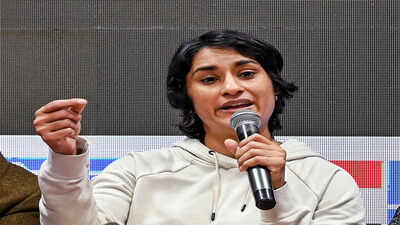
Vinesh Phogat (file photo)

New Delhi: The Delhi High Court The famous wrestler has been allowed Vinesh Phogat to participate in the upcoming Asian Games selection trials, noting that allowing him to participate in the trials was necessary “in the interest of sport and justice”. A bench of Chief Justice DK Upadhyay and Justice Tejas Karia also directed the WFI to video-record the trials to be held on May 30 and 31. The court further ordered that independent observers from the Sports Authority of India (SAI) and the Indian Olympic Association (IOA) be present during the process. “The Appellant shall be permitted to participate in the selection trials for the Asian Games, 2026, which are scheduled for 30.05.2026 and 31.05.2026,” the court said in its order uploaded on Saturday, a day after it was passed. “The policy and circular are clearly exclusionary in nature as they do not give any discretion to the respondent No. 1 (WFI) to consider eminent players like the appellant in view of the sabbatical taken on account of her maternity leave,” the bench said. The court also observed that the grounds cited in WFI’s show cause notice to Phogat appear to be “pre-determined” and amount to reopening of settled issues. The order came on Phogat’s appeal against the May 18 decision of a single-judge bench which had refused to grant him interim relief with regard to his participation in the trials. Phogat, an internationally acclaimed wrestler, was disqualified from the women’s 50kg final at the 2024 Summer Olympics in August 2024 after she was found 100 grams overweight during the morning weigh-in.(With PTI inputs)

Source link

‘India-US will continue to work together for global good’: PM Modi after meeting Marco Rubio india news

'India-US will continue to work together for global good': PM Modi after meeting Marco Rubio
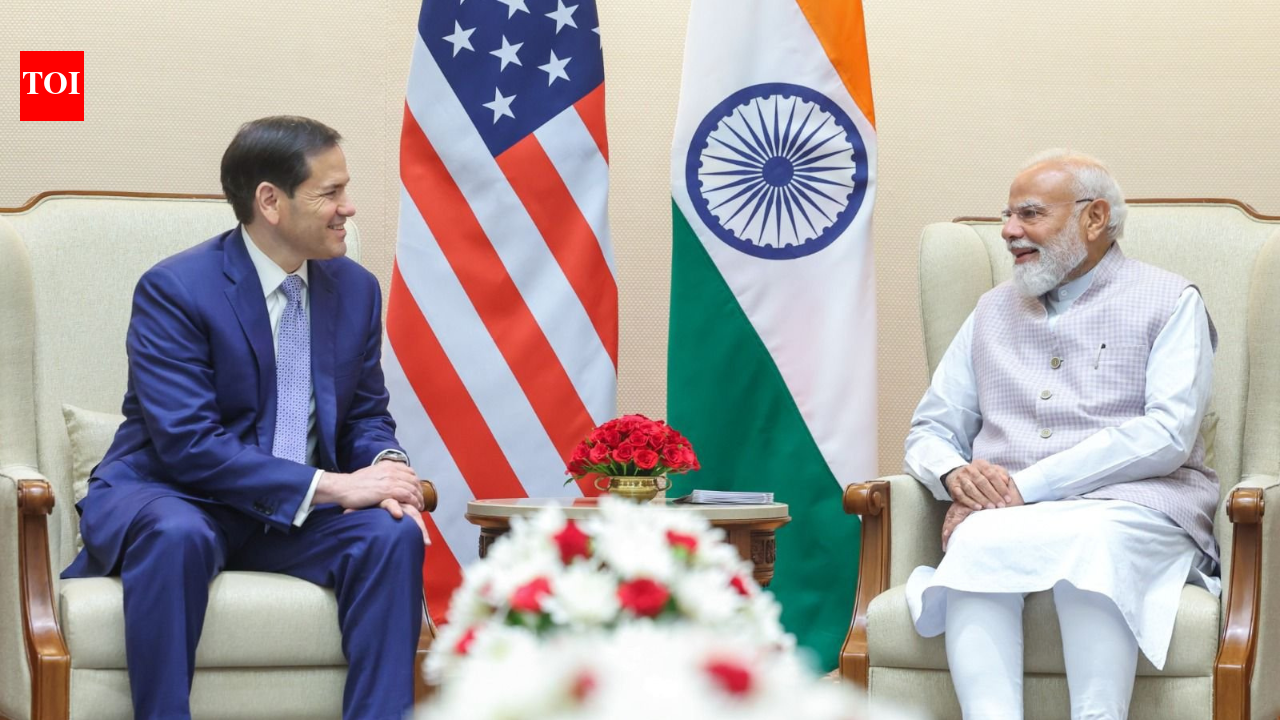
(Picture shared by PM Modi on X)

New Delhi: US Secretary of State marco rubio Talked with Prime Minister Narendra Modi in New Delhi on Saturday on deepening India-US strategic ties in defence, trade, technology and the Indo-Pacific region.Sharing details of the meeting, US Ambassador to India Sergio Gore wrote on Twitter, “It was great to join Secretary of State Marco Rubio for the meeting with Prime Minister Narendra Modi. We had a fruitful discussion on ways to deepen US-India cooperation in security, trade, and critical technologies – areas that strengthen both our countries and advance a free and open Indo-Pacific. India is a vital partner for the United States!”Rubio, who is on a four-day visit to India, is also scheduled to meet External Affairs Minister S Jaishankar on Sunday and attend the Quad foreign ministers’ meeting on Tuesday.During this time, PM Modi “Delighted to welcome US Secretary of State Mr. Marco Rubio. We discussed the continued progress in the India-US Comprehensive Global Strategic Partnership and issues related to regional and global peace and security. India and the United States will continue to work together for global good,” a post on X said. The US Secretary of State met PM Modi hours after his arrival in Kolkata, the first visit by a US Secretary of State to the city in more than a decade. Rubio was accompanied on the trip by his wife, Jeanette D. Rubio.Rubio and Janet de Rubio, along with US Ambassador to India Sergio Gore, visited the Mother Teresa House of the Missionaries of Charity shortly after landing in Kolkata, adding a humanitarian and symbolic dimension to the diplomatic visit.Reflecting on the visit, Gore said moments like these highlight how the partnership between India and the United States is rooted not only in strategic cooperation, but also in “shared values ​​and a spirit of selfless service beyond borders.”Before departing for India on Thursday, Rubio described India as a “great partner” and said Washington wanted to expand energy ties with New Delhi.Speaking to reporters in Miami before leaving for Sweden and India, Rubio said the United States is ready to increase energy exports to India.“Well, we want to sell them as much energy as they’ll buy. And obviously, you’ve seen, I think we’re at historic levels of American production and American exports,” Rubio told reporters.Rubio said the India visit will be important for strengthening bilateral cooperation and will also include meetings with ministers of the Quad countries.Rubio said, “He’s a great ally, a great partner. We work great with him. And so this is an important visit. I’m glad we’re able to do that because I think we’ll have a lot to talk about.”“We will also be meeting there with the Quad, which is important. I think my first meeting as Secretary of State was with the Quad. I am happy that we have been able to do it in India now and we are going to do that at the end of the year as well,” he said.Rubio’s visit to India comes at a time when New Delhi and Washington are expanding cooperation in key areas in the Indo-Pacific, including defence, trade, emerging technologies and regional security.

Source link

‘Rapidly evolving emergency’: 1 dead, several injured after fire, explosion at New York City shipyard

'Rapidly evolving emergency': 1 dead, several injured after fire, explosion at New York City shipyard

One person has died and at least 36 others, including firefighters and first responders, have been injured in a fire that followed two explosions at a New York City shipyard on Friday, officials said. Officials described the incident as a “complex, rapidly evolving emergency” as crews battled the flames late into the night.The fire broke out around 3.30 pm (local time) in the 150-foot by 150-foot metal structure located at the rear of the shipyard. Fire Commissioner Lillian Bonsignore said emergency services arrived at the scene within six minutes after multiple callers reported smoke and two workers trapped in the basement.Shortly after firefighters arrived, the first explosion tore through the structure, injuring several fire department personnel and civilians. A civilian was declared dead at the scene.According to department chief John Esposito, the second explosion occurred as five firefighters and rescue paramedics were searching for trapped workers in and around the structure. The explosion caused further injuries, most seriously to a firefighter and a fire marshal who were inside the building at the time of the shock wave.Dr. David Prezant, the fire department’s chief medical officer, was quoted by the Associated Press as saying that the fire marshal was in serious but stable condition with a fractured skull and minor bleeding on the brain. He said doctors are monitoring him closely for possible swelling in the brain over the next 24 hours.Prezent said the injured firefighter was initially listed in critical condition, but as of Friday evening he was “doing very well” and was under observation for possible muscle injuries. “This was a complex, rapidly evolving emergency,” New York Mayor Zohran Mamdani told reporters during an evening briefing.More than 200 firefighters continued to work at the scene Friday night as the fire was under control but not completely extinguished. Officials said a detailed investigation into the cause of the fire and explosion would begin once the area was secured.Eyewitness Richard Oviogor told local broadcaster WABC-TV that he heard two explosions, followed by what felt like a “huge shock wave”.There are several commercial businesses in the shipyard area, including a coffee roasting facility and a self-storage company. The site was previously owned by Bethlehem Steel, which built ships for the US Navy during World War II.

Source link

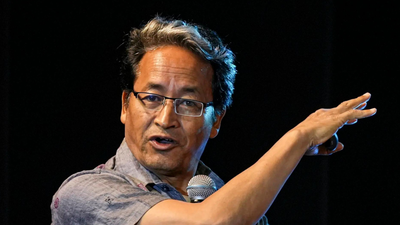
‘I am neither unemployed nor lazy but…’: Sonam Wangchuk calls herself an ‘honorary cockroach’ india news

'I am neither unemployed nor lazy but...': Sonam Wangchuk calls herself 'honorary cockroach'

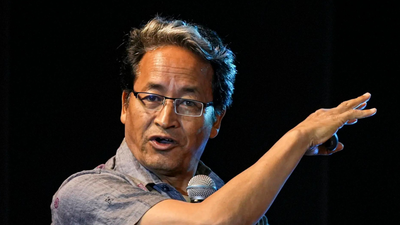
environmentalist and educationist Sonam Wangchuk On Saturday expressed support for the online “Cockroach” movement led by the self-styled “Cockroach Janata Party” (CJP) and described himself as an “honorary cockroach”. He also urged the government to pay attention to the concerns of the youth instead of suppressing their digital expression.When asked if he would formally join the movement, Wangchuk responded that he was not eligible for membership, but identified with the message being put forward by the group.He said, “I have been asked from many quarters to speak on this. Some people are saying that I should also become its member.” “I feel I am not eligible – I am neither unemployed nor lazy. Sadly, I am not a member. But I consider myself an honorary cockroach,” Wangchuk was quoted as saying by PTI.Online campaigns using satire and the image of a cockroach have gained momentum in recent times. Its founders have alleged a crackdown on their social media presence, claiming account suspension and hacking attempts.The movement has gained attention online, basing itself around issues such as unemployment, exam paper leaks and public accountability. Wangchuk said the campaign should be seen as a democratic response rather than a threat.“First of all, I am very impressed. Such creative expression of our youth is nothing to worry about and nothing to fear. The government should take the message – don’t kill the messenger. If we kill the messenger, the message will not go away.”Drawing comparisons to political cartoons and newspaper caricatures, Wangchuk said that dissent expressed through humor and symbolism is a legitimate democratic tool.He said, “Like cartoonists in newspapers, you don’t shoot them because they have drawn a caricature of the Prime Minister, the Home Minister or the Defense Minister. Similarly, this is also satire. Look at it as a reaction.”Wangchuk also praised the non-violent and imaginative approach of the movement, saying that youth in the country have chosen digital creativity rather than confrontation – something he said reflects the idea of ​​India being a “Vishwaguru”.“I’m impressed that India’s youth want to vent their frustrations in such a creative way – not on the streets with stones, as has happened in other countries,” he said. “It is the duty of the Government of India to respect it, look at it with love and take its message.”At the same time, Wangchuk cautioned that suppressing online spaces for expression could increase frustration among youth. Referring to reports that social media accounts linked to the movement were being shut down, he said authorities should avoid silencing dissent.He said, “Otherwise, what will happen? I hear that their accounts are being closed. Then this anger can go anywhere.”Drawing comparisons to the political unrest in Nepal, Wangchuk argued that restricting creative expression online could have unintended consequences.Wangchuk appealed to the youth to continue their expression peacefully, while also urging the government not to push them into a corner.“This is my message to the government – ​​don’t put pressure on them,” Wangchuk said.He said, “And I request the youth to never go towards violence. Keep raising your voice, no matter how much you talk, never go towards violence. On the other hand, the government should not force them to adopt the path of violence.”Meanwhile, the “iconic” website of the self-styled Cockroach Janata Party (CJP) was removed on Saturday, founder Abhijit Dubke claimed, as he accused the BJP-led Center of working in a “dictatorial” manner.Dipke, whose unconventional digital movement has gained popularity among young social media users, took to Twitter to accuse the government of “dictatorial behaviour”. He claimed that nearly 1 million people had signed up as members of the platform, which has emerged as a Gen Z- and millennial-driven space focused on satire, sarcasm and meme culture targeting the system.The controversy also comes amid outrage over the alleged NEET-UG paper leak, an issue that has sparked anger among lakhs of medical aspirants across the country. Dupke claimed that six lakh members of the Cockroach Janata Party had signed a petition demanding the resignation of Union Education Minister Dharmendra Pradhan over the examination controversy.

Source link

Bruno Fernandes named Premier League player of the season after historic turnaround

Manchester United playmaker Bruno Fernandes has claimed the 2025/26 Premier League Player of the Season award, the first time he has won the honour. The midfielder has enjoyed exceptional form throughout the year and has served as a definite catalyst for an emerging team that has successfully booked their ticket to the UEFA Champions League.

The Portuguese international was a constant threat, registering eight goals and an astonishing 20 assists. This huge feat meant he scored 28 straight goals in 37 league matches, helping the Red Devils secure third place in the standings.

His historic 20th assist of the domestic campaign came during a tough 3–2 win over Nottingham Forest, where he set up Brian Mbumo. That decisive pass saw Fernandes equal the long-standing single-season assist record, bringing him level with legends Thierry Henry and Kevin De Bruyne.

Reuben Amorim Overcoming Strategic Obstacles

The playmaker’s award-winning year began in incredibly difficult circumstances as Manchester United struggled early on during Ruben Amorim’s first full season. Under the former manager’s tactical arrangements, the captain was unnaturally pulled into a deeper midfield role. Instead of serving as the primary final-third creator, he was asked to sit deeper and control the pace of the game.

however, The club severed ties with Amorim after disappointing results.. Subsequent appointment of interim boss Michael Carrick completely changed the fortunes of the team. Carrick immediately restored Fernandes to his preferred number ten role, a tactical adjustment that immediately unlocked his distinctive creative output and supercharged United’s forward line.

Crossing club legends into the history books

“I’m very happy for the assist, for the win and to end the season on a high note,” Fernandes commented after achieving the historic feat. “I’ve reached 20, let’s see—we’ve got one more game! It’s my highest performance ever in the Premier League so I’m very happy with that.”

Fernandes now has the opportunity to claim the outright single-season assist crown if he sets up another goal during the final league match against Aston Villa. He has already surpassed David Beckham’s previous club record of 15 assists, which stood since the 1999/2000 season. Furthermore, his 132 goal-scoring chances created in this period put him comfortably ahead of Liverpool’s Dominik Szoboszlai, who finished second with 43 fewer chances.

This honor follows his recent recognition as the Football Writers’ Association’s Men’s Footballer of the Year, making him the first United representative to win the FWA award since Wayne Rooney in 2010. He is also the first Old Trafford player to win the Player of the Season trophy since Nemanja Vidić in 2011.

To win the coveted individual trophy, Fernandes topped a competitive eight-man shortlist featuring Arsenal trio Declan Rice, Gabriel and David Raya, Manchester City’s Erling Haaland and Antoine Semenyo, Brentford frontman Igor Thiago and Nottingham Forest’s Morgan Gibbs-White.

– ends

published by:

Amar Panikkar

Published on:

May 23, 2026 16:11 IST

Source link

Priyanka Chopra enjoyed food in Hyderabad this summer: 5 ways you can enjoy it too

Priyanka Chopra enjoyed food in Hyderabad this summer: 5 ways you can enjoy it too

Bollywood’s Desi Girl aka Priyanka Chopra is known for her love for all things Indian. From her love for aloo paratha to buttermilk, she has always been vocal about her love for traditional Indian foods. The global star was recently spotted in Hyderabad and shared an Instagram story of enjoying a plate full of the king of fruits. Scroll down to read details.

Priyanka loves Indian food

According to her Instagram story, Priyanka was seen enjoying a plate full of mangoes between shoots. The actress shared a picture of her tiffin box filled with cut mango cubes on her Instagram Stories. He wrote, “Mango season”, followed by a drooling face emoji and added “#support #hyderabadimangoes.”

2 (1773)

What are Himayat mangoes?

Also known as Imam Pasand, it is a premium quality South Indian mango variety known for its aroma, flavor and subtle hints of coconut and lemon. According to historians, this mango variety was adopted by the Nawab of Hyderabad in present-day Telangana and was cultivated on a large scale in the region. Presently, this mango is cultivated in Tiruchirappalli, Salem, Courtallam, Dharmapuri and Krishnagiri. It typically weighs 300–800 grams and is known for its yellow, orange and green colors depending on the sunlight.

5 Easy Mango Recipes to Try at Home

2 (1774)

Mango Shake: It is a refreshing summer drink made by mixing ripe mangoes with cold milk and sugar. Cardamom powder, cherries and dry fruits can also be added to it. Loved by people of all age groups, this dish is also enjoyed with a topping of vanilla ice cream. Aamras: It is a traditional dish prepared by pulping ripe mangoes and adding cardamom or saffron to them and is usually served with Ajwain Puri during summer meals.Mango Custard: This is a classic mango sweet, best enjoyed cold. To make it, you need to boil full fat milk and add a solution of cold milk, vanilla custard powder, sugar and cardamom powder to it. Let it cool, refrigerate for 4-6 hours and then top it with fresh mango pieces and dry fruits. enjoy! Mango Kulfi: This is a traditional frozen mango dessert that celebrates the aroma of the fruit. It is made by mixing ripe mango puree, condensed milk, cardamom and finely chopped dry fruits. It has a dense texture and intense mango flavor and is best enjoyed as an after-meal dish. Mango Cheesecake: It is a modern dessert that combines the sweetness of ripe mangoes with creamy cheesecake layers of cream cheese and essences and a biscuit base. It is a no-bake dish that can be easily made at home.

Source link

Stabbing in London: Five people rushed to hospital after violent fight, one arrested

Stabbing in London: Five people rushed to hospital after violent fight, one arrested

Five people were injured in a stabbing on a busy west London street following a violent brawl in Acton on Friday afternoon, police said.According to the Metropolitan Police, officers patrolling Horn Lane were alerted at around 2.47pm to reports of a number of people being attacked and stabbed. All five victims were given emergency first aid at the scene before being taken to hospital.Four of the injured, aged 20, 22, 42 and 47, suffered stab wounds, although police said their injuries were not considered life-threatening or life-changing. A fifth man, aged 26, was also taken to hospital, where he was later arrested on suspicion of grievous bodily harm (GBH) and possession with intent to supply Class A and B drugs.Police confirmed that the suspect is still under medical care while the investigation continues.The London Ambulance Service said multiple emergency teams, including advanced paramedics and tactical response units, were deployed to the scene after receiving a distress call shortly before 2.50pm.Chief Superintendent Jill Horsfall said the incident would naturally cause concern to residents and assured the public that detectives were working to establish the full sequence of events.“We recognize this will be worrying for the local community and want to reassure them that our detectives are working quickly to establish exactly what happened,” he said.Police said there would be an increased security presence in the area over the coming days and any witnesses or anyone with information was urged to contact officers.Pictures circulated on local community forums reportedly showed several injured people being treated outside a nearby electrical goods store.The incident comes amid ongoing concerns over knife crime in England and Wales, although recent figures show a decline in knife-related crime and murders in 2025 compared to the previous year.

Source link

Explainer: BJP mastered the north – why south still resists the saffron wave | India News

Explainer: BJP mastered the north - why south still resists the saffron wave
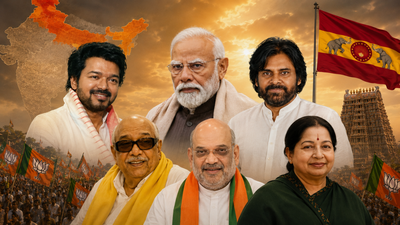
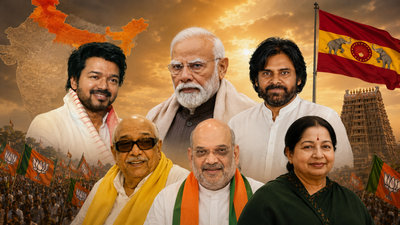
This image is used for representation purpose only (AI-image)

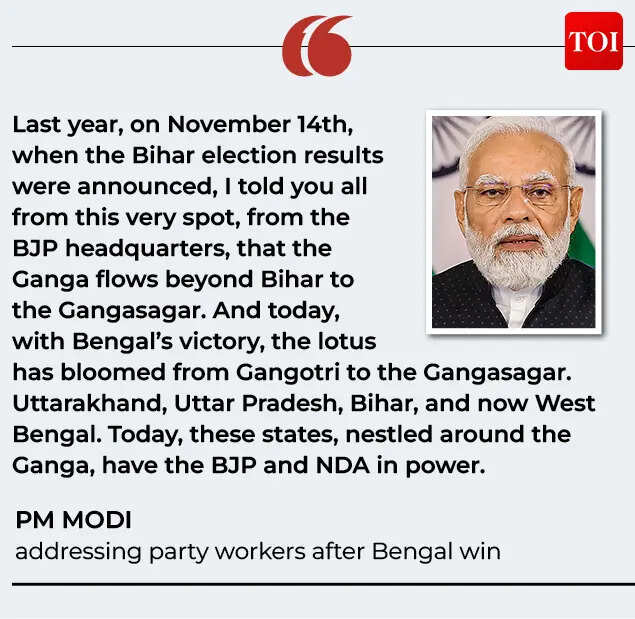
NEW DELHI: It was May 4. Bharatiya Janata Party had scripted one of its biggest political breakthroughs in eastern India. In West Bengal, BJP dethroned Mamata Banerjee and ended the dominance of the Trinamool Congress in a result that dramatically altered the state’s political landscape. The slogan once weaponised against the BJP – ‘Khela Hobe’ appeared to come full circle as the saffron party celebrated a historic victory in Kolkata.Addressing jubilant party workers after the win, Prime Minister Narendra Modi declared, “Ganga se Gangasagar tak BJP ki vijay yatra ne naye itihaas ka nirman kiya hai.”
.

.

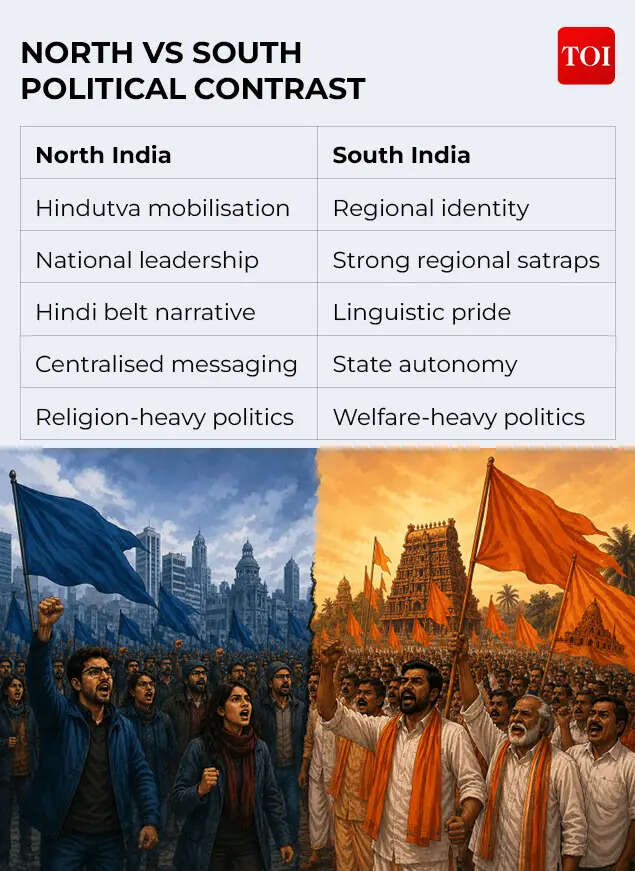
On the same day, the BJP-led NDA also secured a third consecutive victory in Assam, further consolidating the party’s hold in the Northeast. “Assam blesses BJP-NDA once again!” PM Modi posted on X soon after the results.Yet, even as celebrations erupted across the two states, the electoral map in southern India told a sharply different story.In Tamil Nadu and Kerala, the BJP once again failed to translate aggressive campaigning and high-decibel outreach into a major electoral breakthrough. Despite months of political mobilisation led by PM Modi and Union home minister Amit Shah, the party failed to secure double-digit victories in the southern states that remain its most difficult political frontier.The setback was particularly striking in Tamil Nadu, where the BJP had hoped anti-incumbency against the ruling DMK and its alliance arithmetic would create space for expansion. Instead, the emergence of Vijay and his TVK dramatically reshaped the contest. The 2026 assembly elections once again underlined a political reality that has persisted despite the BJP’s rapid national rise: while the party has succeeded in expanding geographically across much of India, the South continues to operate through a distinctly different political grammar.Southern politics is shaped by regional identity, linguistic pride, welfare politics, strong state leadership and the enduring influence of cinema.
.

.

Still, the BJP insists the southern story is unfinished. After the results, party president Nitin Nabin asserted confidently, “South India will also bloom with BJP’s lotus.”For BJP, however, the 2026 verdict raised a larger question: why does a party that dominates vast stretches of India continue to struggle in crossing the southern political barrier?

Southern wall BJP still cannot cross

Despite its extraordinary electoral expansion across northern, western and parts of eastern India over the last decade, BJP continues to face its most persistent resistance in southern India.Karnataka is still the party’s only major and durable success story in the region. Built through decades of Rashtriya Swayamsevak Sangh (RSS) groundwork, Lingayat support, urban consolidation and organisational depth, Karnataka gave the BJP a stable southern base that no other state has yet replicated.Elsewhere, the party’s growth has remained uneven.In Tamil Nadu, the party has struggled to independently emerge as a dominant force despite years of aggressive expansion efforts.In Kerala, it managed to secure its first-ever Lok Sabha seat only in 2024 through actor-politician Suresh Gopi’s victory in Thrissur but continues to struggle in assembly politics dominated by the Congress-led UDF and CPI(M)-led LDF. In Andhra Pradesh, the BJP’s fortunes have largely depended on alliances with the Telugu Desam Party (TDP) and Jana Sena Party (JSP), while in Telangana, an initial surge after the 2019 Lok Sabha elections lost momentum following the Congress resurgence in 2023.The BJP also attempted to counter accusations that it represented a ‘north Indian political imagination’ disconnected from southern linguistic and cultural sensitivities.PM Modi repeatedly invoked Tamil civilisation in speeches, praised Tamil as one of the world’s oldest languages and elevated Tamil cultural symbols onto the national stage. The installation of the Sengol in the new Parliament building and initiatives such as the Kashi Tamil Sangamam formed part of that broader outreach.Yet the electoral conversion remained limited.One major reason is that southern politics often prioritises regional identity, state autonomy and local leadership over centralised national narratives. For the BJP, the challenge in the South is no longer visibility. It is becoming organically rooted within political cultures that remain deeply regional in character.South campaign lacked Bengal-like intensityUnlike West Bengal, where the BJP ran an extraordinarily aggressive and centralised campaign, its southern push lacked the same electoral intensity and sustained ground mobilisation. In Bengal, Amit Shah spent nearly 15 days on the ground overseeing booth-level strategy, while the party deployed its full organisational machinery during the Special Intensive Revision (SIR) exercise and the election campaign. That same level of intense campaigning was found missing in the South.

Identity before ideology: Why southern politics works differently

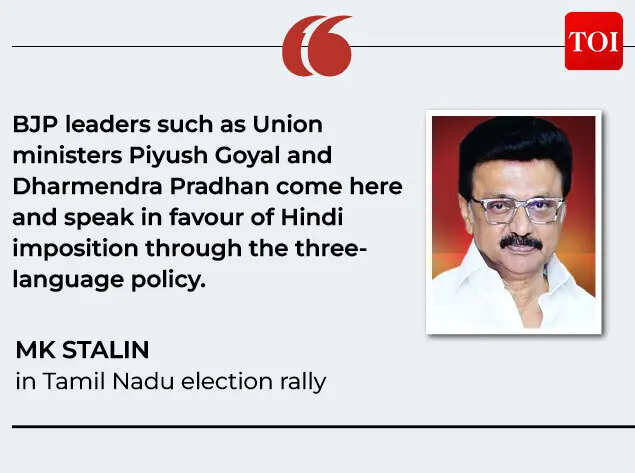
One of the BJP’s biggest challenges in southern India lies in the region’s deeply entrenched linguistic and cultural politics, where regional identity often outweighs religious consolidation in shaping electoral behaviour.This divergence is most visible in Tamil Nadu, where the Dravidian movement transformed politics around Tamil identity, social justice and resistance to perceived central domination from Delhi.The anti-Hindi agitations of the 1960s continue to influence political discourse even today. Resistance to Hindi is often framed not merely as a language debate but as a defence of regional identity and state autonomy.This explains why issues such as the three-language policy, NEET and delimitation continue to generate sharp political reactions.Ahead of the 2026 elections, DMK chief MK Stalin repeatedly accused the BJP of attempting to impose a northern cultural framework on southern states.“BJP leaders such as Union ministers Piyush Goyal and Dharmendra Pradhan come here and speak in favour of Hindi imposition through the three-language policy,” Stalin said during an election rally.
.

.

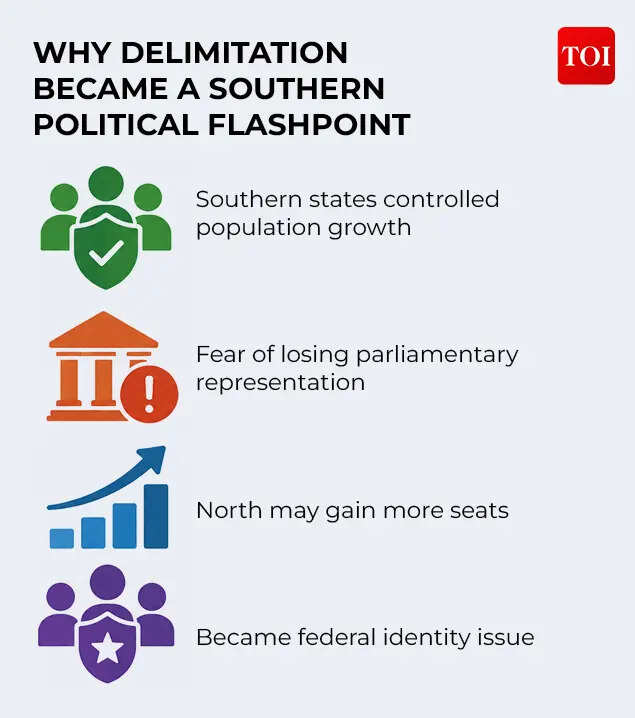
The proposed delimitation exercise further intensified concerns across the South, with regional parties arguing that states which performed better on population control could eventually lose parliamentary representation.The ‘North versus South’ political narrative has also expanded beyond language into economic debates surrounding taxation and fiscal devolution.Tamil Nadu leaders repeatedly argued that the state receives disproportionately low financial returns despite contributing heavily to national tax revenues.
.

.

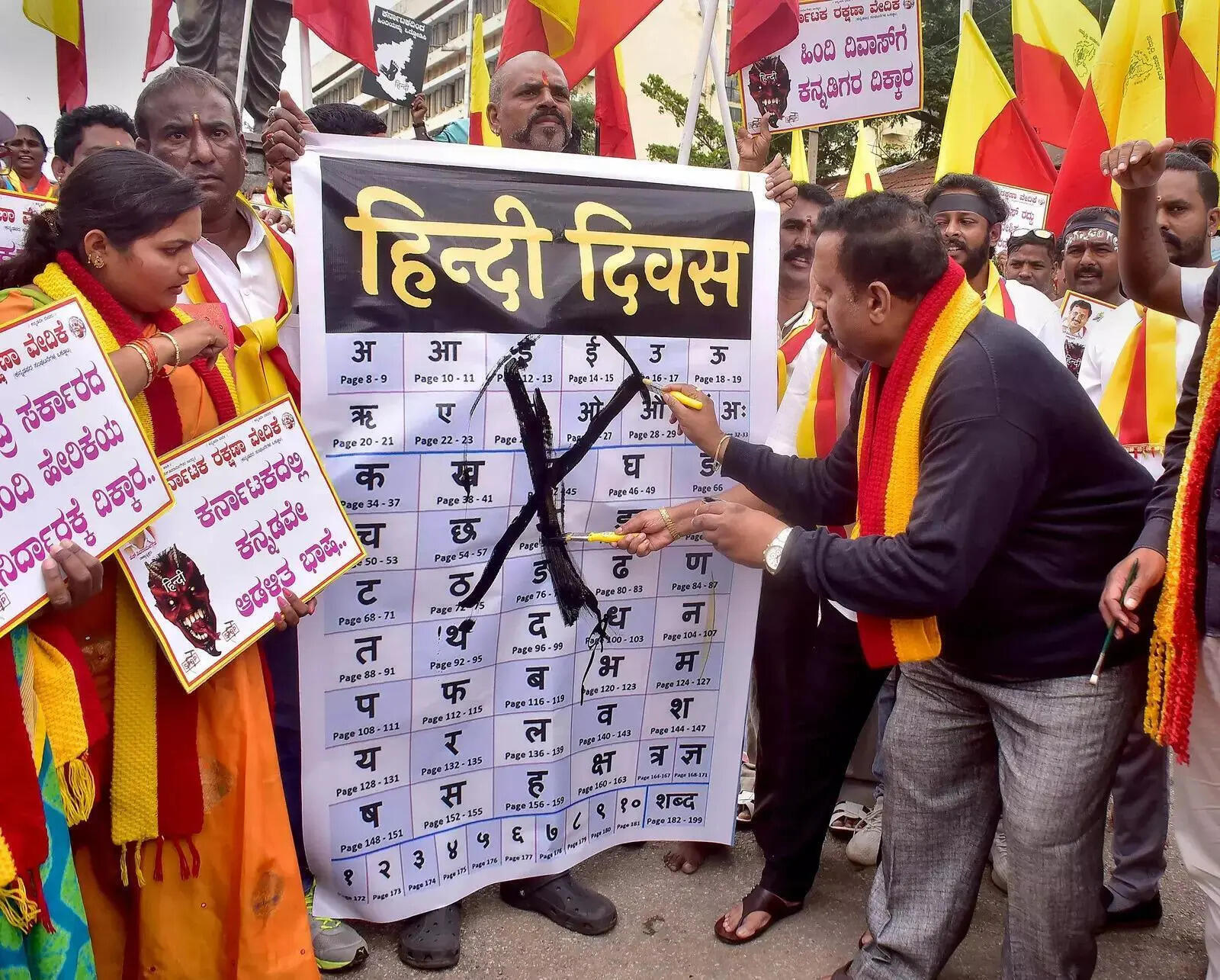
DMK leader TKS Elangovan alleged that while Tamil Nadu receives ‘27 paise’ for every rupee contributed in taxes, states such as Uttar Pradesh receive significantly higher returns. Karnataka chief minister Siddaramaiah similarly accused the Centre of causing a loss of over Rs 45,000 crore to the state through reduced tax devolution after the 15th Finance Commission.Even Karnataka has witnessed visible language assertion movements. In Bengaluru, pro-Kannada groups blackened Hindi signboards and protested against what they described as ‘growing linguistic imposition’.

Cinema, charisma and the southern political imagination

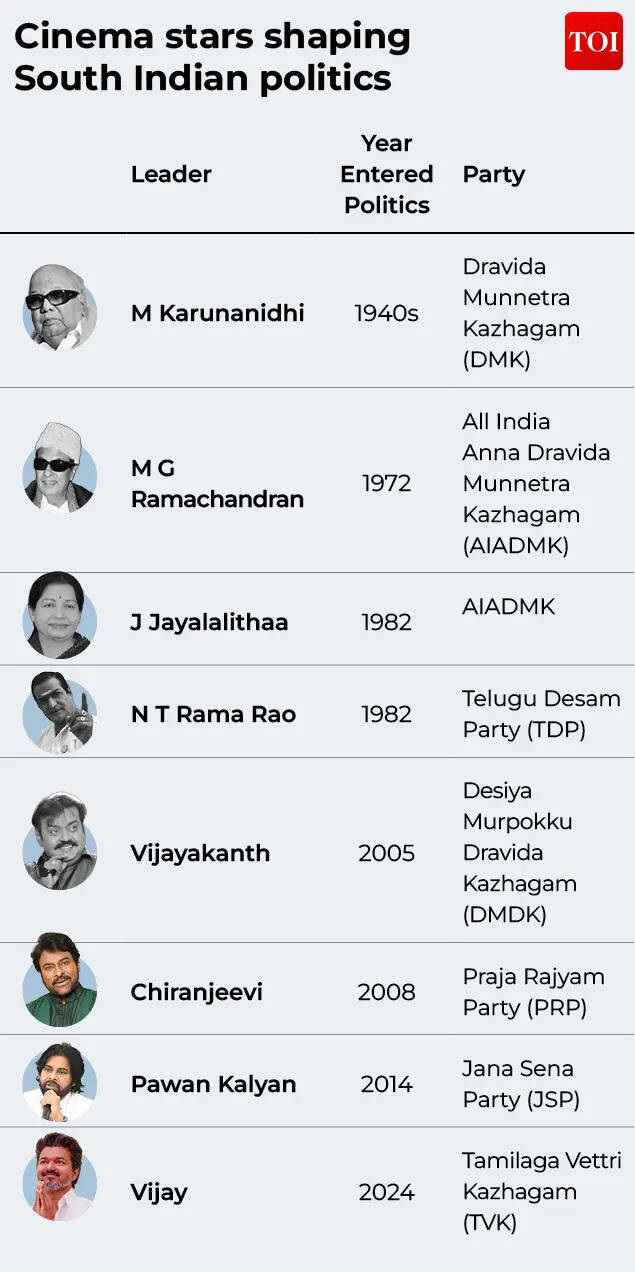
If regional identity shapes southern politics, cinema often shapes its emotional imagination.Few regions have witnessed as seamless a transition from film stardom to political leadership as South India. For decades, cinema has functioned not merely as entertainment but as a powerful vehicle of political mobilisation.Tamil Nadu and Andhra Pradesh pioneered the actor-politician model through leaders such as M Karunanidhi, M G Ramachandran (MGR), J Jayalalithaa and NT Rama Rao (NTR), all of whom converted cinematic popularity into long-term political influence.Their success demonstrated how emotional familiarity and cultural connection could often outweigh ideological mobilisation.That political tradition continues even today.
.

.

In Andhra Pradesh, actor Pawan Kalyan emerged as a key political player through the Jana Sena Party and later became deputy chief minister. In Kerala, actor Suresh Gopi delivered BJP its first-ever Lok Sabha seat from the state in 2024.The latest and perhaps most consequential entrant, however, is Vijay.Through TVK, Vijay transformed one of Tamil cinema’s largest fan bases into an organised political force that reshaped the 2026 electoral landscape in Tamil Nadu.Fan associations in southern India have historically functioned as proto-political organisations conducting welfare activities, building local networks and cultivating long-term emotional loyalty.For parties such as the BJP, this creates a distinct challenge. While PM Modi remains personally popular and capable of drawing large crowds, southern politics has historically rewarded leaders who are viewed as culturally embedded within the state itself rather than nationally projected figures alone.

Tamil Nadu: BJP’s 2026 reality check

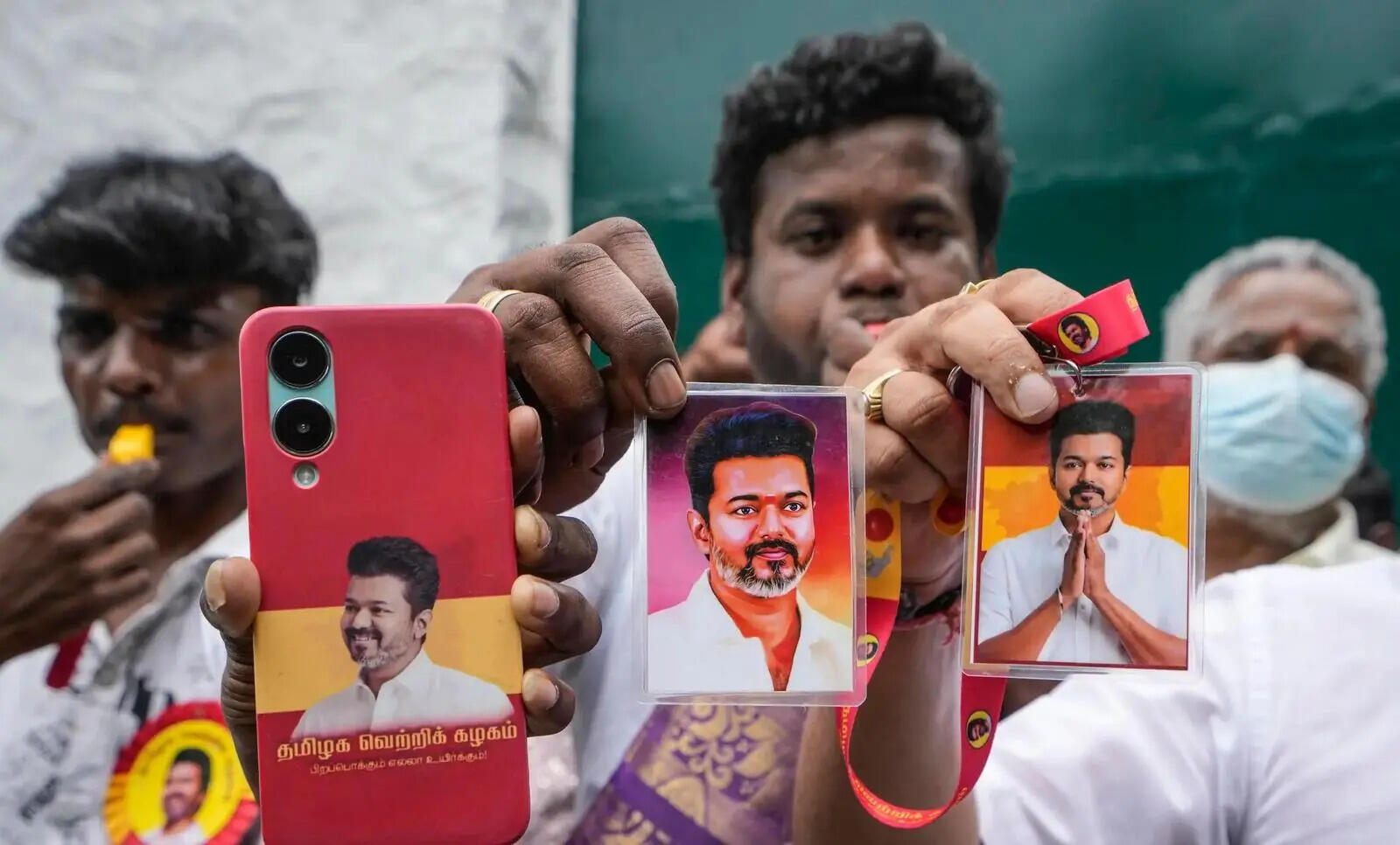
The 2026 Tamil Nadu assembly elections exposed the limits of the BJP’s expansion strategy despite years of aggressive campaigning and organisational investment in the state.While the BJP celebrated landmark victories in West Bengal and Assam, its performance in Tamil Nadu remained modest. Contesting as part of the AIADMK-led NDA, the BJP won just one seat out of the 27 constituencies it contested. This reflected a decline from the four seats it held after the 2021 assembly elections.But the biggest political development was the rise of Vijay’s TVK.Within BJP circles, there had been expectations that Vijay’s entry would primarily split anti-DMK votes and indirectly aid the NDA. Instead, TVK emerged as an independent political force capable of attracting first-time voters, sections of youth and even portions of the traditional Dravidian support base. Vijay’s appeal went beyond conventional electoral arithmetic. Much like earlier actor-politicians in Tamil Nadu, he benefited from emotional familiarity, fan-club mobilisation and the perception of representing a fresh political alternative outside both the BJP and the established Dravidian parties.His rise also signalled the possibility that Tamil Nadu may slowly be entering a more fragmented post-DMK-versus-AIADMK political phase.
.

.

Welfare politics and federal fault lines

Another major obstacle for the BJP in southern India has been the region’s deeply entrenched welfare-driven political culture, where elections are often shaped more by governance delivery and state-specific economic concerns than by ideological mobilisation alone.Across southern states, regional parties have historically built durable voter loyalty through expansive welfare programmes, subsidised services and targeted social schemes. From Tamil Nadu’s long-standing welfare model and Jayalalithaa’s ‘Amma’ schemes to Telangana’s cash-support programmes, governance delivery has remained central to electoral success.This has allowed regional parties to position themselves as protectors of state interests against what they describe as excessive centralisation by Delhi.There have been disputes over the Centre’s handling of education funding and language-linked policy. Tamil Nadu repeatedly accused the Union government of withholding funds under schemes such as the Samagra Shiksha Abhiyan (SSA) over disagreements surrounding the National Education Policy and the three-language formula.Left parties, particularly the CPM, also framed the BJP’s governance model as excessively centralised and argued that federal institutions were increasingly being weakened.

Kerala, Telangana and Andhra: BJP’s uneven southern experiment

Beyond Karnataka, the BJP’s southern expansion has remained uneven, highly state-specific and often dependent on alliances rather than independent organisational dominance.In Kerala, the party continues to face perhaps its toughest electoral terrain. The state’s politics has long been dominated by the Congress-led United Democratic Front (UDF) and the CPIM-led Left Democratic Front (LDF), leaving limited political space for a third force.

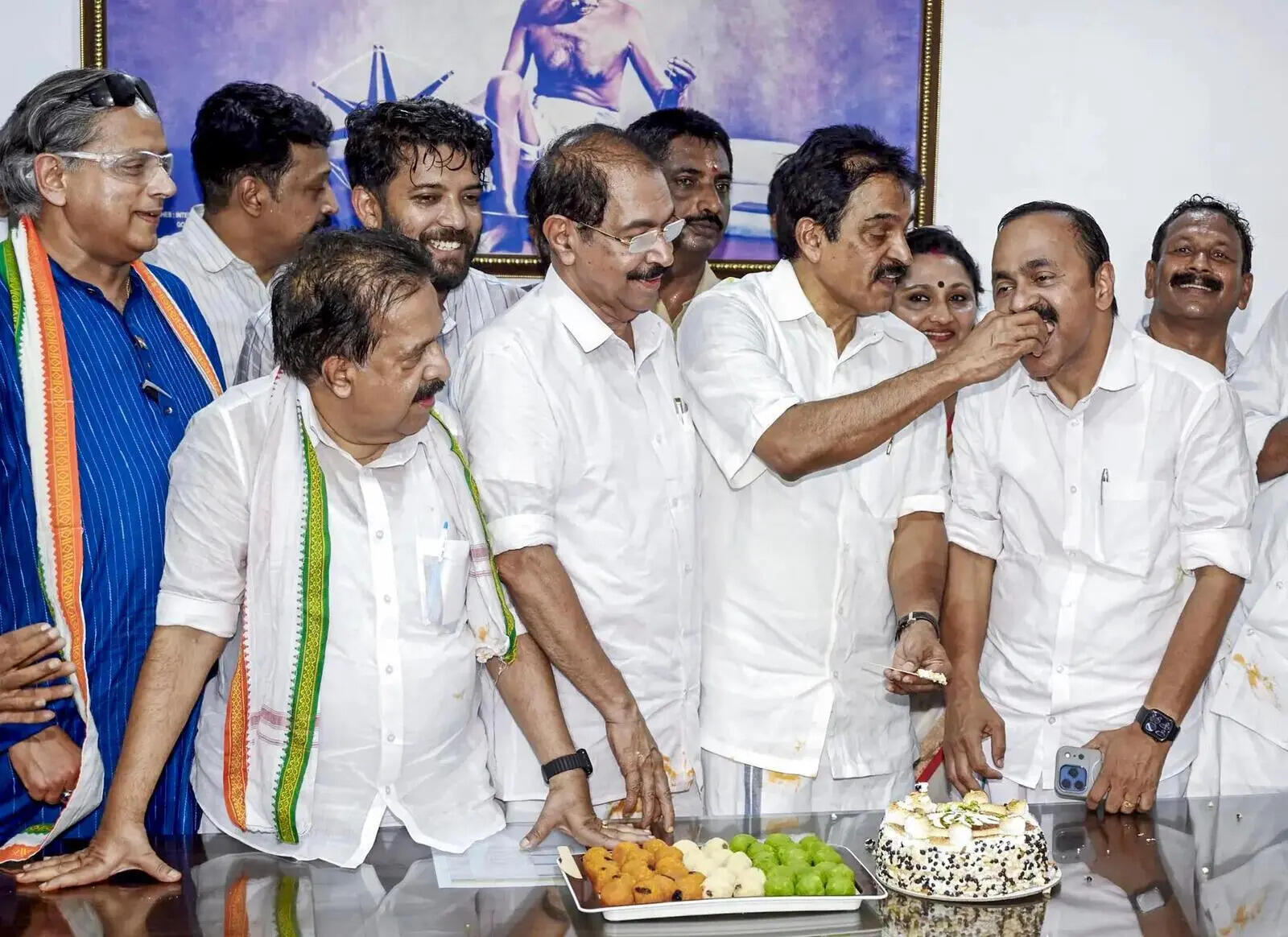
Congress led UDF victory in Kerala (Image/PTI)

The 2026 Kerala assembly elections offered the BJP a modest but symbolically significant breakthrough. The party won three assembly seats for the first time in the state’s history.In Telangana, the BJP appeared to emerge as a major force after its strong 2019 Lok Sabha performance, when it won four parliamentary seats and positioned itself as the principal challenger to K Chandrasekhar Rao’s Bharat Rashtra Samithi (BRS). However, that momentum slowed significantly after the Congress returned to power in the 2023 assembly elections under Revanth Reddy.Internal leadership changes also affected the party’s momentum. The replacement of Bandi Sanjay Kumar with G Kishen Reddy as state BJP chief triggered dissatisfaction within sections of the cadre base, while the Congress successfully consolidated anti-incumbency sentiment against the BRS.In Andhra Pradesh, the BJP’s position has remained heavily dependent on alliances with Chandrababu Naidu’s Telugu Desam Party (TDP) and Pawan Kalyan’s Jana Sena Party (JSP). The party has struggled to recover from backlash over the long-standing Special Category Status issue, with many voters viewing the BJP as having failed to fulfil promises made during Andhra Pradesh’s bifurcation.

Karnataka: BJP’s southern exception

Karnataka remains the BJP’s most successful and durable experiment in southern India and the only southern state where the party has managed to build an independent, long-term political base.The BJP’s rise in the state was built gradually through decades of RSS organisational work, particularly in coastal Karnataka and urban centres such as Bengaluru. The party also consolidated strong support among sections of the influential Lingayat community while expanding its appeal among urban middle-class voters.Unlike Tamil Nadu or Kerala, Karnataka proved more receptive to national political narratives and Hindutva mobilisation.Even when the BJP lost assembly elections in Karnataka, it has historically remained highly competitive in parliamentary contests. This pattern became visible again after the Congress secured a sweeping victory in the 2023 assembly elections, winning 135 seats with around 43 per cent vote share, while the BJP was reduced to 66 seats.Karnataka too continues to display strong regional assertion.Pro-Kannada groups have repeatedly protested against the growing use of Hindi in public spaces, including incidents where Hindi signboards in Bengaluru were blackened during demonstrations.

Image/PTI

That contradiction is politically significant. Karnataka shows that while the BJP can succeed in southern India, regional identity and linguistic sensitivity continue to remain powerful political forces even within the party’s strongest southern bastion.

Conclusion

The BJP’s southern challenge is no longer simply electoral. It is a contest against deeply embedded political ecosystems shaped by language, welfare politics, cinema, federal identity and regional pride.In much of northern India, the BJP successfully built a broad national political imagination. In the South, however, voters continue to reward parties and leaders who are seen as protectors of state identity and regional autonomy.The question now is whether the BJP can evolve from being viewed as a powerful national force into a party that southern voters also see as culturally rooted within their states. Because in southern India, electoral success is rarely decided by ideology alone, it is determined by who best understands the emotional, linguistic and political soul of the region.

Source link

Nagarjuna: ‘The date I can’t forget’: Tollywood legend Nagarjuna recalls the memorable date of May 23. telugu movie news

'The date I can't forget': Tollywood legend Nagarjuna recalls memorable date of May 23

May 23 is an important day full of memories and emotions for veteran Tollywood actor Nagarjuna. This date first became special in 1986 when the star started his journey as a lead actor with ‘Vikram’. The film launched a career that would continue to entertain audiences for decades.On the special occasion, Nagarjuna shared an emotional note on

‘Manam’ made this date even more special

Years later, with the release of ‘Manam’, the importance of May 23 increased even more. The film is one of the most emotional projects in the history of the Akkineni family. This was the last on-screen appearance of legendary actor Akkineni Nageswara Rao. The film brought together three generations of the Akkineni family. Nagarjuna shared screen space with his father ANR and his sons, Naga Chaitanya and Akhil Akkineni. He further added, “The day I had the honor of producing and releasing my great father’s last film Manam and that was the film in which I had the privilege of working with both my father and sons. Many years ago on 23rd May I got the opportunity to release my first film Vikram, a chance to entertain you, a chance to receive your blessings and love. My deepest gratitude to all the fans who have stood by me all these years. Looking forward to many more 23rd May films.”Naga Chaitanya also wrote to his ex (former handle), “From #Vikram to every subsequent milestone, setting trends with bold courageous steps has inspired me, filmmakers and generations. Thank you Raja @iamnagarjuna. Marking #12YearsForClassicManam #ANRliveson is a film that will always be special to me and it’s a privilege to be a part of it. This day of May 23rd will always be special :)”

Nagarjuna shared the teaser of ‘Lenin’

Today, Nagarjuna also released the teaser of his son Akhil Akkineni’s upcoming film ‘Lenin’. While sharing the trailer, he wrote, “Today, 23rd May, another day, Akhil and another surprise. Read more. Thank you.” Which loosely translates into English is, “Today, May 23, is the day my filmy journey began. Akhil gave me a little surprise, and it’s very pleasant and heart-touching to see it.” See for yourself. Our boy is coming…”Meanwhile, Nagarjuna is currently working on his upcoming film tentatively titled ‘King100’. This film also marks their reunion Puneet. The name of this film directed by Ra Karthik is speculated to be ‘Asurudu’.

Source link

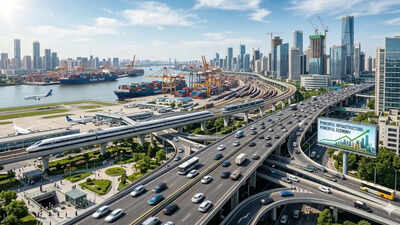
The world’s most powerful economies by 2030: Forecast reveals future global leaders world News

The world's most powerful economies by 2030: Prediction reveals future global leaders

Economic rankings rarely remain stable for long. A country may spend decades advancing rapidly through manufacturing, technology, and trade, only to slow down as population growth weakens or industries relocate elsewhere. By the end of this decade, the global balance is expected to look quite different from what it was in the early 2000s.According to a report discussed by World Economic ForumMany emerging economies are projected to move up the global GDP rankings by 2030, while some long-established industrial powers may slip a few places despite remaining economically influential. Much of that change is related to population size, urban expansion, productivity growth, and rising household consumption. Asia continues to dominate the conversation, although North America and parts of Europe are still expected to retain heavy financial and political weight.

Projected ranking of the world’s most powerful economies by 2030

Rank till 2030 Country Estimated share of world GDP (PPP)
1 China 19.70%
2 United States of America 14.90%
3 India 8.50%
4 Japan 4.20%
5 Germany 3.00%
6 Russia 2.80%
7 Indonesia 2.50%
8 brazil 2.40%
9 united kingdom 2.00%
10 France 1.90%

World’s most powerful economies as per 2030 projections

1. ChinaChina is projected to remain the world’s largest economy by purchasing power parity measures by 2030, continuing a trend that has accelerated over the past decade. Manufacturing scale still plays a large role, although the country’s economy is increasingly tied to technology, infrastructure investment and consumer spending.According to the World Economic Forum report, China’s economic size is expected to remain ahead of most competitors, even though growth rates are gradually slowing compared to earlier periods of rapid expansion. Concerns remain about debt, rising demographics and trade tensions, but the country’s industrial reach remains difficult to match.2. United States of AmericaThe United States is expected to remain among the world’s leading economic powers by 2030, despite stiff competition from Asia. Financial markets, research institutions, multinational companies, and the continued influence of the US dollar all help maintain that status quo.According to the World Economic Forum’s projections coverage, the United States is expected to remain at the top level globally, even if its relative edge diminishes. The country continues to attract investments in artificial intelligence, pharmaceuticals, defense technology and advanced computing, sectors that often shape broader economic impact beyond GDP rankings alone.3. IndiaIt is estimated that India will be among the top three economies globally by 2030. This change represents more than simple population growth. Expanding digital infrastructure, rising urban demand and growing middle-income population are all contributing factors behind this projection.The World Economic Forum report suggests that India could overtake many advanced economies in the coming years as consumption grows internally rather than relying solely on exports. Services, telecommunications, finance, and manufacturing have all expanded unevenly but consistently enough to reshape long-term expectations about the country’s position in the global economy.4. JapanJapan is also projected to remain among the leading global economies despite ongoing demographic pressure and slow population growth.The country still maintains a strong position in robotics, automotive production, electronics and advanced manufacturing. Although its economy may not expand as rapidly as younger emerging markets, Japan’s industrial base remains highly influential internationally.5. GermanyGermany is expected to remain one of the world’s largest economies until 2030, although growth may continue at a slower pace than faster-growing Asian markets.Growing demographics and industrial change remain long-term concerns. Nevertheless, Germany has considerable strengths in manufacturing, engineering, exports, and industrial technology, placing it at the center of Europe’s economic structure.6. RussiaRussia is projected to remain among the world’s leading economies by 2030 in the rankings referenced by the World Economic Forum.Energy exports continue to shape Russia’s international economic position. At the same time, sanctions, geopolitical tensions and volatile commodity markets have increased uncertainty over future growth.7. IndonesiaIndonesia is one of the countries that is expected to grow rapidly by 2030. Large population size, growing cities and strong domestic demand have put the country alongside large emerging markets in long-term forecasts.Its economy has historically been heavily dependent on commodities and exports, although in recent years there has been a greater focus on manufacturing and infrastructure. The report places Indonesia among the economies expected to become more important globally by the end of the decade.8. BrazilAccording to projections highlighted in the report, Brazil remains one of the largest economies in Latin America and is expected to be in the global top 10 by 2030.Its agricultural exports, energy resources and large consumer market continue to support its long-term economic importance despite political and financial instability.9. United KingdomThe United Kingdom is expected to maintain its position among the world’s leading economies by 2030, largely supported by financial services, technology, pharmaceuticals and international investment links.London’s continued role as a financial center remains important to the country’s global economic influence, even though growth rates remain relatively moderate compared to some emerging economies.10. FranceFrance is also projected to remain among the top 10 economies globally by 2030.Industries such as aerospace, luxury goods, tourism, agriculture and energy continue to support the French economy. Although growth is expected to remain stable rather than rapid, France still wields significant economic influence throughout Europe and internationally.

Source link