Strategic Agreement: India and Cyprus seek to secure trade routes, supply chains and regional security in the backdrop of the China-Türkiye-Pakistan axis. india news

Strategic Agreement: India and Cyprus seek to secure trade routes, supply chains and regional security in the backdrop of the China-Türkiye-Pakistan axis.

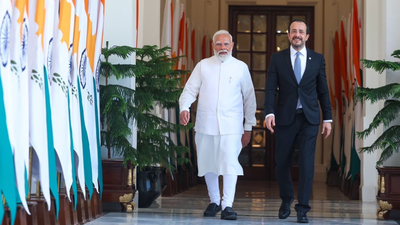
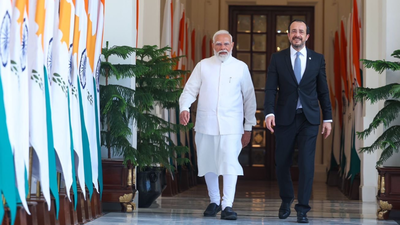
Announcing the elevation of their bilateral relations to a strategic partnership, India and Cyprus wish to open a new chapter in bilateral relations. The announcement came after talks between PM Modi and visiting Cyprus President Nicos Christodoulides in New Delhi. According to senior Cypriot officials, both sides are looking to promote bilateral investment, including Indian investment in Cyprus in sectors ranging from defense to tourism.Given Cyprus’ geostrategic position on the edge of West Asia and the Eastern Mediterranean, and Russia’s aggression against Ukraine and the conflict in Iran, Nicosia wants to enhance its defense capabilities using financial assistance from the EU SAFE program – Cyprus is entitled to a loan of 1.2 billion euros under this item. Importantly, not being a NATO member, Cyprus enjoys greater flexibility in defense procurement as opposed to rigid NATO standards. This opens up opportunities for Indian defense manufacturers. Plus, the elephant in the room is the turkey. India fully supports the sovereignty and territorial integrity of Cyprus. This situation overshadows the internationally unrecognized Turkish Republic of Northern Cyprus. Additionally, since India’s Operation Sindoor last year and Türkiye’s overt and covert stance towards Pakistan, New Delhi-Ankara relations have cooled. This in turn is providing impetus to geo-strategic projects such as the India-Middle East-Europe Economic Corridor or IMEC, which Ankara opposes. IMEC has received further impetus in the light of the Iran war, which has promoted the search for alternative trade routes and supply chains. Cyprus, as the entry point to Europe, is a key pillar of IMEC. Notably, there is no Chinese stake in Cyprus ports. At the same time, as Cyprus has worked to virtually eliminate the Russian stake in the Cyprus banking system – Russian deposits have declined from 87% to about 1% – Nicosia has given strong, principled support to Ukraine in the face of Russia’s aggression against that country. Nicosia is now looking to begin construction of IMEC’s ​​foundational blocks, particularly through attractive private investment. True, the Iran war and the existing complications between Saudi Arabia and the United Arab Emirates act as obstacles. That is why Cyprus is ready to start work on the European part of the corridor first. For India, IMEC presents a huge opportunity, especially in the light of the recent India-EU Free Trade Agreement. But competing trade corridors such as China’s Belt and Road could undermine IMEC’s ​​takeoff. The China-Pakistan-Russia-Türkiye corridor directly challenges the US-backed India-Middle East-Cyprus-Europe. In this backdrop, India and Cyprus are coming together to secure supply chains, diversify trade routes and promote regional security, acting as a counter force against China’s weaponisation of economic interdependence, Turkey’s maneuvers in West Asia and Pakistan’s machinations.

Source link

Ikigai in Bengaluru bengaluru news

Ikigai in Bengaluru
Kosuke Kiryu’s children Kanato and Reina attend the Canadian International School where they are immersed in a global curriculum. On Saturdays, they attend JSS, which serves approximately 130 Japanese students. JSS helps Japanese parents and their children stay connected to their roots. Kosuke’s wife Ayake has made a lot of friends at JSS.

Many Japanese families in Bengaluru try to preserve the routines that make life feel stable.Shoes are left neatly at the entrance. Bento-style lunches packed for school or work. Seasonal customs are observed even when the weather outside does not match Japan’s memory. Spring festivals can be celebrated under the tropical sun. Children may speak Japanese at home, English at school and learn some Kannada or Hindi from drivers, neighbors and shopkeepers.Seven-year-old Japanese girl Konatsu Hasegawa won huge applause when she introduced herself in Kannada during the Kannada Rajyotsava function at her school last year.The Japanese presence in Bengaluru has increased with the city’s rise as a technology and manufacturing hub. Engineers, automotive experts, electronics professionals, business executives and their families have come together with companies who see Bengaluru as a place for innovation and long-term investment.Some people stay for a year or two, others much longer. Over time, what started as corporate migration became a community with its own habits, support systems, and familiar places.raising children in a distant country Yoshiki Hayashi’s children, Miyu and Sosuke, look forward to attending Japanese classes on the weekends at the Japanese Supplementary School (JSS). “We learn Japanese at Hosha Jugi (JSS),” says Miyu.The classes conducted by TRIO World Academy’s Sahakarnagar campus follow a curriculum approved by MEXT (Ministry of Education, Culture, Sports, Science and Technology of Japan) and overseen by the Japanese Consulate.Hayashi believes this initiative is important for families hoping to have their children return to Japan and re-enter the school system there.Kosuke Kiryu, chairman of the JSS’s management committee, has two children—Kanato, 14, and Rina, 9. Kiryu and his family are originally from Kagoshima, famous for Sakurajima, an active volcano, and its many relaxing hot springs (onsens). He works as the managing director of Tanita India and moved to Bengaluru two years ago. Citing his family’s example, Kiryu says JSS helps Japanese parents and children stay connected to their roots.The campus comes alive on weekends with a variety of sporting and cultural events, including traditional drumming sessions and activities that foster a sense of community and belonging.At JSS Sports Day, Grade 4 student Miyu wins a prize in a three-legged race with Hayashi. Hayashi and her children woke up early and practiced in their apartment at Brigade Cosmopolis in Whitefield well before the show. Hayashi smiles, “We aligned our bodies and minds, and practiced in harmony, aiming for victory.” He further said that it is more than a race and has deeper meanings.Like Miyu and Sosuke, most Japanese children learn their lessons in active lifestyles from playgrounds at an early age.How Terashima Found His Tribe Community life often gathers around schools, cultural associations, language circles, company networks, WhatsApp groups and informal gatherings.Koken Terashima from Tokyo, who has been in Bengaluru for the last two years, keeps in touch with friends through social media. “I also attend Buddhist ceremonies and festivals like Vesak and temple ceremonies,” he says.
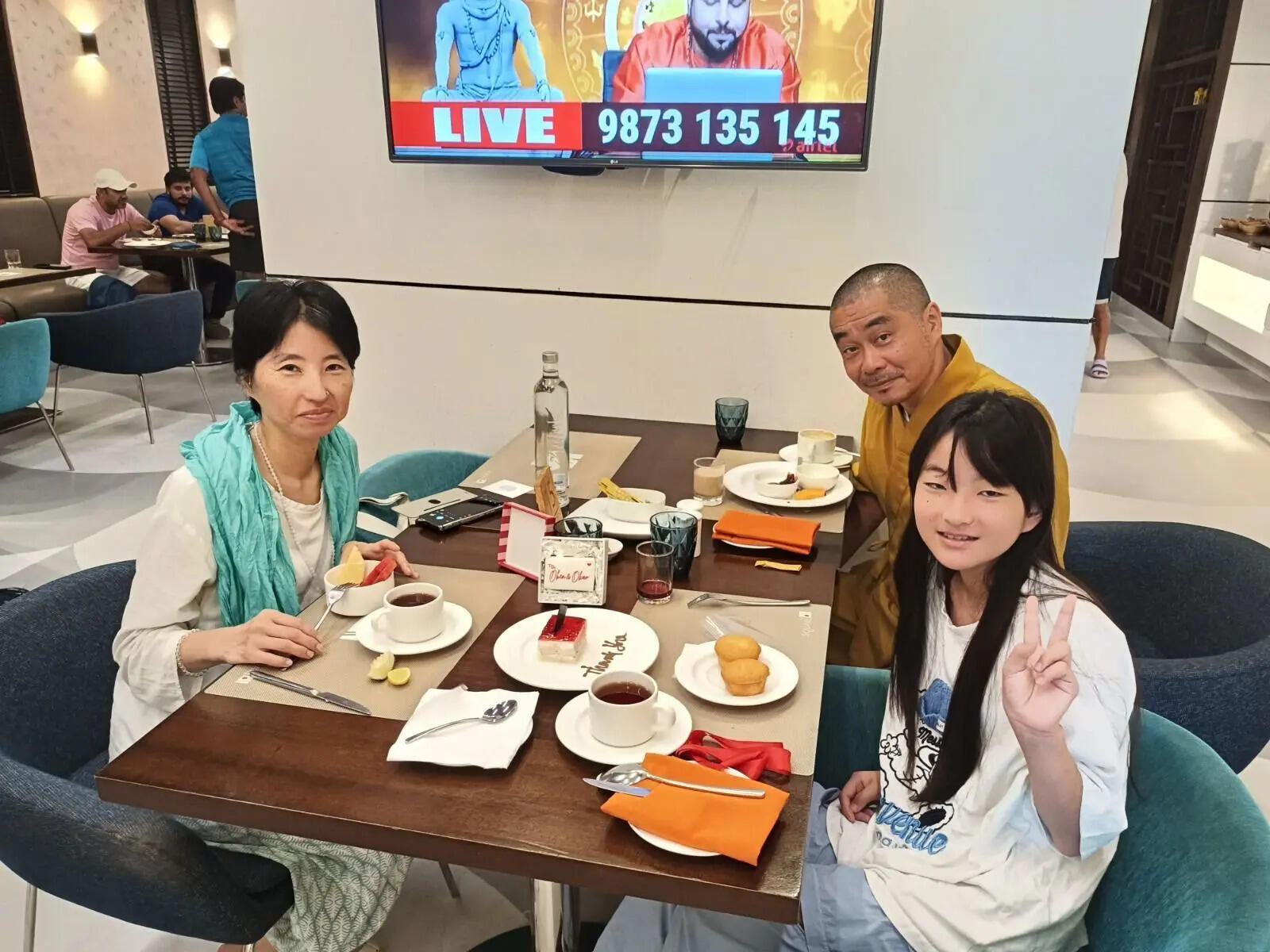
Lead Koken Terashima and family

Koken Terashima and his family, from Tokyo, are actively engaged in Japanese community activities

Restaurants are another important part of community life. Bengaluru has developed a vibrant Japanese food scene over the years, ranging from sushi bars in luxury hotels to small restaurants serving ramen, donburi, karaage, curry rice and teishoku cuisine. For the city’s Japanese residents, these places are not only about authenticity but also about comfort.A bowl of miso soup, grilled fish with rice, or a simple plate of curry can provide relief from homesickness after a long workday.And some people, like Terashima, don’t miss their homeland. Terashima is concerned about Bengaluru’s lack of water and vehicular roads, but despite such infrastructural inadequacies, he loves the city.Food, an anchor of identityThe Japanese expatriate community at Phoenix One Bengaluru West stays connected through a WhatsApp group. “There are about 110 Japanese nationals in our apartment.They go shopping by taxi, and on alternate days a car brings them Japanese groceries and food; One person has been running this delivery business continuously for about five years,” says resident N Ramakrishnan.Japanese residents in Bengaluru often seek out stores that stock imported staples: short-grain rice, miso, soy sauce, mirin, dashi, seaweed, tofu, curry roux, panko, noodles and green tea.“We shop at local supermarkets where you get fresh produce and international ingredients. We also buy from e-commerce sites like Licious.in and MainDish.in,” says Kiryu.Wang Tuo makes nutrient-rich miso soup for her husband, Hiromichi, who is from Fukui, Japan. Hiromichi eats rice balls and vegetables for lunch.Some people buy local vegetables that resemble familiar produce at home or learn to cook from what is available: Indian spinach in place of Japanese greens, local mushrooms instead of shimeji, river fish or imported seafood, depending on budget and access.Indiranagar resident Hiroki Emoto, who works at Sunpark, a Japanese restaurant chain, orders groceries online.“E-commerce sites like Blinkit deliver very fast and I’m really impressed with their service,” he says, adding that expedited delivery also exists in Japan, but it is unreasonably expensive. “For example, a small bottle of water may cost you Rs 100,” he says.
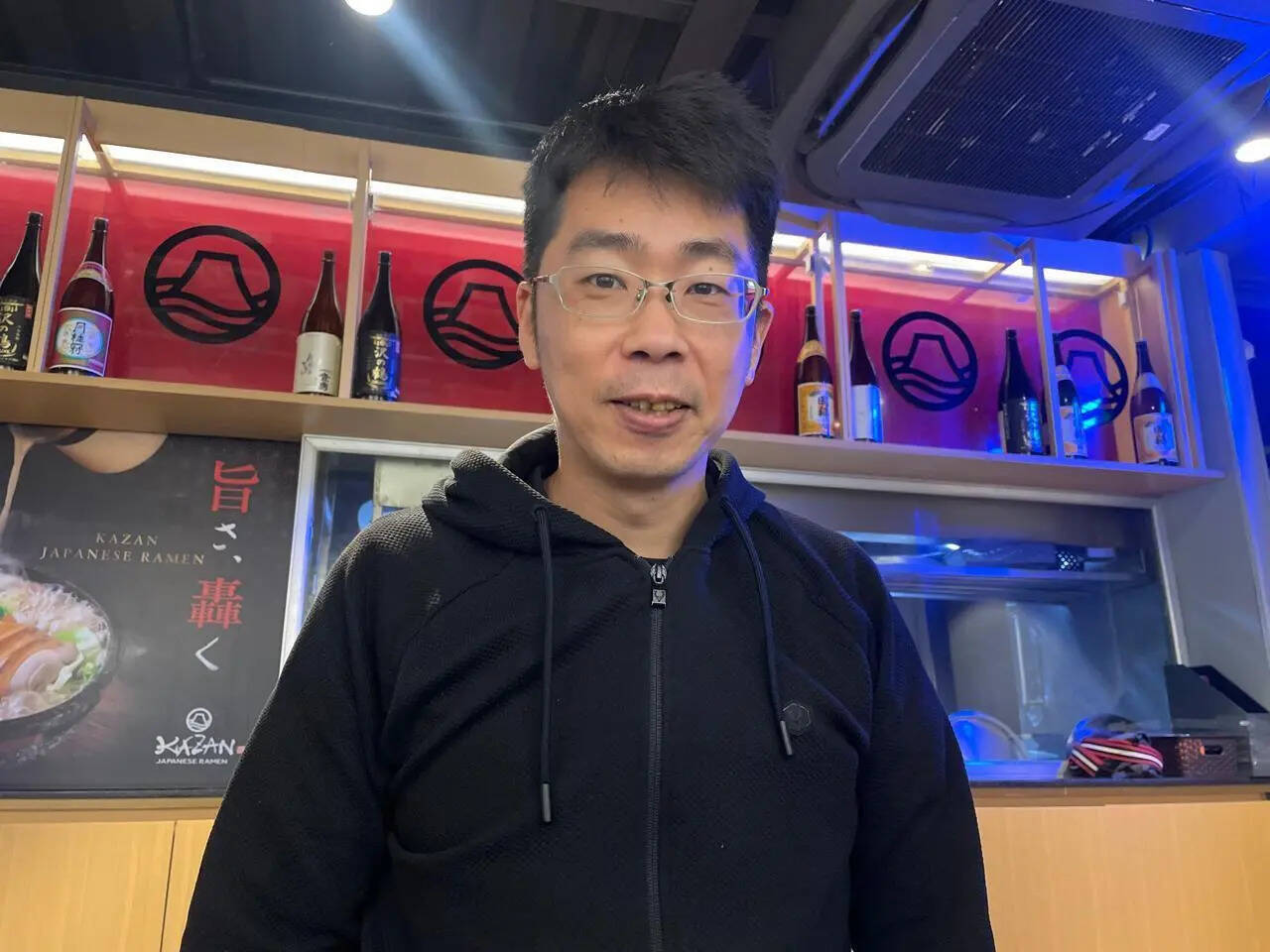
lead hiroki

Hiroki Emoto likes Bengaluru’s weather but says unlike Japan, its seasons all look the same

Hiroki finds Indian food delicious but too spicy for his liking. He says, “I ask for zero spicy food. It still tastes too spicy.”Her favorite Indian food includes dosa and halwa. He usually eats dosa with a spoon, although with Indian friends he tries to eat it with his hands.Finding Ikigai amidst challenges Ikigai is a Japanese philosophical term meaning ‘that which makes life worth living’. Simply put, this is the reason you wake up in the morning. Japanese people believe that even small happiness matters. Together, they live a fulfilling life.Nagasaki resident Haruka Nagahashi says her ikigai is watching someone smile and take their first sip of matcha, a green tea of ​​Japanese origin.Nagahashi, founder of Teka, a matcha café in Indiranagar, says his journey has been full of discoveries. “What I love most about Bengaluru is the energy and openness of the people.
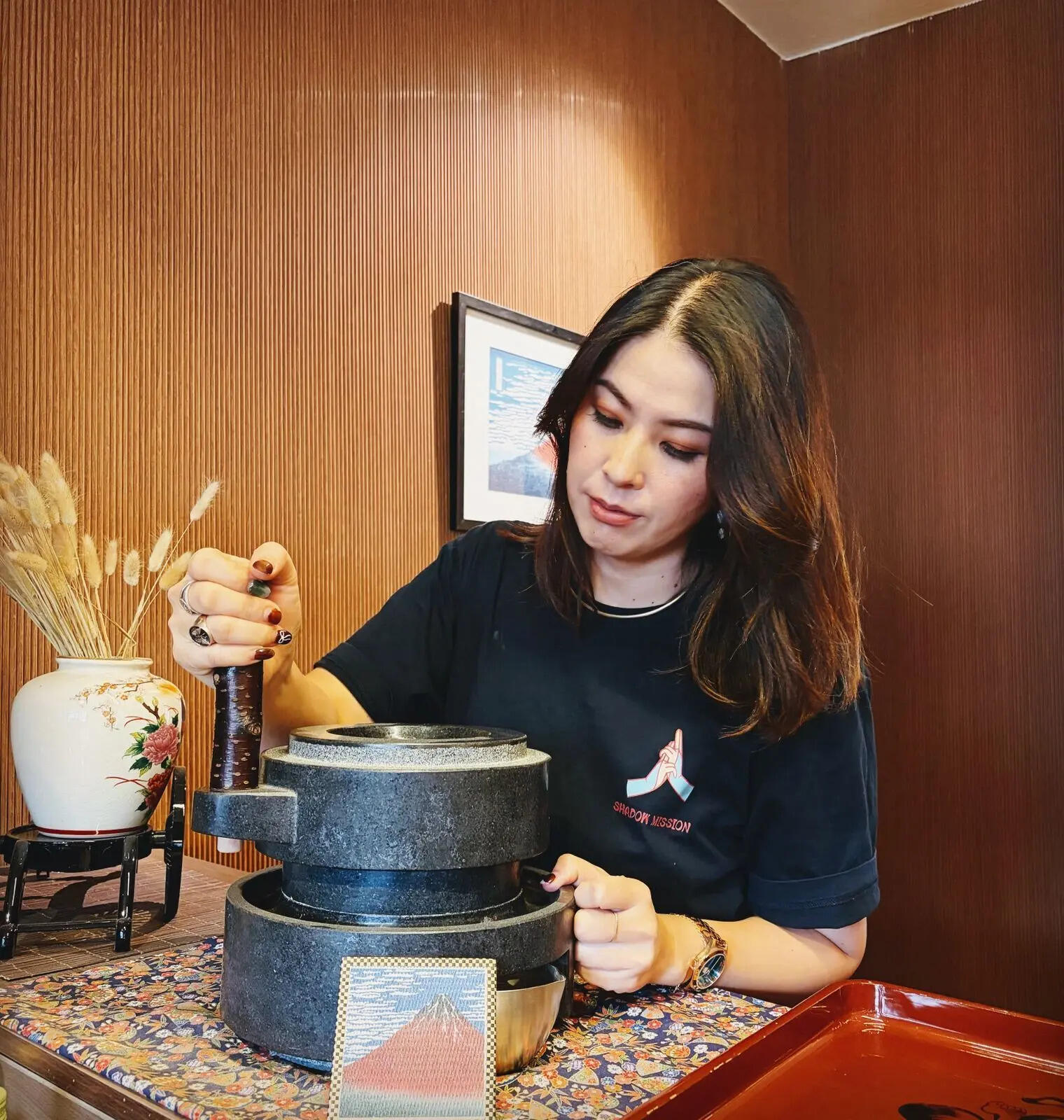
lead-haruka

Bengaluru is a city of possibilities, says Nagasaki-based Haruka Nagahashi, founder of Teka, a matcha café in Indiranagar.

There is a strong sense of possibility here and people are very supportive of new ideas.” She sometimes misses Japan, especially the weather, food, and attention to detail. Meanwhile, she feels at home in Bengaluru, which offers tremendous opportunities or growth both personally and professionally.Running a café can be challenging, she says, but it is also very gratifying. Apart from work, she tries to take out small moments to relax, reflect and rejuvenate.Nagahashi is full of a strong sense of purpose and is the epitome of ikigai in many ways. She blends what she likes, what she’s good at, what the world needs, and what she can get paid for, skillfully and carefully, just like she crafts every cup of matcha.There are challenges, including traffic, infrastructure and sometimes the unpredictability of daily life. “Things are less structured in Bengaluru compared to Japan, but that also makes life here more dynamic,” says the 32-year-old.This is a story of routine, adaptation and quiet continuity. In a city built by migration and reconstruction, the Japanese community has made its home not by recreating Japan, but by carefully carrying forward its traditions and adopting local culture.

Source link

King Charles III: King Charles surprises audience at Kenneth Branagh’s sold-out Shakespeare show in Stratford-upon-Avon world News

King Charles surprises audience at Kenneth Branagh's sold-out Shakespeare show in Stratford-upon-Avon
The crowd in the theater as King Charles makes his surprise entry in a Shakespeare performance / Image Credit: @TheRoyalFamily

The audience expected a night of Shakespeare. What they didn’t expect was that the King of the United Kingdom would quietly walk into the theater just moments before the curtain rose.King Charles III surprised theater audiences by making an unannounced appearance at the Royal Shakespeare Company’s sold-out performance of The Tempest at the famous Royal Shakespeare Theatre, instantly turning a routine theater night into a royal moment, leaving the audience cheering and clamoring for photographs. The king arrived quietly before taking a seat among the general audience rather than in a large royal box or separate VIP section. Eyewitnesses said that as soon as people realized who had entered the auditorium, applause began. Many spectators present in the stalls and dress circle immediately took out their phones to capture this rare moment. charles He was seated between the Royal Shakespeare Company’s co-artistic directors, Daniel Evans and Tamara Harvey, while acclaimed director Sir Richard Eyre was also nearby.

kenneth branaghDisplay of

The sold-out production stars Kenneth Branagh as Prospero, marking the actor’s first performance in the iconic Shakespearean role.The play, one of William Shakespeare’s last and most famous works, has become one of Britain’s biggest theater attractions this season, with audiences flocking to Stratford-upon-Avon for tickets. Branagh is already considered one of the most influential Shakespearean actors and directors of the modern era, having spent decades performing and adapting Shakespeare’s works for both stage and screen. Reports state that The Tempest is his 35th Shakespeare production in his entire career. The production is scheduled to run until June 20, with several performances already heavily booked.

King’s relationship with the Royal Shakespeare Company

The visit also highlighted the King’s long-standing relationship with British arts and theater institutions.King Charles III became Patron of the Royal Shakespeare Company in 2024, taking over the role previously held by Queen Elizabeth II, who had served as patron since the company’s creation in 1961. The Royal Shakespeare Theater itself is one of Britain’s most important cultural landmarks and is located in Stratford-upon-Avon, the birthplace of William Shakespeare.Royal appearances at theater performances are not unusual, but such surprise visits are rare, especially at public performances where the audience becomes aware of the royal guest’s arrival only after the event.The appearance also comes during a particularly active public period for Charles, who recently made headlines after unexpectedly engaging in a ukulele performance during a royal visit to Northern Ireland.

Audience reactions after King’s surprise

Within minutes of King’s arrival, photos and video from inside the theater began circulating online, with many viewers describing the experience as “surreal” and “unforgettable”.For many attendees, the evening suddenly became something much bigger than a Shakespeare performance. Some described this moment as a once-in-a-lifetime theater experience, especially because the visit had been kept a complete secret in advance.This surprise appearance added another wave of publicity to the Royal Shakespeare Company’s latest production, at a time when British theater is seeing renewed public interest in large-scale Shakespeare performances.For Stratford-upon-Avon, already one of the UK’s largest cultural tourism centres, the royal presence quickly became headline news on UK media and social platforms.

Source link

Center turns on West Bengal fund tap after Suvendu Adhikari’s visit to Delhi. india news

Center turns on West Bengal fund tap after Suvendu Adhikari's Delhi visit

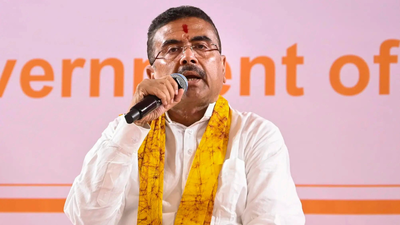
Kolkata: Opening its purse to Bengal following Chief Minister Suvendu Adhikari’s first visit to Delhi after taking charge on May 9, the Center on Friday agreed to release Rs 39,000 crore for schemes under the Union Water Resources Ministry. at o’clock Narendra ModiDuring his meeting with the official, he also assured support in implementing central projects, many of which were stalled under the previous Trinamool Congress government. Mamata Banerjee.“The Prime Minister assured utmost cooperation and support from the Central Government in economic development, industry development, employment generation and taking West Bengal forward,” the official posted on his social media account after meeting Modi. He said the PM has told him that the development and progress of Bengal is one of the Centre’s top priorities.The new phase of Centre-State collaboration focused on welfare and development paved the way for the rapid implementation of health and wellness centers under Ayushman Bharat, Mohalla Clinics and the launch of VB G-RAM G assuring 125 days of wage employment per rural household from July 1.Union Health Minister JP Nadda on Saturday will hold a virtual meeting with key officials of the state health department to set up Ayushman Arogya Mandir (health and wellness centers under Ayushman Bharat).The officials reached Delhi on Thursday night and went straight to a meeting with Home Minister Amit Shah at his residence. Sources said the CM held a detailed discussion on the security parameters at the Bangladesh border and Shah gave him ‘guidelines’ to stop infiltration. The officer also met President Draupadi Murmu and Defense Minister Rajnath Singh on Friday.

Source link

Not RCB or SRH! Historic playoff results have made Gujarat Titans the strongest contenders for the IPL 2026 trophy. cricket news

Not RCB or SRH! Historic playoff results make Gujarat Titans strongest contenders for IPL 2026 trophy
GT’s Shubman Gill, RCB’s Rajat Patidar and SRH’s Pat Cummins (Image: X&IPL)

Defending champions Royal Challengers Bangalore have enjoyed a sensational IPL 2026 campaign, topping the points table and looking every bit a strong contender to retain their crown. But history shows that finishing first does not necessarily guarantee title success in the Indian Premier League. Instead, an interesting playoff statistic points towards Gujarat Titans as the team most likely to lift the trophy this season.RCB, GT and Sunrisers Hyderabad all finished the league stage with 18 points, although RCB took the top spot due to a better net run rate. Meanwhile, the battle for the final playoff spot is still alive Rajasthan Royals Currently in fourth place with 14 points. Punjab Kings, Kolkata Knight Riders and Delhi Capitals are still mathematically in contention with three league matches left. IPL The tournament introduced its current playoff structure in 2011, replacing the old knockout system used during the first three seasons. Under the previous format, the top four teams advanced directly to the knockout semi-finals, where a single loss meant elimination even for the table-toppers. To reward consistency during the league stage, the BCCI implemented the existing four-match playoff system featuring Qualifier 1, Eliminator and Qualifier 2. This structure gives the top two teams two opportunities to reach the finals, while the third and fourth placed teams must survive in sudden-death matches throughout. Interestingly, the second-placed team has emerged IPL champion more times than any other team since the playoff format was introduced in 2011.IPL title winners based on final position of league stage (since 2011): 1st place: 5 titles, 2nd place: 9 titles, 3rd place: 1 title, 4th place: 0 titles

Year league leader runner up third place fourth place tournament champion
2011 Royal Challengers Bangalore Chennai Super Kings Mumbai Indians Kolkata Knight Riders Chennai Super Kings
2012 Delhi Daredevils Kolkata Knight Riders Mumbai Indians Chennai Super Kings Kolkata Knight Riders
2013 Chennai Super Kings Mumbai Indians Rajasthan Royals Sunrisers Hyderabad Mumbai Indians
2014 Kings XI Punjab Kolkata Knight Riders Chennai Super Kings Mumbai Indians Kolkata Knight Riders
2015 Chennai Super Kings Mumbai Indians Royal Challengers Bangalore Rajasthan Royals Mumbai Indians
2016 Gujarat Lions Royal Challengers Bangalore Sunrisers Hyderabad Kolkata Knight Riders Sunrisers Hyderabad
2017 Mumbai Indians Rising Pune Supergiant Sunrisers Hyderabad Kolkata Knight Riders Mumbai Indians
2018 Sunrisers Hyderabad Chennai Super Kings Kolkata Knight Riders Rajasthan Royals Chennai Super Kings
2019 Mumbai Indians Chennai Super Kings Delhi Capitals Sunrisers Hyderabad Mumbai Indians
2020 Mumbai Indians Delhi Capitals Sunrisers Hyderabad Royal Challengers Bangalore Mumbai Indians
2021 Delhi Capitals Chennai Super Kings Royal Challengers Bangalore Kolkata Knight Riders Chennai Super Kings
2022 Gujarat Titans Rajasthan Royals Lucknow Super Giants Royal Challengers Bangalore Gujarat Titans
2023 Gujarat Titans Chennai Super Kings Lucknow Super Giants Mumbai Indians Chennai Super Kings
2024 Kolkata Knight Riders Sunrisers Hyderabad Rajasthan Royals Royal Challengers Bangalore Kolkata Knight Riders
2025 punjab kings Royal Challengers Bangalore Gujarat Titans Mumbai Indians Royal Challengers Bangalore
2026 Royal Challengers Bangalore Gujarat Titans Sunrisers Hyderabad

This statistic could be quite beneficial for Gujarat Titans if they eventually finish second in the playoffs.Even last season, RCB’s first IPL win came after finishing second in the table. Although PBKS finished level on points with RCB, Punjab claimed the top spot due to better net run rate. RCB then defeated PBKS in Qualifier 1 and then defeated them in the final to win their long-awaited first title.Historically, finishing first has not always been in RCB’s favour. In 2011, they topped the league table but lost to Chennai Super Kings in the final. In 2016, they finished second and went straight to the finals after winning Qualifier 1, but lost to SRH.Mumbai Indians, the most successful franchise along with CSK, have also demonstrated the importance of finishing in the top two. Mumbai won two of its five titles after finishing second and three after finishing first.Gujarat Titans themselves enjoyed a dream debut campaign in 2022 when they finished as table-toppers and won the title in their inaugural season by defeating Rajasthan Royals in the final.Meanwhile, Sunrisers Hyderabad remains the only team to win the IPL after starting with the eliminator route. SRH defeated RCB in the 2016 final, despite RCB finishing second in the standings.

RCB bowling dominance vs Gujarat Titans advantage in playoffs: Who wins IPL 2026?

The road to the Indian Premier League 2026 final is about to heat up as Royal Challengers Bangalore take on Gujarat Titans in Qualifier 1 at the Himachal Pradesh Cricket Association Stadium on Tuesday, May 26. The stake cannot be higher than this. The winner will book a direct spot in the IPL 2026 final at the Narendra Modi Stadium on May 31, while the losing team will have another chance through Qualifier 2.Why Gujarat Titans can get the biggest lead in the playoffs?If Gujarat Titans defeat RCB in Qualifier 1, they can reach the final with a huge lead, given their familiarity with the conditions in Ahmedabad, which they have transformed into a fortress this season. GT won five of its seven home matches during the league stage, while losing only twice at the Narendra Modi Stadium. Their dominant home record shows how easily the team has adapted to the pitch conditions, dimensions and pressure of playing in front of a packed Ahmedabad crowd.This advantage becomes even more significant as the history of the IPL playoffs favors the top two finishing teams, especially the second placed teams. Since the playoff system was introduced in 2011, second-placed teams have won the IPL title more times than table-toppers.RCB’s strongest title defense in yearsHowever, RCB enter the playoffs with tremendous momentum after finishing as league-stage table toppers while chasing consecutive IPL titles following their historic win in 2025. For years, RCB’s bowling attack was seen as the franchise’s biggest weakness. In IPL 2026, this has arguably become their biggest strength.RCB leads the tournament with 27 powerplay wickets, with Bhuvneshwar Kumar and Josh Hazlewood consistently dismantling the opposition batting line-up quickly. Bhuvneshwar currently tops the season’s leading wicket-takers, while Hazlewood’s experience has added control and aggression with the new ball.Their batting has also developed into a much more balanced unit Virat Kohli. Unlike last season, where Kohli often lacked support in crucial matches, RCB now have a strong middle order, bearing in mind the heartbreaking 2016 final defeat where the batsmen collapsed. Rajat PatidarJitesh Sharma, Krunal Pandya and tim david.The defending champions have looked far more complete this season, with balance, depth and pace, they can certainly win their second IPL title.SRH will face the toughest road to the playoffsMeanwhile, Sunrisers Hyderabad will have to go through a tough eliminator route after finishing third. SRH are scheduled to play an eliminator against the team claiming the fourth playoff spot on May 27 in Mullanpur. Historically, that path has proven extremely challenging. Only one team in IPL playoff history has won the title after starting in the eliminator, SRH in 2016.That memorable season culminated with a famous final win over RCB, a result that could provide psychological confidence if the two sides meet again in the playoffs later on. SRH also defeated RCB in their last league-stage encounter this season, further strengthening their confidence of reaching the knockouts.Nevertheless, with playoff history firmly in favor of the top-two teams and Gujarat Titans potentially enjoying home conditions in the final, GT could quietly emerge as the strongest statistical favorite to win IPL 2026, even as RCB’s dominance and SRH’s recent resurgence keep the title race wide open.

Source link

Beyond genealogy: art comes into conversation across generations. events movie news

Beyond genealogy: art comes into dialogue across generations
Yuriko Lochan with Dr. Rajeev Lochan

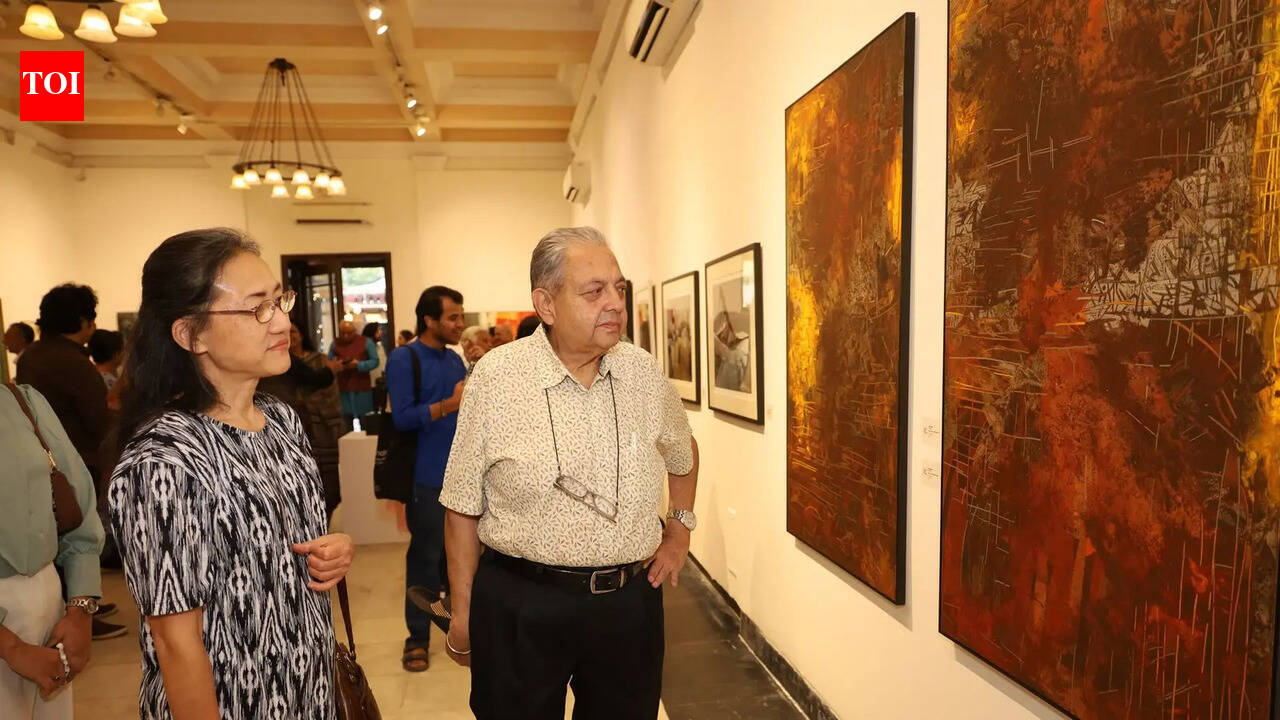
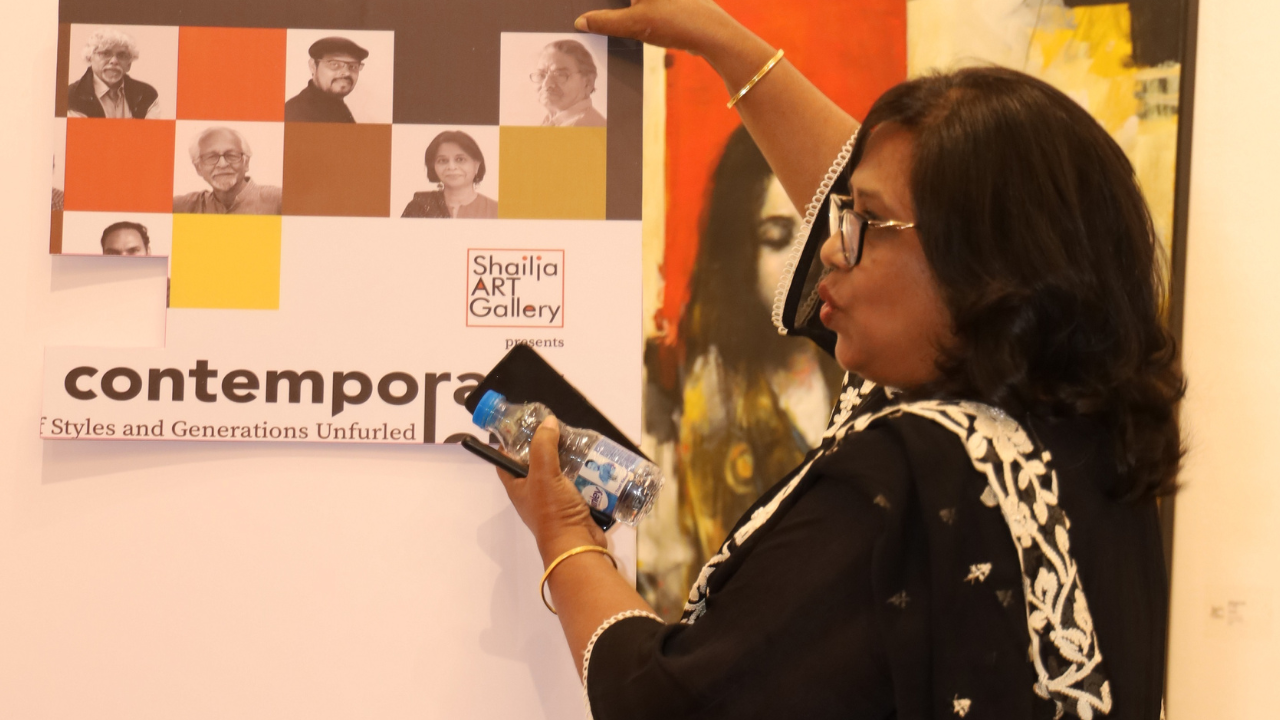
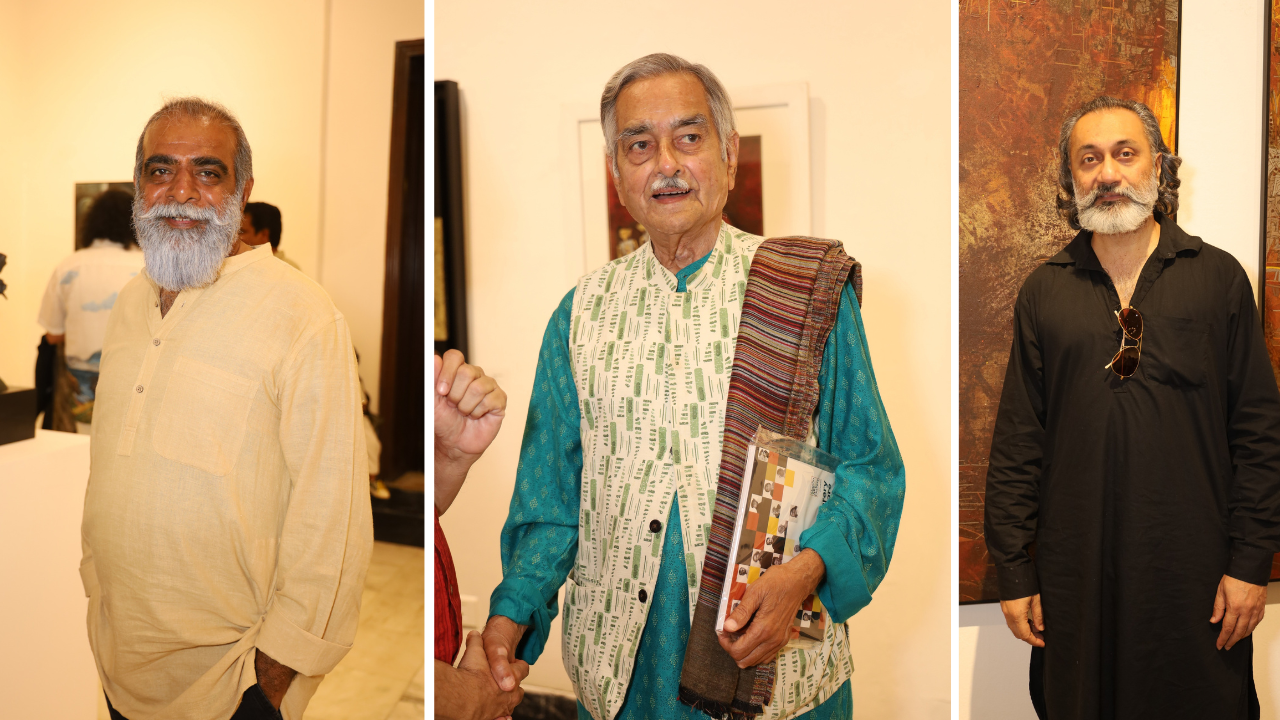
Shailaja Art Gallery presents The Contemporary Lore: Sojourn of Styles and Generations Unfurled, an exhibition that challenges our understanding of artistic genealogy in contemporary practice.Rather than archive art history, this exhibition, now at Shailaja Art Gallery in Gurgaon, stages a lively conversation – bringing together 23 artists at different career stages, formal vocabularies and conceptual concerns. The result is a period piece where the decades-long meditations of an experienced practitioner sit alongside the experiments of an emerging artist, illuminating each other.

Shailja Jain, Founder and Director, Shailja Art Gallery

Shailja Jain, Founder and Director, Shailja Art Gallery

Kiran K., with a critical essay by art historian Johnny M.L. Compiled by Mohan, The Contemporary Lore works on a simple but fundamental premise: artistic genealogy is not linear, and the most creative conversations happen when we stop organizing by age or achievement, and instead listen to resonance by time, content, and intention. Speaking about the show, Kiran K. This collection of artworks on display is not only about the skill of the artists, but it is also about the conversations it starts, Mohan said. Every artist is looking for an appropriate language through their artistic decisions in choosing their medium.” The exhibition includes works of Anil Gaikwad. Ashok Bhowmik Asit Patnaik Bharti Prajapati Bipin Kumar Charudatta Dilip Sharma Haren Thakur Harshvardhan Devtale Hemraj Jaikrishna Agarwal Manoj Kumar Aggarwal Milan Das Meenakshi Jha Banerjee Mukesh Bijole Nilisha Phad | Pandurang Thatte Prem Singh Rakhi Kumar Sanjay K. Srivastava Shekhar Kar Shaji Appukuttan Joseph

Curator Kiran K Mohan

Curator Kiran K Mohan

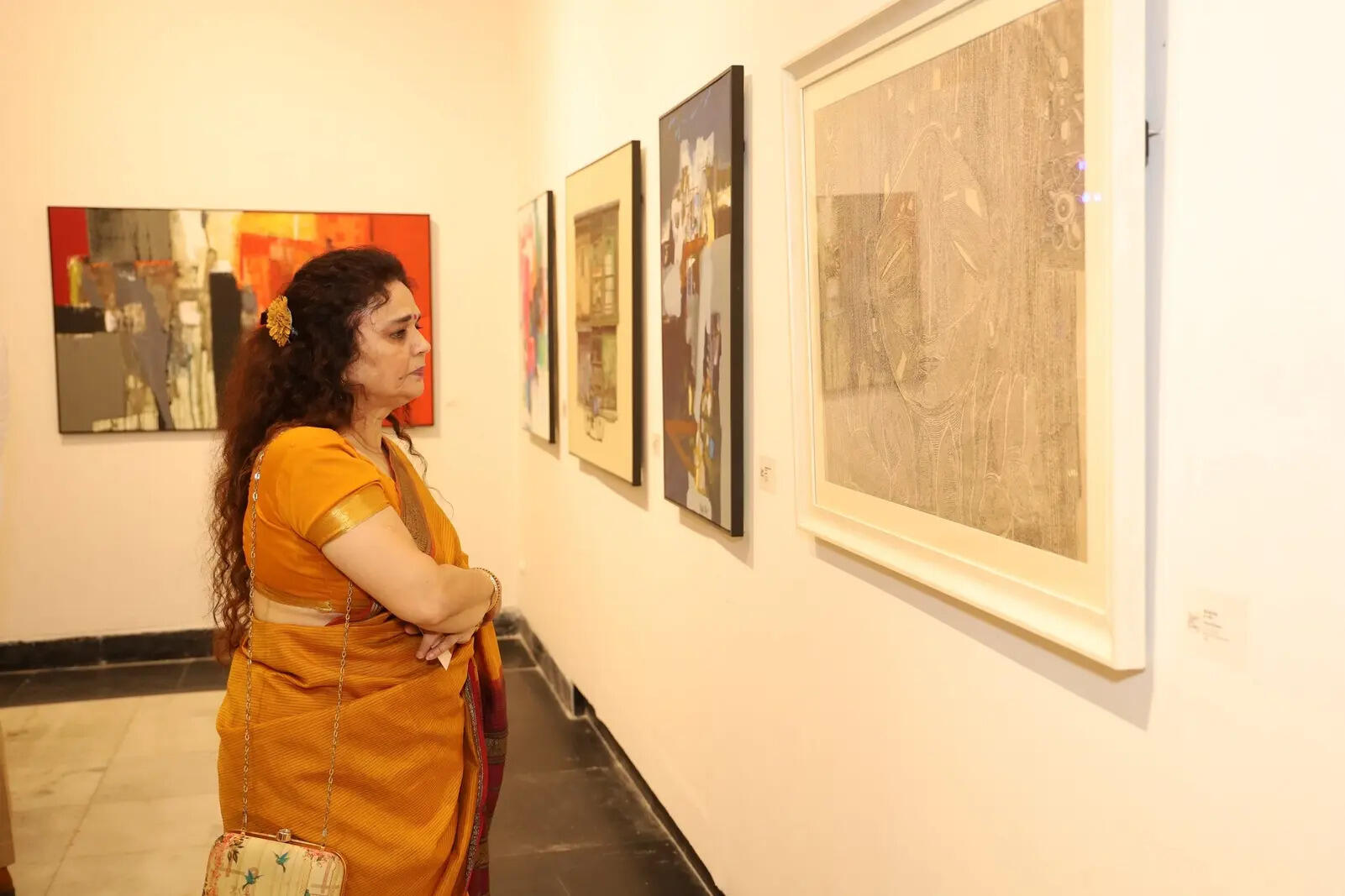
The showcase includes paintings, sculptures and mixed media – each work selected for the specificity of its investigation. What emerges is a portrait of how contemporary artists across India are thinking afresh about material, form, depiction, abstraction and identity.Visitors encountered senior artists whose practice spans decades of experimentation, mid-career practitioners navigating institutional and personal transitions, emerging voices bringing new urgency to long-standing artistic problems at Bikaner House. The exhibition now continues in the gallery. Shailja Jain, founder and director of Shailja Art Gallery, said, “By presenting these 23 practices together – not hierarchical, not contextualized by career stage, but as equal participants in a larger artistic conversation – we are making visible the connective tissue of contemporary practice. The Indian art landscape has long been dominated by the same rotation of masters. But a metamorphosis is underway, as contemporary giants are increasingly leaving their mark. The next generation of artists is ready to find their footing, yet they are being held back due to existing geographical and socio-political constraints. Shailaja Art Gallery believes they deserve equal attention – and The Contemporary Lore is here to give it. This dialogue between experience and evolving vision is what gives the show its unique depth.”

Sajal Patra, Prayag Shukla and Varun Jain

Sajal Patra, Prayag Shukla and Varun Jain

Contemporary scholarship comes at a specific moment: when the Indian art world is increasingly fragmented by market categories (emerging, mid-career, established), geography, medium. This exhibition proposes a different organizing principle – one based on artistic rigor and conceptual generosity rather than commercial or institutional convenience.By bringing these 23 artists into conversation, Shailaja Art Gallery asks: What if we reorganized how we view contemporary art – not on the basis of individual achievement, but on the basis of shared artistic questions and material concerns? The preview evening was attended by many eminent guests including Dr. Rajeev Lochan, Uma Jain, Prayag Shukla, Sushma Bahl, Biman Das, Kalicharan Gupta, Varun Jain, Taslima Nasreen, Sajal Patra, Johnny ML.

Source link

The shocking reality of 100 families living under Manila highways in the Philippines. world News

The shocking reality of 100 families living under Manila highways in Philippines

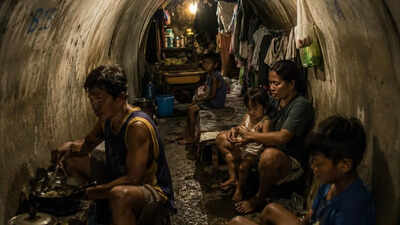
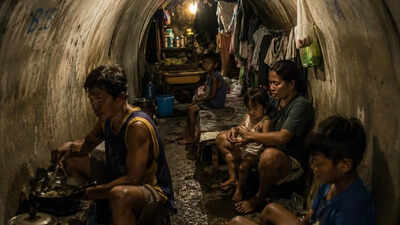
In some parts of northern Manila, the sound of traffic never stops completely. Below the elevated expressway, where thousands of vehicles pass every day, narrow settlements remain in the shadow of concrete pillars and drainage channels. Families cook there, children sleep there, clothes hang near broken support beams, and daily life goes on within meters of constant movement.Some residents have spent years living beneath the motorway infrastructure in Manila as formal housing remains economically out of reach. What appears to be temporary from the outside has gradually become something more settled. The entire routine exists beneath the streets.

Inside a hidden motorway settlement in Manila, philippines

This settlement is located in those places where most of the people usually pass without paying attention. Concrete pillars divide small areas into makeshift homes made of plywood, corrugated metal sheets, tarpaulin and salvaged wood. Some structures are so low that adults have to bend slightly when entering. Others lean directly against maintaining walls blackened by exhaust fumes and rainwater stains.according to a Youtube video According to Drew Binski, the people living there have adapted to conditions that are generally considered unlivable. Mattresses are spread on wooden planks to protect the ground from moisture during floods. Electrical wires run through instantaneous connections between houses. Plastic containers collect water where public access is inconsistent. Motorways shape daily life. Conversations stop when heavy trucks pass overhead. Dust keeps accumulating continuously. During hot afternoons, the concrete traps beneath the street become hot and the air cools. Yet this settlement is functioning like a tightly packed neighbourhood. People know each other’s daily routine, share meals from time to time and keep an eye on nearby children.

Daily life under Manila highways revolves around food, work and survival

Food is arranged according to what the residents can afford that day. Many adults rely on irregular work, including street vending, collecting recyclable materials, construction work or small repair jobs, the Sun reports. Some people leave before sunrise and return late at night, with only enough money for basic food. Cooking generally takes place outside shelters because indoor space is limited and ventilation is poor. Small charcoal stoves and portable gas burners are placed along paths where people move carefully to avoid spilling water or walking into drainage ditches. Rice remains central because it is more widespread than most alternatives. Dried fish, instant noodles and cheap vegetables are often seen.It becomes difficult to wash clothes during rainy days. Water quickly accumulates beneath certain stretches of road, making roads dirty and carrying garbage into residential areas. YouTube footage showed residents drying clothes on ropes tied between poles or hanging from open metal railings above. Children still prepare for school in these environments. The uniforms are carefully washed and reused. Some families place mirrors on broken walls or wooden boards next to sleeping areas, creating small routines of normality in cramped conditions.

Challenges faced by families beneath the Manila Motorway

There is also continued uncertainty regarding eviction. Many residents do not legally own the land beneath the motorway. Some people have lived there for years without formal recognition, while others have arrived there after losing their previous residence elsewhere in the city. People frequently repair and rebuild structures because materials deteriorate rapidly when exposed to rain, heat, and pollution. Safety concerns extend beyond weather and sanitation. Traffic noise never completely disappears, and the streets above are active day and night. Children play in places surrounded by debris, exposed wires and uneven concrete. Yet families continue to organize their lives around these risks because options are limited.

Why are families living under the Manila Motorway despite hardships?

For many residents, location matters almost as much as shelter. Settlements below the motorway are close to markets, transport routes and areas where informal work can be found. Going further afield could mean losing out on daily income opportunities altogether. According to YouTube videos, some families came after being displaced from other informal communities sanctioned for development projects or infrastructure expansion. Others moved to Manila in search of work and found few affordable housing options within reach of the city center. The cost of renting even a small formal room in some parts of Metro Manila can exceed the steady earnings of many workers. Living under an expressway reduces monthly rent for some families, even if it comes with different hardships. From his perspective the compromise is harsh but practical. With time, people have also built social relationships there. Neighbors share electricity connections, look after children, lend cooking supplies and warn each other during floods or inspections. They make the relationship deal feel less temporary than it does to outsiders.

Small moments of happiness still survive beneath Manila’s motorways

The reports do not merely present solutions to the difficulty. There are still ordinary moments in daily life that resemble any crowded urban neighborhood. Children laugh while playing improvised games between the support pillars. Teenagers gather around mobile phones and watch videos. Small shops sell snacks and cigarettes on wooden counters along the roadside.As shown in YouTube footage, residents decorate small spaces with family photos, curtains, religious items and potted plants despite the harsh surroundings. Some people talk casually and comfortably about neighbors they have known for years. Others smile while cooking or talking about their children’s schooling. The happiness there does not look grand or dramatic. This comes through small pieces of routine, familiarity and stability within an unstable environment. Families continue to celebrate birthdays, share meals, and maintain daily habits despite the constant traffic movement. Motorways hide much of that life from passing drivers. From above, most people see only concrete streets and moving vehicles. Below, an entire community lives quietly out of sight.

Source link

PM Modi’s employment fair: 51,000 appointment letters distributed to promote employment of youth. india news

Youth Employment Promotion: PM Modi distributed more than 51,000 appointment letters in the 19th Employment Fair

New Delhi: As part of the government’s broader effort to boost job creation, Prime Minister Narendra Modi on Saturday distributed over 51,000 appointment letters to newly entrants at the 19th Rojgar Mela through video conferencing.Union Minister Dr. Jitendra Singh said that since the launch of the Employment Fair series by PM Modi on October 22, 2023, the number of appointments in government jobs has increased, there has been transparency in the recruitment system and the confidence of the candidates has increased. He said that the discipline of deadlines and deadlines in the recruitment process has also increased and the qualification of candidates appointed through the job fair has been better.Inspired by Modi’s initiative, many state governments have also started organizing similar job fairs. More than 5.5 to 6 lakh jobs have been created through employment fairs in states including Uttar Pradesh, Rajasthan, Bihar, Assam, Maharashtra, Gujarat, Uttarakhand, Odisha, Haryana, Madhya Pradesh and Tripura.Since its inception, approximately 12 lakh recruitment letters have been issued through 18 job fairs across the country. The 19th Rojgar Mela was held across 47 locations, attended by recruiters from various ministries including Railways, Home Ministry, Health, Financial Services and Higher Education.Addressing the gathering, PM Modi said, ‘I have returned from a trip to five countries just two days ago. It was a trip to only five countries, but during this time I spoke, had detailed discussions and met leaders of major companies from dozens of countries and everywhere I felt one thing was the same: the world is very excited about India’s youth and India’s technological progress. Today the world wants to be a part of India’s development journey. India is also partnering with various countries around the world. I also want the youth of my country to get global exposure.”He also spoke about how his recent five-nation tour – including the UAE, Netherlands, Sweden, Norway and Italy – led to a conversation about the industries that will dominate in the coming years and how they will benefit Indian youth.Modi said, “Today, sectors related to clean energy, critical minerals, green hydrogen and sustainable manufacturing are also growing rapidly. Partnerships related to these are opening doors to new opportunities in the new economy. Collaboration in green transition and sustainable technology is also increasing with countries like Sweden, Norway and Italy. Partnership with UAE and Norway will strengthen India’s shipbuilding ecosystem.”India is becoming a reliable supply chain partner. The ASML-Tata agreement makes India one of the few countries with this strategic partnership, which will create numerous employment opportunities and open the doors to becoming a next generation technology hub.Sweden’s collaboration on technology and AI and UAE’s collaboration on supercomputing will strengthen India’s technological prowess and also create employment opportunities.Ports, shipping and maritime infrastructure agreements have been worked out with the UAE and Norway. Shipbuilding infrastructure will strengthen the need for skilled manpower, thereby creating further demand and employment opportunities.Modi said, with every partnership, India is creating opportunities for startups and young professionals to connect with the world, access advanced expertise, global markets and growth opportunities.

Source link

’30 Rock’ actor Grizz Chapman dies at 52 after secret battle with health problems

'30 Rock' actor Grizz Chapman dies at 52 after secret battle with health problems

Grizz Chapman, best known for playing Tracy Jordan’s loyal bodyguard on ’30 Rock,’ has died. He was 52 years old.News of Chapman’s death was confirmed on Friday by his longtime friend and co-star Kevin Brown, who played Dot Com on the series alongside Chapman. Brown shared photos of the two sitcom actors on Facebook, writing, “I’m sad to tell you that Mac Chapman, aka Grizz Chapman, passed away today.” “Can he rip.”According to TMZ, Chapman’s longtime representative did not provide any further details about the cause of death. The outlet reported that the actor’s wife and two children are “devastated” by the loss.Following news of his passing, Harlem Globetrotter Donte Harrison, also known as “Hammer”, paid tribute to Chapman on Instagram and revealed that the actor had battled health issues for years and was undergoing dialysis treatments. In an Instagram tribute, she wrote, “Life gave my cousin Grizz Chapman some heavy battles, but he fought them with strength and honor to the end. Many people knew him as the sitcom star of 30 Rock, but we knew the man behind the screen. A good heart, good energy and someone who made an impact on this life.”He further added, “After years of battling illness and dialysis, he died peacefully in his sleep on May 22, 2026. I’m grateful we got the time to reconnect 2 months before his passing. Rest assured, cousin. Your name and legacy will live on forever.”Chapman became a fan favorite through his role as Gries, Tracy Jordan’s influential but quiet bodyguard and close confidant on 30 Rock. His character often appeared in comedic scenes with Dot Com and Tracy Morgan.Beyond acting, Chapman created a series of YouTube comedy sketches called Grizz Chronicles, which featured him in a variety of comedic skits.The actor shared his last Instagram post on May 17, in which he was seen dancing at a convention along with a photo of actor Sean Astin.

Source link

China coal mine explosion: Over 80 dead after gas explosion in Shanxi; Rescue operation for people stranded on the way

China coal mine explosion: Over 80 dead after gas explosion in Shanxi; Rescue operation for people stranded on the way
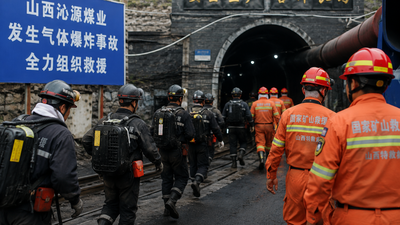
AI-generated image used for representation

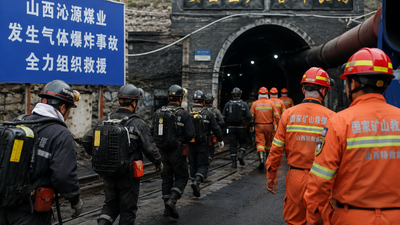
At least 82 people died in a gas explosion at the Liushenyu coal mine in northern China’s Changzhi city, AFP reported on Saturday.A major rescue operation was launched after hundreds of workers were trapped underground following an explosion in northern China, according to the South China Morning Post.The explosion occurred on Friday in Qianyuan county, about 520 kilometers southwest of Beijing, with the mine reportedly issuing a carbon monoxide warning soon after. 247 workers were underground at the time of the explosion. Authorities have not yet clarified whether additional miners are trapped.Chinese President Xi Jinping Instructed rescue workers to make “every possible effort” to locate the missing workers and ensure that the fallout is “properly handled”. He also called for strict accountability, saying that those responsible for the accident should be held accountable.Xi said, “All sectors and departments should learn from the lessons of the accident, be vigilant about workplace safety, thoroughly investigate, correct all kinds of risks and hidden dangers, and prevent and curb the occurrence of major and serious accidents.”Xi additionally warned about the dangers of seasonal weather, noting that China is entering its rainy season and urged authorities to strengthen flood prevention measures.The warning comes days after heavy rains lashed Shimen county in Hunan province, killing at least seven people and affecting more than 100,000 residents. Local officials said 14 people were missing.Chinese Prime Minister Li Qiang echoed Xi’s comments, and ordered officials to leave no stone unturned in the search for the missing miners. He also demanded a prompt investigation into the cause of the blast and punishment of those responsible.Li instructed the Workplace Safety Office of the State Council to remind local administrations of their duty to investigate industrial accidents and “resolutely” prevent future disasters.The death toll from the blast rapidly increased from 8 to 82 overnight. “Journalists at the site of the gas explosion at the Liuchenyu coal mine have learned that more than 82 people have lost their lives in the accident,” state broadcaster CCTV said, adding that rescue operations were still ongoing.The explosion occurred at around 7:30 pm local time on Friday in a coal mine in Shanxi province in northern China.The exact cause of the explosion is still under investigation.Shanxi is China’s main coal-producing province and is larger than Greece. About 34 million people live there. Last year, miners in the province extracted about 1.3 billion tons of coal, about one-third of China’s total coal production.

Source link