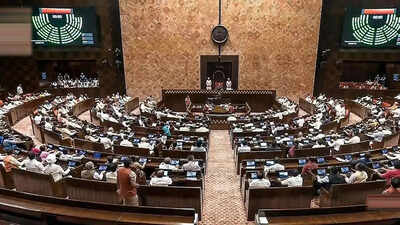
Rajya Sabha Elections 2026: Election Commission announces the date of Upper House elections. india news
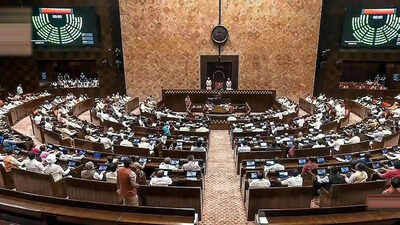
Rajya Sabha Elections 2026: Election Commission announces date of Upper House elections

New Delhi: The Election Commission on Friday announced that elections for 24 Rajya Sabha seats from 10 states will be held on June 18. According to the Election Commission, the vacancies are arising due to retirement of existing members between June 21 and July 19.Four seats each from Andhra Pradesh, Gujarat and Karnataka will be included in the elections; three each in Madhya Pradesh and Rajasthan; two in Jharkhand; And one seat each in Manipur, Meghalaya, Arunachal Pradesh and Mizoram.The Election Commission said that the last date for filing nominations will be June 8.Voting for the Rajya Sabha elections will take place between 9 am to 4 pm, with counting starting at 5 pm on the same day. The Election Commission said that the entire election process will be over by June 20.The Commission clarified that voters will be allowed to use only the integrated purple sketch pen supplied by the Returning Officer to mark preferences on the ballot papers. Use of any other pen will not be allowed during voting.The ECI also said that observers will be deployed and other necessary arrangements will be made to ensure free and fair elections.Elections are being held for seats in Andhra Pradesh, Gujarat, Jharkhand, Madhya Pradesh, Manipur, Meghalaya, Rajasthan, Arunachal Pradesh, Karnataka and Mizoram.Several prominent leaders are set to retire from the Upper House, including veteran Congress leader Digvijay Singh from Madhya Pradesh and former Prime Minister HD Deve Gowda as well as Congress president Mallikarjun Kharge from Karnataka.Voting will also be held for JMM founder Shibu Soren’s Rajya Sabha seat from Jharkhand, which is vacant since August 2025 after his death.Other members who completed their tenure include Ayodhya Rami Reddy Alla, Pillai Subhash Chandra Bose, Rambhai Harjibhai Mokaria, George Kurien, Maharaja Sanajaoba Leishemba, Wanweiroy Kharlukhi, Neeraj Dangi, Rajendra Gehlot, Nabam Rebia, Iranna Kadadi and K Vanlalvena.The Rajya Sabha, or Council of States, is the upper house of the Parliament whose members are elected by the legislators of the states and union territories through proportional representation.


Source link

Bought something bad? Here’s how you can take a company to consumer court

Bought something bad? Here's how you can take a company to consumer court

New Delhi: Bought a defective product? Facing poor service from a company, builder, bank, airline, hospital or online platform? Indian consumer law allows you to approach the Consumer Commission for compensation and relief without going through the lengthy civil court process.Under the Consumer Protection Act, 2019, consumers can file complaints against unfair trade practices, defective goods, deficiency in services, overcharging, misleading advertisements, etc.

Who can file a consumer complaint?

The complaint can be filed by an individual consumer, group of consumers, legal heir or representative, registered consumer association or even by the Central or State Government in some cases. “Consumer” generally means a person who purchases goods or hires services for personal use and not for commercial resale.You can approach the consumer commission for issues like faulty mobile phones, electronics or appliances, online shopping fraud, delay in possession by builders, insurance claim rejection, banking or credit card disputes, medical negligence, airline cancellation or poor service, misleading advertisements, charging more than MRP and poor telecom or internet services.Before filing a case, it is advisable to send a written notice or email to the company or seller explaining your problem, the compensation or refund you want, and the deadline for resolution. Many disputes are resolved at this level.Keep copies of invoices, receipts, emails, chats, screenshots, warranty cards and transaction details. These documents become important evidence later on.

Where should you file a complaint?

Consumer cases are filed before consumer commissions based on the price you paid for goods or services. Under the 2019 Act, jurisdiction is determined by the actual consideration paid and not by the compensation being claimed.There are three levels of consumer commission. The District Consumer Disputes Redressal Commission handles cases where the value of goods or services paid is up to ₹50 lakh. For claims above ₹50 lakh and up to ₹2 crore, the case goes to the State Consumer Disputes Redressal Commission. Cases where the value paid exceeds ₹2 crore are heard by the National Consumer Disputes Redressal Commission, commonly known as NCDRC.The complaint can generally be filed where the opposite party lives or works, where the business is conducted, or where the cause of action arose. Importantly, under the 2019 Act, a consumer can also file from where they live or work – they do not need to travel to the seller’s location.

Can complaints be filed online?

Yes. Consumers can lodge complaints online through the government’s eDaakhil portal (edaakhil.nic.in). The portal allows users to lodge complaints, upload documents, pay fees online and track the status of the case digitally.

What details should be contained in the complaint?

The consumer complaint must clearly state the name and address of both the parties, the facts of the dispute, the date of purchase or transaction, the amount paid, the deficiency or defect involved, supporting evidence and the relief sought.You can seek refund, replacement, compensation, removal of defects, litigation costs, or compensation for mental harassment.

Is it mandatory to appoint a lawyer?

No, consumer courts are designed to be consumer-friendly, and individuals can argue their cases without hiring a lawyer. However, for complex or high-value cases, legal aid may still be a better option.

What is the filing deadline?

The complaint must generally be filed within two years from the date when the cause of action arose. If there is delay, the Commission may allow the case even if sufficient cause for the delay is shown.Once the complaint is accepted, a notice is issued to the opposite party, the company or seller files a reply, the evidence is examined, a hearing is held and the Commission passes an order.Before proceeding to a full hearing, the Commission may refer the case to arbitration if both parties agree. This may result in a quick resolution without the need for a lengthy hearing.The Commission may order refund, replacement of goods, compensation, penalty for unfair practices or closure of misleading advertisements.

Can the order be challenged?

Yes. Appeals against the orders can be made from the District Commission to the State Commission within 45 days, from the State Commission to the National Commission within 30 days and to the National Commission within 30 days. Supreme Court within 30 days.

Source link

‘Now that the cremation has taken place…’: Shocking revelation by former Indian cricketer regarding cricket commentary. cricket news

'Now that the last rites have been done...': Shocking revelation by former Indian cricketer regarding cricket commentary!
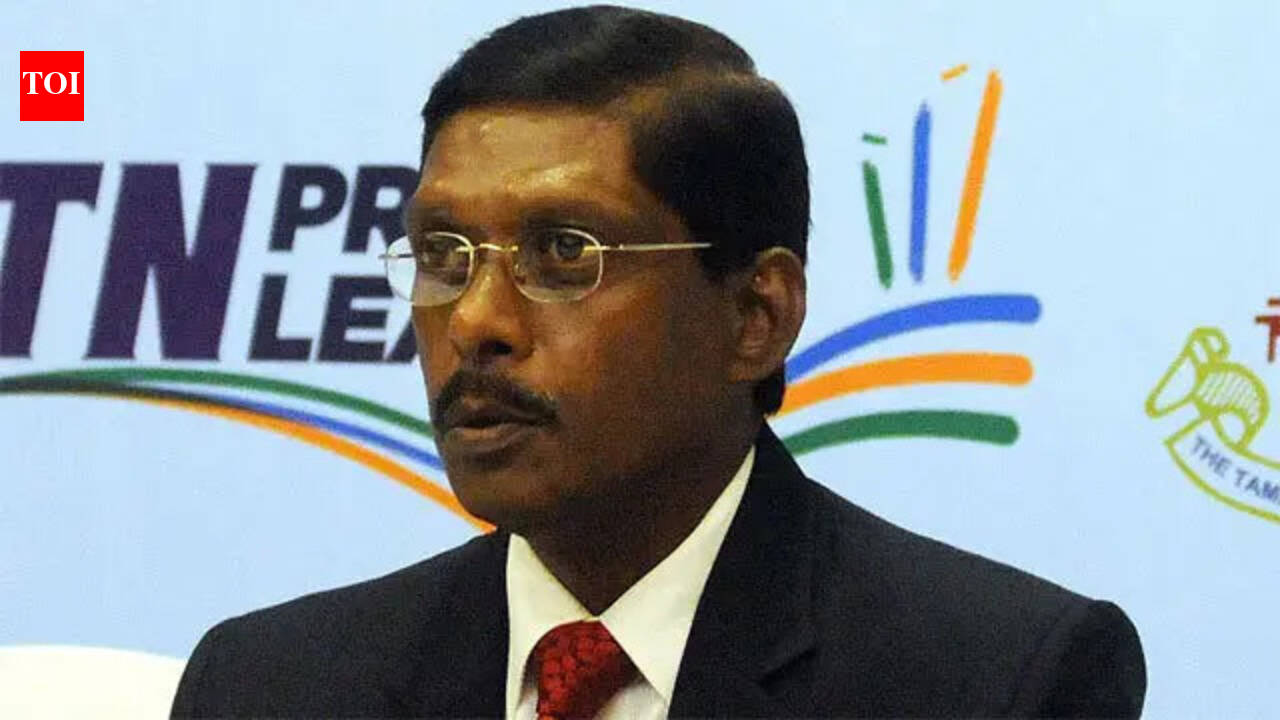
File picture: Laxman Sivaramakrishnan (TOI photo)

New Delhi: Former Indian cricketer and famous commentator Laxman Sivaramakrishnan has made another explosive revelation about his years in cricket broadcasting, alleging he was forced to return to commentary duties soon after his elder brother’s cremation.The former leg spinner, who recently retired from the BCCI commentary panel citing “color discrimination”, shared the emotional incident through a series of posts on social media on Thursday.“My elder brother passed away a few years ago. We completed the cremation in the evening, a few minutes after that, the BCCI broadcast director called me and said, ‘Now that the cremation is done, can you take a flight to Mohali the next morning to do commentary on the India vs Australia Test?’ I went,” Sivaramakrishnan wrote on X.The 60-year-old revealed that despite the personal grief, he prioritized his professional commitments.He said, “I gave up mourning and went away. My mother passed away when I was commentating in Pune. After going through so much, I was subjected to whatever I had to do.”

Laxman Sivaramakrishnan

‘That’s why I retired’In another post, Sivaramakrishnan hinted that the same person was one of the major reasons behind his decision to step away from commentary duties earlier this year, although he stopped short of naming the person publicly.In March, just days before IPL 2026, Sivaramakrishnan had announced his retirement from BCCI commentary, alleging discrimination on the basis of skin color and claiming that he was sidelined in favor of newcomers.The former India spinner, who represented the country in nine Tests and 16 ODIs, had earlier opened up in interviews about battling depression, anxiety and severe emotional trauma during his commentary career.

Laxman

‘I thought I was going to die’In an intensely personal conversation with The Indian Express earlier this year, Sivaramakrishnan had talked about experiencing a mental breakdown during the IPL in the UAE during the COVID-19 period.“I became completely depressed and I didn’t want to look at myself in the mirror,” he said. “Every time I woke up, I felt like I was going to die.”He described terrifying hallucinations, sleepless nights and emotional isolation, and also alleged years of racism and appearance discrimination in the cricket world.Sivaramakrishnan further claimed that he was often denied high-profile on-air roles because he was considered “not presentable”.“I have never done a toss or a presentation,” he previously said, adding that producers reportedly told him they were instructed not to put him in those positions.The former spinner also recalled traumatic experiences from his early cricket days and said that such incidents caused severe damage to his self-esteem at a young age.

Source link

China Wind Turbine: China recently installed a giant floating wind turbine and it could change the future of clean energy. world News

China recently installed a giant floating wind turbine and it could change the future of clean energy

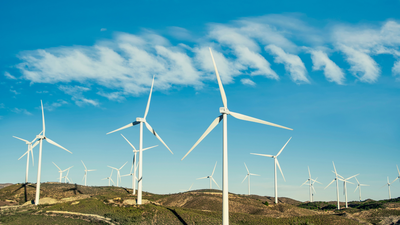
A world record-breaking floating offshore wind turbine with a capacity of 16 MW has been installed in China, creating an outstanding record in clean energy and offshore wind turbine technology. The wind turbine, nicknamed the “Three Gorges Pilot”, is expected to generate enough electricity to supply electricity to approximately 4,200 homes each year. Designed specifically for deep-sea areas where regular offshore turbines cannot be used, this floating wind farm serves as evidence of the growing interest in such offshore facilities. Scientists claim floating wind turbines could help harness large wind energy resources offshore and promote clean energy development.

what makes it floating wind turbine Unique

The new floating offshore wind turbine was designed by China Three Gorges Corporation and installed at a site near Yangjiang in Guangdong province. Unlike offshore wind turbines, which are typically mounted directly into the seabed, the new technology involves a semi-submersible floating platform with a state-of-the-art anchoring mechanism. The power generation capacity of this new turbine is 16 MW, while its huge rotor diameter is 252 meters. Its blade tips rise more than 270 meters above sea level, making it one of the largest and tallest floating wind turbines ever built. As stated in company information sources cited in the articles, the structure can withstand extremely harsh sea conditions such as waves of more than 20 meters and winds equivalent to a Category 5 hurricane.expert of State Key Laboratory of Coastal and Offshore Engineering, Ocean University of ChinaCombined with offshore renewable energy engineers, there is a belief that there is an increasing need for floating platforms as most of the shallow shorelines suitable for conventional offshore wind farm installation are now either fully utilized or geographically restricted.

Why deep water wind energy cases

Floating wind energy technology is said to be one of the next technological frontiers in renewable energy generation. Offshore sites located in deep water away from coastlines experience stronger winds, enabling greater power generation. Fixed-bottom foundations normally installed for conventional offshore wind farms become impractical to install at deeper locations due to their complexity and prohibitive cost in deep waters. However, the solution that was found was the use of floating turbines, which allowed renewable energy generation facilities to be installed in deep water.According to information released by engineers, the project uses a specially designed dynamic sub-sea cable system, which is flexible enough to adapt to ocean conditions and safely transmit power to the shore. The majority of the turbine system was built on shore before being moved to its location in the open sea.It is estimated that this particular floating wind turbine will be capable of producing approximately 44.65 million kilowatt-hours of electricity every year. This amount of energy is enough to power 4,200 homes every year.

Engineering challenges behind floating wind farms

The construction of floating wind turbines in deep sea waters is considered one of the most complex processes in renewable energy engineering. Such offshore power plants need to withstand constant fluctuations induced by waves, currents and storms to ensure reliable production of electrical energy.According to research under the titleDevelopment and future challenges of offshore floating wind turbine technologies in China‘,The base used for a wind turbine includes elements such as suction anchors, heavy anchor chains and high performance polyester mooring cables, which help to stabilize the entire structure. Additionally, ballasting techniques are used to reduce the effects of vibration during operation.Industry experts claim that with improved advances in floating wind energy technologies and reductions in installation costs, offshore projects could increasingly expand into the planet’s deepest oceans.

How China is expanding renewable energy innovation

China has made substantial investments in renewable energy infrastructure over the past decade, from solar farms to hydroelectric systems to offshore wind projects. The construction of the world’s largest floating wind turbine shows how China is rapidly developing advanced renewable energy systems that will enable it to reduce its carbon footprint.It also shows how a trend is developing around the world where large renewable energy systems are being built offshore. According to energy experts, floating wind farms will be important for countries that do not have much coastline but have huge wind energy potential in the offshore area.With growing concerns over climate change and electricity consumption, ventures like the “Three Gorges Pilot” could prove influential in the years to come.

Source link

West Bengal elections: How BJP turned a modest vote lead into a massive majority in Bengal. india news

How BJP turned a modest vote lead into a massive majority in Bengal

Kolkata: The BJP It managed to capture 207 seats in the West Bengal Assembly elections, leading to a massive victory over the Trinamool Congress, which was reduced to 80 seats after the late declaration of results from Rajarhat New Town – the constituency which recorded the lowest victory margin in this election.Congress and Aam Janata Unnayan Party won two seats each, while CPM and All India Secular Front (AISF) won one seat each.The final result from Rajarhat New Town came after long counting, in which BJP candidate Pijush Kanoria defeated Trinamool’s Tapas Chatterjee in a close contest by just 316 votes. After 18 rounds of counting, Kanoria got 1,06,564 votes, while Chatterjee got 1,06,248 votes.The BJP also registered other minor victories across the state. In Satgachhi, BJP’s Agnishwar Naskar defeated Trinamool’s Somashree Betal by 401 votes, while in Raina, BJP’s Subhash Patra defeated Trinamool’s Mandira Dalui by 834 votes.The measure of BJP’s victory was visible not only in seat share but also in vote percentage. The party increased its vote share from 38% in the 2021 assembly elections to 45.84% in 2026, a jump of nearly eight percentage points. Meanwhile, Trinamool’s vote share fell from 48% to 40.8%, a decline of nearly seven percentage points.Despite the vote share difference between the BJP and Trinamool being only 5 percentage points – the smallest difference between the two in the last 25 years – the BJP converted that lead into a major one, winning more than 2.5 times the number of seats secured by the ruling party.Geographically, the BJP’s victory was particularly impressive in several districts, where it completely shut out the Trinamool. The party wiped out the ruling party in eight districts – Alipurduar, Jalpaiguri, Kalimpong and Darjeeling in north Bengal, and Purulia, Bankura, East Burdwan and Jhargram in the south. In Cooch Behar, Trinamool could win only one seat.The BJP was expected to show a strong performance in areas where it had already built momentum in the recent elections, including North Bengal and Jangalmahal. However, its performance in the second phase of voting proved decisive in turning the contest into a landslide.Of the 152 seats that went to polls in the first phase, the BJP won 109 seats, while the Trinamool won 38 seats.In the second phase, 142 constituencies were scheduled to vote on 29 April, however voting in Falta was canceled and will now take place on 21 May, with results expected on 24 May. Excluding Falta, BJP won 98 of the remaining 141 seats, while Trinamool managed to win 42 seats.The numbers underline the scale of the BJP’s success in a state that has long been considered one of the toughest political battlegrounds.All data points are available on Google Pinpoint.

Source link

After the landslide victory, the real test of victory begins in Tamil Nadu. india news

After the landslide victory, the real test of victory will begin in Tamil Nadu.

CHENNAI: Just days after overcoming intense post-poll uncertainty and winning the crucial trust vote, Tamil Nadu Chief Minister C. Joseph Vijay has moved quickly to assert authority over his newly formed government, hailing it as a break from the past, signaling an ambitious governance agenda.VictoryThe rise to power marks one of the most dramatic political changes in Tamil Nadu in recent years. What started as a fractured mandate and turbulent alliance talks culminated in a comfortable 144-22 victory in the assembly floor test, helped by the support of a splinter faction of the party. AIADMKWhereas DMK stayed away from voting. The confidence vote ended immediate questions over the survival of the TVK-led government, but it also underlined the unusual political arithmetic sustaining Vijay’s administration.Soon after taking oath, Vijay moved towards the decisive project with a set of initial governance measures, which included up to 200 units of free electricity for households with consumption below 500 units, formation of ‘Singapan’ special task force for the safety of women and anti-narcotics units in cities and districts.Vijay has sought to position his government as one rooted in social justice, transparency and administrative accountability, while also stepping up attacks on the previous DMK regime over Tamil Nadu’s finances. His plan to release a white paper on the state’s fiscal position shows that the government wants to make the economy a major political battleground.The AIADMK split during the trust vote has added another layer of intrigue to Tamil Nadu politics, with some sections of the opposition effectively enabling Vijay’s survival. That support may have helped him clear the first legislative hurdle, but it also raises long-term questions about coalition stability and opposition realignment.At present Vijay has passed the provisional exam. The bigger challenge begins now: converting a dramatic political breakthrough into stable governance in a state accustomed to coalition-era uncertainty.All data points are available on Google Pinpoint.

Source link

Greek Philosopher Epicurus: Today’s Quote from the Greek Philosopher Epicurus: “You don’t develop courage in your relationships by being happy every day. You develop it…” | world News

Today's quote from the Greek philosopher Epicurus:
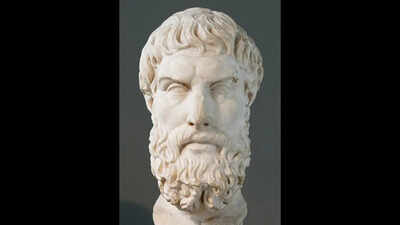
Epicurus (Image: Wikipedia)

There are some ideas that feel immediately comfortable, and there are some that only become meaningful when life forces people to experience them in person. This quote attributed to Epicurus belongs to the second category. It does not promise easy happiness or suggest that life becomes meaningful only during peaceful moments. Instead, it points to something that many people eventually realize through the experience: Comfort can make life pleasant, but struggle often changes people in deep ways.Most people naturally gravitate toward happiness. They want stable relationships, good times, supportive friendships, and circumstances that make life feel secure. No one wakes up expecting heartbreak, disappointment, or emotional exhaustion. No one actively seeks out hard times. People usually spend a lot of time trying to avoid pain because the pain itself feels uncomfortable and uncertain.Yet life doesn’t always cooperate with those plans. Relationships face challenges, expectations are shattered, people leave, mistakes are made, and circumstances change without warning. During such moments, most people focus only on surviving the difficulty because they cannot immediately see anything of value hidden within the experience. However, looking back years later, many people realize that difficult periods have often changed them in a way that easy periods never did.Perhaps this is what makes this quote interesting. Epicurus appears to suggest that courage is not born within comfort. Courage usually appears when people go through a difficult situation and find that they are still standing.

Today’s Quote by the Greek Philosopher Epicurus

“You don’t develop courage in your relationships by being happy every day. You develop it by surviving tough times and challenging adversity.”

Know the meaning behind Epicurus’ quote

This quote seems to separate happiness from courage, not because happiness lacks value, but because happiness and growth sometimes teach different things. Being happy every day in relationships can create comfort and emotional security, which are important parts of life. But comfort rarely demands too much effort from people. When things are going well, individuals move through life without feeling pressured to discover hidden strengths.Difficult situations create completely different situations. During challenging times, people are often forced to confront feelings they want to avoid. They may be dealing with disappointment, uncertainty, rejection, or fear. Those moments are uncomfortable because they eliminate predictability and force people into unfamiliar emotional territory.Epicurus seems to be suggesting that courage does not come as a sudden gift. It develops slowly. People build courage through experiences that ask something difficult of them. A person who survives emotional pain may discover a resiliency he or she never noticed before. A person who goes through failure may realize that even after losing confidence, he or she can start again.The interesting thing is that people usually do not notice these changes when they are happening. Development often becomes visible only later.

Why do humans naturally run away from trouble?

People generally associate difficult experiences with loss. A person loses mental peace, certainty or emotional balance. Because of this, the first reaction to difficulty is usually resistance. Humans prefer situations that they can control because control creates security.This tendency manifests itself in small ways in everyday life. People avoid uncomfortable conversations because they fear confrontation. People delay making difficult decisions because uncertainty feels stressful. Some people remain in familiar situations simply because unfamiliar situations create anxiety.There is nothing unusual in this behavior. It is deeply human.Yet avoiding every challenge creates another problem. People sometimes protect themselves so carefully that they accidentally avoid experiences that could help them grow. Strength develops with use in the same way muscles develop. If something never faces resistance, it is rarely strong.Many of the qualities that people admire in others emerge from difficult situations rather than easy ones. Patience often develops after waiting for a long time. Wisdom often follows mistakes. Emotional maturity often appears after disappointment.Courage seems to work the same way.

Seeing Epicurus beyond common notions

Epicurus is often incorrectly remembered as someone who encouraged only pleasure and leisure. The misconception probably comes from modern usage of terms related to his philosophy. On hearing his name, many people imagine luxury, indulgence and endless happiness.His views were actually much more thoughtful and balanced.Epicurus believed that pleasure mattered, but he saw pleasure as distinct from endless excitement or material satisfaction. He often emphasized peace of mind, meaningful relationships, and freedom from unnecessary fear. He spent a lot of time asking questions about what truly creates satisfaction and what creates unnecessary suffering.That perspective makes this quote particularly interesting because it fits naturally into his broader thinking. He understood that a satisfying life is not made up entirely of comforts. Humans also need emotional flexibility because uncertainty and difficulty eventually come into every life.

Why do relationships often become unexpected teachers?

Relationships are usually where people discover many things about themselves. During peaceful times, relationships may feel comfortable. Conversations flow naturally, disagreements remain small and the emotional connection feels stable.Difficult times create completely different circumstances.Challenges within relationships often expose parts of people that they had never noticed before. Someone may find that they become impatient during times of stress. Someone else may realize that they avoid difficult conversations altogether. Others may recognize powers they never knew existed.Painful moments within relationships rarely seem meaningful while they are happening. During that period, people usually focus on fixing problems or surviving emotionally difficult situations. Much later, they sometimes realize that those experiences have changed them.Someone who has experienced heartbreak may be more emotionally aware. Anyone who has experienced disappointment can become stronger. A person who has gone through struggle can learn patience and understanding.This process usually feels uncomfortable because it is rarely announced while the development is taking place.

Hard times slowly reshape people in strange ways.

People often think of courage as something dramatic. Movies and stories sometimes present adventure as extraordinary moments that involve big decisions and obvious acts of bravery. Real life often looks very different.Courage often develops quietly.Someone wakes up after a grueling week and continues working.A person experiences failure and still tries again.A person loses self-confidence and gradually rebuilds it.One experiences disappointment and continues to move forward despite uncertainty.These moments may not seem extraordinary from the outside. Most people would not even pay attention to them. Yet these ordinary situations sometimes require immense emotional effort.People rarely become courageous because life remains easy every day. They become courageous because difficult experiences forced them to continue even when continuing seemed challenging.

Other famous quotes from Epicurus

  • “Don’t ruin what you have by wishing for what you don’t have.”
  • “Nothing is enough for the man for whom enough is very little.”
  • “It is not what we have but what we enjoy that is our abundance.”
  • “The greater the difficulty, the greater the glory in overcoming it.”
  • “Freedom is the greatest fruit of self-reliance.”

Why do these words still matter in everyday life?

Some quotes remain memorable because they seem inspirational. Others survive because people eventually recognize parts of their experiences inside.This quote appears to be from the second group. Most people eventually discover that the moments they feared most were not always periods of pain. Sometimes those difficult times quietly, without any announcement, gave him a new look.Epicurus appears to suggest that courage is rarely born during perfect days when everything seems easy and predictable. Instead, courage often seems to appear in those moments when life becomes uncertain, and people move forward anyway.Many people are able to understand the truth only by looking back. They realize that difficult experiences don’t just test them. Those experiences also introduced him to powers he didn’t previously know he had.

Source link

Bitumen shortage due to West Asia conflict: A looming crisis for road projects india news

Amid West Asia conflict, bitumen shortage to impact road construction, maintenance

New Delhi: Due to the ongoing conflict in West Asia, the government is facing a major shortage of bitumen, which is sure to impact the construction and maintenance of tar roads. While the price of VG-40, the most commonly used grade of bitumen, has almost doubled since the conflict began, its availability has fallen short of the estimated requirement of about six lakh tonnes by July 15 for highway projects alone.Industry insiders said crude availability in the country remains comfortable due to Russian oil imports, but this has not led to improvement in bitumen supply. Russia’s sweet crude cannot produce bitumen grades that are suitable for Indian weather conditions.Russian oil has very low sulfur levels, which naturally produces low bitumen grades such as VG-10 or VG-30 without special processing.“VG-40 is produced from crude oil that we get from West Asian countries and even most of the finished products were imported from these nationals through the Strait of Hormuz. The conflict has affected this supply and its impact is felt on the maintenance and construction of highways,” said a person familiar with the developments.The issue was also raised in the last meeting of the Informal Group of Ministers (IGOM) chaired by Defense Minister Rajnath Singh, in which it was highlighted that non-availability of required quality of bitumen has reduced the pace of highway construction by one-fourth in April, sources said. Officials said the impact is similar in case of rural, municipal and state roads.Industry players said the road transport ministry has notified that highway builders in all types of projects will be adequately compensated for the high price of bitumen, but the main challenge is to get the necessary supplies before monsoon for timely maintenance. The price of one tonne VG-40 across various oil marketing companies (OMCs) rose from Rs 53,000-58,000 on March 1 to over Rs 1 lakh on May 1.“The prices are rising further. But the bigger challenge is how do we get bitumen to complete our work even at a higher cost. This has been discussed several times with officials and OMCs as well. Looking at the current availability trend, the supply will be much less than the requirement,” said a senior official of a highway construction company.Officials said although the current availability of bitumen with OMCs is very low, efforts are being made to see how to get more supply, including import at a higher price.

Source link

When Quentin Tarantino warned Brad Pitt on the set of ‘Once Upon a Time in Hollywood’: ‘You’ll die in this business’

When Quentin Tarantino warned Brad Pitt on the set of 'Once Upon a Time in Hollywood': 'You'll die in this business'

film producer Quentin Tarantino You can prepare for your next film with brad pitt With ‘The Adventures of Cliff Booth’, but according to the latest reports, tensions were high on the sets of his previous film ‘Once Upon a Time in Hollywood’.veteran actor bruce dern Her eyebrows raised when she recalled an incident on the set in which the director threatened the star that her Hollywood career would be ‘over’. Speaking to PEOPLE at the premiere of the documentary ‘Dernsey’ at the Cannes Film Festival, Dern opened up about the disagreement on the set.Recalling the scene, he described how he improvised a line during the take, which led to an unexpected reaction from Pitt. He said, “When Brad Pitt wakes me up in ‘Once Upon a Time… in Hollywood,’ I’m in bed and wake up and I get a little sad and just say, ‘I’m not really sure what’s going on.’ “I am looking at him. [Pitt] Cut off the camera. He cut off the camera. The look on Quentin’s face – I mean, he was dead serious – and he said, ‘Brad, what did you just do?'”Dern revealed that Pitt further explained that the improvised line was not part of the script and so he ‘cut the camera’. However, this provoked an agitated reaction from Tarantino, who warned him, “Never again in your life will you bite a camera or you will die in this business. This is my domain.”According to Dern, Pitt insisted, “Well, what he said wasn’t in the script.”‘Once Upon a Time in Hollywood’ was both a critical and commercial success. The film earned 10 nominations at the Academy Awards and won two Oscars, including Best Supporting Actor for Pitt.According to the latest reports, Pitt will return as stuntman Cliff Booth in the Netflix film to be released in December this year. Directed by Filmmaker david fincherThe film, written by Tarantino, is the sequel to ‘Once Upon a Time in Hollywood’ and is set in 1977 Hollywood.The film will open in IMAX theaters globally on November 25 for a two-week exclusive run before coming to Netflix on December 23, Netflix said in a statement.

Source link

Ranking the world’s most advanced countries: From South Korea’s high digital adoption to Denmark’s pharmaceutical innovation world News

Ranking the world's most advanced countries: from South Korea's high digital adoption to Denmark's pharmaceutical innovation

The ranking of the most technologically developed countries in the world is done based on their degree of digitalization, access to the Internet, mobile phone usage, investment in research and development, and the overall technological competitiveness of the state. The top countries to be considered for the year 2026 include those with high levels of technology integration into daily life, business activities and government affairs. Progress in technology cannot be measured solely by the economic size of a country or its international recognition, but by the practical application of the money invested in scientific research.According to the WorldAtlas report, there are distinct groups of tech leaders who are primarily based in East Asia, Europe, and North America.

list of most advanced countries of the world 2026

Post
Country
Area
main power
Research and development expenditure
1 south korea east asia Semiconductor, 5G, Electronics ~5% of GDP
2 United States of America North America ai, software, chips ~$823B total
3 taiwan east asia advanced chip manufacturing ~4% of GDP
4 denmark Europe Renewable Energy, Pharma ~3% of GDP
5 Switzerland Europe Pharma, Precision Engineering ~3.4% of GDP
6 israel middle east Cyber ​​Security, Startup ~6% of GDP
7 finland Europe Telecom, Gaming ~3% of GDP
8 Netherlands Europe semiconductor devices ~2-3% of GDP
9 sweden Europe Digital Platform, Telecom ~3.5% of GDP
10 norway Europe clean energy technology ~2% of GDP

most advanced countries of the world

south korea

South Korea is the most technologically advanced country in the world due to its high level of digitalization and industrial innovation. Almost all residents have Internet access, and their mobile connections are some of the fastest in the world. The South Korean government devotes 5% of the nation’s GDP to R&D purposes, facilitating continued innovation in many industries. The electronics industry in the country is highly advanced and includes smartphones, displays and consumer electronics.

United States of America

The United States is one of the most innovative countries in the world due to the volume of research expenditure and the presence of a vibrant private sector environment. Every year, the US spends more than $800 billion on R&D, the largest expenditure in absolute figures among all countries in the world. The country excels in AI, software development, cloud computing and semiconductor design.

taiwan

Taiwan plays an important role in global semiconductor supply chains, particularly advanced chip manufacturing. Taiwan Semiconductor Manufacturing Company (TSMC) makes a significant portion of the world’s most advanced chips used in artificial intelligence systems, smartphones and computing devices. The country invests about 4% of GDP in research and development, supporting a strong industrial and export-driven economy. Electronics manufacturing, chip design and precision engineering are the main areas. Taiwan’s global importance comes from its dominance in advanced semiconductor manufacturing, which supports almost all modern digital technologies around the world.

denmark

Denmark is known for its pioneering efforts in renewable energy technologies and its pharmaceutical industry. Denmark spends approximately 3% of its GDP on research and development activities, which contributes to continued technological progress. Wind energy is one of the areas where Danish companies have excelled in the development of renewable energy infrastructure globally. The Danish pharmaceutical sector has helped Denmark establish its presence globally, particularly in diabetes-related innovations.

Switzerland

Switzerland’s innovation strength can be seen in its performance in the fields of pharmaceutical products, precision engineering and scientific research. Innovation expenditure is estimated to be 3.4 percent of GDP with the support of private sector enterprises and organizations of excellence. Roche and Novartis are top-tier global pharmaceutical companies leading the healthcare innovation movement. The Swiss have an excellent scientific institute like CERN, which is located close to Geneva.

israel

Israel is among the countries that spend more than 6% of its GDP on research and development. Israel is renowned for being a hub of startup innovation, particularly in cybersecurity, artificial intelligence, defense, and software solutions. Many multinational technology companies began as Israeli startups. Unit 8200 has been instrumental in preparing the next generation of cyber security experts. There is high venture capital investment in Israeli startups; This ensures the continued emergence and growth of startups in the country.

finland

Finland demonstrates great technological prowess through telecommunications, gaming, and digitalized public institutions. The country devotes approximately 3% of its GDP to research and development, thus ensuring continuous innovation in all sectors. Nokia is still playing a key role in the deployment of 5G networks globally. The gaming industry has made great strides when it comes to digital esports and contributions to innovative technologies. There is massive digitization of services including education and governance systems.

Netherlands

The Netherlands stands as a top producer of semiconductor equipment and digital infrastructure technology. There is only one manufacturer that produces the machines used in the process of manufacturing semiconductors, known as EUV lithography. The country also has a strong Internet technology infrastructure with equally developed logistics technology as well as significant data exchange facilities. Research is directed towards engineering, agricultural technologies and high-tech manufacturing. The Netherlands holds a very important position in global supply chains due to the technologically advanced nature of chip production machinery and logistics systems.

sweden

Sweden has a highly developed digital economy, facilitated through fintech, telecommunications and consumer technology applications. R&D investment accounts for approximately 3.5% of GDP and reflects a high level of national commitment to innovation activities. A well-developed system of digital payments has been established; Sweden is considered to have a cashless economy. Thus, there is a balance between technologies and traditional industries in the country.

norway

Norway focuses its technological development on renewable energy, marine systems and environmental innovation. Almost all electricity production comes from hydropower and renewable sources, making it one of the most sustainable energy systems globally. Supported by strong government policy and infrastructure, electric vehicle adoption is the highest in the world. R&D spending is about 2% of GDP, lower than some peers but supported by high digital adoption in public services.

Source link