
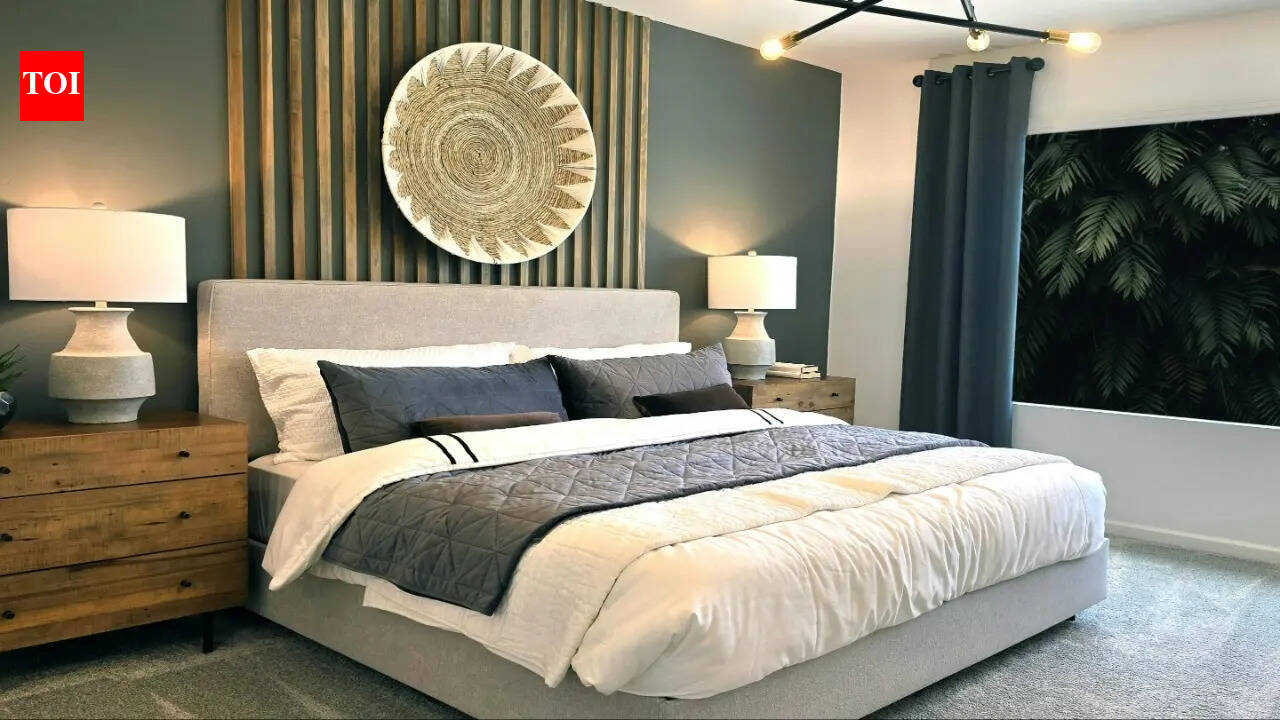

8 clever interior design tricks to make a small bedroom feel like a luxury space
Small bedrooms are a reality in many UK homes. Be it a compact flat in the city or a modest extra room in daily use, the challenge of making limited square footage comfortable, serene and thoughtful is one that most of us know well.The solution may lie somewhere unexpected: exhibition design. The same techniques used to create world-class brand experiences and immersive environments can be applied to residential spaces with remarkable results. Think about how a well-designed exhibit guides you through a space, drawing your attention and making even a modest footprint feel full of possibility. The same logic works at home too.Read on as we reveal eight expert ways to apply the same experiential principles to even the smallest bedroom.
Design for flow, not just Furniture
The first mistake most people make in small bedrooms is placing furniture without thinking about movement. In exhibition design, flow is everything. Visitors are intuitively guided through a space, without ever feeling cramped or confused.A The 2026 study, which was recently published in the Journal of Environmental Psychology states, “Layouts that prioritize unobstructed movement routes significantly improve perceived spaciousness and reduce cognitive load in small rooms.” This is another way to support the principle of “design for flow”, meaning that when a person moves naturally through a space, it feels larger and less stressful to them, even if the amount of space available has not been increased.
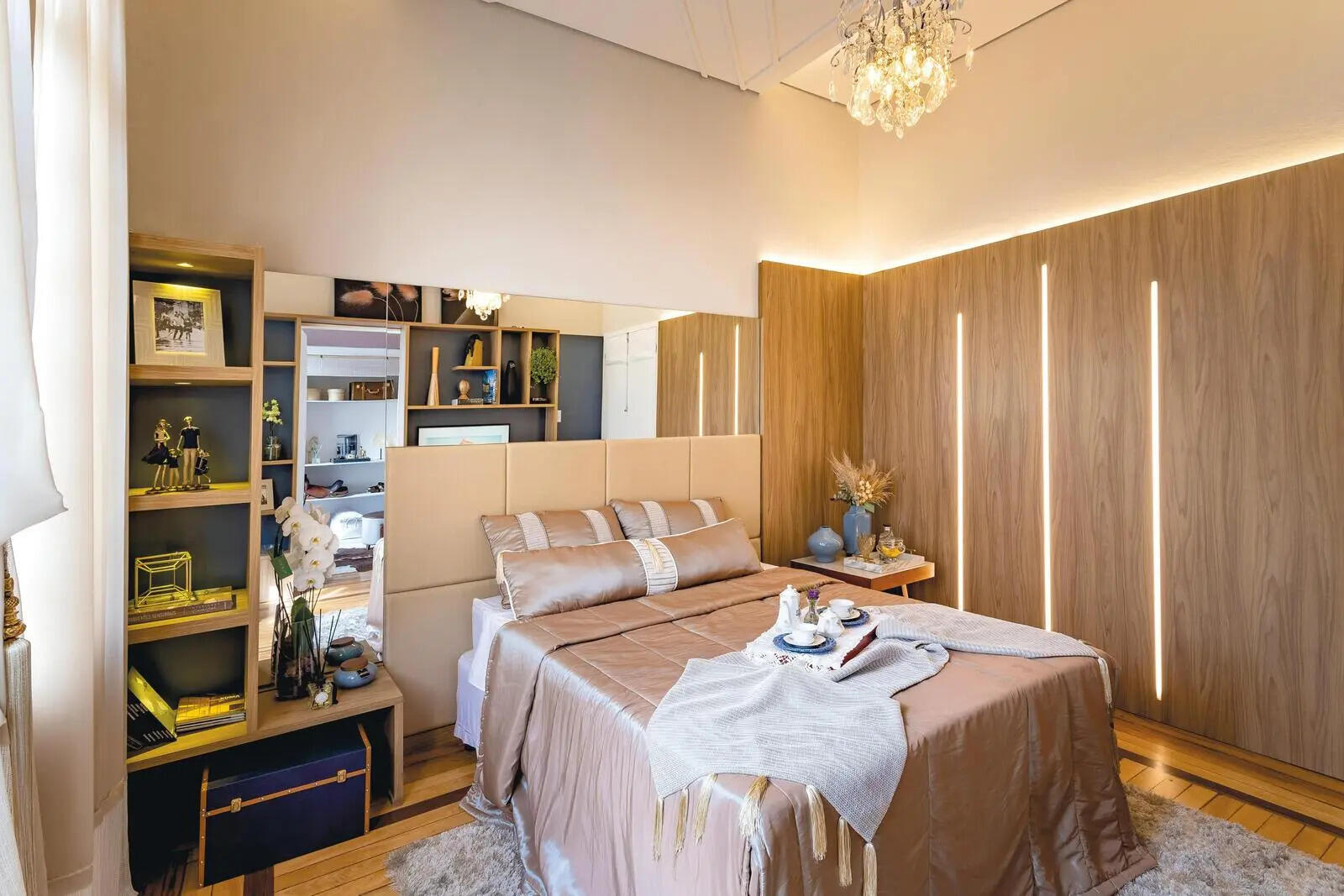
Exhibition Design: The surprisingly simple secret to making small bedrooms seem spacious
Noisey & Company, a UK-based hybrid creative agency that specializes in immersive brand experiences and exhibition design, knows better than most how to get more from less. In an interview with The Times of India, Managing Director Sam Allen shared, “In any well-designed environment, you should be able to move around in the space without thinking about it. In a small bedroom, this means being deliberate about where your bed sits in relation to the door, cupboard and window. Where possible, aim for at least 60cm of clear space around the bed and avoid the urge to fill every wall.’
Create zones within a room
A bedroom that is to serve as a sleeping space, dressing area, and perhaps even a workplace requires some sense of structure. Exhibitions do this constantly, using subtle visual cues to signal transitions from one area to another without erecting walls.A well-placed rug, a change in paint color on a wall or a lower shelf unit can all define an area without cluttering the space. The result is a room that feels organized and intentional rather than cluttered.
think like a curator
Walk into any great exhibition, and you will see that there is nothing accidental. Every thing earns its place. Sam recommends applying the same standards to smaller bedrooms.“Edit ruthlessly,” he said. “Every piece of furniture, every accessory, every decorative item should have a reason for being there. In a small room, anything that doesn’t serve a purpose is just taking up space and visual energy.”
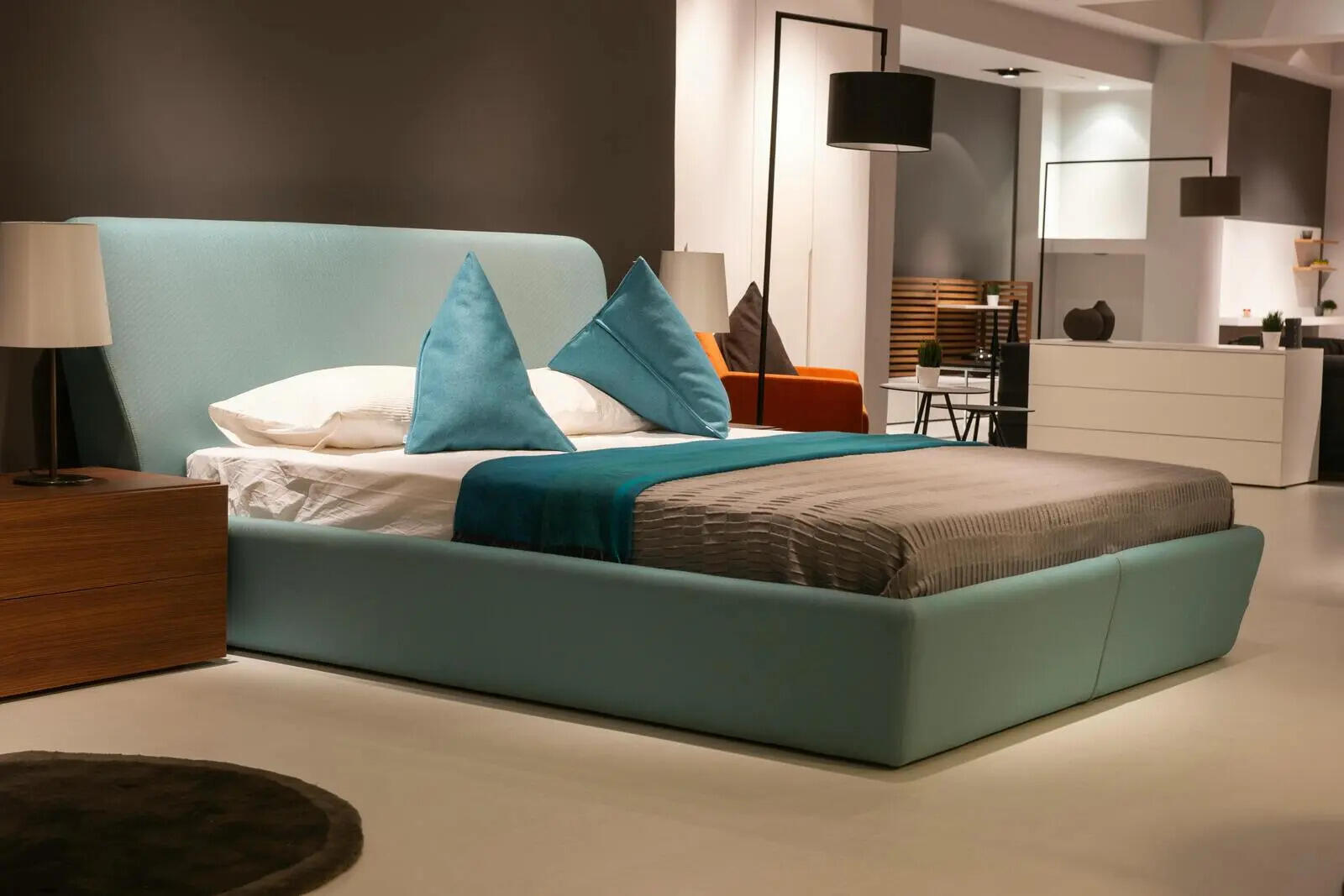
Can exhibition design make your small bedroom look bigger?
A curated bedroom feels calmer and more spacious, even if the square footage hasn’t changed.
Use vertical space to your advantage
Floor space may be limited, but the walls go all the way up. Tall cabinets, floor-to-ceiling cabinets and wall-mounted storage draw the eye upward and make a room feel larger than its size. This is a well-used trick in exhibition design, where height is used to create a sense of drama and scale.
layer Light for depth
Flat, overhead lighting makes a small room feel smaller. Exhibitions use multiple light sources at different heights to create ambiance, attract attention, and add dimension.“Lighting is an underutilized tool in residential design,” Sam said. “A bedside lamp, a strip of warm light behind the headboard, a small spotlight on a piece of art; these layers make a room look rich and thoughtful and they cost much less than a renovation.”
Choose multifunctional pieces
Storage beds, ottomans, fold-down desks, and bedside tables with drawers all do more than one thing. In experiential design, each element of a creation has to justify the space it occupies. The same thinking applies here also.
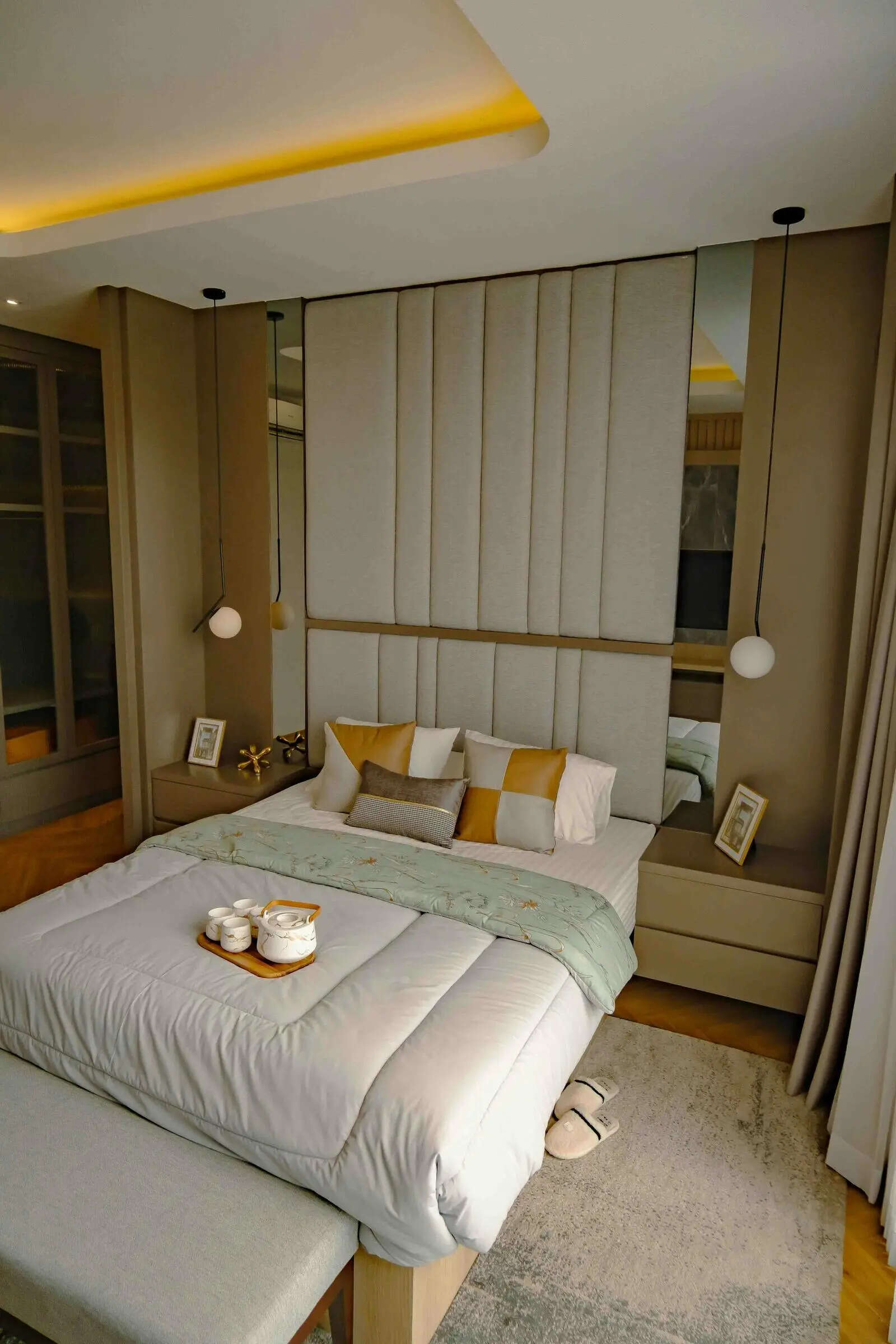
The spatial thinking behind immersive brand experiences can make your compact bedroom feel completely different
Where possible, choose furniture that works twice as hard. For example, a bed with under-frame storage can free up an entire closet’s worth of space.A 2026 Studies in Building and Environment found, “The use of subtle zoning techniques and multi-functional furniture has significantly increased spatial efficiency and user satisfaction in compact living environments.” It supports creating zones and using multi-functional furniture, confirming that dividing a room visually (without walls) improves both usability and comfort.
engage the senses
Great experiences are not purely visual. Scent, texture and sound all determine how we feel in a space. A small bedroom that smells fresh, has textiles that are soft to touch and is not acoustically harsh will always feel more comfortable than a bedroom that looks good but feels cold.“People often forget that a room is something you see and feel,” Sam said. The heaviness of a good quilt, the scent of a candle, and the plushness of a carpet are the little touches that make a room truly cozy.Researcher in A 2026 study in Lighting Research and Technology Journal revealed that layered lighting strategies increased perceived depth, warmth, and overall satisfaction with the environment compared to single-source overhead lighting. This confirms the recommendation about layered lighting and sensory involvement, showing that multiple light sources can make a room feel brighter, darker and more welcoming.
refresh like an exhibition
Exhibitions do not last forever. They refresh, rotate and evolve. Applying that mentality to a small bedroom, changing out cushions according to the seasons, rearranging a shelf, or changing out artwork keeps the space alive without requiring a complete redesign.
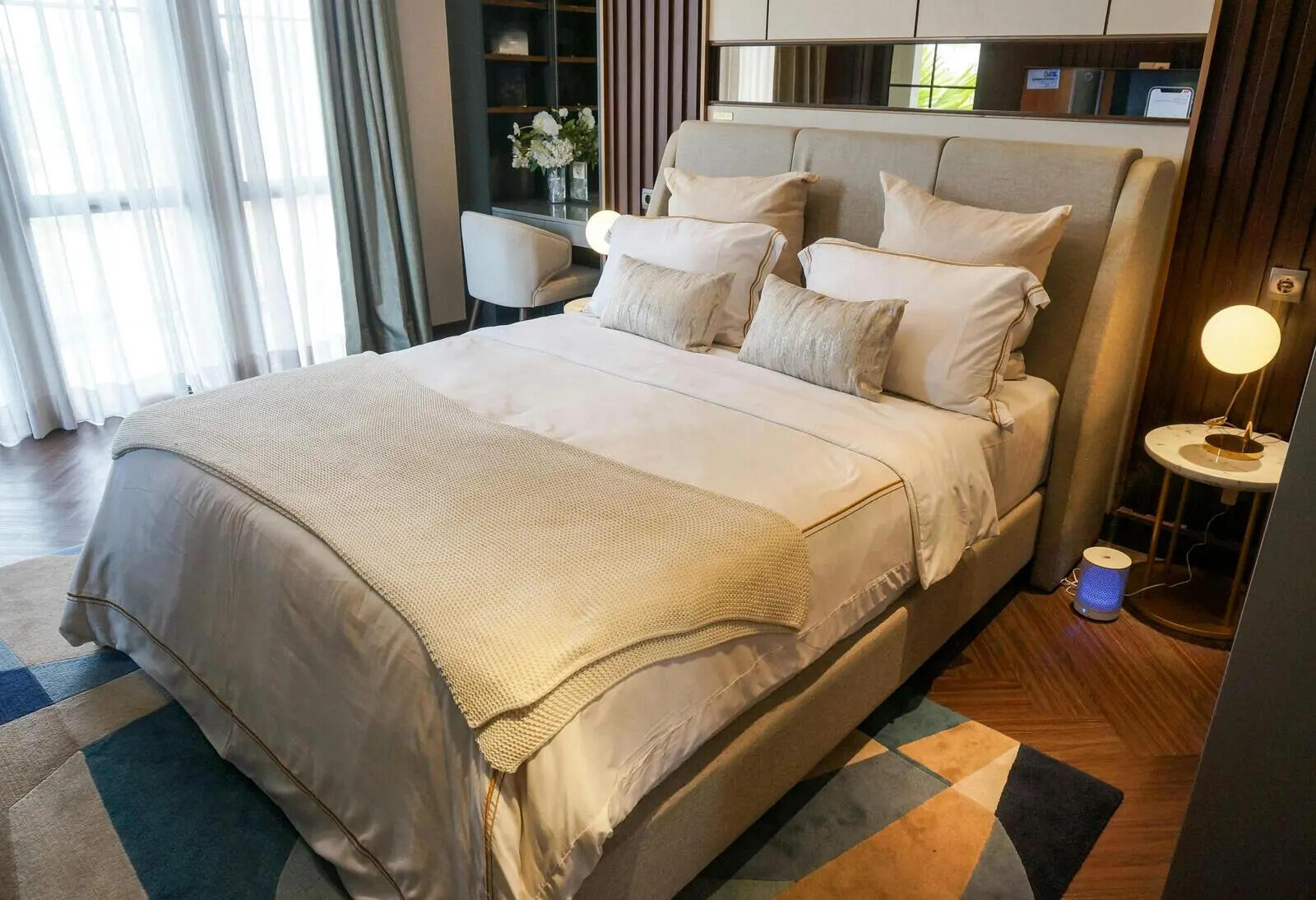
Making the most of a small bedroom is less about fitting more in it and more about designing with intention
A small bedroom needs to be better designed to make the most of it. The same principles we use to create immersive exhibitions, including flow, intention, sensory detail and thoughtful use of space, translate remarkably well to residential design. When you start thinking about how a room feels when you walk into it, rather than how it looks in a photo, everything changes.With thoughtful layout, clever storage and a focus on the full sensory experience, even the smallest bedroom can become a well-designed relaxation space. You don’t need much square footage. You need to have a clear idea of what you want to do in that space, and have the discipline to design around it.