US-Iran ceasefire agreement: From Hormuz to nuclear talks – What to expect in 60-day US-Iran ceasefire proposal
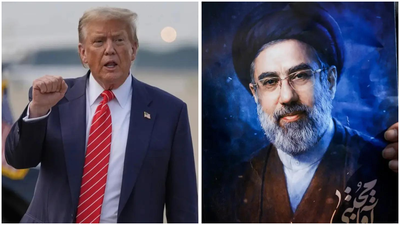
From Hormuz to nuclear talks – what to expect in a 60-day US-Iran ceasefire proposal

According to US media outlet Axios, the United States and Iran are close to signing a proposed deal that would extend the current ceasefire for 60 days, reopen the Strait of Hormuz and allow Iran to resume oil exports, while negotiations continue over Tehran’s nuclear program.According to the report, the draft memorandum of understanding (MoU) will allow ships to pass through the Strait of Hormuz without tolls during a period of 60 days while Iran will clear mines deployed in the waterway to restore shipping traffic.In return, the US would lift its blockade of Iranian ports and issue sanctions relief, allowing Iran to sell oil freely, Axios reported, citing a US official.The proposed agreement would include negotiations on curbing Iran’s nuclear activities.

Key points of the proposed deal

60 day ceasefire extension:

  • The US and Iran will sign a 60-day memorandum of understanding (MOU), which can be extended if both parties agree.

Strait of Hormuz to reopen:

  • Iran will reopen the Strait of Hormuz and remove mines deployed in the waterway to allow free movement of ships and oil tankers.

No toll on shipping:

  • Commercial ships will be allowed to pass through the strait without tolls or restrictions.

America will reduce economic pressure:

  • In return, the US would lift its blockade of Iranian ports and issue sanctions relief so Iran could freely export oil.

‘Relief for Performance’ Model:

  • The Trump administration will only provide sanctions relief and free up Iranian funds after Tehran makes verifiable concessions.

Nuclear commitments by Iran:

Iran will commit to:

  • never pursue nuclear weapons
  • Negotiations on suspension of uranium enrichment
  • Discussion on removing its highly enriched uranium stockpile

Further nuclear talks during the ceasefire:

  • The two sides will continue negotiations on a comprehensive nuclear agreement and permanent sanctions relief during a period of 60 days.

US troops will remain in the area temporarily:

  • US forces deployed in recent months will remain in the Middle East during the negotiation phase and will return only after a final agreement.

Israel-Hezbollah conflict will end:

  • The draft agreement reportedly includes the understanding that fighting between Israel and Hezbollah in Lebanon would stop.

Israel retains the right to take action against Hezbollah’s threats:

  • According to US officials, Israel would still be allowed to respond if Hezbollah attempted to retreat or attack.

Possible widespread reestablishment in relationships:

  • If Iran accepts Trump’s nuclear demands, the US could move toward restoring economic ties and helping Iran reintegrate economically.

Nuclear talks remain central

The proposed agreement reportedly includes Iran’s commitments that it will never build nuclear weapons and that it will negotiate to suspend uranium enrichment and remove its stockpile of highly enriched uranium.According to Axios, Iran has already provided verbal commitments through mediators about the concessions it wants to make on enrichment and nuclear materials.The development comes after a New York Times report cited two US officials as saying that a key element of the proposed deal is an “explicit commitment” by Tehran to give up its stockpile of highly enriched uranium.According to the report, how Iran will surrender its uranium reserves will be discussed in the subsequent rounds of nuclear talks. According to the International Atomic Energy Agency, Iran currently has about 970 pounds of uranium enriched to 60%.Iranian officials had previously opposed including the uranium issue in the early stages of talks and wanted it to be delayed to later talks.

Trump says deal close, Iran alert

US President Donald Trump said on Saturday that a “massively negotiated” peace memorandum was near completion and claimed the Strait of Hormuz would reopen under the deal.“The final aspects and details of the deal are currently under discussion and will be announced soon,” Trump wrote on Truth Social.However, Iran’s Fars news agency refuted Trump’s claim regarding the strait, saying that Iran would continue to manage the waterway and described Trump’s comments as “inconsistent with reality”.Iranian Foreign Ministry spokesman Ismail Baghai said, “There are still issues that need to be discussed through mediators,” stressing that Tehran’s priority is to end threats of new US attacks and address the conflict in Lebanon.

Mediation efforts led by Pakistan

Pakistan has emerged as the main mediator in the talks. Pakistan Army Chief Asim Munir recently met senior Iranian leaders, including top negotiator Mohammad Baqer Qalibaf and Foreign Minister Abbas Araqchi, in Tehran.The leaders of Saudi Arabia, Qatar, the UAE, Egypt, Türkiye and Pakistan backed the emerging framework during a conference call with Trump on Saturday.The proposed framework is expected to be unveiled in phases, starting with formally ending the war, reopening the Strait of Hormuz and opening a 30-day negotiating window for a comprehensive nuclear deal.Axios further reported that US forces mobilized to the region will remain deployed during a period of 60 days and will return only after a final agreement is reached.

Concerns over Israel, global oil markets

According to Axios, Israeli Prime Minister Benjamin Netanyahu reportedly raised concerns over parts of the proposed agreement during a call with Trump, particularly provisions related to ending the Israel-Hezbollah conflict in Lebanon.The agreement is being closely watched globally as the Strait of Hormuz handles a large share of global oil shipments. Global energy markets had been severely disrupted by the closure of waterways since the beginning of the war.Oil prices and shipping routes remain volatile amid uncertainty over conflict and negotiations.Under the talks, Iran has demanded an end to the US blockade on its shipping and relief from sanctions.
Source link

Center pushes Bengal to speed up PM-JAY, HPV vaccination. india news

Center pushes Bengal to speed up PM-JAY, HPV vaccination

New Delhi: The Center on Friday exhorted West Bengal to accelerate Ayushman Bharat PM-JAY, HPV vaccination and TB eradication programmes, while assuring full support to strengthen the state’s healthcare infrastructure.In a virtual review meeting chaired by Union Health Minister Jagat Prakash Nadda with West Bengal Chief Minister Suvendu Adhikari, the Center released ₹527.58 crore as the first tranche of the state’s ₹3,505.59 crore National Health Mission allocation for 2026-27.Nadda stressed on rapid implementation of TB-free India campaign, measles-rubella eradication campaign and HPV vaccination campaign, saying preventive health care and early intervention were important to reduce the burden of the disease. He also called for stronger monitoring and surveillance of maternal and child health indicators, especially in border districts.The Union Health Minister urged the state to expedite the signing of MoUs for the implementation of PM-JAY and said that around 1.45 crore families, including senior citizens, will benefit from the scheme. He also said that the Center is ready to provide technical assistance, expert team and training support for health care capacity building in the state.The meeting also reviewed preparedness against vector-borne diseases, expansion of Ayushman Arogya Mandirs, rapid testing of non-communicable diseases and availability of medicines and diagnostics at public health facilities.Seeking greater central support, the official proposed expansion of Jan Aushadhi Kendras, establishment of additional medical colleges in deprived districts and establishment of AIIMS in North Bengal to improve tertiary health care access in the region. He also stressed the need for stronger preparedness against monsoon-related diseases like malaria and dengue.

Source link

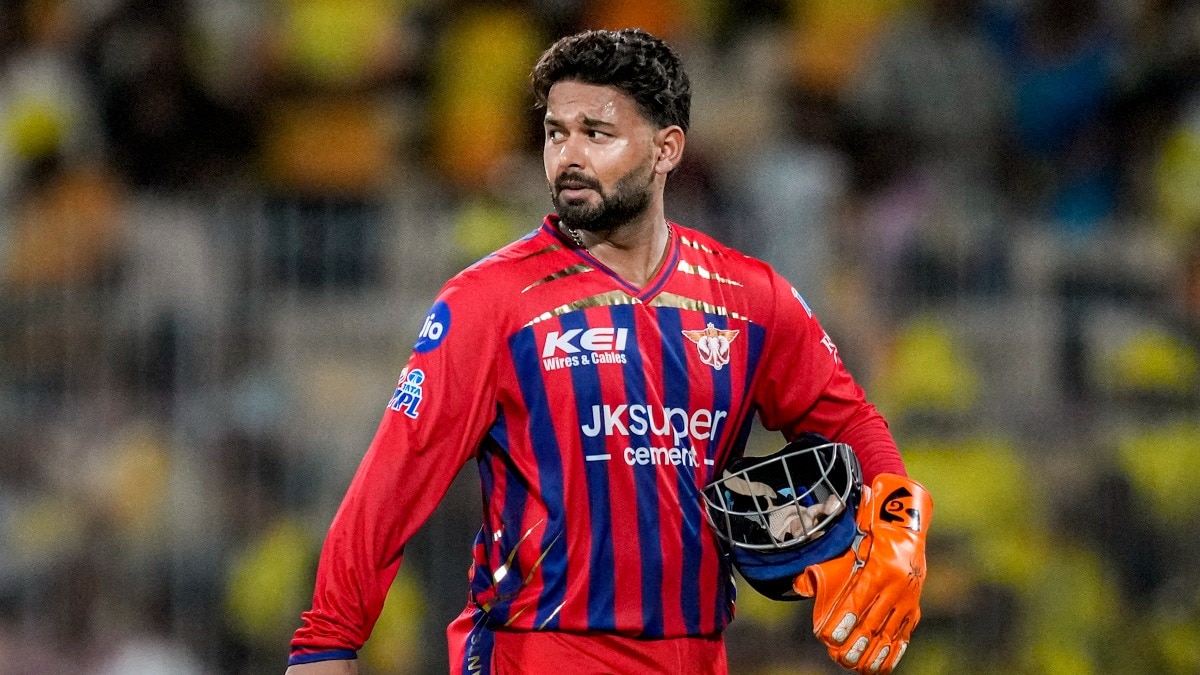
Rishabh Pant’s captaincy is in danger as LSG considers reset after IPL 2026

Lucknow Super Giants’ Director of Cricket, Tom Moody hinted that the franchise will evaluate its options, including Rishabh Pant’s captaincy, after the team’s defeat against Punjab Kings on Saturday ensured that they will finish at the bottom of the points table for the 2026 edition of the Indian Premier League (IPL 2026).

The franchise has been in the headlines for the right and wrong reasons, but Rishabh Pant’s captaincy has been one of their most disappointing aspects this year. The wicketkeeper-batsman has struggled to make an impact with the bat or with his leadership despite having some talented names in the team – be it experienced campaigners or some top uncapped talent.

Speaking after LSG’s defeat at home, Moody acknowledged that reflection is the need of the hour, but added that leadership is also something he will revisit and hope to improve upon going forward.

lsg vs pbks, IPL 2026: Update | Achievement:

Moody said in the post-match press conference, “I know this season has been difficult for us, but we will reflect on it. We will take time, consider all aspects and assess things properly. Certainly, we have not lived up to the expectations or standards that we had set for ourselves. When it comes to the leadership of the franchise, we will look very seriously at what it looks like in the future.”

He said, “Like every department, when you consider a season, we will make an informed decision. It certainly feels like we need to consider a reset.”

Moody did not want to blame anyone for this yet. But it looks like some serious introspection will be required from within to improve their fortunes for next season.

Moody said, “We are all responsible. I don’t think this is the time to point the finger at any individual. We all have to take accountability. As I said, now is not the time to put the blame on any particular department. We need time to calmly consider this, but certainly there are some things that we need to pay attention to and they will be addressed.”

What’s next for Rishabh Pant?

The 28-year-old is hitting his prime athletic years, but his career is not going at the same pace. he was recently thrown out India’s white-ball arrangements for the recent home series against Afghanistan, Which could be an indication that the Indian team also wants to move forward.

The plight continued in the test team too The role of Pant’s vice-captain is being handed over to KL Rahul.Which is ironic, given the previous captain of LSG before 2025.

At LSG, Pant has not performed well with the bat or captaincy and it will be interesting to see if the franchise chooses to continue supporting him next season or move on from the Indian star.

ipl 2026 | ipl schedule | ipl points table | ipl player stats | purple cap | orange cap | ipl video | cricket news | live score

– ends

published by:

Amar Panikkar

Published on:

May 24, 2026 10:30 IST

Source link

Hailee Steinfeld: Hailee Steinfeld Net Worth in 2026: Career Earnings, Endorsements, & Family Life with Josh Allen | nfl news

Hailee Steinfeld's Net Worth in 2026: Career Earnings, Endorsements, and Family Life with Josh Allen
Inside Hailee Steinfeld’s Net Worth in 2026: Career Earnings, Endorsements, and Family Life with Josh Allen (Image via Getty Images)

Hailee Steinfeld One of the biggest stars of Hollywood. Her acting career, musical success, endorsements and high-profile marriage josh allen Fans are still looking for him. According to Celebrity Net Worth and Entertainment estimate, Hailee Steinfeld’s net worth in 2026 is around $25 million.Steinfeld built her fame through blockbuster films, streaming projects, music releases, fashion partnerships, and brand endorsements. Apart from her rising Hollywood profile, she also remains in the headlines for her family life with Josh Allen, one of the NFL’s highest paid players. Together, the pair have become one of the most talked-about celebrity sports couples online.

Hailee Steinfeld’s net worth and career earnings

Hailee Steinfeld started her career at a young age after earning an Oscar nomination for True Grit. Over the years, he expanded his profile through major films, television projects, and music releases.His acting work includes Hawkeye, Pitch Perfect, Bumblebee and Spider-Man: Across the Spider-Verse. Then songs like “Bhukh Se Marna” became commercially successful around the world. Music also became a major source of income.

Social class Hailee Steinfeld
Estimated Net Worth (2026) about 25 million dollars
main occupation actress, singer
Major acting projects Hawkeye, Pitch Perfect, Bumblebee
main source of income acting, music, advertising
major approval Partnerships with brands like Prada, Armani Beauty and Neutrogena
investment Income from real estate and entertainment
car collection Land Rover Range Rover Sport
view collection Designer and luxury goods

How Hailee Steinfeld made her entertainment fortune

Hailee Steinfeld has successfully balanced both her acting and music careers over the years. Hollywood projects helped establish her as a leading actress, while streaming success and music tours added another source of revenue.Additionally, their advertising catalog continued to grow through partnerships with fashion, beauty and lifestyle brands. Due to his popularity among young audiences, brands consistently used his image for campaigns and promotions. Unlike many celebrities, Hailee Steinfeld maintains a relatively private personal life despite the constant media attention.

Hailee Steinfeld’s business ventures and investments

Hailee Steinfeld has kept her business and investment details mostly private. Reports suggest that he invested in property and luxury properties to supplement his entertainment income. Most of his wealth still comes directly from acting salaries, music income, endorsements, and commercial partnerships, rather than from publicly known business ownership. His long-term Hollywood relevance is also creating new earning opportunities through streaming platforms and franchise projects.

Hailee Steinfeld’s Lifestyle and Family Life with Josh Allen

Hailee Steinfeld and Josh Allen became one of the biggest celebrity sports couples after their relationship gained public attention. Later, their marriage inspired even more fans to discover details about their lifestyle and future. The couple seems to be enjoying a luxurious but quite private lifestyle that includes travel, fashion events, NFL appearances and vacations away from the overwhelming public attention. The couple recently welcomed a baby girl.Despite Allen’s massive NFL fame and Steinfeld’s Hollywood success, the two keep their personal lives largely away from the daily media drama.

Hailee Steinfeld’s legacy in entertainment

Hailee Steinfeld has had one of the strongest crossover careers in modern entertainment by finding success in both acting and music. She moved from award-nominated films to blockbuster franchises, streaming projects and pop music without losing relevance. Today, she remains one of the most recognizable young stars in Hollywood as she continues to expand her career in entertainment and global media culture.

Source link

Russia attacks Ukraine’s capital Kiev with missiles, drones, schools, residential buildings affected; 1 dead

US issues alert on threat of imminent Russian airstrikes after Ukrainian hostel attack in Luhansk

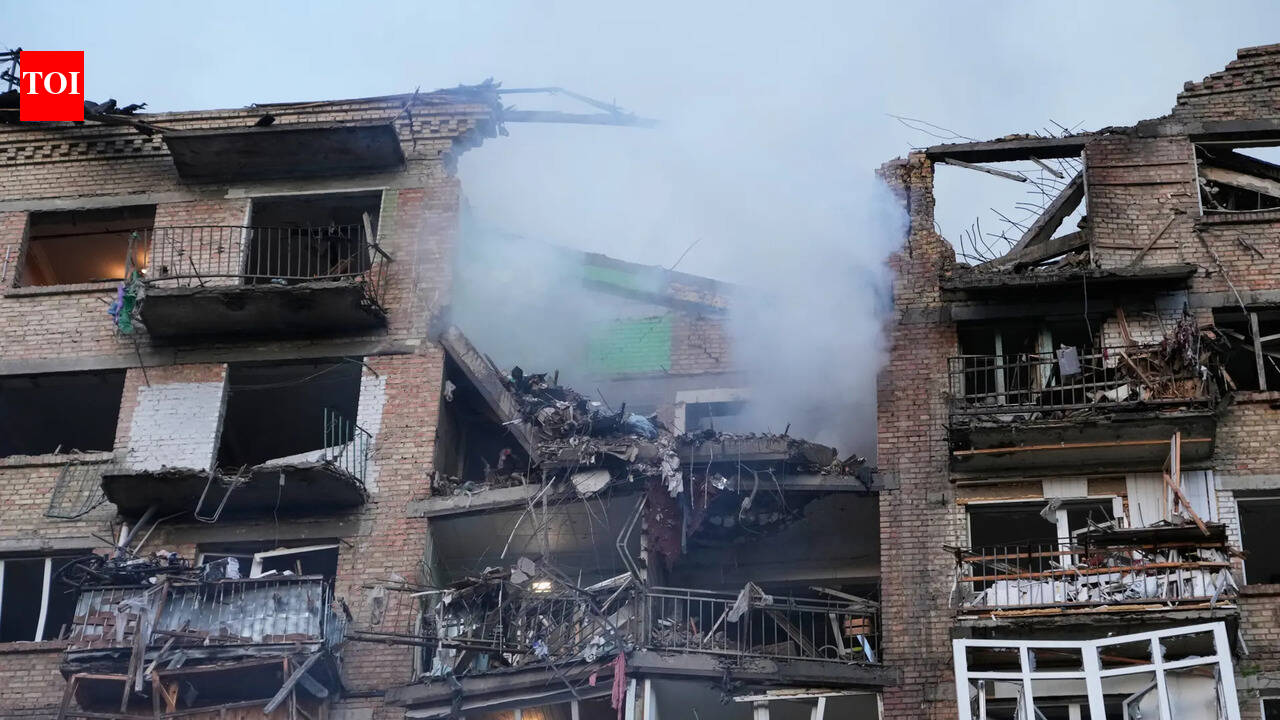
Apartment interiors in a damaged residential building are exposed after a Russian missile strike in Kiev, Ukraine, on Sunday, May 24, 2026. (AP Photo/Efrem Lukatsky)

Russia launched a massive overnight missile and drone attack on Kiev early Sunday, hitting residential areas, a school and commercial buildings in the Ukrainian capital, as Moscow vowed to retaliate for Ukrainian attacks on the Russian-held territory that it said killed 18 people. The barrage injured at least 10 people, sparked fires in several districts and forced residents into underground shelters as air raid sirens echoed across the city for hours.The attack, which Ukrainian officials described as a “mass ballistic missile attack”, continued Sunday morning and officials warned that additional missiles and drones were still approaching the capital.“The capital has been hit by a massive ballistic missile attack,” Timur Tkachenko, head of the Kiev city military administration, wrote on Telegram. “There are currently reports of at least 4 locations affected by the attack: Shevchenkivsky, Dniprovsky and Podilsky districts. There are preliminary reports of fires and damage to residential buildings.”“Strike drone attacks continue; ballistic missile threat still persists. Stay in shelters!” He added.According to Associated Press journalists on the ground, powerful explosions were heard throughout central Kiev overnight, including near government offices. The impact of the attacks shook buildings and thick smoke spread over many parts of the city.Kyiv Mayor Vitaliy Klitschko said a school building in the Shevchenkivskyi district was damaged, while civilians were sheltering inside. “A school has been damaged in the Shevchenkivsky district,” Klitschko posted on Telegram. He told that there is a fire.Emergency crews were also dispatched to Kyiv’s Podilsky district after debris fell in a non-residential area, while a fire broke out near residential buildings in the Shevchenkivskyi district, damaging windows and surrounding structures.Officials said damage was reported in at least nine districts of the capital, with supermarkets, warehouses and residential complexes also affected. Regional governor Mykola Kalashnik said several communities in the wider Kyiv region also suffered damage.The attacks came after Russia warned of retaliation for recent Ukrainian attacks in Russian-occupied eastern Ukraine. Moscow had earlier accused Kiev of carrying out an attack on a college dormitory that reportedly killed 18 people.Before the attack, Ukrainian President Volodymyr Zelensky, citing intelligence shared by the United States and Western allies, warned that Russia could launch a major air strike involving the Oroshnik hypersonic ballistic missile. Ukraine’s air force later issued a warning about a possible Orashnik launch, though it was not immediately clear whether the missile was used in Sunday’s attack.Russia first deployed the Oreshnik missile against the Ukrainian city of Dnipro in November 2024 and used it again in the western Lviv region earlier this year.Russian President Vladimir Putin has claimed that the nuclear-capable missile travels at a speed of Mach 10 and can penetrate underground bunkers several floors deep. Describing the weapon as traveling “like a meteorite”, Putin has also said that the missile is immune to existing air defense systems and that many conventional attacks using the weapon could match the devastation caused by a nuclear attack.

Source link

Now only 6 states have fertility rates above replacement level. india news

Now only 6 states have fertility rates above replacement level

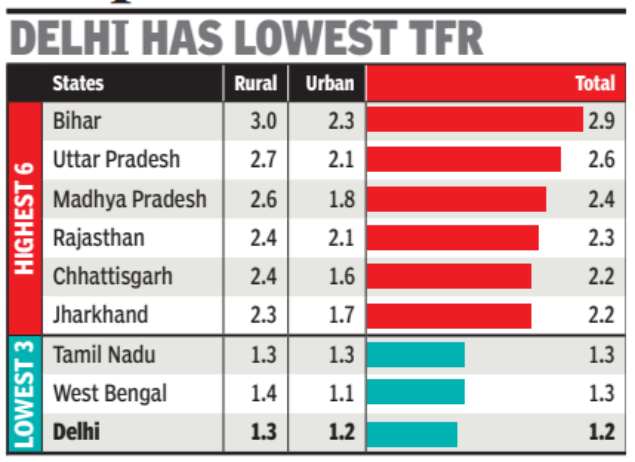
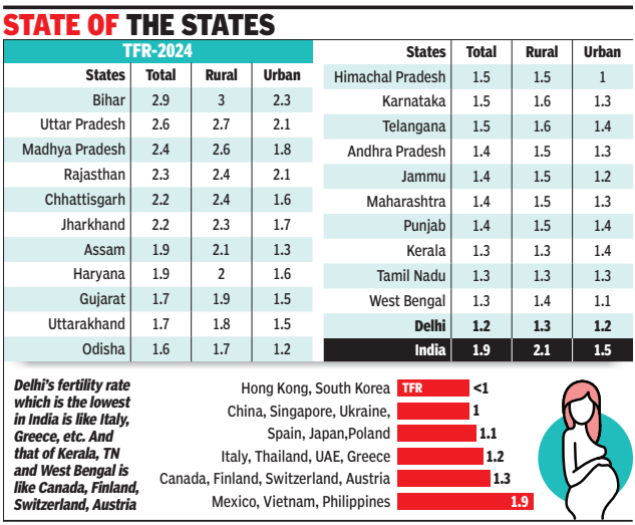
India’s total fertility rate (TFR), or the average number of children a woman has, has fallen further to 1.9 from 2.1, according to the latest Sample Registration System (SRS) report for 2024. Except for six states – Bihar, Uttar Pradesh, Madhya Pradesh, Rajasthan, Chhattisgarh and Jharkhand – the TFR in all other states has fallen below the replacement level. Delhi (1.2) is the lowest, followed by Kerala, Tamil Nadu and West Bengal where the TFR is 1.3.When the TFR is 2.1, it is called replacement level because a woman who has about 2.1 children in her lifetime will, on average, replace herself and her spouse. When fertility remains below this level over time, population growth slows and may eventually become negative, depending on the age profile of the population and the increase in life expectancy.A look at the percentage change over the decade before the report shows that Bihar has seen the lowest decline in TFR, with a mere 9.4% decline from a TFR of 3.2 in 2012-14 to 2.9 in 2022-24. Chhattisgarh and Assam are also two high-TFR states, which have seen a relatively smaller decline of 11.5% and 13%, respectively. Over the same period, Delhi and Tamil Nadu, which already had a very low TFR of 1.7, fell by 29.4% and 23.5% respectively. States where the average number of children born to a woman fell below replacement level more than a decade ago also have the lowest proportion of the 0-14 age group in their total population.

-

Working population is increasing despite decline in fertility In Tamil Nadu the 0-14 age group constitutes only 18% of the population whereas in Bihar it is 31.5%. In Andhra Pradesh, Jammu and Kashmir and Punjab this ratio is around 19%. Almost one in four people (24%) in India is in the 0-14 age group.India’s working age population (15–59 years) is still growing even in very low fertility states, indicating that the demographic window for India is not yet closed. The 15–60 age group constitutes 66.4% of India’s population (up from 64% in 2014) while the dependent population of 0–14 years is (24%) and the population above 60 years is less than 10%.However, this window is expected to close soon as the working age population peaks as can be seen in states like Tamil Nadu where the proportion of working age population has increased by barely 0.6 percentage points from 67.2% to 67.8% in the decade before this report.The proportion of people over 60 in India has increased from 8.6% to 9.7% and this has increased in all states. The state with the highest proportion is Kerala (15%) and the state with the largest jump in the proportion of 60+ population between 2014 and 2024 is Tamil Nadu – from 10.6% to 14.2%. Assam has the lowest proportion, at 7.6%.

-

“We can expect an acceleration in fertility decline and we still have high mortality rates, especially infant mortality, and our total mortality rate is also comparatively high. But we are far from reaching zero population growth or population stabilization because a very large population of young people is still in the reproductive age group. So despite the decline in fertility rates we will continue to see considerable growth because of this pace,” said fertility and population expert Professor Arokiasamy Periyanayagam.

Source link

In the midst of summer, influx of tourists causes severe traffic jam in Manali, vehicles crawl for hours. shimla news

Amidst the heat, influx of tourists causes huge traffic jam in Manali, vehicles crawl for hours

Manali: Amid the scorching heat hitting many parts of the country, a huge rush of tourists heading to the hill station of Himachal Pradesh Manali on Saturday night caused serious traffic problems, slowing down movement on major routes, leaving travelers stranded for hours.According to news agency ANI, the sudden weekend rush led to long traffic jams in and around the popular tourist destination, with vehicles moving till late night.Narrating his ordeal, a tourist stuck in the traffic jam said, “We have been stuck here for an hour. We are facing a lot of trouble, we are moving very slowly. The traffic should be controlled.”The heavy overcrowding caused considerable inconvenience to commuters, many of whom were seen stuck in long queues of vehicles as they attempted to reach or exit the hill town during peak tourist flow.

Source link

Iran rejects Trump’s ‘largely negotiated’ deal, claims control of Hormuz

Iran rejects Trump's 'largely negotiated' deal, claims control of Hormuz
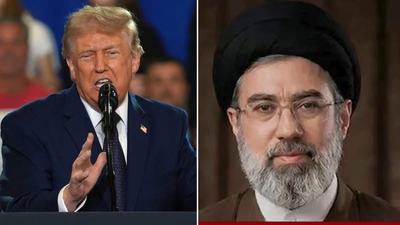
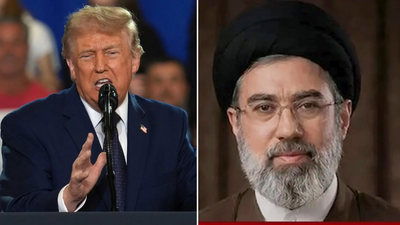
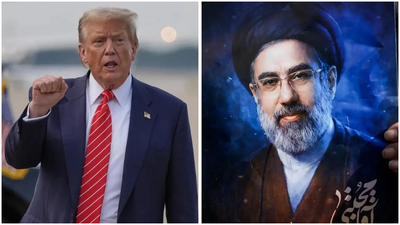
Donald Trump and Mojtaba Khamenei (R)

US President Donald Trump claimed on Sunday that the United States and Iran have “negotiated” a comprehensive deal that could reopen the Strait of Hormuz and potentially end the months-long conflict launched under “Operation Epic Fury”.However, Iran does not appear to be aligned with the MAGA supremo on the Hormuz question in what Trump is calling a “largely negotiated” agreement.“An agreement has been substantially negotiated and is subject to finalization between the United States, the Islamic Republic of Iran, and various other countries,” Trump wrote on Truth Social.The announcement signaled possible progress toward reducing tensions after months of military escalation in the region. However, Trump also told his aides and regional allies that he still reserved the option to resume military strikes if Iran fails to comply with the terms of the temporary agreement under discussion, The Wall Street Journal reported.However, Iran rejected Trump’s claims. The Strait of Hormuz will remain under Iranian control under the latest proposal exchanged between Tehran and Washington, state-affiliated Fars news agency reported.Iranian media also said the proposal was still awaiting final approval from the office of Supreme Leader Mojtaba Khamenei.According to CNN, the latest draft of the memorandum of understanding being negotiated would gradually reopen the Strait of Hormuz, ease the US blockade of Iranian ports and halt hostilities between the two countries.The proposed agreement would also trigger at least 30 days of further talks focused on unresolved issues related to Iran’s nuclear program, particularly Tehran’s stockpile of near-weapons-grade uranium.Trump said discussions were still ongoing and warned that parts of the agreement could still change.Prime Minister of Pakistan Shahbaz Sharif A post on Twitter praised Trump’s peace efforts, although he did not directly mention the agreement or the Strait of Hormuz.Instead, Sharif noted the “very useful and productive telephone calls” made by Trump with the leaders of the Gulf countries, Turkey, Egypt, Jordan and Pakistan, who were represented by Army Chief Asim Munir.“The discussion provided a useful opportunity to exchange views on the current regional situation and how to advance the ongoing peace efforts,” Sharif said.Fars News again rejected Trump’s comments on reopening the Strait of Hormuz, calling them “not true” and “inconsistent with reality.”“Although Iran has agreed to allow the number of ships passing to return to pre-war levels, this in no way means ‘free passage’ as it existed before the war,” the outlet reported.Trump later said that talks with regional leaders focused on a memorandum involving Iran and “peace”.According to CNN, regional leaders urged Trump to move forward on the proposed framework deal. A diplomat involved in the discussion described the talks as encouraging.“The call was very positive. Good progress is being made. Regional leaders were supportive of the progress and the success achieved by President Trump in the talks,” a regional diplomat told CNN.Trump also revealed that he spoke separately with the Israeli Prime Minister benjamin netanyahu.“The final aspects and details of the deal are currently under discussion and will be announced soon. In addition to many other elements of the agreement, the Strait of Hormuz will be opened,” he said.However, Israel remains cautious. According to an Israeli source cited by CNN, Tel Aviv is concerned that any interim agreement could reopen the Strait of Hormuz and ease sanctions on Iran without fully addressing Tehran’s nuclear program and enriched uranium reserves.The US has reportedly assured Israel that the uranium issue will remain a priority in the talks.Netanyahu is expected to hold a high-level security meeting with ministers and intelligence officials to discuss the latest developments.Earlier, in an interview with Axios, Trump had described the chances of securing a deal with Iran as “solid 50/50” ahead of his talks with Gulf and regional leaders. He warned that negotiations could either lead to a “good” deal or the US could “force them to come to the States.”Officials from both the US and Iran indicated they may now be close to a temporary framework agreement after mediators from Qatar and Pakistan met in Tehran on Saturday. A regional source told CNN that the two sides are moving toward a broad future agreement.

Source link

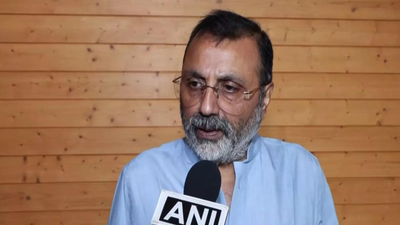
Social media is making children addicted like drugs: Nishikant Dubey. india news

Social media is making children addicted like drugs: Nishikant Dubey

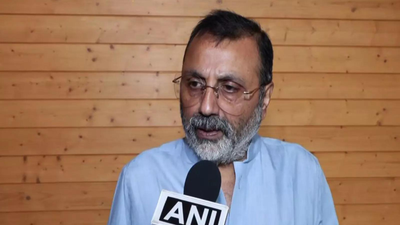
in conversation with TOI’s Manas Gohain BJP MP and Chairman of the Parliamentary Standing Committee on Communications and Information Technology, Nishikant Dubey Speaks on digital addiction, AI risks, fake news, cyber fraud, exam stress, online gaming, deepfakes and why India may need stronger digital guardrails for children and youth. Part:your committee has spoken KYC Verification, age restrictions and AI regulation. Why did the committee find these recommendations necessary?As we traveled across constituencies and talked to people, one thing became crystal clear – uncontrolled digital exposure is becoming dangerous, especially for children and teens. See online gaming. Children were secretly using parents’ bank accounts, losing large sums of money, and in some cases families were pushed to extreme distress and even suicidal situations. AI-generated advertising and manipulative digital content are making these platforms even more addictive and difficult to regulate. At the same time, Indian laws were made in a completely different era. When the Press Council Act or the cable TV laws were made, no one had imagined today’s digital ecosystem, where anyone can run a YouTube channel, Facebook channel or digital platform without any accountability. A newspaper faces restrictions in print, but the same content online often escapes institutional oversight. The committee felt that there should be a line somewhere. Countries around the world – including Australia, Singapore and parts of Europe – are already discussing or implementing age-based restrictions for children online. Another concern was how AI is beginning to blur the line between fact and fiction. I personally experienced a situation where fake content generated through digital platforms got mixed into a genuine discussion and the credibility of the entire conversation was compromised. Today, even the courts are facing concerns over AI-generated fake references and fabricated judgments. The Chief Justice of India himself has repeatedly warned about blind reliance on AI tools in legal work. Therefore, when it comes to children and students, the concern naturally becomes even greater. India’s biggest strength is its young population. If future generations turn away from reading, research and critical thinking, it will ultimately affect innovation, productivity and the long-term development ambitions of the country. You used a wonderful comparison – social media is like a drug. why do you say that?Because it works like an addiction. Social media provides a constant psychological “kick.” After some time, children lose interest in studies, books, research and even general human interaction. I’m not saying that kids should be completely cut off from technology. Phones are useful in libraries, online classes and learning. But social media is a different issue. Today, detox classes are being organized globally, in which people are being taught how to stay away from phones. This problem is no longer limited to children only – even adults and elderly people have become victims of its addiction. Just as countries impose age restrictions on alcohol or clubs, the world is beginning to realize that unrestricted social media exposure can also have serious consequences for minors. There is now growing concern around the world about screen dependence, decreasing attention span and digital fatigue. Is artificial intelligence making misinformation and fake news worse?Absolutely. AI is making fake content frighteningly credible. Recently, courts also faced situations where fake AI-generated legal references appeared in filings. Deepfakes can destroy reputations overnight. Fake screenshots, fake newspaper clippings and fake videos spread faster than the truth. The danger is not just political misinformation. It impacts students, women, financial systems and public trust. Our parliamentary committee had also recommended stronger safeguards, AI literacy and structured regulation as India cannot leave these issues wide open. The problem is that technology is advancing much faster than social awareness and legal safeguards. That gap is becoming dangerous. Are you worried that AI tools may undermine students’ learning habits?Yes. Earlier, students and researchers had to spend time reading books, verifying facts and studying subjects in depth. Many people now rely on AI tools for instant answers. The concern is not only about technology. The concern is whether future generations will stop developing critical thinking, research habits and patience. You cannot build a knowledge economy on shortcuts alone. Students still need curiosity, discipline, and the ability to analyze information independently. India’s demographic dividend can become India’s greatest strength, but only if you people remain productive, efficient and mentally focused. Students today are facing immense stress due to fake paper leaks and rumors Telegram And social media. How serious is it?Very serious. Many fake question papers are circulated several weeks before the examinations. Students panic, families owe money, stress levels rise – and often the papers are fake. It has become an organized ecosystem. Social media rumors can make millions of students psychologically destabilized in a matter of hours. We have seen how fake answer keys, manipulated screenshots and fabricated leaked claims spread rapidly during competitive exams. Even when papers are not leaked, rumors still create fear and anxiety among students. Therefore, PM Narendra Modi’s initiative to discuss the exam is important. Students should learn not to fall into the rumor trap or digital panic cycle. The bigger challenge is that fake information spreads much faster than official explanations. This creates emotional pressure on the students. Which class is most vulnerable to the dark side of social media?Women, children and economically vulnerable users are among the biggest victims. Fake videos, morphing, blackmail, pornography and cyber harassment can destroy lives. A fake clip that goes viral for a few hours can permanently damage one’s reputation and mental health. Children are also exposed to disturbing material very quickly. Without safety measures, the psychological impact can be severe. That’s why digital security can no longer be considered just a technical issue – it’s also a social and mental health issue. The most harmful effects of unregulated digital platforms are often seen among those who are least equipped to protect themselves. Your committee also laid emphasis on KYC verification. Is it related to cyber security?Yes. India is witnessing large-scale cyber fraud through mule accounts and fake digital identities. Misappropriation worth thousands of crores is taking place. Technology is advancing rapidly, but security measures are not keeping pace. Previously, opening a bank account involved community verification and accountability. Today, it has become extremely easy to remain anonymous online. We are not against technology. We’re asking: How can we make technology safer for society? If stronger verification systems are not introduced, cyber fraud, financial scams and identity misuse will continue to increase. Do existing laws adequately protect citizens online?There are serious flaws. Social media has evolved much faster than legal systems. Stronger legal accountability may ultimately be necessary in cases involving fake news, cyber fraud, child safety threats and national security concerns. Without prevention and fear of punishment, organized digital abuse will continue to grow. There is also debate on whether some legal provisions that have been weakened by court decisions need to be revisited in the context of new-age digital threats. The challenge is to maintain a balance between freedom of expression and safety of citizens. What should schools do immediately?Digital literacy and AI literacy must start much earlier. The parliamentary committee had recommended AI education from KG to PG. Children must learn:

  • How does fake news spread?
  • How algorithms gain attention,
  • Cyber ​​security,
  • Responsible AI use,
  • digital discipline, and
  • Mental health awareness is linked to screen addiction.

Technology is like nuclear energy. It can cure cancer or destroy cities. Social media and AI are similar – they can empower or harm society. The challenge is of balance. The focus should not just be on restricting technology, but also on teaching children to use it responsibly. Do you expect India to bring in stronger social media rules soon?Continuous discussions are taking place with ministries, states, forums and stakeholders. The government is actively investigating concerns over child safety, AI-induced harm and misinformation. But I don’t believe in mere restrictions or prohibitions. The real goal should be controlled, responsible and safe use of technology. The benefits of AI and social media are immense. But where the negative impact is greatest – on children, students, women and vulnerable groups – societies and governments must step up with safeguards. The objective should be to balance: encouraging innovation and digital growth while protecting society from addiction, manipulation, fraud and psychological harm.

Source link

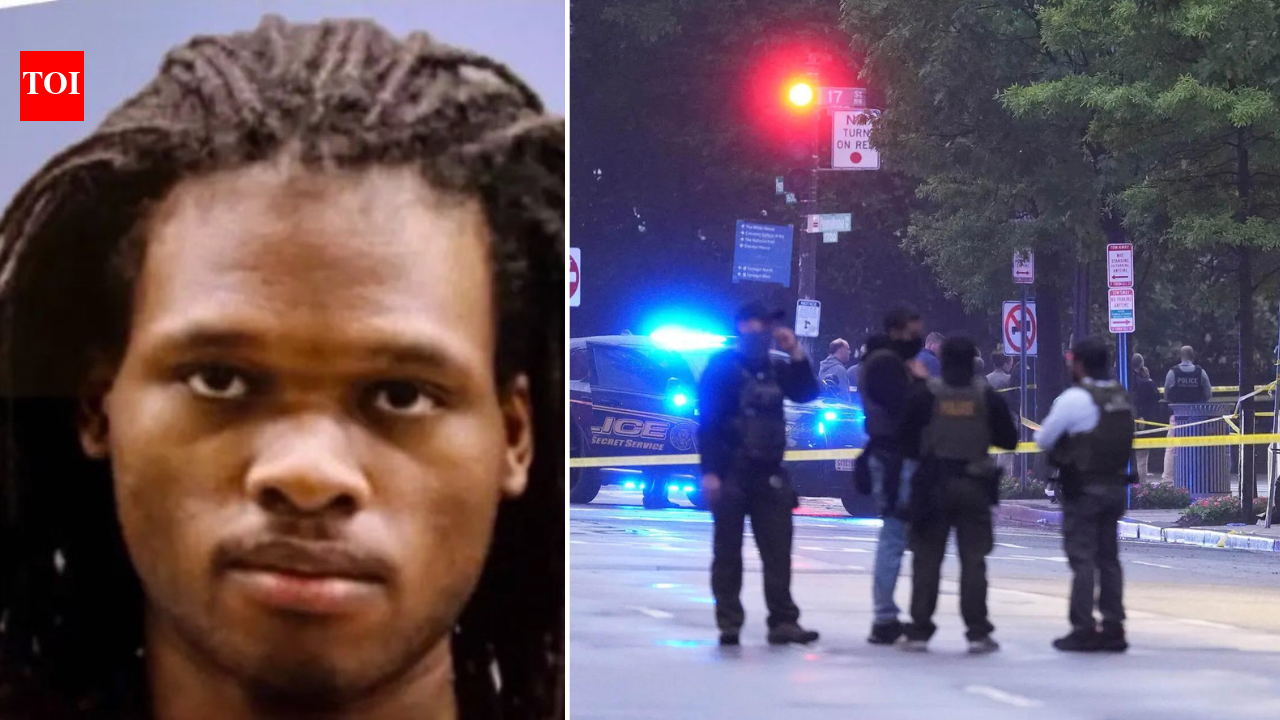
White House shooting: 21-year-old Naseer Best, who claimed to be Jesus Christ, was shot dead

White House shooting: 21-year-old Naseer Best, who claimed to be Jesus Christ, was shot dead

A gunman who reportedly believed he was Jesus Christ was identified as the suspect in the shooting outside the White House and was later killed by US Secret Service personnel during a shootout near the presidential compound on Saturday evening.Nasir Best, 21, reportedly opened fire at a security checkpoint outside the White House, sparking panic in the area and a massive federal security response. According to the New York Post, Best was seen walking suspiciously near 17th Street Northwest, after which he pulled out a revolver and fired several rounds at officers stationed near the checkpoint.Secret Service personnel immediately responded, killing the suspect at the scene. At least one spectator was seriously injured during the exchange, according to sources cited by The New York Post and CBS News. There are no reports of any Secret Service personnel being injured.The shooting occurred while US President Donald Trump was inside the White House amid ongoing diplomatic discussions related to a proposed peace framework involving Iran and several Middle Eastern countries.

Previous Encounters with the Secret Service

According to preliminary information, investigators believe Best was a mentally disturbed individual who had previous encounters with law enforcement and federal security agencies. Sources said he was already known to frequent Secret Service-restricted White House entry points and had allegedly violated an earlier court order directing him to stay away from the area.Read this also Firing reported near White House during Donald Trump’s Iran talksCourt records from the earlier incident reportedly revealed that Best had made strange statements while being detained by officers.“[Best] Claimed he was Jesus Christ and wanted to be arrested,” court records state.Best was previously involuntarily committed in June 2025 after obstructing vehicular traffic near 15th Street and E Street Northwest, authorities said. After claiming he was ‘God’, he was reportedly detained by the Secret Service and sent to a Washington psychiatric institution for mental evaluation, CNN reports. In July 2025, Best was arrested again after attempting to enter a White House complex driveway by bypassing a restricted pedestrian control point through an exit turnstile lane. After the incident, a judge reportedly ordered him to stay off the White House grounds.Investigators also reportedly found several disturbing social media posts related to Best during an earlier investigation. According to sources, he reportedly claimed online that he was the ‘real’ Osama bin Laden.However, law enforcement sources said officers had never seen Best behave violently or carry a weapon before Saturday’s shooting.

FBI started investigation

The FBI later confirmed that federal agencies had launched a joint investigation into the shooting.“The FBI is on scene and supporting the Secret Service in response to the shooting near the White House grounds – we will keep the public informed,” FBI Director Kash Patel posted on Twitter.

Panic and lockdown in the White House

The sound of gunshots created panic among the journalists stationed near the White House. ABC News correspondent Selina Wang said journalists were forced to run for cover after hearing ‘dozens of gunshots’.Wang wrote onMembers of the White House press corps were rushed into the briefing room as Secret Service agents yelled ‘get down’ and warned of ‘fire’. Reporters, photographers and producers were ordered to shelter in place, while armed Secret Service personnel guarded the north lawn area.The White House complex remained in lockdown for about 40 minutes before the restrictions were lifted shortly after 6:45 pm ET.

Trump was in the Oval Office during the shooting

The firing came less than two hours after President Donald Trump posted on Truth Social that he was inside the Oval Office working on a potential peace deal involving Iran, Israel and several Middle Eastern countries.In his post, Trump said that there have been discussions regarding a ‘memorandum of understanding related to peace’ with the leaders of Saudi Arabia, United Arab Emirates, Qatar, Pakistan, Turkey, Egypt, Jordan and Bahrain.Trump canceled a planned weekend trip to his golf club in New Jersey and remained in Washington during the talks.Saturday’s incident is the latest in a series of violent security concerns surrounding Trump and the White House in recent months.The shooting occurred less than a month after another armed suspect reportedly opened fire near the White House correspondents’ dinner, when Trump was in attendance.

Source link