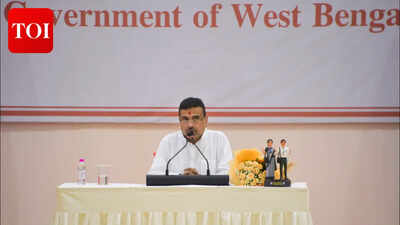
7 died in rain-related incidents in West Bengal, Chief Minister Suvendu Adhikari announced compensation. kolkata news

7 people died in rain-related incidents in West Bengal, Chief Minister Suvendu Adhikari announced compensation.
West Bengal Chief Minister Suvendu Adhikari

Kolkata: Chief Minister Suvendu Adhikari said seven people lost their lives in rain-related incidents in six districts of West Bengal on Friday.The Chief Minister announced that the state government will give a compensation of Rs 4 lakh each to the kin of each deceased.“Seven deaths have been reported due to rain-related incidents including house collapse, lightning and lightning,” the official said at the state secretariat.The deaths were reported from South 24 Parganas, North 24 Parganas, Howrah, Hooghly, West Medinipur and Purulia.Officials said detailed information regarding the incidents is awaited.

Source link

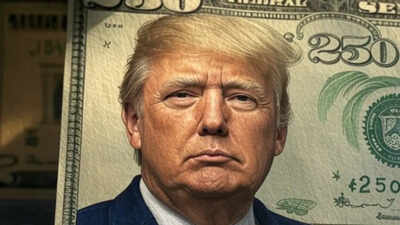
Trump $250 bill: A note of discord: America is divided over the proposed Donald Trump $250 bill

A note of discord: America is divided over Donald Trump's proposed $250 bill
A note of discord: America divided over proposed Trump $250 bill

TOI correspondent from Washington: America, a republic that was founded in rebellion against monarchy and was once a little shy about personality cults, is now considering celebrating its 250th birthday by putting Donald Trump’s face on a new $250 bill — a value so strangely specific that it seems less like legal tender and more like a minimum spending requirement at a casino.The proposal, once dismissed as Internet satire, turned into reality this week when Treasury Secretary Scott Besant confirmed that the administration has already prepared designs for the bill “if Congress approves it.” Critics who assumed the story was a parody need to check whether the Treasury Department has opened a spoof division.“We’ve got the bill done,” Besant said with a smile at a White House briefing on Thursday, before adding that Treasury was only “making preparations” and that Congress would eventually decide whether the United States should begin circulating a note bearing the likeness of a living president.The “Donald J. Trump $250 Bill Act” proposed by South Carolina Congressman Joe Wilson would be an exception to an 1866 federal law that prevents living people from appearing on U.S. currency.According to the leaked memo, the design – by British “royal portrait artist” Ian Alexander – features Trump’s trademark campaign trail glower, surrounded by the colors of the American flag and his own ECG-like Sharpie signature.While the bill is expected to pass through the Republican-controlled House, it may face obstacles in the Senate, where the GOP is 53 seats short of the 60 votes needed to break the Democratic filibuster.But in the MAGA world, reality has never been a prerequisite for the launch of a product, so bill or no bill, the currency, if not a legitimate currency at all, will take on a life.Trump’s critics immediately embraced this proposal as the most Trumpian thing ever proposed, a personalized birthday party for America complete with guest of honor cake, fireworks, marching band and commemorative merchandise.Within hours, memes began appearing depicting the bill being accepted only at Mar-a-Lago check-ins, cryptocurrency conferences, and civil fraud settlements.Social media, never a sanctuary of restraint, descended into full creative combustion, with one troll suggesting the bill would become “expensive toilet paper” and another mocking that the denomination meant nothing because “nobody in America has exactly $250 except people who pay parking tickets in Manhattan.”The denomination itself has baffled economists and currency experts. The US once printed $500, $1,000, and even $10,000 bills for interbank transfers, before electronic systems made them obsolete.But $250 occupies a strange psychological territory — too big for ordinary transactions, too small for oligarchs, and suspiciously close to the average cost of brunch at a tony Georgetown restaurant.Currency historians also struggled to identify globally comparable odd-numbered notes.Some countries have issued unconventional denominations during periods of hyperinflation or currency transition – Zimbabwe famously produced trillion-dollar notes – but the proposed Trump bill appears to be less an economic instrument than a commemorative refrigerator magnet that accidentally became legal tender.However, the proposal fits into increasingly unrealistic preparations for “USA250,” a nationwide celebration of America’s centennial next year. If you walk through the National Mall today, you won’t see quiet tourists contemplating the delicate experiment of democracy.Instead, cranes are actively assembling a giant steel cage on the South Lawn of the White House for “UFC Freedom 250,” a mixed-martial-arts extravaganza scheduled to take place on June 14 — which is Flag Day, and, completely coincidentally, Trump’s 80th birthday. Nearby, the Lincoln Memorial Reflecting Pool is currently drained, with bulldozers trying to remove decades of green sludge before the MAGA party begins.However, the official USA250 stage concerts have run into a brick wall of progressive Hollywood solidarity, with the entertainment community, overwhelmingly left-liberal, boycotting most of the official Washington festivities.Instead, a slim list of rookie entertainers will entertain the mostly MAGA crowd expected to descend on the capital. Clearly, as July 4th approaches, the United States is divided: one half is preparing to celebrate 250 years of the constitutional republic, and the other half is trying to figure out how to replace the $250 bill.

Source link

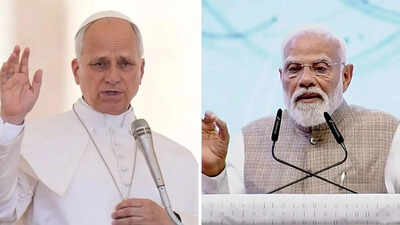
Pope Leo XIV and PM Modi give same message on AI: Ethics before efficiency india news

Pope Leo XIV and PM Modi give same message on AI: Ethics before efficiency

New Delhi: Pope Leo XIV’s first major ethical reflection on Artificial Intelligence appears to echo Prime Minister Narendra Modi’s repeated calls for human-centred, ethical and inclusive AI governance, with both leaders warning that the technology should serve people rather than be limited to data, profit or power.in their encyclopedia Magnifica Humanitas: On the Security of the Human Person in the Time of Artificial IntelligencePope leo XIV presents AI as one of the defining ethical questions of the era. The document places human dignity, truth, justice, freedom, action and peace at the center of the AI ​​debate.Even before the Pope, PM ModiIn speeches at global forums including the GPAI Summit, the AI ​​Action Summit in Paris and the India AI Impact Summit 2026, a similar argument was made: AI must remain trusted, safe, inclusive and directed towards public welfare rather than pure commercial or geopolitical competition.The strongest point of convergence is the idea that AI should remain focused on the human person rather than the machine.Pope Leo XIV writes, “In the age of artificial intelligence, when human dignity is threatened by new forms of dehumanization, we have a duty to remain deeply human.”PM Modi had used almost identical framing in a policy context, saying, “Technology exists to serve humanity, not to replace it.”At the India AI Impact Summit 2026, PM Modi described the central challenge as “how to make AI human-centric rather than machine-centric, sensitive and responsible rather than reckless.” The Pope’s warning that no machine can replace “the greatness of humanity” echoes PM Modi’s insistence that technology should enhance, and never eliminate, human judgment and responsibility.The Vatican document repeatedly warns against a “culture of power” driving the AI ​​race, particularly through the concentration of data, computation and technological influence in the hands of a few corporations and states.Pope Leo XIV argues that “technology is never neutral” because it reflects the values ​​and intentions of those who create, finance, and regulate it. He also rejected the idea that ethics could remain a voluntary corporate principle without legal accountability.The Pope writes, “It is not enough to invoke morality in the abstract; what is needed is strong legal frameworks, independent oversight, informed users, and a political system that does not shy away from its responsibility.” He added: “A more ethical AI is not enough if morality is determined by a few people.”PM Modi had similarly argued that AI governance cannot be left to markets or technology companies alone.“Ethics in AI cannot be optional or limited. Benefits must be aligned with purpose,” he said at the India AI Impact Summit 2026.The convergence is particularly visible in how both leaders define the purpose of the technology.Pope Leo XIV writes that technology can “heal, connect, educate and protect our common home,” but warns that it can also “divide, exclude and generate new forms of injustice.”PM Modi has repeatedly referred to the Indian civilizational phrase ‘Sarvajan Hitaya, Sarvajan Sukhaay’ and said that the ultimate goal of technology should be “welfare of all, happiness of all”.For both, AI is not just an efficiency tool or a race for technological supremacy. Its validity depends on whether it improves health, education, agriculture, public services, climate action and last-mile welfare delivery.Equity and access is another major area of ​​overlap.The Pope warned that when technological goods remain concentrated “in the hands of a few”, new imbalances arise, especially for poor societies and vulnerable populations.PM Modi had given a parallel argument from the perspective of the Global South. Speaking at the GPAI summit in 2023, he warned that unequal access to technology has deepened inequalities over the past century and said humanity must avoid repeating that mistake with AI.“Governance also means ensuring access for all, especially in the Global South,” PM Modi said at the Paris AI Action Summit in 2025.He also called for a global partnership on AI to be more inclusive of developing countries and their priorities.The two leaders also agree on the dangers of dehumanization and reducing humans to algorithmic categories.Pope Leo XIV has cautioned against “the pretense that a single language, even a digital language, can translate into data and display everything, including the mystery of the individual.”PM Modi warned in exactly the same formulation that “AI should not reduce humans to mere data points or raw materials.”While the terminologies are different – ​​metaphysical on the one hand, evolutionary on the other – both reject the same reductionist logic: human identity can be completely quantified, optimized or controlled by machine systems.Both leaders also see risks in implicit bias and exclusion within AI systems that present themselves as objective.Pope warned that AI could reinforce “the stereotypes or ideological biases of its designers and developers” while hiding behind a “veil of neutrality”.PM Modi similarly argued for “quality data sets free from biases”, warning that in a deeply diverse society like India, AI bias can emerge through language, culture, region, gender and socio-economic realities.At the Paris AI Action Summit, they used a simple example to illustrate the problem: If asked to picture someone writing with the left hand, an AI system would likely picture a right-handed person because that’s what the dominant training data shows.The future of work is another point of overlap.The encyclopedia acknowledged widespread concerns over automation, unemployment and de-skilling, warning that job losses are not just an economic problem, but also affecting dignity, families and social fabric.Pope Leo XIV argues that every expansion of automation must be accompanied by protections for employment, retraining, and worker participation.PM Modi had taken a more transition-focused approach, but reached a similar conclusion: “Job loss is the most dangerous disruption of AI. But, history has shown that work does not disappear because of technology. Its nature changes and new types of jobs are created.”He has repeatedly argued that preparation, skill, and human-AI collaboration are the best safeguards against disruption.The convergence ultimately points to a broader global argument: AI governance cannot be left to a handful of companies or powerful states acting alone.Pope Leo XIV called for “shared responsibility and courage” to ensure that technology serves humanity rather than domination or exclusion.PM Modi advocated a global compact on AI based on human oversight, security-by-design, transparency and safeguards against deepfakes, terrorism and criminal abuse.Their proposed MANAV framework – ethical and moral systems, accountable governance, national sovereignty, accessible and inclusive, and legitimate and legitimate AI – translates these principles into the Indian policy idiom.The Pope’s framework emerges from Catholic social teaching rooted in human dignity, solidarity, labor rights and the common good. PM Modi’s framework is inspired by democratic governance, developmental priorities and the civilizational ethos of India.Yet both interventions emerged from the same underlying concern: that artificial intelligence might outgrow the ethical and institutional frameworks needed to control it.Together, both approaches suggest the emergence of a broad global consensus: AI should not become a means of domination, exclusion, or dehumanization. It must remain accountable to the human person.

Source link

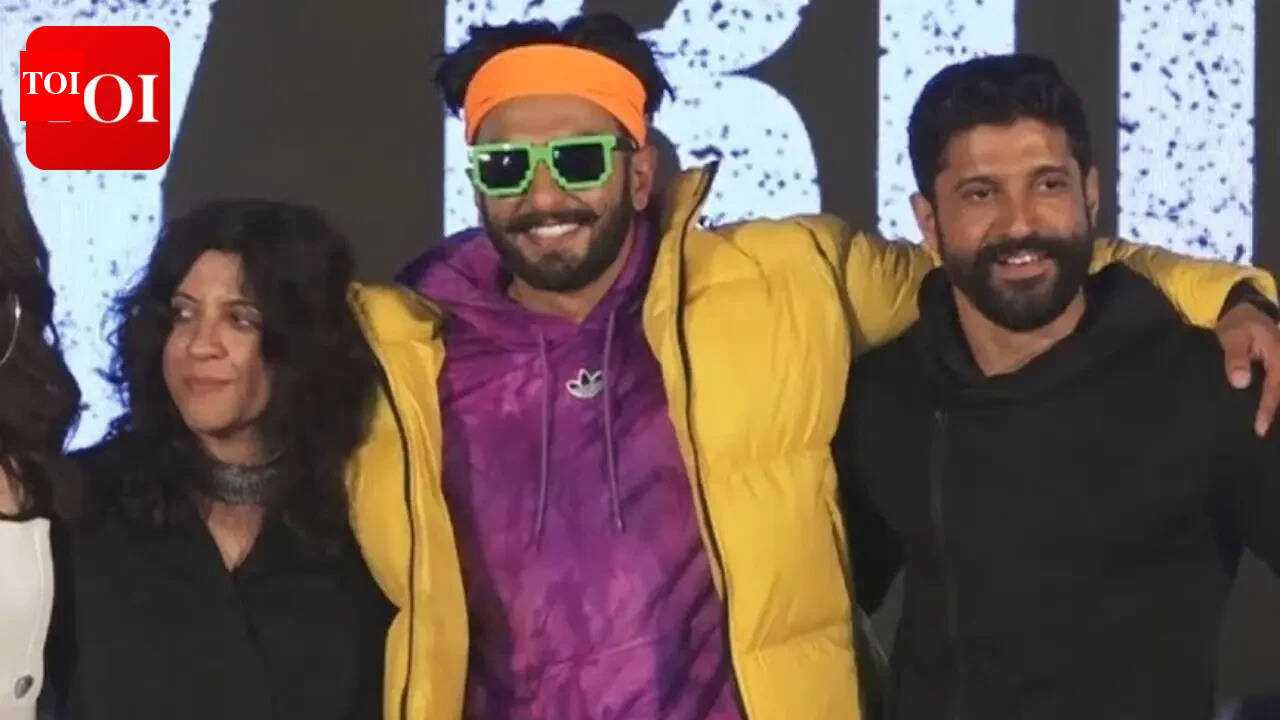
After Don 3 failure, Ranveer Singh tried to compromise but ‘neither Farhan Akhtar nor Zoya Akhtar want to work with him again’: Report | hindi movie news

After Don 3 failure, Ranveer Singh tried to compromise but 'neither Farhan Akhtar nor Zoya Akhtar want to work with him again': Report

Alleged differences between film producers Farhan Akhtar and actor Ranveer Singh The controversy has reportedly escalated further after Don 3’s exit from Don 3.According to an insider close to the matter, Ranveer Singh reportedly attempted to defuse the tension by offering to collaborate with Farhan Akhtar or his sister in another film. zoya akhtar. However, the insider claimed the offer was immediately rejected.“The offer was made to both Farhan and his production partner Ritesh Sidhwani, but it was immediately turned down,” the insider told ABP Live.

Ranveer reportedly offered another collaboration

The insider further revealed that Ranveer was willing to take up a mutually selected project in an effort to improve professional relations.The insider said, “Ranveer offered to do another film, which Farhan and Ranveer mutually chose. Ranveer also offered to do a film with Farhan’s sister Zoya Akhtar, with whom he has previously made Gully Boy.”However, according to the same insider, the situation has reportedly deteriorated to such an extent that neither Farhan nor Zoya are interested in working with Ranveer again.“Neither Farhan nor Zoya want to work with Ranveer again,” the insider alleged.

Salman Khan reportedly stepped in to mediate

Amidst the rising tension, Salman Khan has reportedly come forward to mediate between the two parties.According to a report in Bollywood Hungama, Salman personally contacted both sides in an attempt to defuse the situation and encourage a peaceful resolution.An industry insider was quoted as saying, “Salman Khan is fond of Ranveer Singh and Akhtar is equally fond of him. He took calls of both the stakeholders and asked them to resolve their issues without harming the future of their respective projects.”The insider further claimed that Salman spoke to both the parties separately to better understand their viewpoint.“He explained to Farhan that creative differences have been a common thing in the industry for decades and he also had a long conversation with Ranveer, understanding his stand. He is playing the role of Cupid to ensure that no one feels harmed.”The report further states that both Ranveer Singh and Farhan Akhtar are taking Salman Khan’s advice seriously and are trying to find an amicable solution before the matter goes any further.

Farhan and Riteish reportedly want to engage in direct talks

Despite alleged mediation efforts, insiders claimed that Farhan Akhtar and producer Ritesh Sidhwani are unwilling to move forward with any settlement discussions unless they are personally involved.A person with knowledge of the matter revealed, “Last time, when Aamir Khan held a meeting at his residence to resolve the issue, Ranveer had insisted that Farhan and Riteish not be present at the meeting. Any future settlement attempt will be acceptable to Farhan and Riteish only if they are present.”

Ranveer’s exit from Don 3 caused financial loss

According to reports, Ranveer Singh walked out of Don 3 just weeks before the shooting of the film was to begin, reportedly causing a major financial blow to the makers. The report estimates the loss to be close to Rs 45 crore.The actor has also reportedly faced a “shadow ban” from the Federation of Western India Cine Employees (FWICE) after he failed to respond to multiple notices issued following a complaint filed by Farhan Akhtar with the trade union last month.

Source link

‘When I see desi…’: Hotmail CEO Sabeer Bhatia reacts to Indians performing Garba at Vietnam airport

'When I see desi...': Hotmail CEO Sabeer Bhatia reacts to Indians performing Garba at Vietnam airport

Hotmail co-founder Sabir Bhatia reacted to the viral video that shows a group of Indian tourists doing ‘garba’ at an airport in Vietnam. He said culture is more about behavior than public display.Viral videos circulated on Instagram, Reddit, X and other social media platforms showed several Indian passengers dancing in a circle near a parked Vietjet Air plane. It appears that the Garba performance took place either shortly before boarding the plane or after the passengers disembarked. Some social media users described the moment as a joyous celebration of Indian culture abroad, but others criticized the group for dancing in a restricted airport operational area.Reacting to the clip, Bhatia posted onOne user replied to Bhatia saying, “Garba is India’s cultural heritage which goes viral across the world.”Bhatia also hit back, saying, “Suddenly…in a shared space…for the journey. You need to upgrade your thinking…”Airport tarmacs are considered sensitive operational areas where passenger movement is usually strictly controlled due to safety and security protocols. In the viral clip, some passengers can be seen stopping to watch the dance, while others continue passing through the area next to the plane.Many online users argued that performing Garba near the aircraft was inappropriate and has a bad effect on Indian tourists abroad. Many said that such incidents promote negative stereotypes about Indians traveling abroad. Others defended the group, saying that the dance was harmless and represented a joyful celebration of Indian culture in another country.Sabeer Bhatia is an Indian-American entrepreneur best known for co-founding Hotmail in 1996, one of the world’s first free web-based email services. In recent years, he has also co-founded Showreel, a platform that later evolved into an AI-based entrepreneurship course.

Source link

CBSE OSM controversy: Flaws detected in 20 answer sheets; Over 13,000 copies were manually evaluated, the report said India News

CBSE OSM controversy: Flaws detected in 20 answer sheets; More than 13,000 copies were manually evaluated, the report said

New Delhi: The Central Board of Secondary Education (CBSE) detected around 20 cases of manipulation in answer sheets during the first-time implementation of its on-screen marking (OSM) system this year, while over 13,000 answer sheets ultimately had to be evaluated manually due to scanning quality issues, government sources told PTI on Friday.The matter came to light when students looked at the scanned copies of their answer sheets uploaded on the CBSE portal and found that some were not theirs.“There was a case of Vedant. Vedant got the answer sheet and was horrified to see that it was not his answer sheet. There was a glitch in the scanning. There was also a girl named Sanjana there,” sources told PTI.Class 12 student Vedant had earlier gone viral on social media alleging that the Physics answer sheet uploaded by CBSE during the revaluation process was not his. Many other students, including Sanjana, also reported similar issues online.CBSE later contacted the students and shared the correct answer sheets. The board said that matters related to mismatched answer sheets and other concerns in the revaluation process are being handled on “top priority”.“In some cases, there were irregularities in scanning. There are around 20 such cases. This was pointed out by the students after seeing their answer sheets,” sources said.According to sources, more than 98 lakh answer sheets comprising about 40 crore pages were scanned under the OSM system.“Out of these 98 lakh answer sheets, around 68,000 were found to have quality issues during scanning and were re-scanned. Ultimately, a little over 13,000 copies did not achieve the required legibility quality even after re-scanning,” sources told PTI.The controversy over the digital assessment system has forced CBSE to postpone the opening of its Class 12 result post-verification and revaluation portal from May 29 to June 1.In a post on X, CBSE said the portal is being strengthened to ensure a “transparent, smooth and error-free process” for students applying for verification of marks, photocopies of answer sheets and revaluation services.A CBSE official said the website infrastructure is still being upgraded to avoid disruptions during the application process after many students reported technical glitches while accessing the post-result services.Students and parents had raised issues ranging from difficulty in accessing scanned copies of evaluated answer sheets to payment gateway failures and incorrect fee display on the portal.Concerns intensified after questions were raised over CBSE’s new OSM system introduced for Class 12 evaluation this year. Union Education Minister Dharmendra Pradhan recently acknowledged anomalies in the digital assessment system and assured students that corrective measures will be taken.The Board has advised students not to panic and use the official support channels for assistance regarding verification and revaluation services.CBSE expects huge traffic on the portal, lakhs of students can apply for post-result services. Reports suggest that more than four lakh applications for scanned copies of answer sheets had already been received.Officials defended the rollout of OSM, saying the technology-driven assessment improves transparency and allows answer sheets to be shared with students digitally.“Technology is the future. From next year, answer sheets will also be available in DigiLocker along with marksheets,” sources said.“From next year, all the answer sheets will be sent together on DigiLocker. Technology gives you a certain kind of transparency, which is not possible otherwise,” he said.“Whenever you do something for the first time, there are challenges,” sources said.Sources further said that Koempt and Tata Consultancy Services (TCS) had technically qualified in the final round of bidding for the project, with Koempt emerging as the lowest bidder.“When the financial bids were opened, Coempt had bid around Rs 24.75 per answer sheet including taxes, while TCS had bid around Rs 65-66 without taxes,” sources said.The contract has come under political scrutiny after Congress leader Rahul Gandhi alleged that Koempt, earlier known as Globarena, had a controversial past in Telangana. He has demanded an independent judicial investigation and SIT investigation into this matter.

Source link

Vaibhav Suryavanshi achieves never-before-seen IPL feat in Qualifier 2 vs GT cricket news

Vaibhav Suryavanshi achieves never-seen-before IPL feat in Qualifier 2 vs GT
Vaibhav Suryavanshi of Rajasthan Royals (AP Photo)

Vaibhav Suryavanshi’s incredible IPL 2026 campaign hit another historic milestone on Friday Rajasthan Royals Kishore became the first uncapped player to score 700 runs in an IPL season. The record-breaking feat came during Rajasthan Royals’ high-pressure Qualifier 2 clash against Gujarat Titans, further cementing Suryavanshi’s place in IPL folklore. The youngster is already rewriting the record books at an astonishing pace. Earlier in the same game, Suryavanshi also became the first player in T20 history to score 500 runs in the powerplay during a tournament, highlighting his unprecedented dominance in the first six overs. By the time Qualifier 2 came, Suryavanshi was already in terrible form. In the last game, he scored a blistering 97 runs off just 29 balls and missed out on scoring the fastest century in IPL history. He also went ahead during that innings chris gayleThe number of 59 sixes is the record for the most number of sixes ever hit in an IPL season. Against Gujarat Titans, Rajasthan Royals were once again under early pressure despite winning the toss and electing to bat first. Yashasvi Jaiswal He was out after scoring just one run in the initial over, while in the second over, Dhruv Jurel was also out due to the early dismissal of Mohammad Siraj and Kagiso Rabada. The double blow showed how much RR had relied on their top order throughout the tournament. Amidst the fear of collapse of the innings, the responsibility once again fell on Suryavanshi. Interestingly, Rajasthan Royals promoted Jadeja to No. 4 and the move worked brilliantly as he joined Suryavanshi to steady the innings. Despite early wickets, RR crossed the 70-run mark inside the powerplay.Highest scoring IPL seasons by uncapped players:

  • grandeur Suryavanshi- 700 runs (2026, Rajasthan Royals)
  • Yashasvi Jaiswal- 625 runs (2023, Rajasthan Royals)
  • Shaun Marsh – 616 runs (2008, Punjab Kings)
  • Riyan Parag- 573 runs (2024, Rajasthan Royals)
  • Prabhsimran Singh- 517 runs (2025, Punjab Kings)

The historic season now sees Suryavanshi sitting alone at the top of the list of highest-scoring IPL campaigns by uncapped players. His 700-run season has overtaken Yashasvi Jaiswal’s 625-run campaign of 2023 and Shaun Marsh’s iconic 616-run season in the 2008 inaugural edition.

Source link

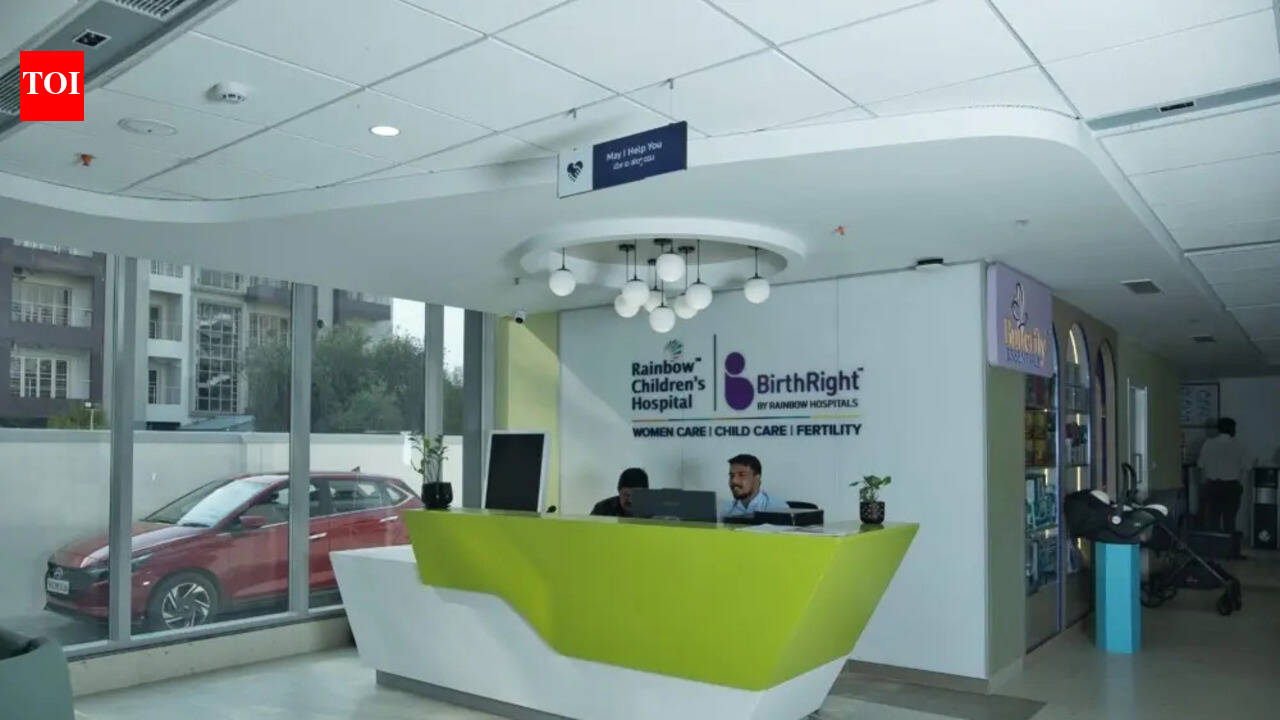
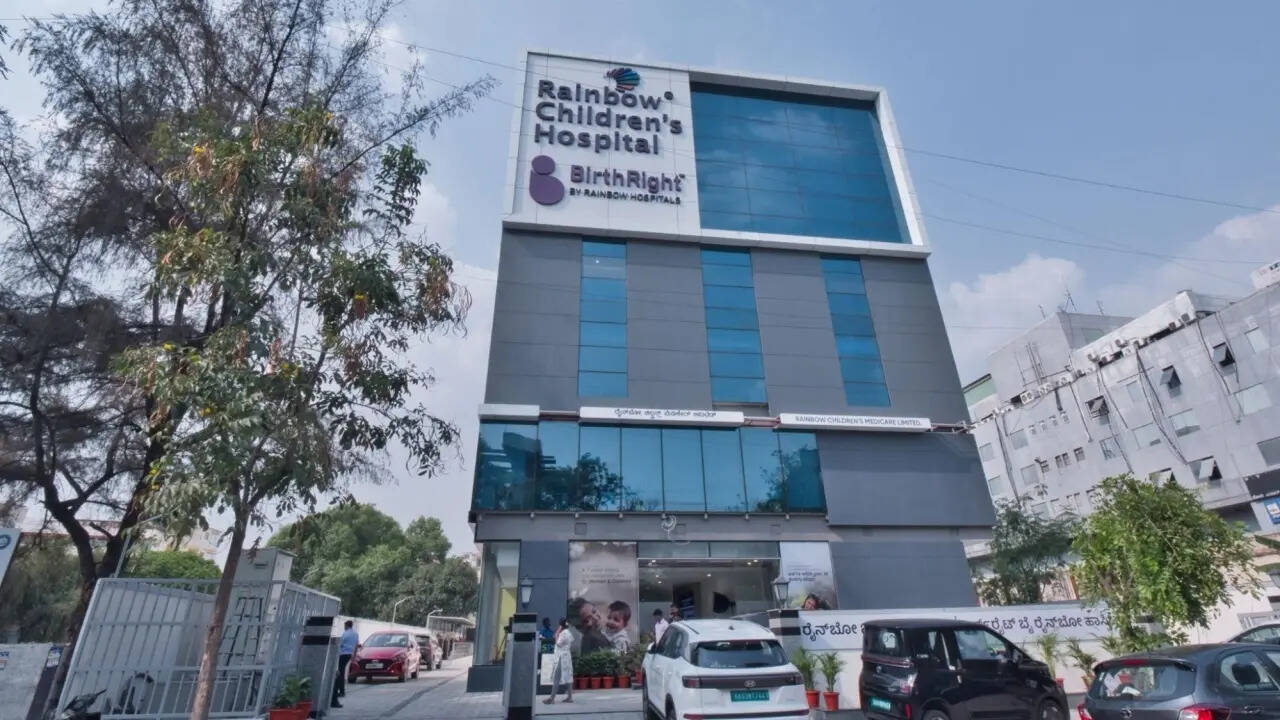
Rainbow Children’s Hospital and Birthright launch comprehensive women’s and child care facility

Rainbow Children's Hospital and Birthright launch comprehensive women's and child care facility

In an important step towards strengthening specialized health services for women and children in Bengaluru, Rainbow Children’s Hospital and Birthright by Rainbow Hospitals has launched its state-of-the-art healthcare facility at HRBR Layout, Kalyan Nagar. The new center is designed to provide integrated and advanced tertiary care for women, newborns, infants, children and adolescents under one roof.With over 26 years of experience in women’s and children’s healthcare, Rainbow Children’s Medicare Limited has expanded its presence with the launch of a new facility at HRBR, Bengaluru, as part of its broader focus on specialized and patient-centric healthcare services. Located in the rapidly developing HRBR Layout area of ​​North Bengaluru, the 60-bed facility aims to meet the growing demand for specialized women’s and pediatric health care in the area. Along with state-of-the-art medical infrastructure, the hospital provides family-centric care based on safety, comfort and positive clinical outcomes.A highlight of the facility is the Birthright Women’s Health Care Division, dedicated to providing a comprehensive support system to women at all stages of life. The Obstetrics Department provides complete maternal care from conception to delivery and postnatal recovery. It is fully equipped to manage routine and high-risk pregnancies with dedicated maternal intensive care services, painless deliveries, minimally invasive options and tailored postnatal care plans.Specialized care for women of all age groups is offered through the Department of Gynecology, covering areas such as adolescent gynecology, reproductive health, menopause, hormonal disorders and gynecological surgeries. The department also focuses on breast health, urology, wellness, physiotherapy, nutrition counseling and preventive health care. The primary objective is to provide personalized care tailored to a woman’s changing health care needs.

-

The hospital has an advanced fetal medicine unit that supports mothers experiencing high-risk pregnancies or complex fetal conditions by offering specialized monitoring and treatment. Services include prenatal diagnosis, screening, pre-conception genetic counseling and advanced procedures, ensuring early diagnosis and timely intervention.The hospital’s new fertility division, Birthright Fertility, provides comprehensive support to individuals and couples experiencing infertility. Advanced treatment options available at the center include intrauterine insemination (IUI), in vitro fertilization (IVF), intracytoplasmic sperm injection (ICSI), laser-assisted hatching, blastocyst culture and embryo freezing. Patients benefit from an integrated care model, allowing seamless transitions between reproductive, maternity, neonatal and pediatric services under one roof.In addition to comprehensive women’s health services, the hospital provides a full range of neonatal and pediatric care through an established network of specialists. The general pediatric service covers all areas of children’s health from birth to 18 years of age, promoting preventive care, routine immunization schedules, diagnosis of acute and chronic disease, and developmental assessment.Additionally, the hospital provides specialized pediatric services including pediatric surgery, ENT services, pediatric cardiology, pediatric neurology, pediatric orthopedics and pediatric endocrinology. It also provides care in Pediatric Gastroenterology and Hepatology, Pediatric Nephrology, Pediatric Pulmonology, Pediatric Hematology and Oncology, Pediatric Allergy and Immunology, and Pediatric Dermatology. This multidisciplinary approach ensures accurate diagnosis and comprehensive treatment for a wide variety of conditions.

-

The hospital has a fully equipped Pediatric Intensive Care Unit (PICU), which provides specialized critical care services for infants, children and adolescents requiring intensive monitoring and treatment. Supported by expert pediatric intensivists and advanced life-support systems available 24/7, the PICU is designed to provide timely intervention and high-quality critical care.A key feature of the facility is its advanced Level III Neonatal Intensive Care Unit (NICU), which provides around-the-clock expert care for critically ill newborns, premature infants and low birth weight infants. Equipped with advanced neonatal technology and supported by experienced neonatologists, the NICU is capable of managing complex neonatal conditions and surgical cases.With 24/7 emergency and critical care services, the hospital ensures continuous medical support and timely intervention. The integrated healthcare model enables experts from all departments to work closely together, ensuring a seamless patient experience and coordinated care delivery at every stage of treatment.Rainbow Group is one of the largest and most preferred healthcare groups for women and children in India, operating 24 hospitals and 6 clinics in 9 cities across the country. Established in 1999, the Group has consistently focused on improving health care delivery through innovation, clinical excellence and compassionate care. The launch at HRBR Layout reflects their vision of bringing world-class healthcare closer to families in North Bengaluru, creating a brighter future for families and a brighter start for their children.Disclaimer – The above content is non-editorial, and TIL disclaims any and all warranties, express or implied, relating to it, and does not guarantee, endorse or necessarily endorse any content.

Source link

Reform UK vows to ban Sikh kirpans after murder of 18-year-old student Henry Novak. world News

Reform UK vows to ban Sikh kirpans after murder of 18-year-old student Henry Novak

A political row has erupted over the legal exemption allowing Sikhs to carry kirpans in public after Reform UK pledged to scrap the protections following a recent murder conviction.The debate was triggered by the case of Vikram Digva, 23, who was convicted of murdering Henry Novak, an 18-year-old university student in Southampton, using a 21 cm kirpan, a ceremonial blade held by some Sikhs as a symbol of faith. Digwa’s mother was also convicted of assisting an offender by helping to retrieve the weapon after the attack.Zia Yousaf, chair of Reform UK, said the party would scrap the exemption if it came to power, arguing that no one apart from law enforcement officers should be allowed to carry bladed weapons in public.“I don’t care what religion you are. Under the reform government no one will be allowed to possess a deadly weapon except law enforcement,” Youssef wrote on X.He said the reform would repeal the legal exemption for sabers and expand stop and search powers as part of a wider effort to tackle knife crime.The proposal was supported by senior reform figures, who argued that all weapons should be treated equally under the law, regardless of religious exemptions.However, Labor MP Sarah Coombs opposed the call, saying that the actions of one individual should not be used to justify restrictions on an entire religious community.Combs said, “Both the Tories and Reform are now saying that sabers should be banned. This is completely wrong.”“The saber is a core element of the Sikh faith. The entire community cannot be tarnished by the terrible actions of one person.”The exchange has reignited the debate over the balance between religious freedom and public safety. Current UK law provides for an exemption to allow Sikhs to possess kirpans in recognition of their religious significance.

Source link

UN-awarded Tamil Nadu farmer turns coconut losses into profits through multi-crop, tree-based farming india news

UN-awarded Tamil Nadu farmer turns coconut losses into profits with multi-crop, tree-based farming
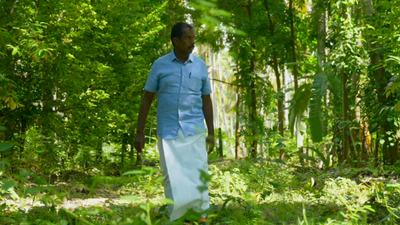
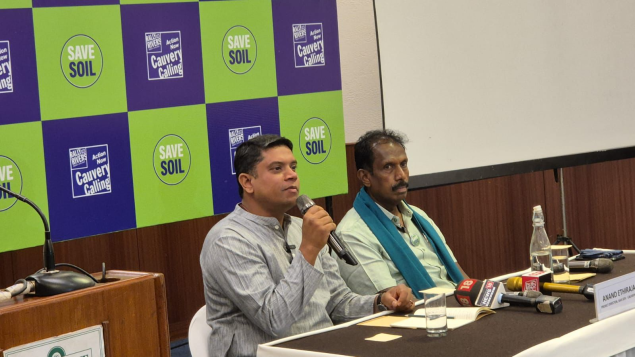
Valluvan (58), a farmer in Pollachi district, said he is spending Rs 500 per tree annually, while the earning is only Rs 300.

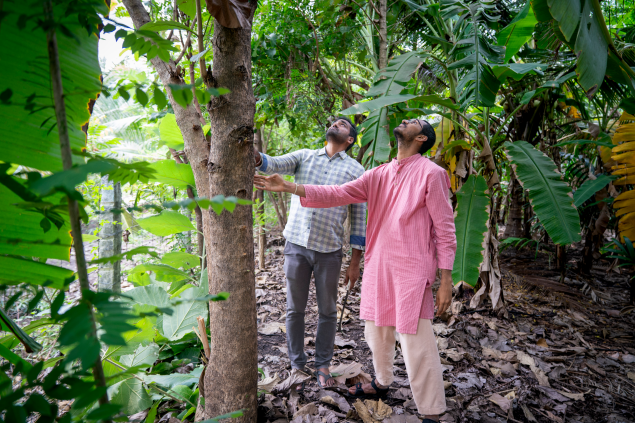
New Delhi: A Tamil Nadu farmer, who once lost Rs 200 on growing each coconut tree, has transformed his 11-hectare holding into a Rs 2.5-3 lakh per acre enterprise through multi-crop, tree-based farming – earning him recognition as a UN FAO Soil Farmer Hero. Valluvan (58), a farmer in Pollachi district, said he was spending Rs 500 per tree annually while earning just Rs 300, leaving him stuck in a cycle of losses before he changed his approach in 2009. “I was losing money on every coconut tree I owned. I knew I had to find a solution,” he told reporters in New Delhi. The change came after the emergence of Isha Foundation’s The Save Soil – Cauvery Calling programme, promoted by spiritual leader Sadhguru Jaggi Vasudev, which advised a shift to multi-crop, multi-tier tree-based agriculture.

-

From three crop varieties, Valluvan now cultivates more than 14 varieties on the same land – coconut, nutmeg, black pepper, seven banana varieties, turmeric, elephant yam, curry leaves and 30 tree varieties. Income steadily increased from Rs 30,000 to Rs 2.5-3 lakh per acre, while the organic carbon content of the soil increased from 0.5 per cent in the first year to 1.56 per cent in the seventh year. The farm also faced two severe droughts, including a 2017 crisis when groundwater levels dropped more than 1,000 feet and there was no rain for two consecutive years – a period when many neighboring farmers cut down their coconut trees. Through mulching and rainwater harvesting pits, the field maintained adequate moisture without additional irrigation. It now uses one-tenth the water it once required, and Valluvan hopes to eliminate irrigation needs altogether within a few years.

-

“Even sensitive crops like nutmeg and pepper, which farmers say require a lot of water, survived without additional irrigation,” he said. The farm’s multi-crop model also acts as an economic hedge, said Anand Ethirajalu, project director of Save Soil – Cauvery Calling. “If coconut prices fall, his nutmeg saves him. If nutmeg also falls, his banana saves him. He has a range of crops,” Ethirajalu said, comparing the strategy to that of a cricket team with equally capable options. Since its 2019 expansion, Cauvery Calling has planted 13.4 crore trees on private agricultural lands in Tamil Nadu and Karnataka – about 10 per cent of the 242 crore trees targeted to restore year-round flow in the Cauvery river basin. However, Ethirajalu identified scaling, funding and policy barriers as major obstacles to widespread adoption, calling for drip-irrigation support for wood crops, removal of restrictive state-level timber-sale regulations, and insurance and subsidy schemes for tree-based agriculture. “The only solution to global warming and the climate crisis looming over the entire world is tree-based agriculture,” Valluvan said.

Source link