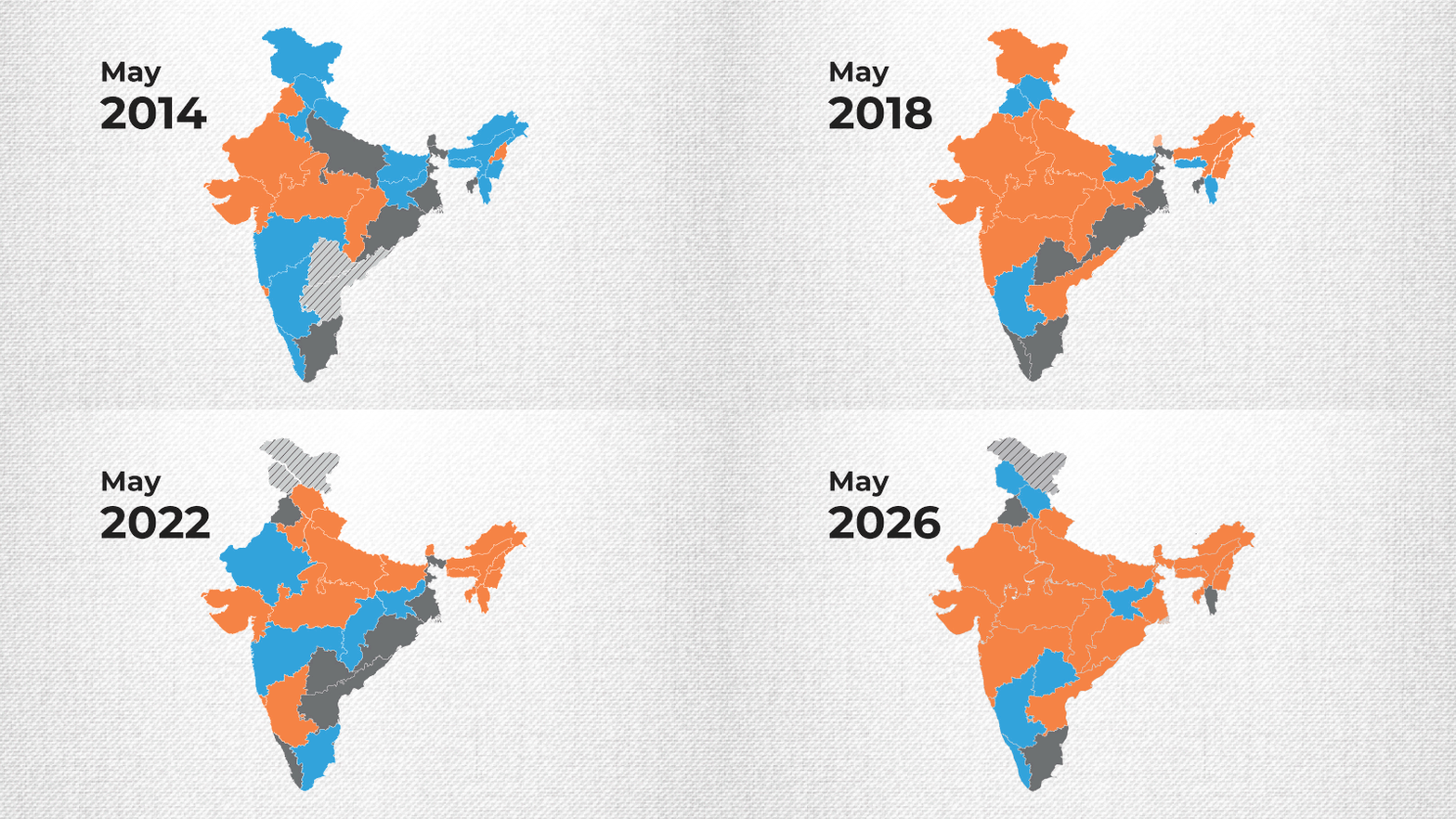
BJP’s Bharat Jodo Yatra: From 7 to 22 states, how did BJP create the political map of India?

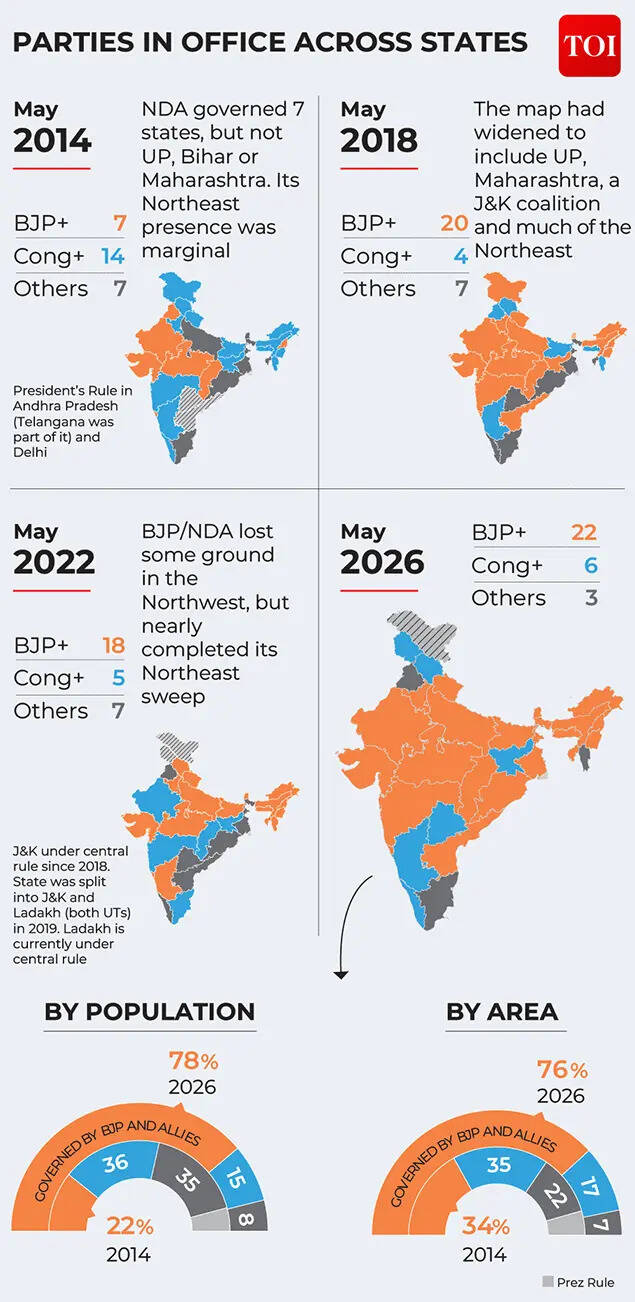
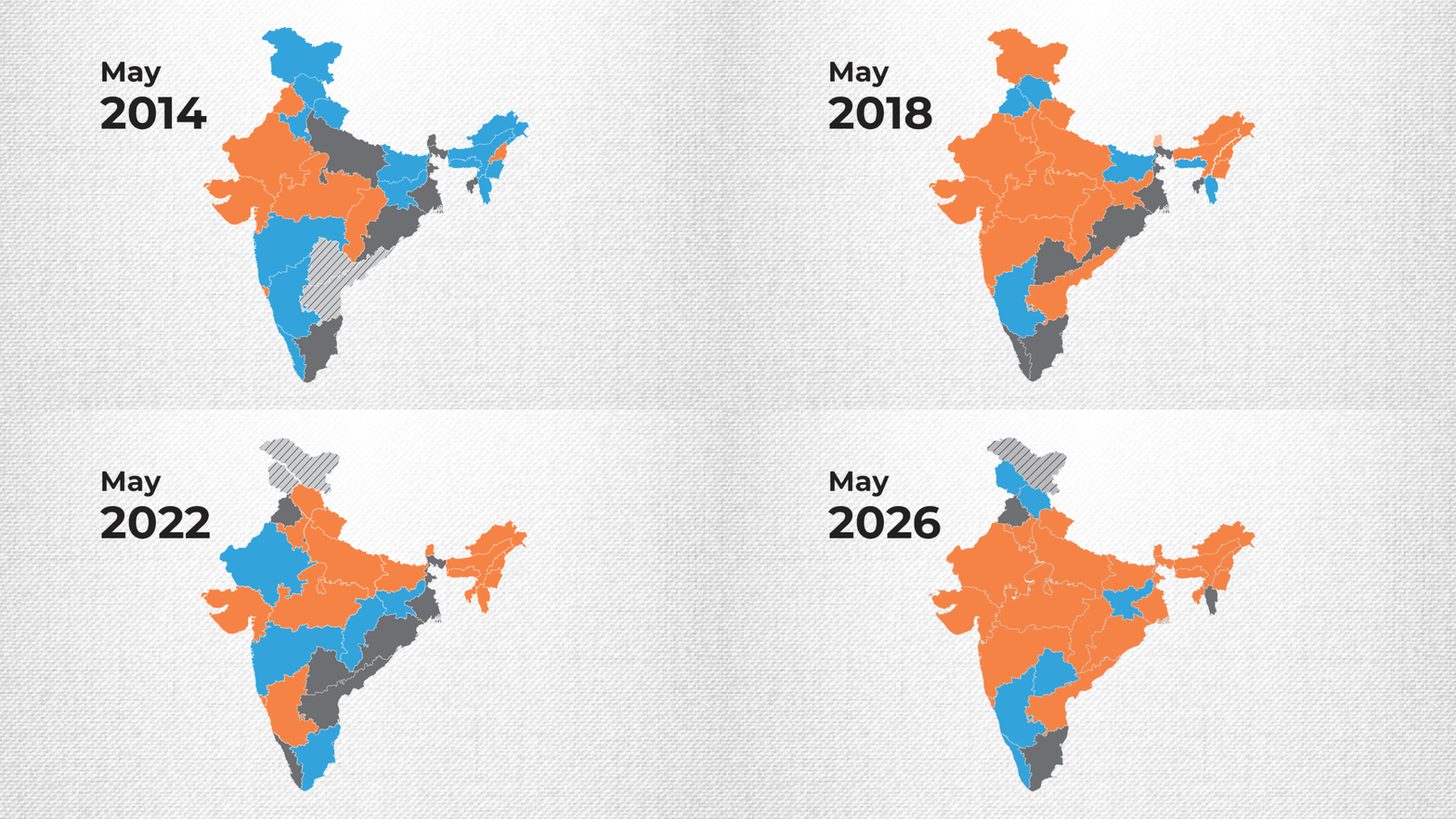
From only 7 in 2014, BJP has been adding states one after another to reach 22 in 2026. Over the same period, Congress and allies have fallen from 14 to 6, while regional and other parties have fallen from 7 to 3.
The change is so pronounced that it can be seen geographically: you can now drive from India’s border with China in the northeast to the border with Pakistan in the west without leaving BJP-NDA territory.

Source link

‘We want to go home’: US travel blogger gets emotional after Hantavirus outbreak on Atlantic cruise ship kills 3

'हम घर जाना चाहते हैं': अटलांटिक क्रूज जहाज पर हंतावायरस के प्रकोप से 3 लोगों की मौत के बाद अमेरिकी ट्रैवल ब्लॉगर भावुक हो गए

Hantavirus outbreak on Atlantic cruise ship kills 3

An American travel blogger has described panic and uncertainty aboard a luxury cruise ship hit by a suspected hantavirus outbreak in the Atlantic Ocean off the coast of Cape Verde, killing three passengers and leaving dozens stranded at sea.The incident unfolded aboard the Dutch-flagged expedition ship MV Hondius, which departed from Ushuaia, Argentina, on March 20 for a lengthy voyage in the South Atlantic, including Antarctica-bound routes.The ship, carrying about 150 passengers and crew, is now anchored off Cape Verde after not being allowed to dock due to public health concerns.An American travel blogger who was on board the ship described the situation as “very real and extremely uncertain”, as passengers grappled with fear, isolation and delays in medical evacuation.

‘We’re not just the headlines’: Passenger on board ship’s emotional appeal

American travel influencer Jake Rosmarin, who has more than 48,000 followers on Instagram, shared a tearful video from the ship, saying passengers were struggling with anxiety and uncertainty.He urged viewers to remember the human loss behind breaking news, saying, “We’re not just headlines…we’re families, lives, people waiting for us at home.”“Right now, all we want is to feel safe. Have clarity and reach home,” he said.He said the hardest part was “not knowing what would happen next” as passengers waited for evacuation and medical clarity.

What is Hantavirus?

Hantavirus is a rare but potentially serious viral infection primarily associated with rodents such as rats and mice.According to global health authorities such as the World Health Organization and the Centers for Disease Control and Prevention (CDC), humans are usually infected with this virus through contact with infected rodent urine, feces, or saliva.In rare cases, limited human-to-human transmission has been reported, but this is uncommon.Symptoms of HantavirusThe illness may begin suddenly and is often flu-like in onset. Initial symptoms include high fever and chills, severe muscle pain, headache and fatigue. Some patients may also experience stomach pain, nausea, or vomiting.As the disease progresses, it can become life-threatening, especially when it affects the lungs or kidneys.

How does Hantavirus spread?

Hantaviruses spread primarily when humans inhale contaminated particles from rodent waste.Major methods of spread include:

  • direct contact with rodents
  • breathing dust contaminated with urine or feces
  • Contact with mouth, nose, or eyes after touching contaminated surfaces

Health experts stress that person-to-person transmission is extremely rare, although unusual outbreaks are still under investigation.

What happened on MV Hondius?

The outbreak began during a long voyage from Argentina toward the Atlantic and Antarctic regions. Three passengers have died so far, including a Dutch couple and a German national, while a British passenger remains in critical condition in intensive care in South Africa.At least one confirmed case of hantavirus has been identified, while several others remain under investigation.Symptoms among victims reportedly include fever, headache, stomach pain and rapid deterioration in health.Authorities are still investigating whether the infection originated on the ship or during an earlier land stop in South America.

Passengers stranded due to denial of port access

Cape Verdean authorities have refused entry to the ship, citing public health risks. As a result, it remains anchored off the coast and passengers and crew are unable to disembark.Health teams have been deployed on board the ship for assessment, while evacuation plans are being coordinated with several countries, including the Netherlands and the UK.Authorities are also considering rerouting the ship to Spanish ports such as Tenerife or Las Palmas for further medical care.The cruise operator said the exact cause of the outbreak is still unconfirmed and under active investigation. International health agencies are conducting laboratory testing and contact tracing.The World Health Organization has said the overall public risk is low, while stressing that careful monitoring of the situation and containment measures are needed.Health officials have reassured that although the situation on board the ship is serious, there is no immediate risk to the general public.Investigators are now focusing on possible exposure sources, including the presence of rodents on the ship or an earlier infection during a stop in South America.

Source link

उत्तराखंड: शिक्षकों को अब ऑनलाइन मिलेंगी छुट्टियां, शिक्षा प्रणाली में डिजिटल गवर्नेंस को बढ़ावा

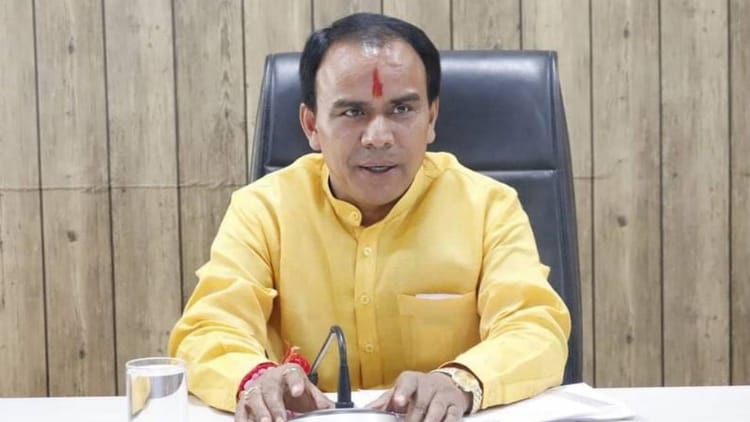
शिक्षा मंत्री डॉ. धन सिंह रावत ने कहा कि शिक्षकों को अब ऑनलाइन छुट्टियां मिलेंगी. इसके लिए उन्हें दफ्तरों के चक्कर नहीं काटने पड़ेंगे. यह नया सिस्टम जल्द ही विद्या समीक्षा केंद्र के डिजिटल प्लेटफॉर्म पर ऑनलाइन अवकाश प्रबंधन मॉड्यूल के रूप में जोड़ा जाएगा।

शिक्षा मंत्री ने कहा, सरकार राज्य की शिक्षा व्यवस्था में डिजिटल गवर्नेंस को बढ़ावा दे रही है. इसका उद्देश्य विभाग में पारदर्शिता, दक्षता, सुशासन और जवाबदेही सुनिश्चित करना है। उन्होंने कहा, इस ऑनलाइन मॉड्यूल के माध्यम से शिक्षक और अन्य कर्मी कभी भी, कहीं से भी छुट्टी के लिए आवेदन कर सकेंगे.

अवकाश स्वीकृति की प्रक्रिया भी ऑनलाइन की जायेगी, जो सरल, पारदर्शी एवं समयबद्ध होगी। इससे एक क्लिक पर शिक्षकों की छुट्टियां स्वीकृत हो जाएंगी। रावत ने यह भी कहा कि नई व्यवस्था से अवकाश संबंधी रिकार्ड सुरक्षित एवं व्यवस्थित रहेंगे। इससे भविष्य में प्रशासनिक असुविधा नहीं होगी और अधिकारियों को छुट्टी देने में भी आसानी होगी. उन्होंने विभागीय अधिकारियों को ऑनलाइन अवकाश व्यवस्था शीघ्र लागू करने के निर्देश दिये।

ये भी पढ़ें…उत्तराखंड: राज्य में शिक्षकों के तबादले अनिवार्य नहीं बल्कि अनुरोध के आधार पर होंगे, हाईकोर्ट के फैसले का इंतजार

विभाग के अन्य प्रशासनिक कार्यों को भी चरणबद्ध तरीके से ऑनलाइन किया जाएगा। यह कदम शिक्षा विभाग को पूर्णतः ई-गवर्नेंस आधारित प्रणाली की ओर ले जायेगा। सरकार का लक्ष्य आधुनिक तकनीक के जरिए शिक्षा व्यवस्था में सुधार करना है। – डॉ. धन सिंह रावत, शिक्षा मंत्री


Source link

‘Anga to Kalinga’ comes true: BJP completes eastern arc with Bengal win. india news

'Anga to Kalinga' comes true: BJP completes eastern arc with Bengal win
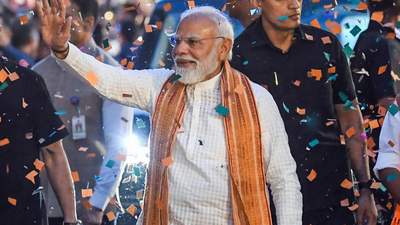
Prime Minister Narendra Modi (ANI photo)

New Delhi: What was once a distant ambition BJP It has become a decisive milestone. With its landslide victory in West Bengal in 2026, the Bharatiya Janata Party (BJP) has completed a symbolic circle in eastern India. Bihar (Anga), Bengal (Banga), and Odisha (Kalinga).Victory is not just electoral; It marks the reinforcement of a long political project that began under Prime Minister Narendra Modi in 2014 and has steadily expanded into areas once considered resistant to the party’s ideological and organizational reach.With control over Anga, Banga and Kalinga, the BJP is stronger than ever. The saffron party, which looked to be on the back foot after losing numbers in the lower house following the setback in the Lok Sabha, has made a sharp turnaround. Victory in the Odisha Assembly elections in 2024, ousting longtime Chief Minister Naveen Patnaik from power, was the first major change in the former. In 2025, Bihar gave a strong mandate to the NDA under the leadership of Nitish Kumar, with BJP’s Samrat Choudhary becoming the Chief Minister after long time “good governance babu”. And in 2026, the BJP caps its eastern push by taking West Bengal by storm, dealing a decisive blow to the Mamata Banerjee-led Trinamool Congress.

From Margin to Momentum

The BJP’s journey from a limited regional footprint to an almost pan-India presence has been impressive. In 2014, the party and its allies ruled only a handful of states. By 2026, this number has increased dramatically, with the National Democratic Alliance controlling a large portion of India’s political geography.This change is not merely administrative. This is demographic and geographic. A large section of India’s population now lives in states ruled by the BJP or its allies. The party’s influence extends across much of India, marking its transformation from a Hindi belt-centric force to a truly national political machine.

eastern success

The capture of West Bengal is the crown jewel of this expansion. For more than a decade, the state remained firmly under Mamata Banerjee And his Trinamool Congress. The BJP’s victory signals the end of that dominance and the culmination of sustained organizational efforts under the leadership of BJP’s ‘Chanakya’ Amit Shah.Shah’s strong insistence that the BJP will rule Anga, Banga and Kalinga has acquired a prophetic quality. His intense campaigning, supported by a nuanced grassroots network and a narrative focused on identity, welfare and governance, helped the party overcome one of its toughest boundaries.“The counting of votes will start on the morning of May 4. The ballot box will open at 8 am, the first round will end at 9 am and the second round will end at 10 pm. The counting will end at 1 pm and it will be ta ta, goodbye to didi.”Amit Shah’s words, spoken during a rally in Bengal, now read less like a campaign jibe and more like a script written with precision.His claim that the BJP would rule “Anga, Banga and Kalinga”, Bihar, Bengal and Odisha has now been realised, marking a rare moment of eastern unification under a single political formation.

Sir

This follows the earlier eastern advantage. The ouster of Naveen Patnaik in Odisha and the consolidation of power in Bihar under the NDA leadership set the stage for Bengal in 2024.

Assam: Consolidation, not just continuity

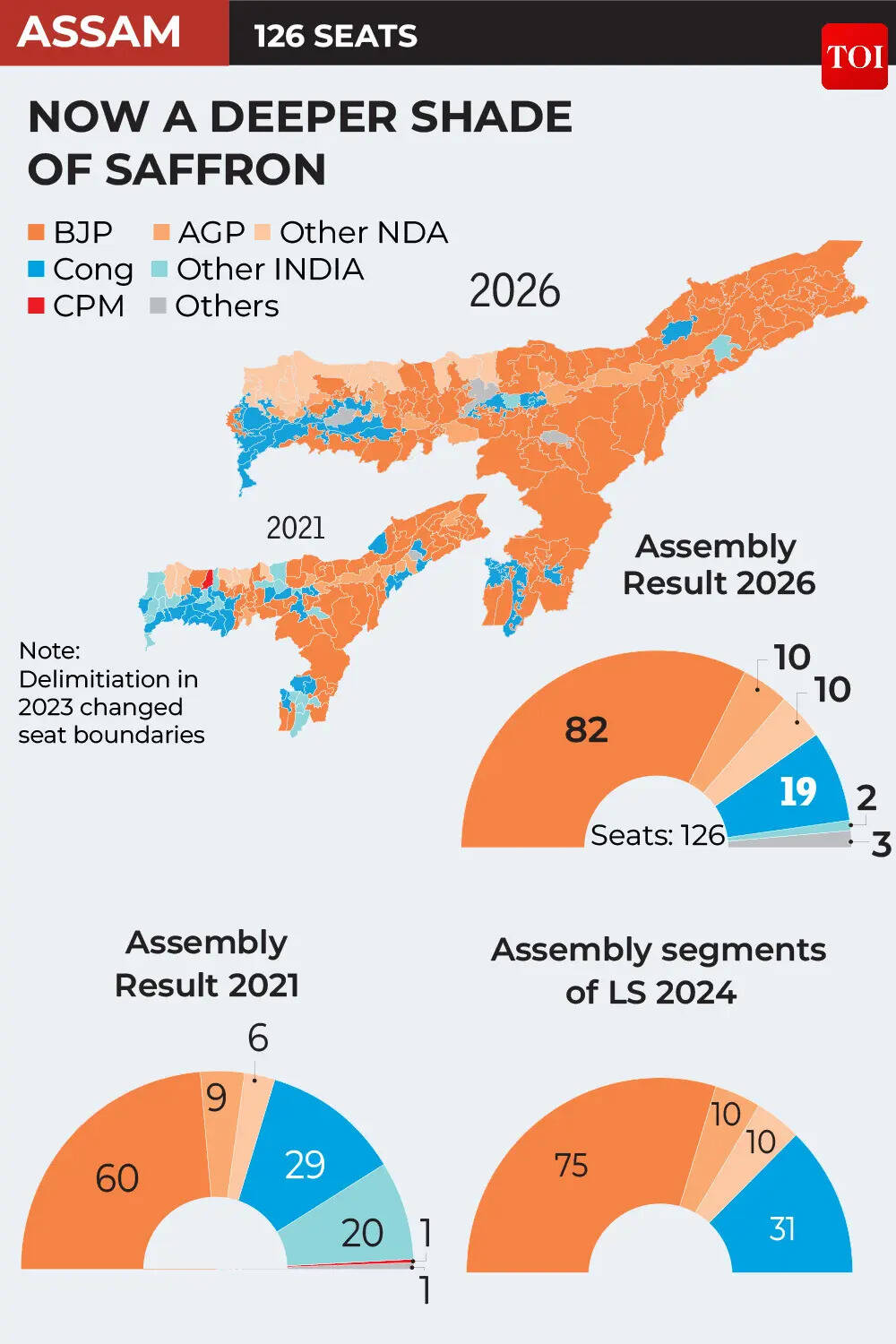
If Bengal marked expansion, Assam represented integration. Under the leadership of Himanta Biswa Sarma, the BJP not only retained power but also performed strongly, improving both seat share and vote percentage.

Assam

A mix of welfare schemes, identity politics and strategic alliances delivered a broad mandate. The delimitation changes and higher turnout, especially among women, further strengthened the NDA’s position, turning Assam into a model of sustained electoral dominance in the Northeast.

Beyond Geography: Conceptual Shift

The rise of the BJP in the East reflects a deep ideological shift. The Modi-led brigade has moved beyond its previous image as a Hindi belt unit, and is adapting its message to diverse cultural and regional contexts.In Bengal, narratives of religious identity and governance became one. In Assam, long-standing concerns about immigration were transformed into a powerful election issue. In all states, identity politics, welfare delivery and nationalist messages are working together to reshape the voter alliance.Even in areas like Kerala, the BJP has started making its presence felt, indicating incremental but notable penetration.

Modi factor: permanent anchor

Any analysis of BJP’s expansion returns to Prime Minister Narendra Modi. Despite setbacks in the 2024 Lok Sabha elections, Modi’s personal appeal remains a powerful force multiplier.His image of development, national pride and decisive leadership has helped the BJP bridge the organizational gap in challenging areas. Where local leadership may be lacking, PM Modi’s presence often fills the void and converts emotions into votes.In many ways, the BJP’s electoral model works in two stages. Modi creates momentum and Amit Shah’s organizational machinery turns it into victory.

cons squeeze

While the BJP is expanding, its rivals are facing shrinking political space. Despite sporadic successes like in Kerala, the Congress-led faction has seen its overall footprint contract. Regional parties that were once dominant in their strongholds are also under pressure.Leaders like Rahul Gandhi have questioned the integrity of the electoral processes, particularly in Bengal, alleging massive irregularities. These claims struggle to counter the BJP’s narrative on governance and development.Rahul Gandhi alleged, “West Bengal and Assam are ‘clear cases of stealing elections by the BJP with the support of the Election Commission’.”He said, “We agree with Mamata (Banerjee) ji. More than 100 seats were stolen in Bengal.”Congress President Mallikarjun Kharge called the results a “mixed bag”, emphasizing that “ours is an ideological fight…such a path demands patience, perseverance and unwavering resolve.”The broader challenge for opposition parties lies in balancing minority reach with broad electoral appeal, a balance that has become difficult to maintain.

Welfare, women and the changing voter base

One of the defining features of recent elections has been the centrality of welfare politics, particularly cash transfer schemes for women. What was once a benefit has now become a basic expectation.In Bengal, welfare fatigue and concerns over women’s safety have weakened a key support base for Mamata Banerjee. The BJP’s counter-promises, often on a large scale, helped attract swing voters.Across states, women and young voters are emerging as a decisive group, reshaping traditional loyalties and demanding both opportunity and security.

Migration and the politics of aspiration

Economic migration has quietly become a political issue, especially in Bengal. Many workers in this state, which was once an industrial centre, are now moving elsewhere in search of opportunities.This shift has given rise to a broader narrative around economic stability versus growth-driven governance, a dichotomy that the BJP has used effectively in its campaign.

Looking ahead: 2027 horizon

Even as it celebrates its eastern gains, the BJP has already shifted its focus to the next election cycle. States like Uttar Pradesh, Punjab, Uttarakhand and Goa are on its radar.The victory in Bengal has boosted the party’s confidence and provided a strategic buffer against possible losses elsewhere. With 42 Lok Sabha seats, Bengal is now as important to the BJP’s national ambitions as its traditional strongholds.For the opposition, the challenge is to rebuild the narrative, reconnect with voters and counter a political machine that is constantly expanding.

A reshaped political landscape

The BJP’s journey in Anga, Banga and Kalinga is more than fulfilling a slogan. This reflects the changed political scenario. The country’s electoral map in 2026 is being defined by a dominant national force rather than fragmented regional strongholds.Whether this consolidation endures or counter-mobilization begins will shape the next phase of Indian politics. For now, the message from the east is clear. BJP’s expansion continues and is gaining momentum.The Bharatiya Janata Party, having already fought off key challengers like Arvind Kejriwal last year and now Mamata Banerjee and MK Stalin, appears to be in a much more comfortable position to consolidate its hold on power.

Source link

नहर में कूदे 12 वर्षीय बच्चे का पांचवें दिन भी नहीं लगा कोई सुराग, गुस्साए ग्रामीणों ने हाईवे किया जाम

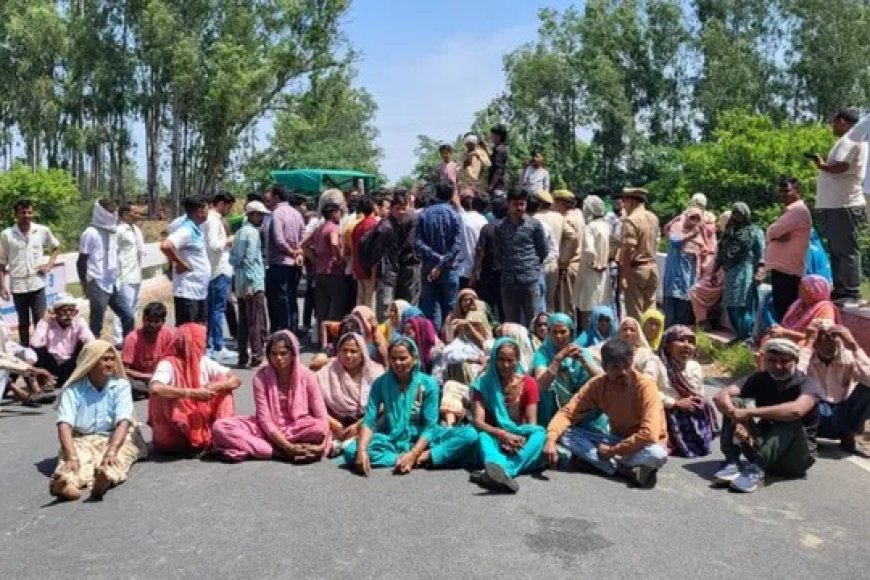
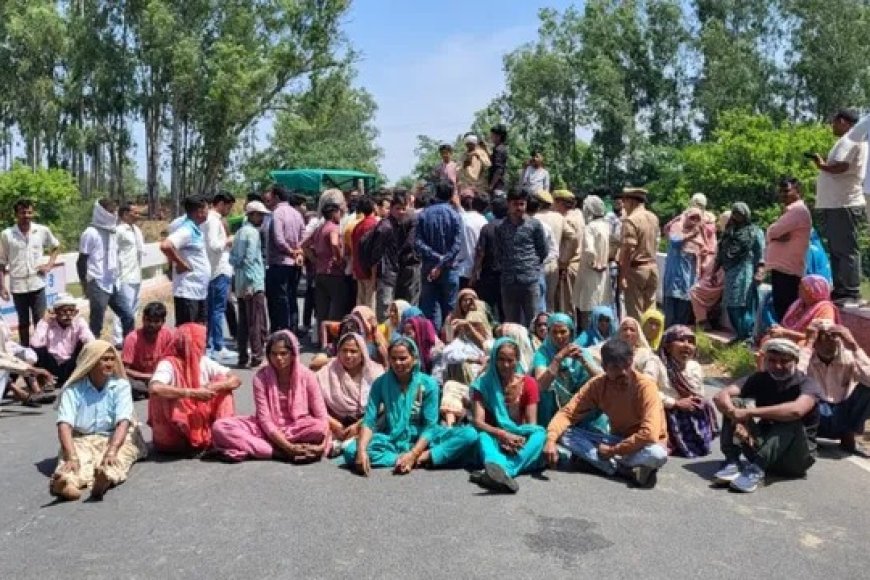
मंडी धनौरा क्षेत्र से 12 वर्षीय बालक के लापता होने का मामला तूल पकड़ता जा रहा है। पांच दिन बाद भी बच्चे का कोई पता नहीं चलने पर परिजन व ग्रामीण आक्रोशित हो गये. सोमवार को गुस्साए लोगों ने बिजनौर स्टेट हाईवे पर जाम लगा दिया और प्रशासन से नहर का पानी बंद कराने की मांग की। मौके पर पहुंचे अधिकारियों ने किसी तरह लोगों को समझा-बुझाकर मामला शांत कराया. इस घटना से इलाके में चिंता और दुख का माहौल है, वहीं परिवार अभी भी बच्चे के मिलने की उम्मीद लगाए बैठा है.

दादी की डांट से आहत होकर उसने यह कदम उठाया।
मामला डिडौली थाना क्षेत्र के गांव मुबारकपुर नूरी निवासी आर्यन्स का है। वह अपने मामा के घर गांव मिलक अख्तियारपुर आया था। बताया जा रहा है कि शुक्रवार को दादी की डांट से आहत होकर उसने रामगंगा पोषक नहर में छलांग लगा दी। तब से वह लापता है और परिवार सदमे में है.

पांच दिनों से चल रहा है सर्च ऑपरेशन
घटना के बाद से एसडीआरएफ और पुलिस की टीमें लगातार सर्च ऑपरेशन चला रही हैं. लेकिन नहर में तेज बहाव के कारण राहत और बचाव कार्य में काफी दिक्कतों का सामना करना पड़ रहा है. टीम ने शेरपुर के पास जाल बिछा दिया है और आसपास के पुलों पर भी निगरानी बढ़ा दी गई है, फिर भी बच्चे का कोई पता नहीं चल सका है.

ग्रामीणों ने लगाया जाम, पानी बंद करने की मांग
पांच दिन बाद भी जब कोई सफलता नहीं मिली तो ग्रामीणों व परिजनों का धैर्य जवाब दे गया। सोमवार सुबह करीब 11 बजे बड़ी संख्या में लोग बिजनौर स्टेट हाईवे पर गांव चुचैला कला के पास नहर पुल पर पहुंच गए और सड़क जाम कर दी। इससे दोनों तरफ वाहनों की लंबी कतारें लग गईं। ग्रामीणों की मांग है कि नहर का पानी बंद कराया जाए ताकि बच्चे की तलाश आसान हो सके.

अधिकारियों के आश्वासन पर जाम खुला
सूचना मिलते ही पुलिस बल मौके पर पहुंच गया। साथ ही एसडीएम शैलेश कुमार दुबे और सीओ अंजली कटारिया भी पहुंचीं और लोगों को समझाने का प्रयास किया। अधिकारियों ने आश्वासन दिया कि नहर का जलस्तर कम करने के लिए संबंधित विभाग से बात की जा रही है. करीब 45 मिनट बाद ग्रामीणों ने जाम खोला।

Source link

Former village head shot in Kaushambi, motive unclear. prayagraj news

Former village head shot in Kaushambi, motive unclear

Prayagraj: : On Monday, two unidentified bike-borne assailants shot a former village head near his house in Alamchand village of Sandipanghat police station area of ​​Kaushambi.The incident happened when Manoj Kumar (50) Went out for a walk in the morning.On receiving the information, Kaushambi SP and senior police officers including forensic experts reached the spot and conducted investigation. The seriously injured former village head was admitted to SRN Hospital in Prayagraj.A senior official said the motive behind the attack was not yet known. Three police teams have been formed to solve the case. Police are scanning CCTV footage to identify the attackers and acting on some clues.Kumar was the head of Alamchand village from 2010 to 2015. Police are investigating from all angles including old political rivalries, if any. An FIR has been registered under relevant sections.

Source link

Unsung heroes: Amish volunteers rebuilt dozens of homes and bridges for free after Hurricane Helene in North Carolina world News

Unsung heroes: Amish volunteers rebuilt dozens of homes and bridges for free after Hurricane Helene in North Carolina

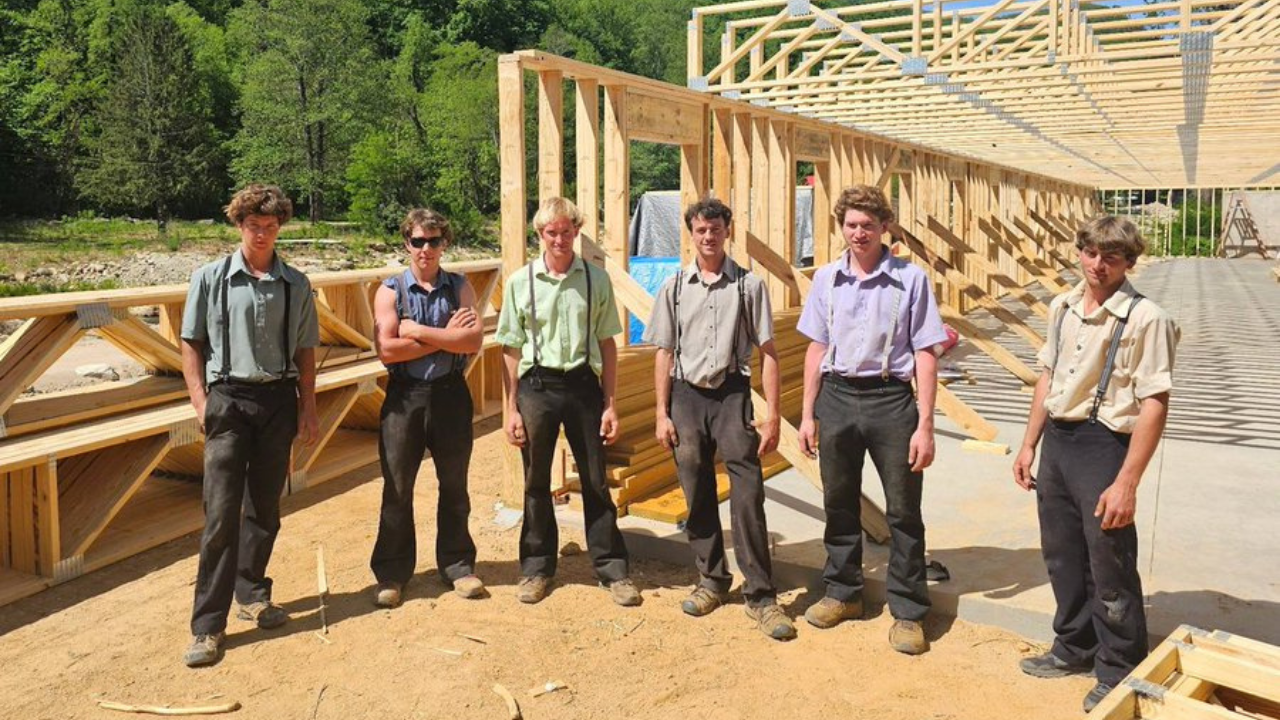
In the rugged mountain communities of western North Carolina, Hurricane Helene’s long shadow still looms. Months after the storm caused devastating floods and landslides, destroying homes, cutting roads and isolating entire towns, recovery remains a slow and demanding process. Amid this ongoing conflict, groups of Amish volunteers across Pennsylvania have quietly stepped up, offering skilled labor, rebuilding homes, repairing infrastructure and restoring a sense of stability. Working without pay and largely away from public attention, their efforts have become a powerful example of community-driven recovery in some of the region’s hardest-hit areas.

Amish volunteers rebuild homes and restore hope after Helen

The damage left by Helen at places such as Chimney Rock and Bat Cave was severe. Roads were washed away, bridges collapsed and houses were reduced to rubble. While state and federal aid programs began the long process of recovery, volunteer groups filled critical gaps on the ground.Amish groups, often traveling in organized groups, brought practical skills in carpentry and construction. His approach is simple. They rebuild as needed, as quickly and efficiently as possible, using manual labor and traditional techniques.Much of the Amish’s contributions have been coordinated through partnerships with organizations such as the Great Needs Trust and local nonprofits such as Spokes of Hope. Together, they have focused on building small, sustainable homes and helping restore damaged infrastructure in remote and underserved areas.In a widely reported effort dozens of volunteers assembled several tiny houses in a matter of days, providing immediate shelter to families displaced by the storm. Labor is donated, and in many cases, materials or related costs are also donated, reducing the financial burden on already struggling communities.

​ Amish volunteers rebuild homes and restore hope after Helen

Image:

Recovery that continues long after the storm

Even a year after Helen, reconstruction is not complete. The scale of the destruction, thousands of damaged homes and extensive infrastructure damage means recovery is measured in years rather than months. In mountainous areas, where access is difficult and repairs complex, progress can be especially slow.Amish volunteers have continued to return, and contribute to ongoing reconstruction efforts where there is still an urgent need for help. Their presence highlights how disaster recovery often depends not only on large-scale funding and government intervention, but also on sustained, grassroots support.

Who are the Amish?

The Amish are a traditional Christian community rooted in the Anabaptist movement, known for simple living, strong community ties, and a commitment to service. Originating from the teachings of Jacob Ammann, they emphasize humility, physical labor, and helping others without seeking recognition. These values ​​often inspire Amish groups to volunteer in disaster-affected areas, and offer skilled construction work at no cost.

identity without headlines

Although his work has received praise from local communities and regional coverage, it has not always received widespread national attention. The relative lack of visibility has led to the perception that their efforts have been ignored, even though credible reporting and on-the-ground accounts confirm their participation.However, recognition is not the goal for the Amish. His guiding principles emphasize humility, service and collective responsibility. In practice, this means showing up, working diligently, and walking away without asking for credit.His work stands as a reminder that meaningful impact doesn’t always come with visibility. Sometimes, it comes in the form of quiet, steady hands, shared labor, and a commitment to rebuilding a life one structure at a time.

Source link

IPL 2026: Why the mighty Mumbai Indians are in dire need of an overhaul. cricket news

IPL 2026: Why the mighty Mumbai Indians are in dire need of an overhaul?
Mumbai Indians are in need of overhaul after another disappointing IPL season. Now is the time for the management to take strict action against players whose personal interests and ambitions do not contribute to the welfare of the team. The next mega auction is an opportunity for the franchise to correct the mistakes made on the auction table, but the immediate need is to put the house in order and restore normalcy in the dressing room.

Mumbai Indians on Monday managed to mathematically survive in IPL 2026, but the writing is on the wall for the five-time champions as they face another season – the fourth in the last six years – without making the playoffs. The body language of the players and support staff reflected the long, painful summer endured by the franchise.For a team that has struggled to only three wins from ten matches, minute fine-tuning will not help; A complete makeover of the dressing room – which hasn’t been the hottest place since Hardik Pandya took over the captaincy Rohit Sharma – It is necessary. It is understood that the management was happy to maintain patience after the initial turmoil following the captaincy change, but patience is not their best friend at this point, as another wooden spoon finish in IPL 2026 looks likely.MI benefited from BCCI’s new retention policy ahead of the 2025 mega auction, allowing them to retain their ‘core’: Hardik Pandya, Jasprit Bumrah, Suryakumar Yadav, Rohit Sharma and Tilak Verma. Even other teams used the maximum retention slots, but MI was probably the only franchise that could sit at the auction table knowing that half of their playing XI had been selected.So what went wrong for a team that has superstars, leaders and four players who have led India at some point?‘Team’ is the keyword here as it turns out that after the change in captaincy the franchise is still dealing with a shaky dressing room and is constantly struggling to present a united front. For a team that used to pride itself on winning competitions out of nowhere, a perfect “team performance” has been missing for the past few seasons. There have been flashes of individual brilliance, but they have not been enough to add a sixth title to the cabinet.Even after the management has made it clear that Hardik is the captain for the foreseeable future, some people are either harboring captaincy ambitions or are promoting younger players to take over the reins. A senior player has been battling an undisclosed injury for a few seasons now, and some are happy to take it easy, even if it means missing almost a month of competitive cricket. Persistent rumors that the “core” group is not getting along are damaging the team atmosphereOn paper, there is no dearth of superstars and utility players in the MI camp in IPL 2026, but they have been left exposed tactically as the think tank still struggles to determine its ideal playing XI. Constant injuries haven’t helped, nor has inconsistency from the ‘core’.Tilak, strongly projected as the future leader of the franchise, had more than 400 runs in just one season across five editions. His good friend Suryakumar Yadav had a great 2025, but he continued his poor international form in IPL 2026 as well and scored only 195 runs in 10 innings. The lack of aggression from two key parts of the middle order hasn’t helped, nor have Hardik Pandya’s tremendous returns with the bat – 146 runs in eight innings.Rohit Sharma had made a great start to the season but was sidelined for almost a month due to a hamstring injury. Yet their inconsistency is not recent; The right-handed batsman’s only 500-plus run season for the franchise came in the 2013 edition.MI takes a lot of pride in retaining its players for as long as possible, but with the game rapidly evolving, the think tank needs to do better to stay one step ahead. Confident in his ways, he entered last year’s mini-auction with a much smaller purse. He seemed happy with the players he had and supported his strategies – a powerplay dominated by swing and a left-arm fast bowler. However, the reality hit them hard as the opposition batsmen dismissed the balls of Deepak Chahar and Trent Boult with ease. Even Jasprit Bumrah’s mastery disappeared with no support for the world’s premier fast bowler.The next mega auction is an opportunity for the franchise to correct the mistakes made on the auction table, but the immediate need is to put the house in order and restore normalcy in the dressing room. Complete changes are now required, and it is time that the management takes strict action on players whose personal interests and ambitions do not contribute to the interest of the team.

Source link

Mamata ‘Goodbye’-Energy: BJP’s wave traps the big fish of West Bengal. india news

Mamata 'Goodbye'-Energy: BJP's wave traps the big fish of West Bengal

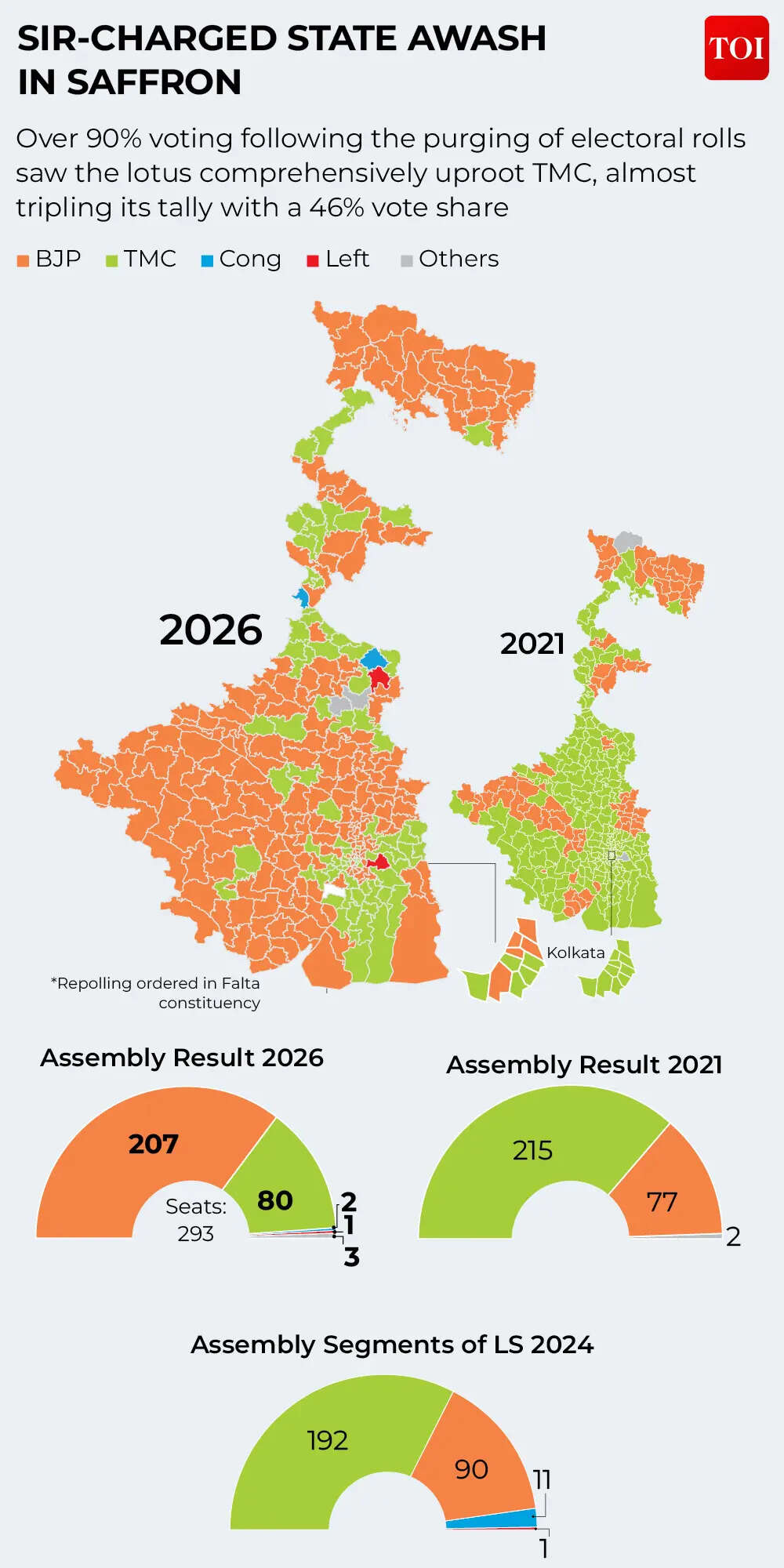
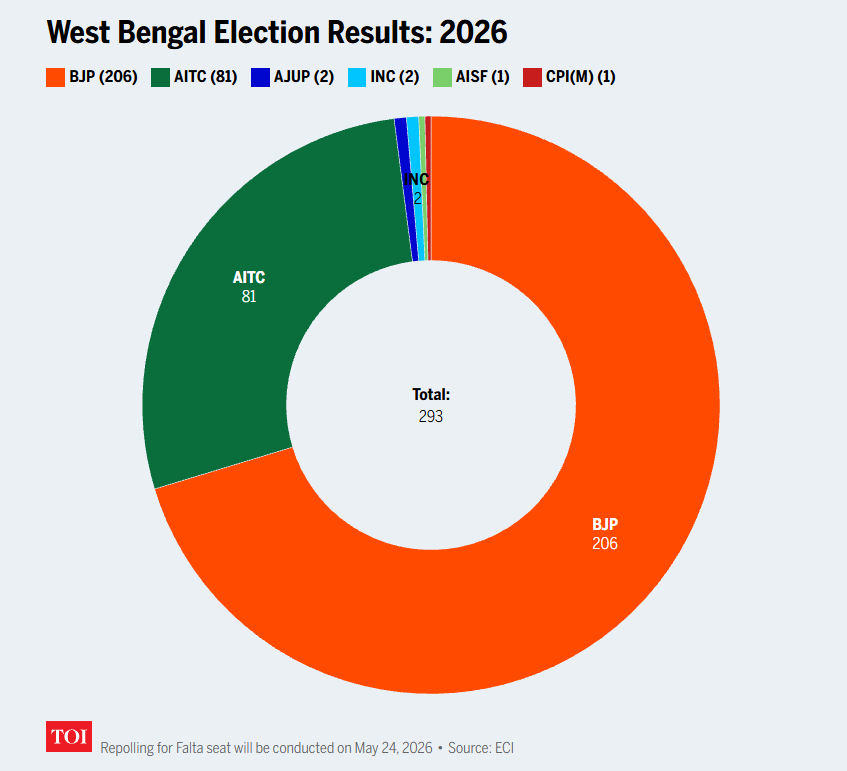
New Delhi: The big fish is stuck in Bengal as the rising tide of BJP has sidelined Mamata “Didi”. The saffron wave did not come just like that, it swept across West Bengal with force and shattered the stronghold that once seemed unshakable.The state which was Didi’s fort for a long time has given 207 seats to the BJP, which comfortably crossed the majority mark and finally turned around. Amit ShahA visionary call of “crossing 200” turned into reality in Bengal. From the initial impressions of the Congress era, to decades of Left dominance Mamata BanerjeeIn his 15-year rule, Bengal has seen its political complexion change dramatically. Red gave way to green and now, apparently, to saffron. This is not just an election result; This is a full scale political brainstorming.

Watch

Mamata Banerjee loses her ‘safe seat’ Bhabanipur, Suvendu Adhikari wins by 15,000+ votes

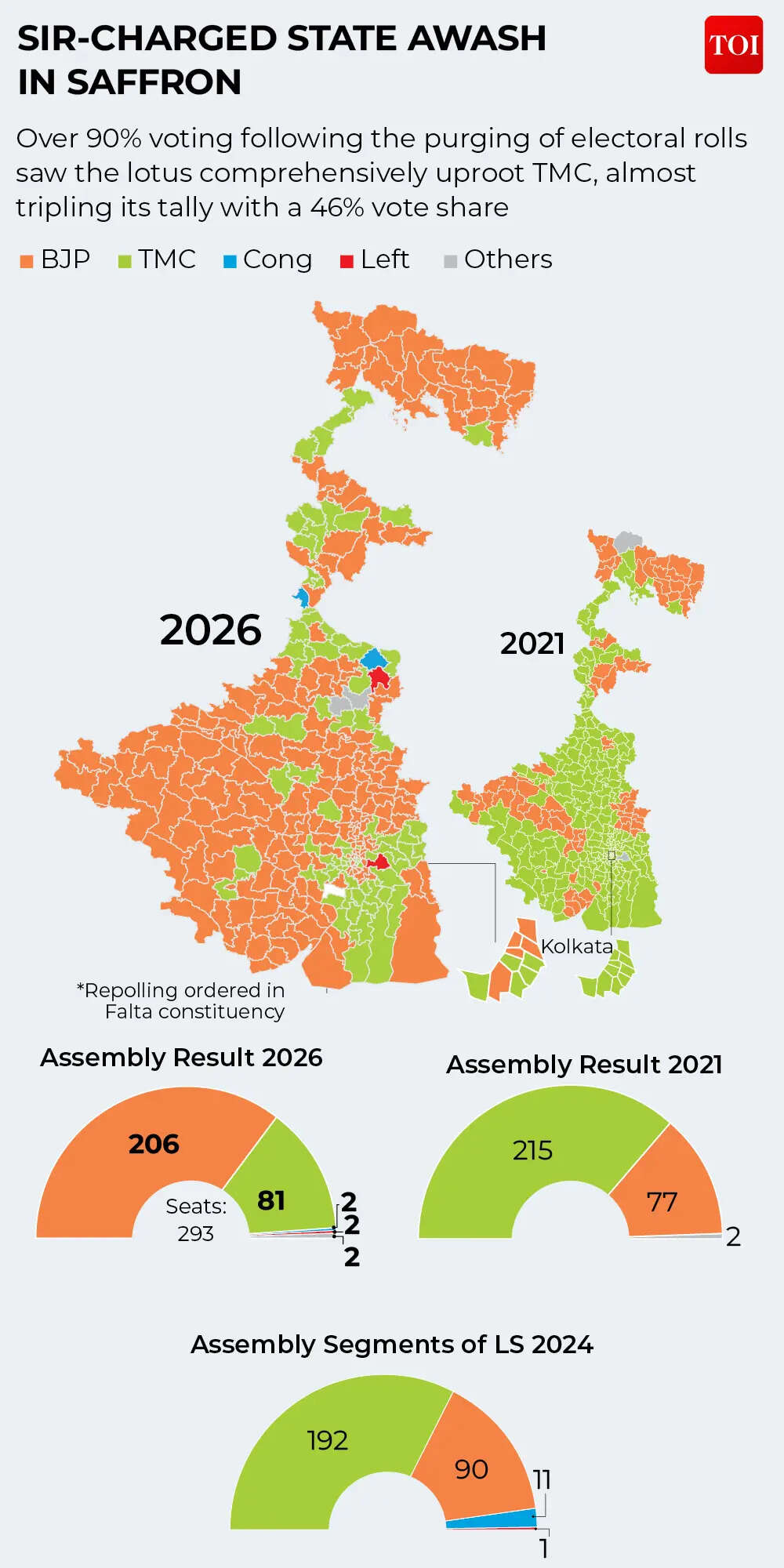
as prime minister Narendra Modi Announcement from BJP headquarters “Bangle Poribortan Hoye Geche,” There has indeed been change in Bengal. Dressed in traditional dhoti-Punjabi, the Prime Minister marked the party’s first victory in the state with symbolism as well as significance.The Trinamool Congress was reduced to double digits, which very few people had seriously imagined. In a twist full of political irony, Mamata Banerjee herself suffered a crushing defeat in Bhabanipur at the hands of her former disciple-turned-rival Suvendu Adhikari.If Nandigram in 2021 was the first crackdown, Bhabanipur in 2026 becomes its echo, more acute, sharper and far more consequential.Didi’s fort did not collapse overnight; It was destroyed by the weight of two sharp forces. One was 15 years of fatigue, an anti-incumbency wave that quietly gathered strength before erupting decisively. The second was the Election Commission’s “Special Intensive Revision” (SIR), a controversial but effective practice that cut the voter list by 12%, a number significant enough to change the electoral landscape in a way that would have boosted the BJP’s lead.This time PM Modi did not just taste ‘Jhalmuri’ in Jhargram, he also tasted victory in Bengal.

Bengal: The last frontier finally fell

The steady rise of the saffron party since 2014, as a major challenger to the UPA under Narendra Modi for the first time, had left one last frontier unconquered. Bengal, with its layered political memory and fierce regional identities, stood as the last test in the BJP’s march towards a truly pan-India footprint.On May 4, that border did not just fall, it also opened the doors to the throne of Kolkata.

-

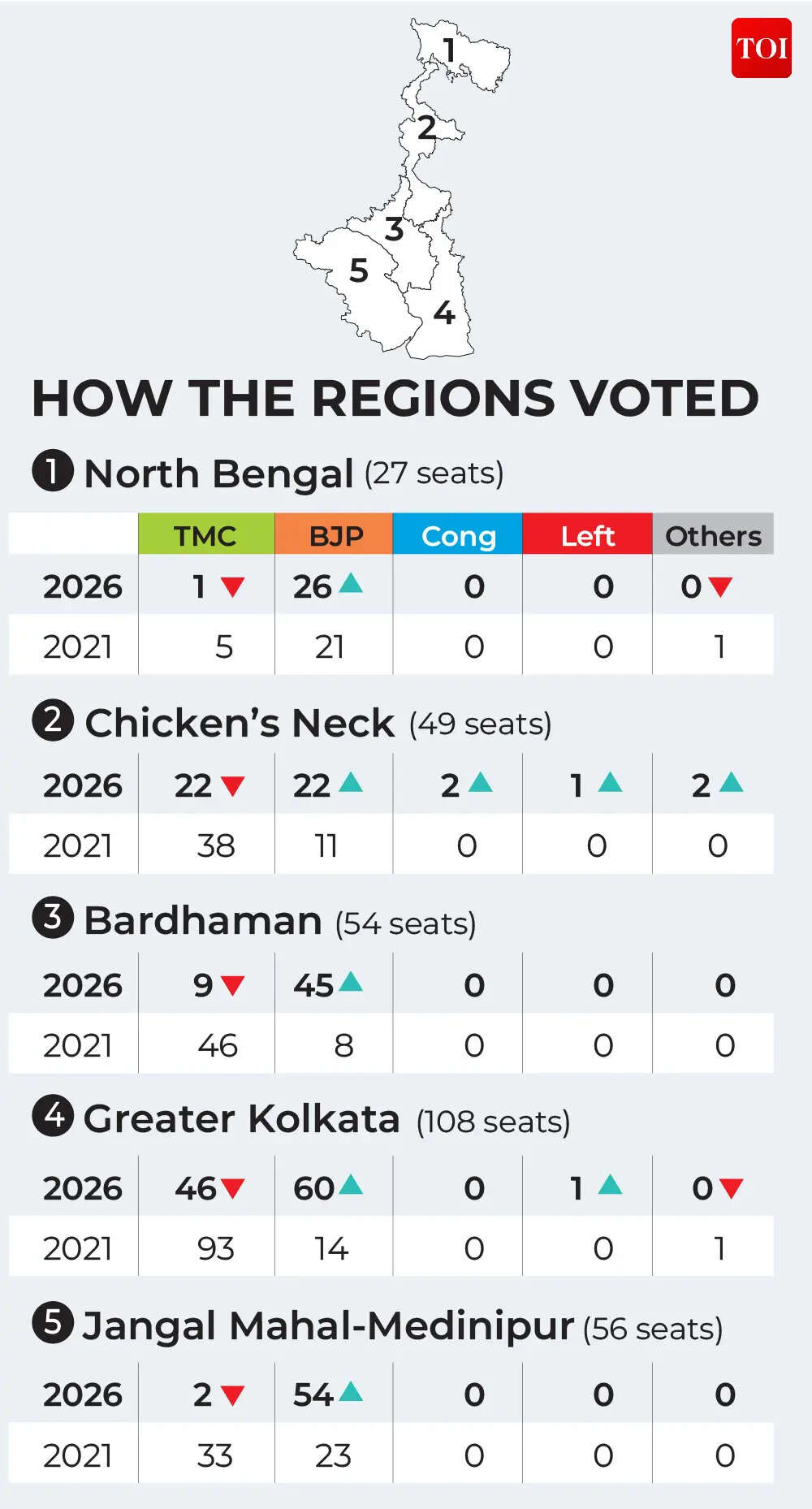
There were areas where Trinamool Congress was in control. Bleeding slowed in parts of South 24 Parganas, East Burdwan and Howrah. But on the larger map, the tide was unremarkable.From the northern parts, where the BJP was almost completely dominant, to North Dinajpur, where the Trinamool was almost completely wiped out, to the southern stretches of Jhargram, Purulia and East Midnapore, where the ruling party was completely wiped out, the message was clear.The Bharatiya Janata Party crossed the 200-seat mark, leaving behind the Mamata-led Trinamool Congress, while its vote share increased to 45.84%, leaving Didi’s camp behind at 40.80%.Even the margins tell their story: Matigara-Naxalbari gives BJP a massive lead of 1.4 lakh votes, underscoring the scale of the anti-incumbency wave.

Urban change that sealed the decision

However, what really tilted the balance was the silent churning in urban and suburban Bengal. Kolkata and its fringes, from South 24 Parganas in the south to Howrah and the industrial belt of North 24 Parganas, shifted in ways that proved decisive. This was once Trinamool’s comfort zone. This time, it turned into a battlefield that decided its defeat.The cracks were visible in numbers. In 2021, Trinamool had captured 123 of the 142 seats in Kolkata, North and South 24 Parganas, Nadia, Howrah, Hooghly and East Burdwan. In 2026, this number will drop to only 48.In Kolkata itself, the decline was seen in key seats: Rashbehari, Jadavpur, Shyampukur, Jorasanko, Maniktala, while the party lost significant ground in North 24 Parganas, including Barrackpore, Bidhannagar, Dum Dum and Panihati. Howrah also slipped, where high-profile victories like Rudranil Ghosh boosted BJP’s momentum.The capital city and urban areas largely aligned with the BJP, leaving Didi on the sidelines.

Didi: ‘Only candidate’ pitch fails

Throughout the campaign, Mamata Banerjee focused heavily on her 2021 strategy, projecting herself as the “sole candidate” on all 294 seats. But this time the strategy faltered. The high-voltage rhetoric struggled to connect with the ground reality created by fatigue, resentment and changing aspirations. The gap between message and mood became so wide that it was impossible to bridge.

-

This blow was no less than a political earthquake for Mamata, who had made a deep impact at the grassroots level across Bengal. The anti-incumbency wave cut across rural and urban areas alike, eroding Trinamool’s base.Voters spoke of fatigue, of a regime they increasingly viewed as misgovernance, and of a desire for structural change.

‘Poribartan hoye gechhe’

“Bangale poribortan hoye gechhe (change has taken place in West Bengal),” victorious Prime Minister Narendra Modi, dressed in traditional Bengali attire of dhoti-kurta, said in his victory speech at the BJP headquarters here on Monday. He described the party’s first victory in the state as a new dawn in Bengal.“This is a declaration of a bright future for the country,” he said, as the BJP scored a hat-trick of victories in Assam and headed home for another term with its ally AINRC in Puducherry.He appealed to the parties in Bengal to pledge to end the endless cycle of election violence. He said, “There should be talk of revenge and not revenge.”From the BJP headquarters, the PM also recalled his statement after the Bihar victory that as the Ganga flows east, so will the BJP’s journey, adding that the party now rules every state along the course of the river from Gangotri to Ganga Sagar.He said, “Now women will get an environment of security in Bengal and youth will get employment.” He announced that the new government will adopt the Centre’s Ayushman Bharat scheme in its first cabinet meeting. He also promised strict action against infiltrators, cementing a key campaign issue.

Sir: The numbers behind the story

Beyond the rhetoric, the numbers tell a layered story.The Election Commission’s “Special Intensive Revision” (SIR) of the electoral rolls, which resulted in the deletion of approximately 91 lakh names – emerged as a significant factor.

Sir

In 169 constituencies where deletions were more than 25,000 voters, BJP’s numbers increased dramatically from 41 in 2021 to nearly 100 in 2026, while Trinamool’s dominance declined. Even in seats with fewer deletions, the BJP’s growth was evident, with its numbers more than tripling.Meanwhile, the opposition scene witnessed a slight revival. The Congress bounced back with two seats in Malda, the Left Front bounced back with one seat in Murshidabad, and the ISF retained Bhangar, giving the assembly a more diverse palette than the 2021 binary contest.

Change in mood of voters

From welfare assurances to job creation, law-and-order narratives to identity politics, the BJP crafted a pitch that reached out to all sections – while Trinamool’s once reliable social alliance showed signs of strain.There was a clear change in perception also. For years, many voters continued to differentiate between Didi’s personal image and the actions of her party cadre. By 2026, that distinction had blurred. The gap between the leadership’s intentions and grassroots experience became difficult to ignore, leading a section of voters to seek an alternative.

-

Even before the formal campaign began, signs of change were visible in glimpses of political confrontation, moments that signaled a shifting balance of power. By the time PM Modi sharpened his message with a call for “Chun-Chun ke account will be taken”, the momentum had clearly changed.

What next for Bengal?

Now, with victory assured, the focus has shifted to government formation. PM Modi is likely to hold important meetings with Amit Shah and the BJP leadership in New Delhi to finalize the Chief Minister and Cabinet. The party’s “collective leadership” strategy during the campaign leaves the option open with an emphasis on a Bengal-based leader.

voting

According to you, what is the biggest reason behind BJP’s strong performance in Bengal?

Names from different generations, seasoned personalities and emerging faces alike are in contention as the BJP balances experience, representation and internal dynamics. Inputs from central observers and state leaders will shape the final decision, with the possibility of a deputy chief minister also being considered.For the BJP, this is more than just a victory, it is the culmination of a long quest. For Bengal, it marks another dramatic turn in a political journey that has never been short of turmoil. And as saffron takes over party offices and celebration gives way to governance, the real test begins: translating a historic mandate into a durable new dispensation.

Source link

उत्तराखंड राजनीति: संवाद करने के लिए हरीश रावत राज्य भर में यात्रा करेंगे, बताया कि चुनाव नतीजों के बाद उन्हें क्या महसूस हुआ – हरीश रावत संवाद में शामिल होने के लिए 15 मई से राज्य भर में यात्रा करेंगे उत्तराखंड कांग्रेस राजनीति

कांग्रेस के वरिष्ठ नेता और पूर्व सीएम हरीश रावत ने कहा, चुनाव नतीजों के बाद मुझे गंभीरता से एहसास हुआ कि राजनीति में निरंतर तार्किक संवाद जरूरी है. गहन विचार-विमर्श के बाद मैंने निर्णय लिया कि 15 मई से पूरे प्रदेश में घूम-घूमकर संवाद करूंगा। हरीश रावत ने सोशल मीडिया पोस्ट में लिखा कि संवाद में तीन समूह होंगे.

प्रथम बुद्धिजीवी वर्ग जो राज्य आन्दोलन एवं राज्य निर्माण के प्रति अत्यधिक उत्साहित था। मैं उनसे यह जानने की कोशिश करूंगा कि क्या हम इस 25 साल की यात्रा में सही दिशा में आगे बढ़ रहे हैं और क्या हमारा रास्ता चुनना तर्कसंगत है। मैं राज्य के विभिन्न संगठनों और युवाओं से भी संवाद करूंगा. कुल मिलाकर रोजगार देने के मामले में मेरे नेतृत्व में बनी कांग्रेस सरकार का ट्रैक रिकॉर्ड अच्छा रहा है। 2014 में राज्य में बेरोजगारी की वार्षिक वृद्धि दर 13 प्रतिशत से ऊपर थी. वर्ष 2017 में हम देश भर में सबसे कम डेढ़ प्रतिशत लाने में सफल रहे।

ये भी पढ़ें…उत्तराखंड: आयोग ने प्रवक्ता की दो परीक्षाएं स्थगित कीं, 9 और 10 मई को तय की गई थीं, अब जारी होगी नई तारीख

आज भी मेरे पास रोजगार और स्वरोजगार का स्पष्ट रोड मैप है। हरीश रावत ने कहा, मैं हरिद्वार में मां गंगा, कुमाऊं में ग्वाल देवता और गढ़वाल में घंडियाल देवता का आशीर्वाद लेकर संवाद अभियान शुरू करूंगा।

Source link